
Quick Summary
Sustainable lawn care means keeping grass healthy while using less water, fewer chemicals, and less mowing time. It works with local soil and weather, starting with a soil test so you feed only what the lawn actually needs.
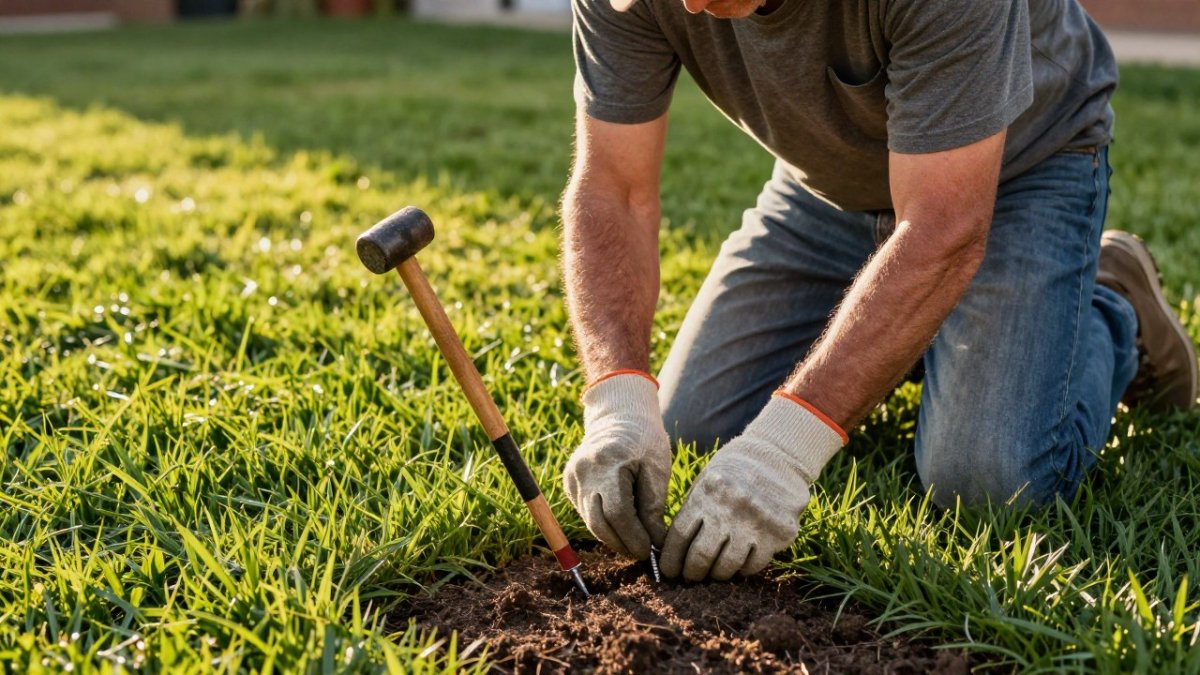
- Dig 4 to 6 inches deep and take 10 to 15 cores across the lawn for a usable soil test.
- Most turfgrasses grow best at a pH of about 6.0 to 7.0.
- Keep mowing height around 3 to 4 inches and leave clippings on the lawn.
- Water deeply and infrequently, about 1 inch per week including rainfall.
- Retest your soil every two to three years, or after major changes.
Table of Contents
- What Sustainable Lawn Care Means for Your Yard
- Test Your Soil Before You Feed Anything
- Choose Grass and Natural Lawn Care Products That Fit Your Region
- Organic Lawn Care: Feeding and Mowing for Healthy Turf
- Water-Saving Lawn Care: Irrigation and Drought Habits
- Low-Maintenance Lawn Ideas and Managing Weeds Without Harsh Chemicals
- Your Seasonal Sustainable Lawn Care Checklist
- Frequently Asked Questions
What Sustainable Lawn Care Means for Your Yard
Sustainable lawn care means keeping grass healthy while using less water, fewer chemicals, and less time on the mower. A sustainable yard works with local soil and weather instead of fighting them.
Many homeowners start here because a typical lawn often gets more water and fertilizer than it needs. Over time, that excess can run off into storm drains and nearby streams.
For a practical starting point, think about four goals:
- Feed the soil, not just the grass
- Water deeply and less often
- Mow high and leave clippings on the lawn
- Use fewer synthetic chemicals and more targeted fixes
The rest of this guide walks through seven steps to put these goals into practice. You do not have to do everything at once. Pick one or two changes this season and build from there.
Test Your Soil Before You Feed Anything
Soil testing is the single most useful step you can take, because it turns guesswork into a specific plan.
A basic soil test reports pH and the levels of key nutrients like phosphorus and potassium, plus often calcium, magnesium, and organic matter. Many county extension offices offer soil testing for a small fee, and results usually arrive within a few weeks.
How to take a sample that the lab can actually use
- Use a clean trowel or soil probe. Avoid galvanized tools, which can contaminate the sample with zinc.
- Dig to about 4 to 6 inches deep, which is the root zone for most turfgrasses.
- Take 10 to 15 cores from several spots across the lawn, walking a zigzag pattern so you cover both good and poor areas.
- Mix the cores together in a clean plastic bucket. Do not use a metal bucket.
- Let the mix air-dry, then send about a cup to the lab in the bag or box the lab provides.
- Keep separate samples for areas that behave differently, such as a shady side yard, a dog run, or a section that floods.
Watch out: Do not sample right after fertilizing, liming, or applying compost. Wait at least a few weeks so the test reflects the soil, not the last product you spread.
How to read the report and decide what to do
The report gives you two kinds of numbers: a measured value and a sufficiency range for your grass type. Your job is to compare the two, not to chase a single ideal number.
- pH. Most turfgrasses grow best in a pH range of about 6.0 to 7.0, though some warm-season grasses tolerate slightly lower. If pH is below the range, the report will usually recommend lime; if it is above, it may recommend sulfur or an acidifying fertilizer. Apply lime or sulfur only at the rate the report suggests, and split large recommended amounts across two or three seasons so you do not shock the soil.
- Phosphorus. Many established lawns already have enough phosphorus, and excess phosphorus is the nutrient most often linked to runoff problems in nearby streams. If your report shows phosphorus at or above the sufficiency range, choose a fertilizer with little or no phosphorus rather than a balanced blend.
- Potassium. Low potassium shows up as weak stems and poor drought tolerance. If the report flags it, a potassium-only product or a blend matched to the report is more efficient than a general-purpose fertilizer.
- Organic matter. A low reading points toward compost topdressing, while a high reading means you can skip compost for a season or two.
Once you have results, you know whether to add lime, sulfur, or compost, and you can skip nutrients your soil already has.
Retest every two to three years, or sooner if you make a major change such as regrading, adding topsoil, or switching grass types. Keep the old reports so you can see whether your amendments are actually moving pH and nutrient levels in the right direction.
The article breaks down what a soil test reports and how to act on each result.
| Soil result | What it means | What to do |
|---|---|---|
| pH | Most turfgrasses grow best at about 6.0 to 7.0 | Apply lime or sulfur at the report’s rate |
| Phosphorus | Often already sufficient; excess linked to runoff | Choose a low- or no-phosphorus fertilizer |
| Potassium | Low levels show as weak stems, poor drought tolerance | Use a potassium-only or matched blend |
| Organic matter | Low reading points toward compost | Topdress with compost; skip if high |
| Sampling depth | Root zone for most turfgrasses | Dig 4 to 6 inches deep |
| Retest interval | Tracks whether amendments are working | Retest every 2 to 3 years |
Choose Grass and Natural Lawn Care Products That Fit Your Region
The right grass depends on where you live. Warm-season grasses like Bermuda and zoysia handle heat well in the South.
Native and climate-adapted grasses need less water and fertilizer, which makes them a strong sustainable choice. Your local extension office can recommend varieties that perform well in your area.
When shopping for natural lawn care products, look for:
- Slow-release or organic fertilizers
- Compost or organic matter for soil improvement
- Products that list their ingredients clearly
- Labels that match your soil test results
Avoid buying a bag of “weed and feed” by default. Combination products apply herbicide whether or not you have weeds.
Organic Lawn Care: Feeding and Mowing for Healthy Turf
Organic lawn care feeds the soil food web, which in turn feeds your grass.
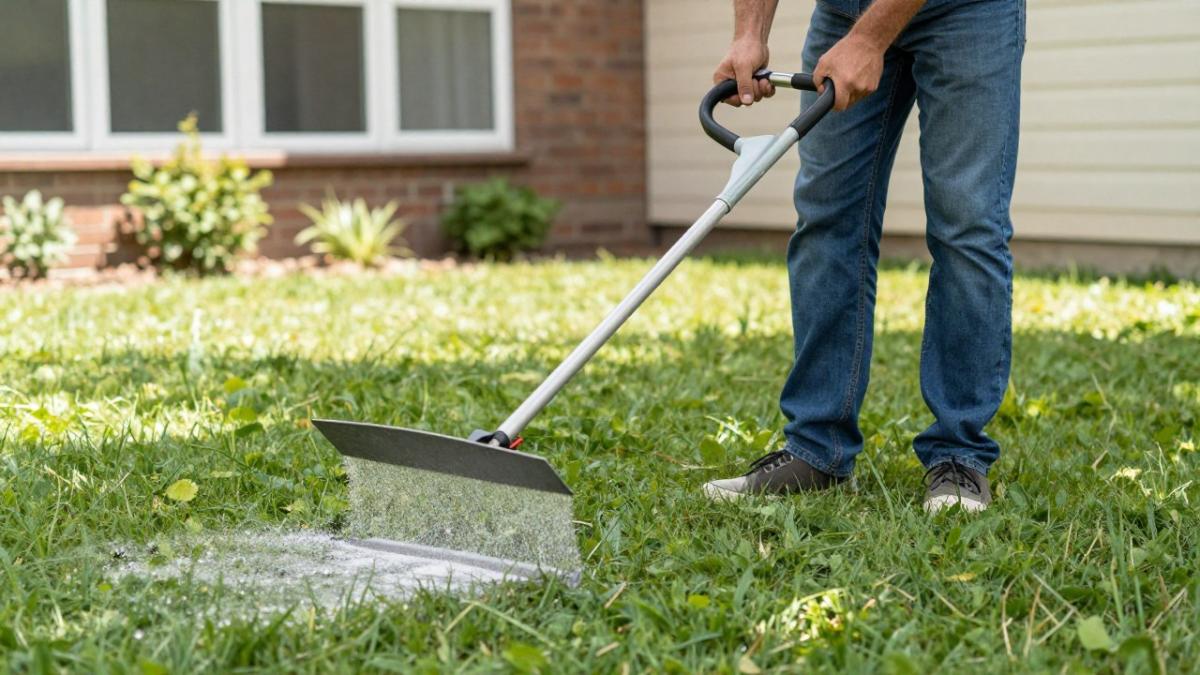
Mowing matters just as much as feeding. Set your mower high, usually around 3 to 4 inches for most grasses.
Leave the clippings on the lawn after mowing. They break down quickly and return nitrogen and organic matter to the soil.
Keep blades sharp. Dull blades tear grass and leave brown tips that invite disease.
Water-Saving Lawn Care: Irrigation and Drought Habits
Most lawns need about 1 inch of water per week, including rainfall (the EPA). Water deeply and infrequently instead of lightly every day. Deep watering pushes roots down and makes the grass more drought tolerant.
Water early in the morning, ideally before 10 a.m., when evaporation is lowest (When it’s Hot | WaterSense). Use a rain gauge or a tuna can to check how much water your sprinklers deliver.
Consider these habits:
- Water only when the grass shows signs of stress, such as a footprint that stays flattened
- Install a rain sensor on your irrigation system
- Adjust sprinkler heads so water lands on the lawn, not the driveway
- Let the lawn go dormant during extended drought, since warm-season grasses recover once rain returns
Low-Maintenance Lawn Ideas and Managing Weeds Without Harsh Chemicals
Weeds usually signal a problem with the lawn, not just bad luck. Thin turf, compacted soil, and low fertility invite weeds.
Pull weeds by hand after rain, when the soil is soft and roots come up easily.
If your yard is small or hard to maintain, consider reducing the lawn area.
Watch out: Pulling weeds before they flower and set seed prevents a bigger problem next season.
Your Seasonal Sustainable Lawn Care Checklist
Most seasonal lawn advice is written as if every yard has the same climate and the same grass. It does not. The checklist below is built around two variables that actually change the timing: whether you have a cool-season grass (tall fescue, Kentucky bluegrass, perennial ryegrass) or a warm-season grass (Bermuda, zoysia, St. Augustine, centipede), and whether your region has a short or long growing season.
Cool-season grass calendar
- Late winter to early spring: Test soil if you have not tested in two to three years. Sharpen mower blades before the first cut. Clear winter debris so grass can dry.
- Early spring: Apply a slow-release organic fertilizer only if the soil test calls for it. Overseed thin areas while soil is still cool and moist. Hold off on pre-emergent weed products if you are overseeding.
- Late spring: Raise the mower to 3 to 4 inches and keep it there through summer. Start deep, infrequent watering, about 1 inch per week including rainfall, only when the lawn shows stress.
- Summer: Water early in the morning, before 10 a.m., to cut evaporation. Let the lawn go dormant in extended drought rather than propping it up with daily light watering. Avoid fertilizing in the heat of summer.
Warm-season grass calendar
- Late winter: Test soil. Sharpen blades. Rake out dead thatch if it is thicker than about half an inch.
- Spring: Apply a slow-release organic fertilizer as grass greens up. Aerate if soil is compacted. Begin mowing at 2 to 3 inches, depending on the species.
- Early summer: Deep, infrequent watering, about 1 inch per week, is the priority. Raise the mower height slightly to shade the soil.
- Midsummer: Watch for drought stress, such as footprints that stay flattened. Adjust irrigation to rainfall rather than running a fixed schedule.
Make the calendar measurable
A seasonal plan only sticks if you can see what it saves. Track four numbers for one season and compare them with last year:
- Water use. Read your water bill or irrigation meter each month and note the gallons used outdoors. A rain sensor and a rain gauge are the two cheapest tools for cutting waste.
- Fertilizer use. Write down the pounds of product applied and the nitrogen percentage on the bag, then multiply to get pounds of actual nitrogen per 1,000 square feet. Most established lawns need far less than the bag suggests.
- Mowing hours and fuel. Note how often you mow and whether you use gas, battery, or manual equipment. Raising the mower height and mowing less often in dry spells cuts both hours and emissions.
- Product spending. Keep receipts for fertilizer, compost, and weed products. A soil test often replaces a bag of unnecessary fertilizer, and the savings show up in the total.
A common pattern is that homeowners who switch to deep, infrequent watering and leave clippings on the lawn see their fertilizer needs drop within a season or two, because clippings return nitrogen and organic matter for free.
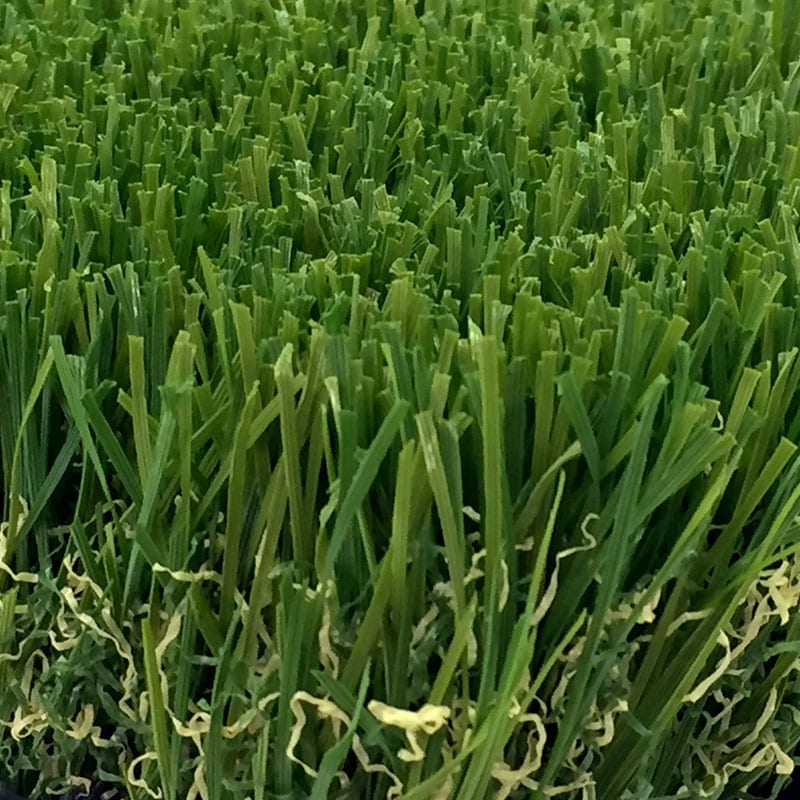
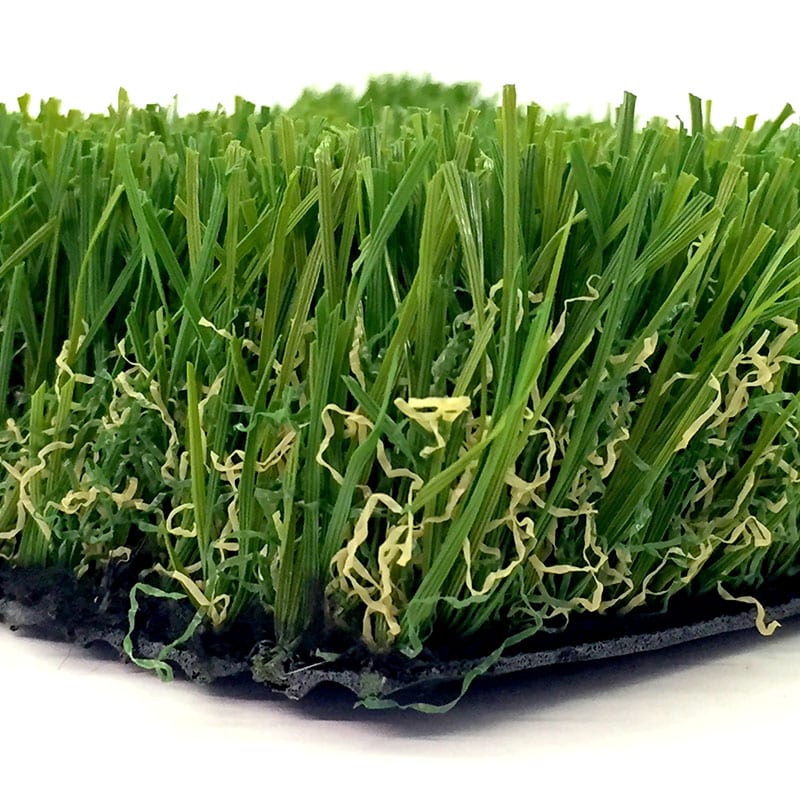
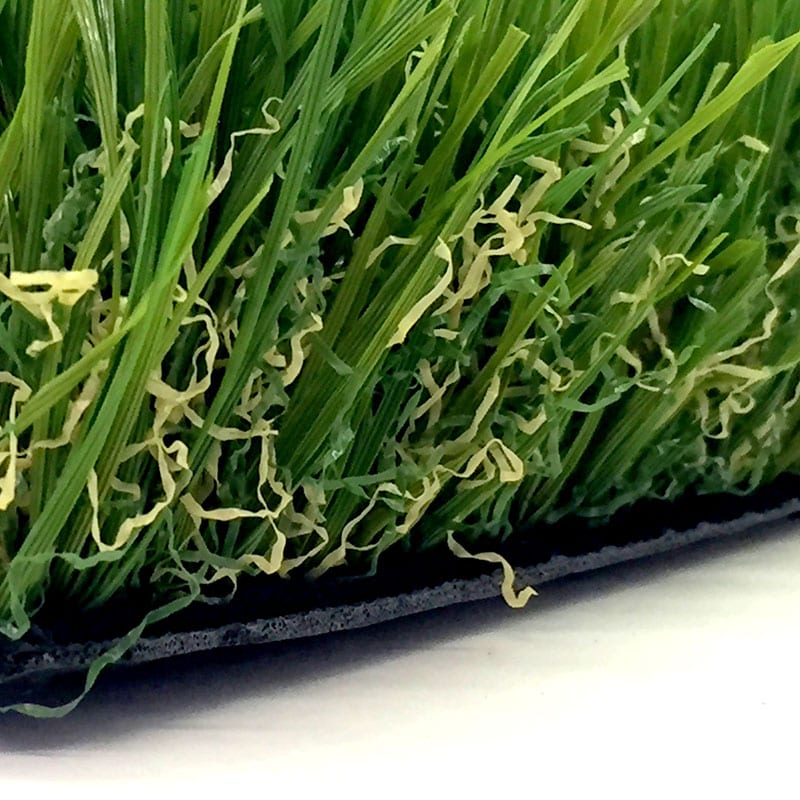
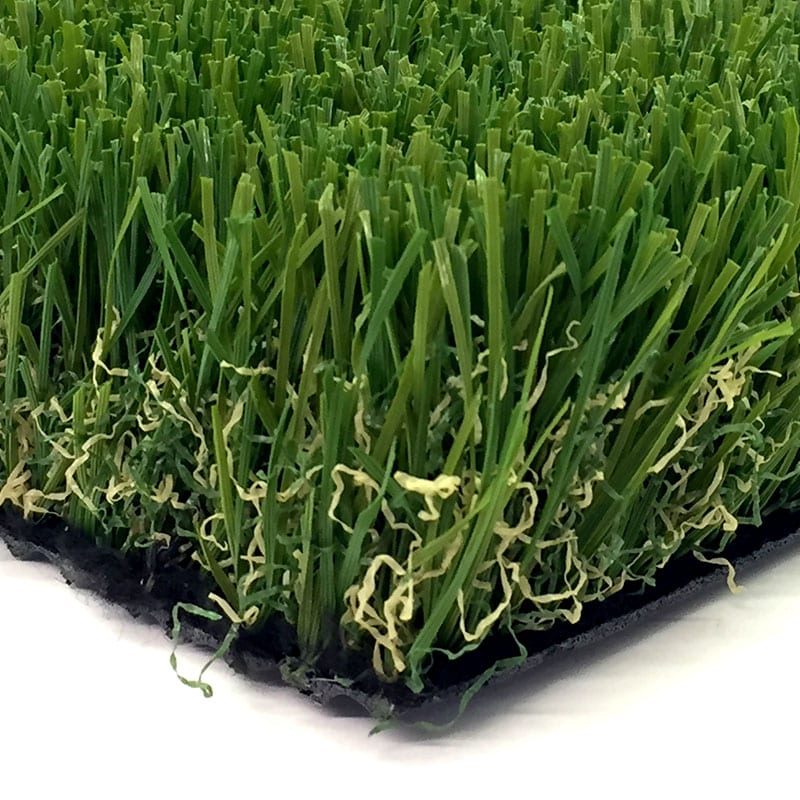
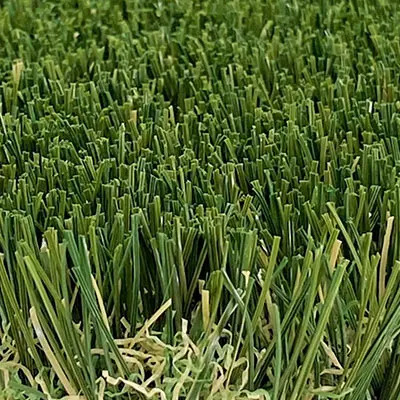
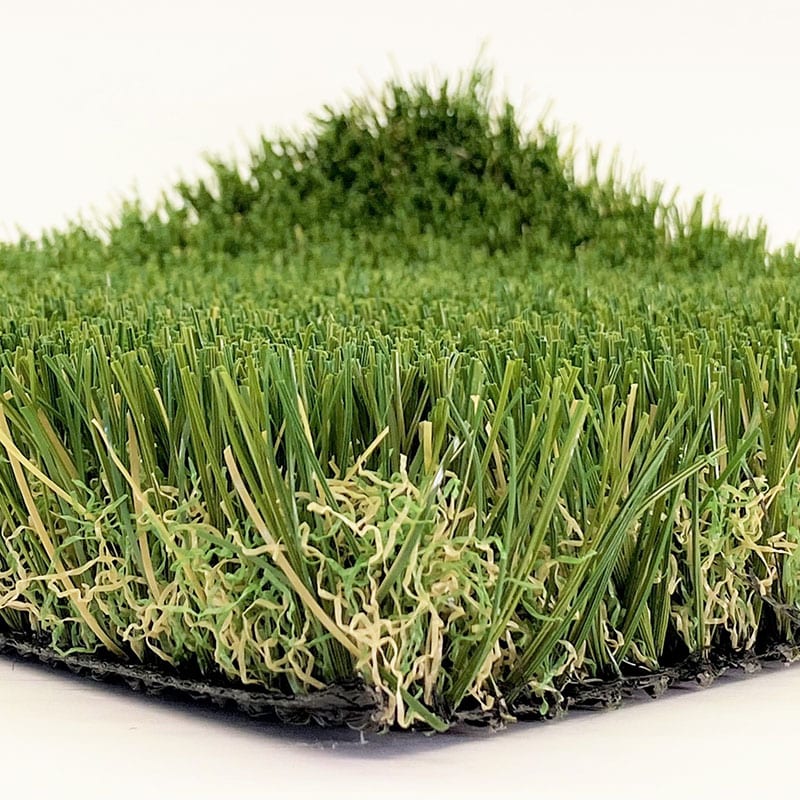
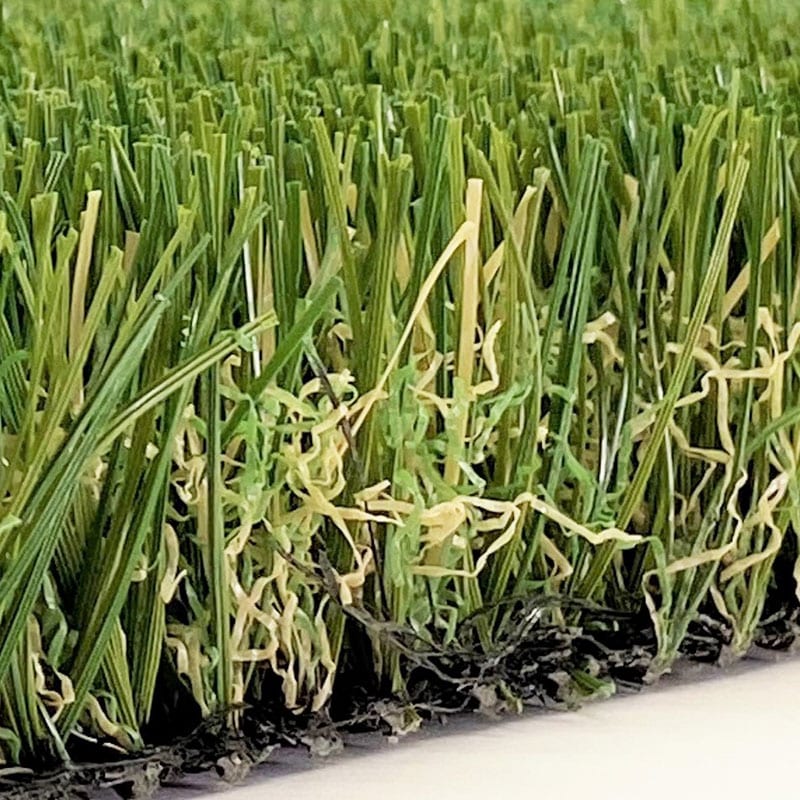
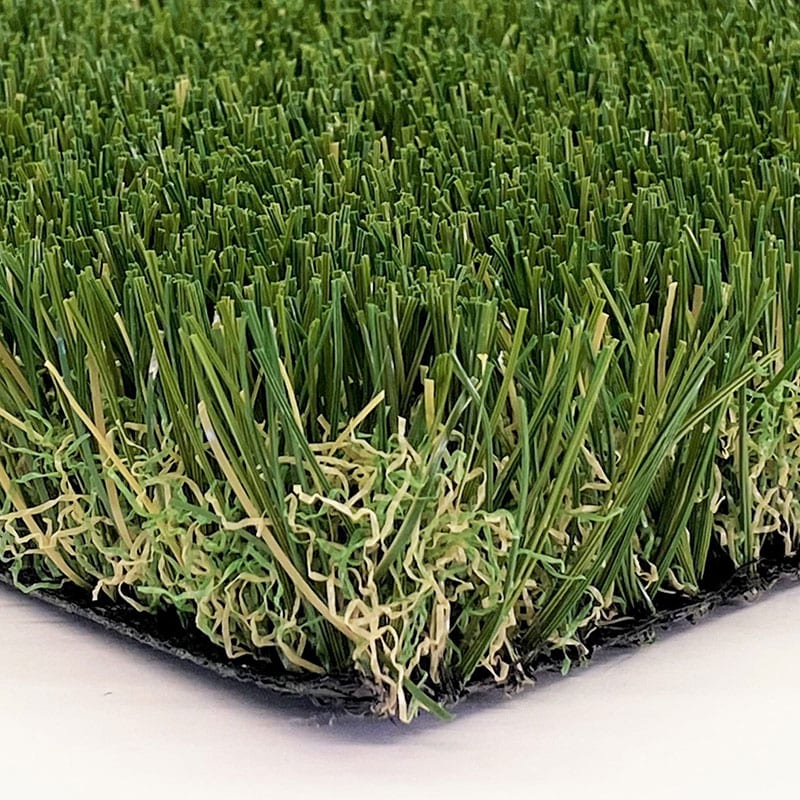
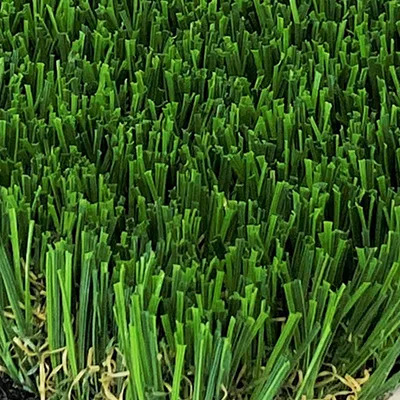
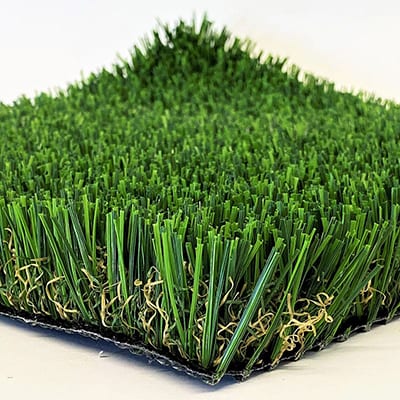
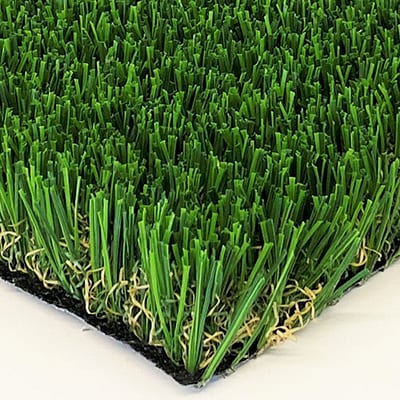
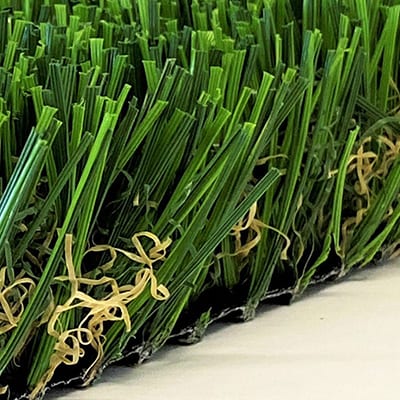
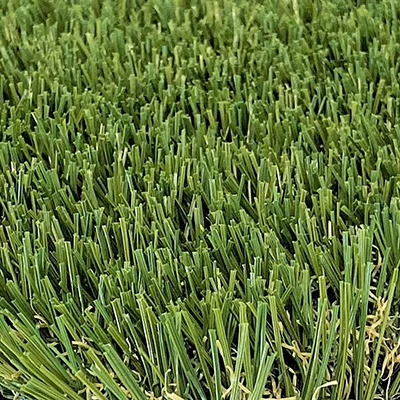
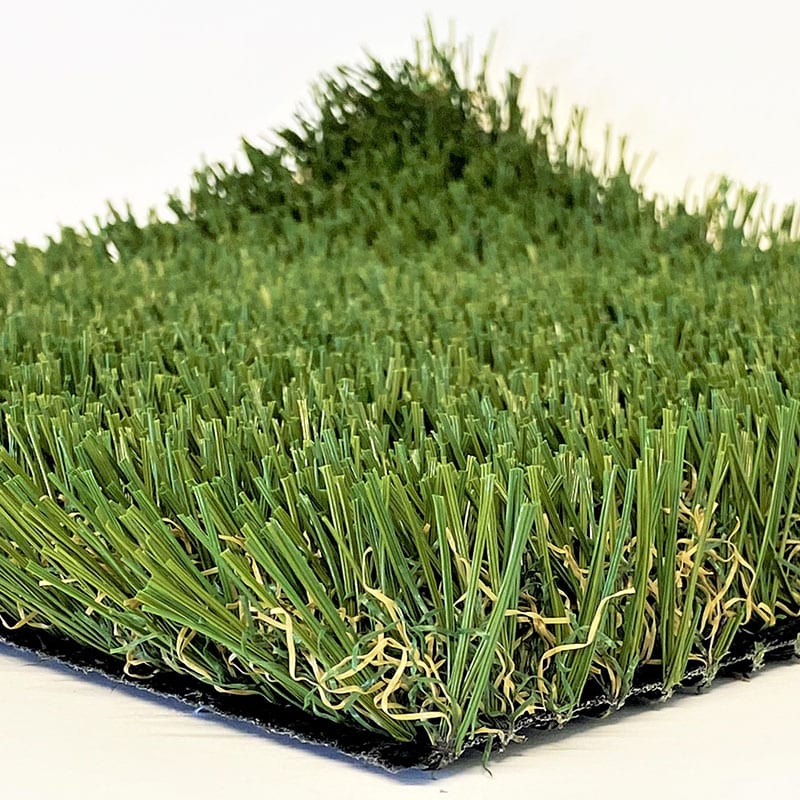
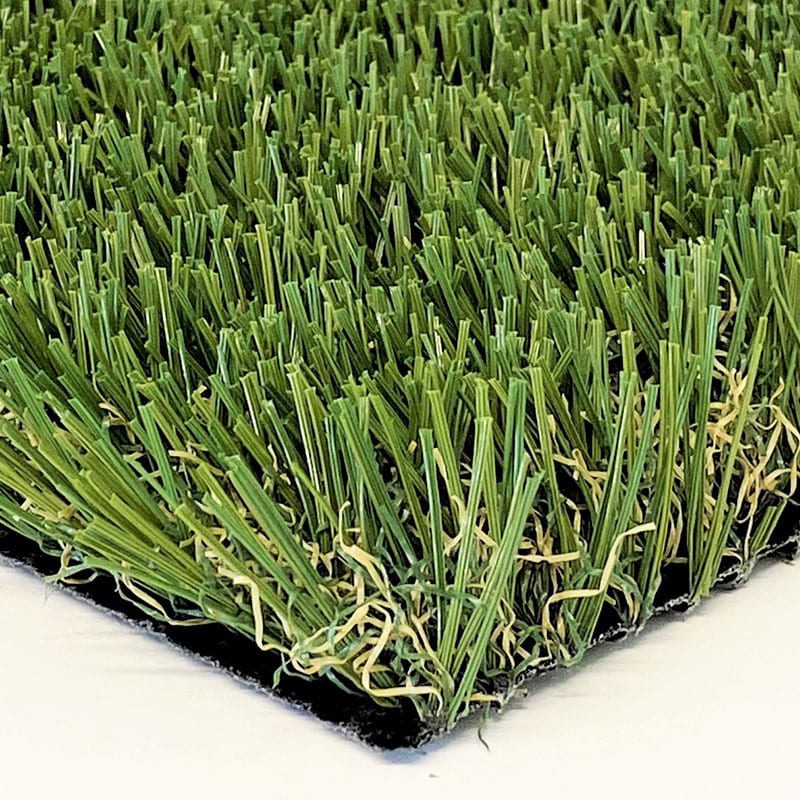
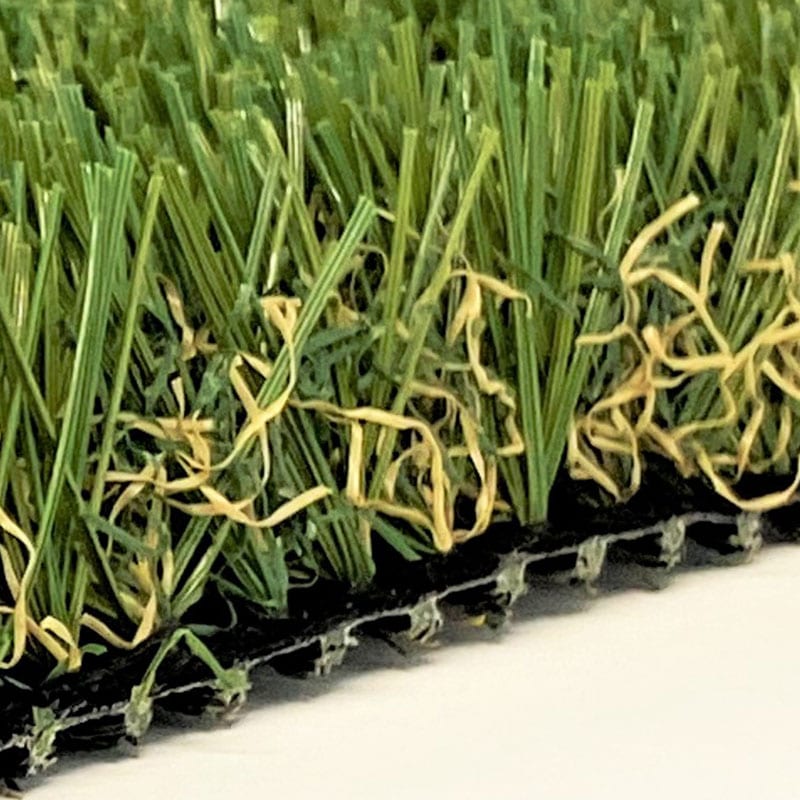
Southern Artificial Turf offers a low-maintenance alternative for homeowners who want a green yard without mowing, watering, or fertilizing. Our turf uses quad-color technology and non-abrasive polyethylene fibers, and it comes with an 8-year warranty.
Frequently Asked Questions
What is the best homeowner lawn treatment?
The best starting treatment is the one your soil test calls for. Most homeowners benefit from a slow-release organic fertilizer applied in the active growing season, combined with keeping grass clippings on the lawn and mowing at the recommended height. Avoid blanket applications of any product before testing, since over-feeding can push growth that needs more water and mowing. Southern Artificial Turf can help if you would rather replace high-maintenance grass with a lawn that needs no watering, mowing or fertilizing. Contact the company for a quote.
How can I make my lawn more sustainable?
Start with a soil test, then raise your mowing height, leave grass clippings on the lawn, and water deeply but less often. Switch to organic or slow-release fertilizer and reduce pesticide use by encouraging natural predators and healthy turf. Over one growing season these changes improve soil organic matter, reduce runoff and cut the amount of water and chemicals the lawn needs. Track your water bill and fertilizer purchases to see the savings for yourself.
How often should I water my lawn to conserve water?
Most established lawns need about one inch of water per week, including rainfall. Water deeply and infrequently, in the early morning, so roots grow deeper and the soil holds moisture longer. A simple test is to place a few empty tuna cans on the lawn while the sprinkler runs and stop when they hold about one inch. Adjust for heat waves and drought restrictions in your area, and check your local water utility for watering schedules.
How can I control lawn weeds without using harsh chemicals?
Dense, healthy turf is the best defense. Mow high, which shades soil and blocks weed seeds, and overseed thin patches in the fall. Pull persistent weeds by hand after rain, when roots release easily, and spot-treat with an organic or targeted product only where needed. Consistent care over a full season usually reduces weed pressure more than any single product.