
Table of Contents
- Tip 1: Install Synthetic Turf for Dogs to Eliminate Mud and Wear
- Tip 2: Choose Pet-Friendly Landscaping Ideas with Non-Toxic Plants
- Tip 3: Create a Dedicated Digging and Play Zone
- Tip 4: Add a Cooling Station for Hot Southern Days
- Tip 5: Maintaining Artificial Grass for Dogs: Simple Routines
- Budget-Friendly Pet-Friendly Backyard Upgrades
- Conclusion: Your Pet-Friendly Backyard Awaits
- Frequently Asked Questions
Last Updated: September 27, 2026
Tip 1: Install Synthetic Turf for Dogs to Eliminate Mud and Wear
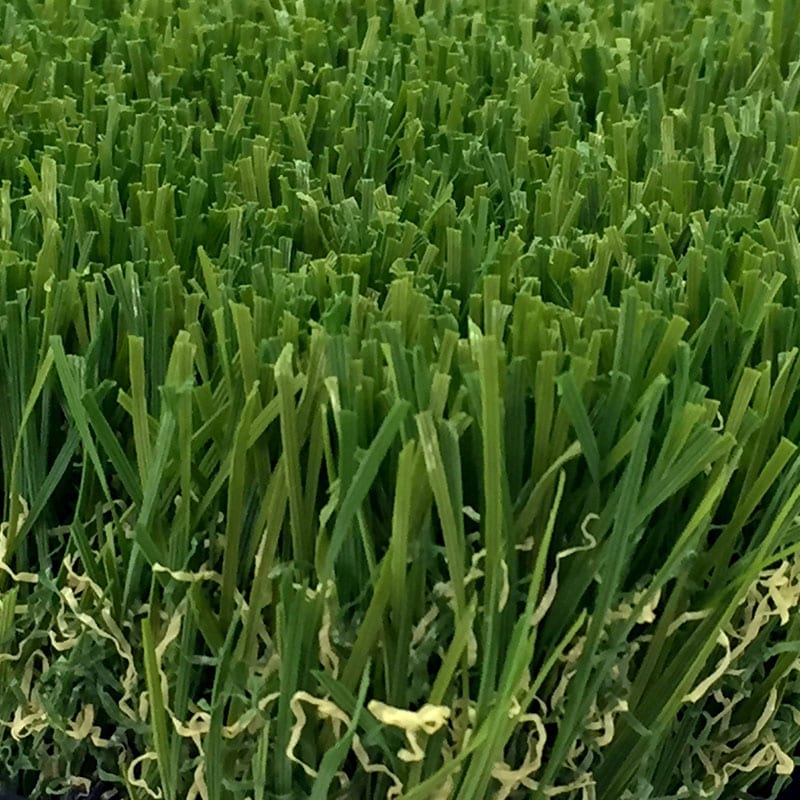
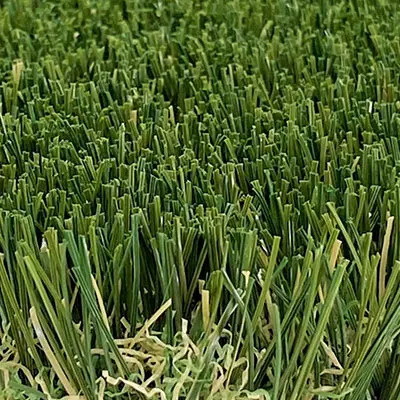
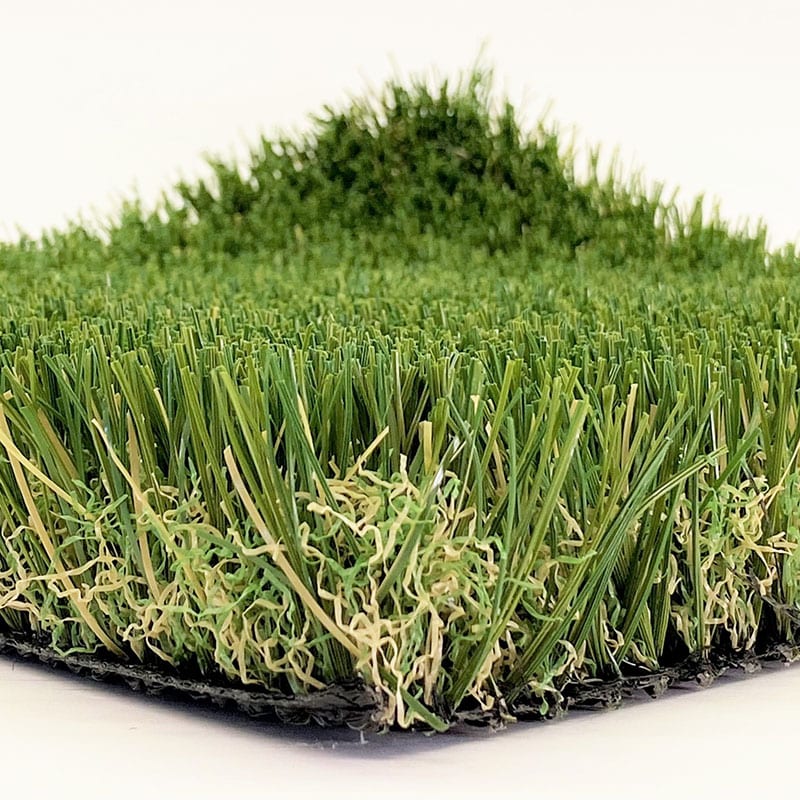
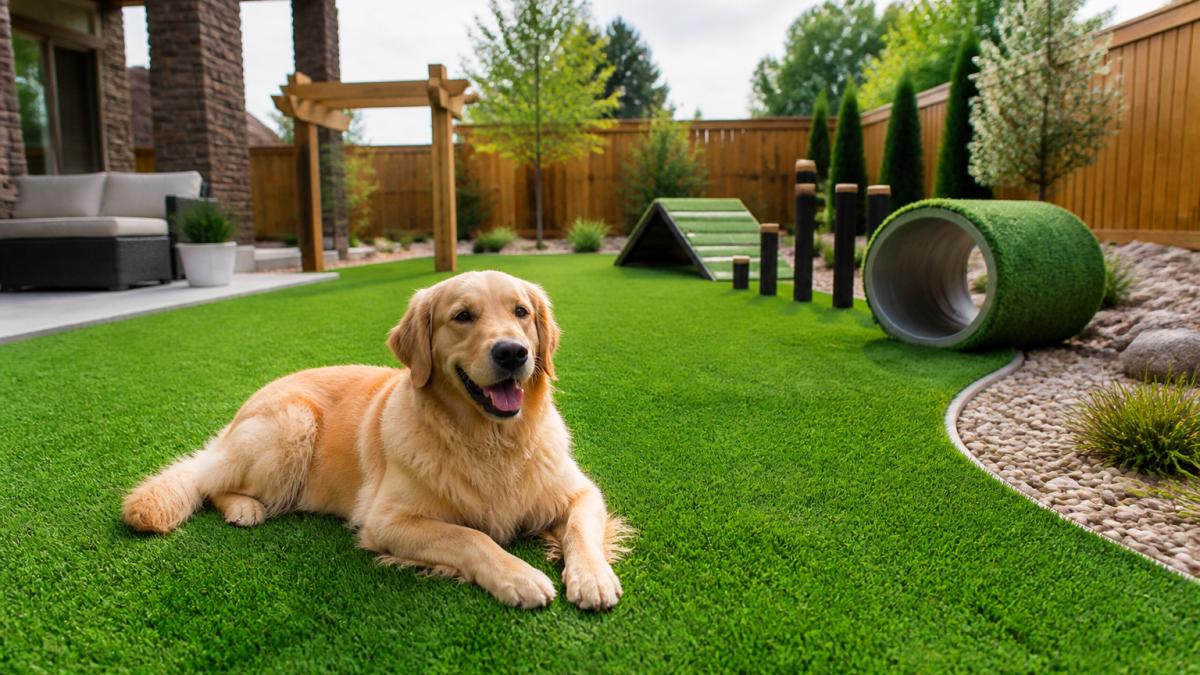
The single highest-impact change you can make for a dog-damaged yard is replacing bare, muddy ground with synthetic turf for dogs. It eliminates the mud cycle entirely: no paw prints through the kitchen, no dead patches where the same route gets worn down, and no re-seeding every spring. This guide from Southern Artificial Turf walks through the five renovations that hold up to real pet traffic, starting with the surface itself.
A common mistake is buying on appearance alone. The backing and drainage matter more than the blade color, because that is what decides whether the surface survives two dogs sprinting the same line every morning.
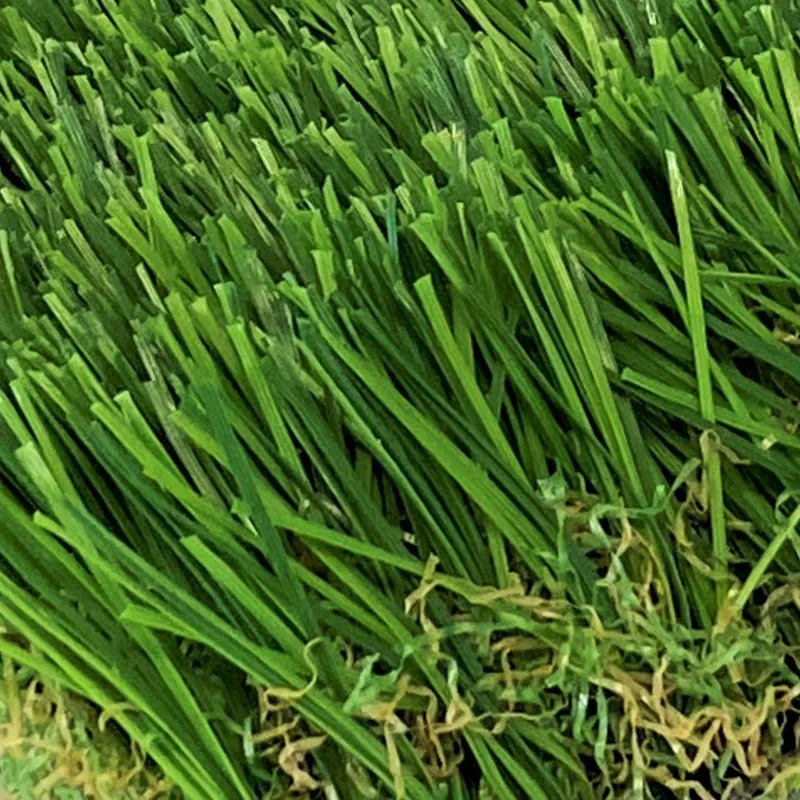
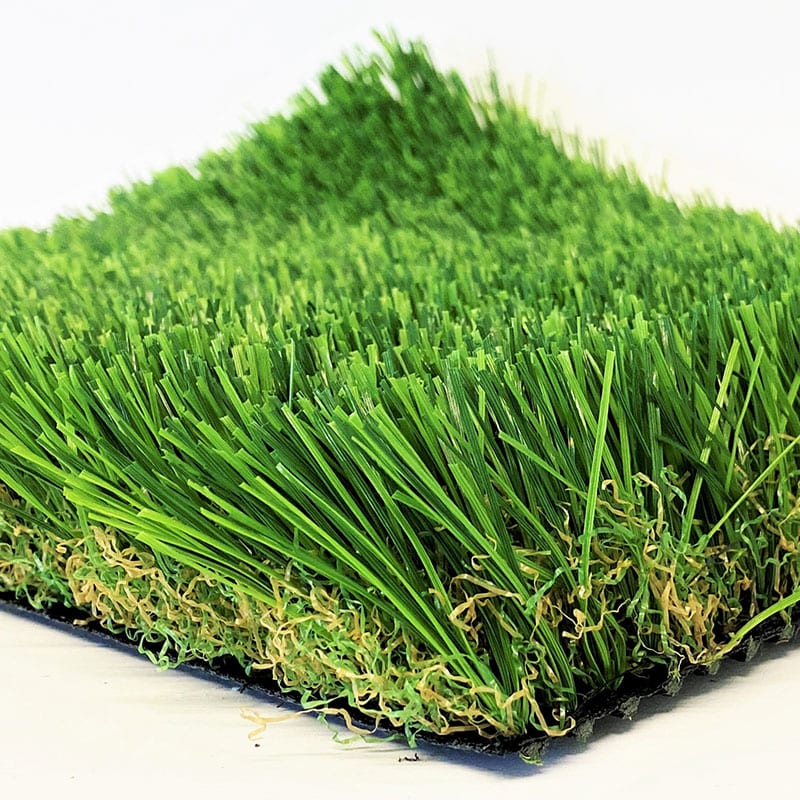
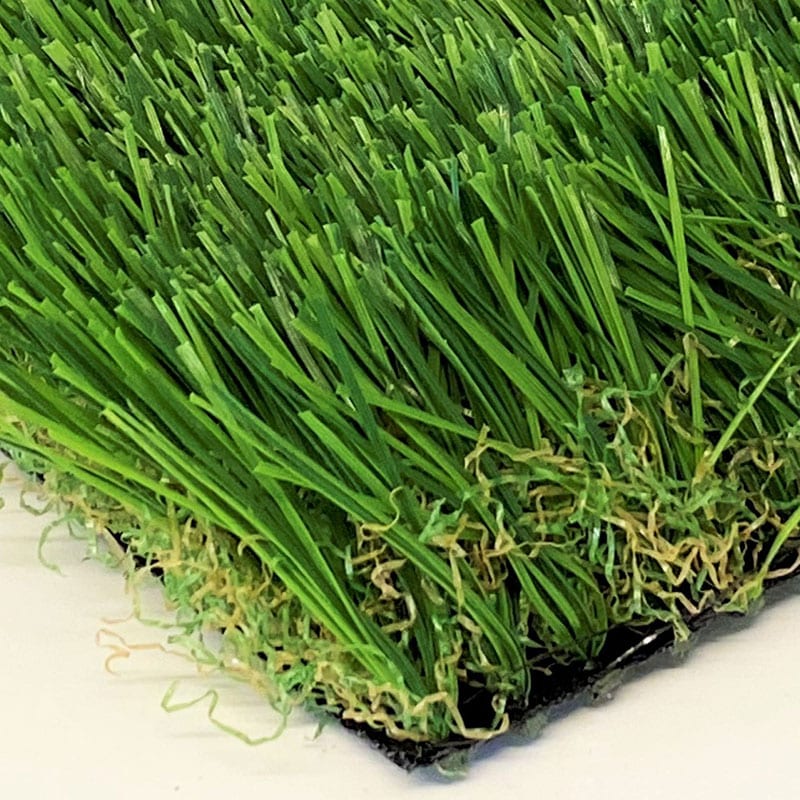
What to Look for in Pet-Friendly Turf
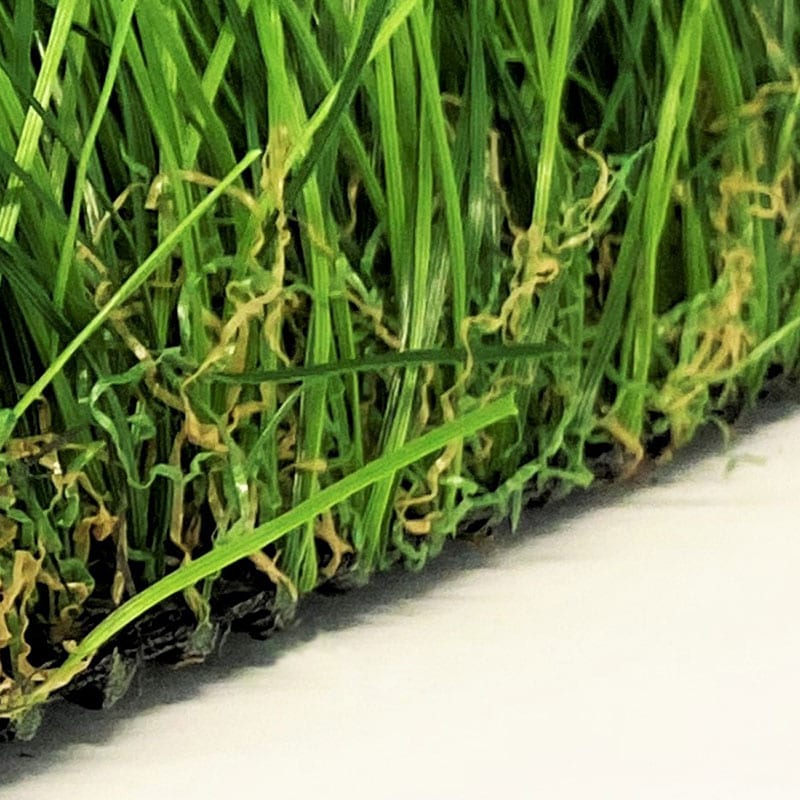
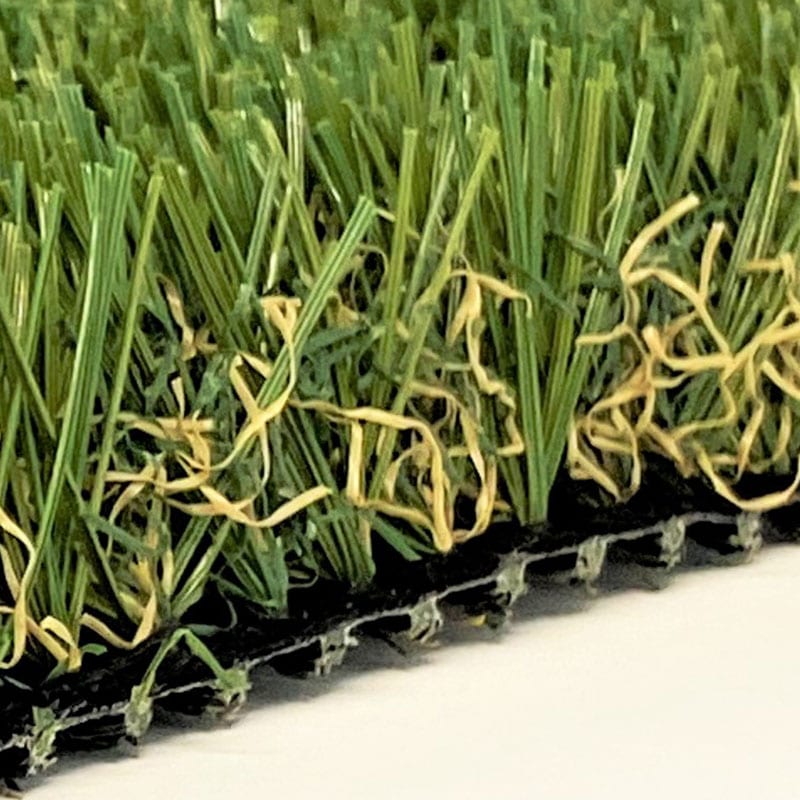
Look for three things: fiber type, drainage rate, and backing quality.
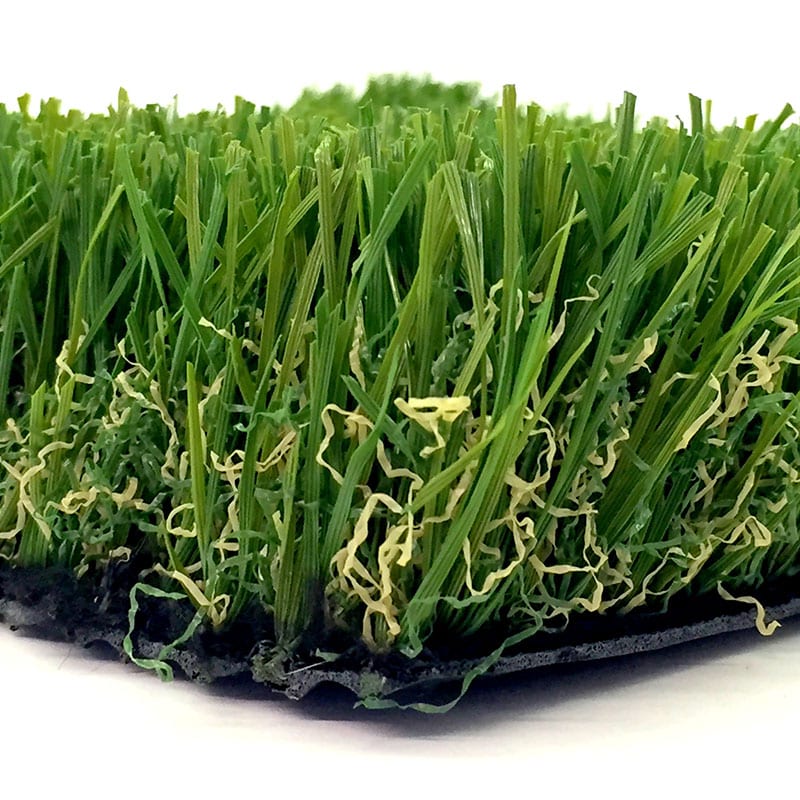
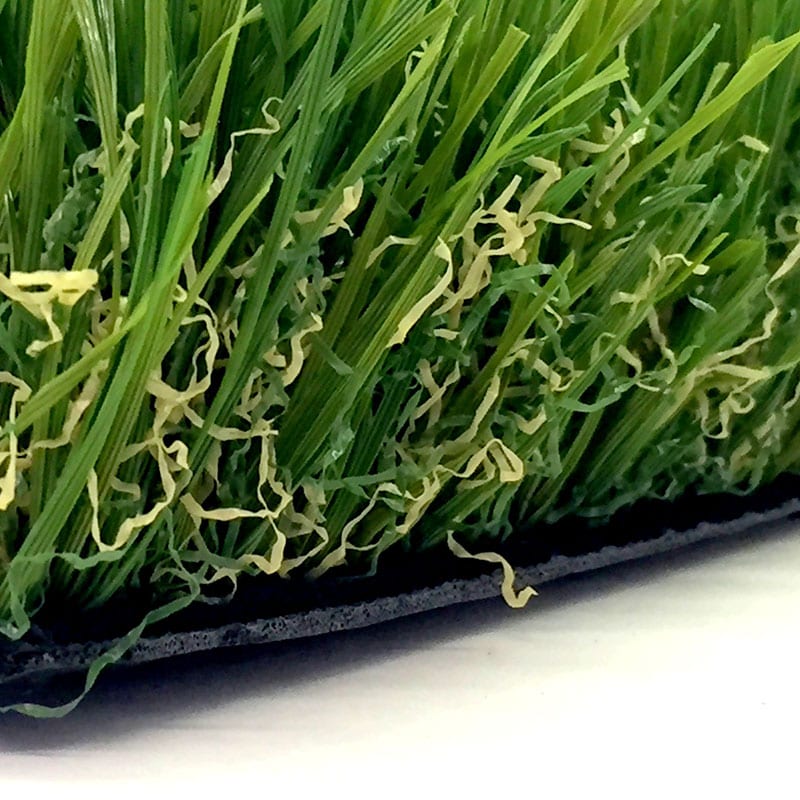
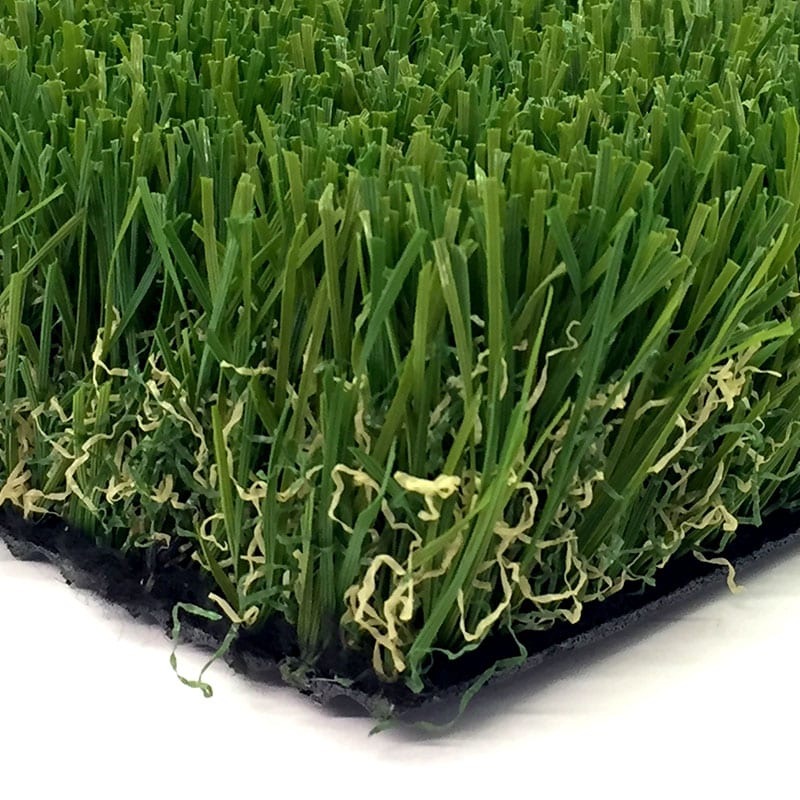
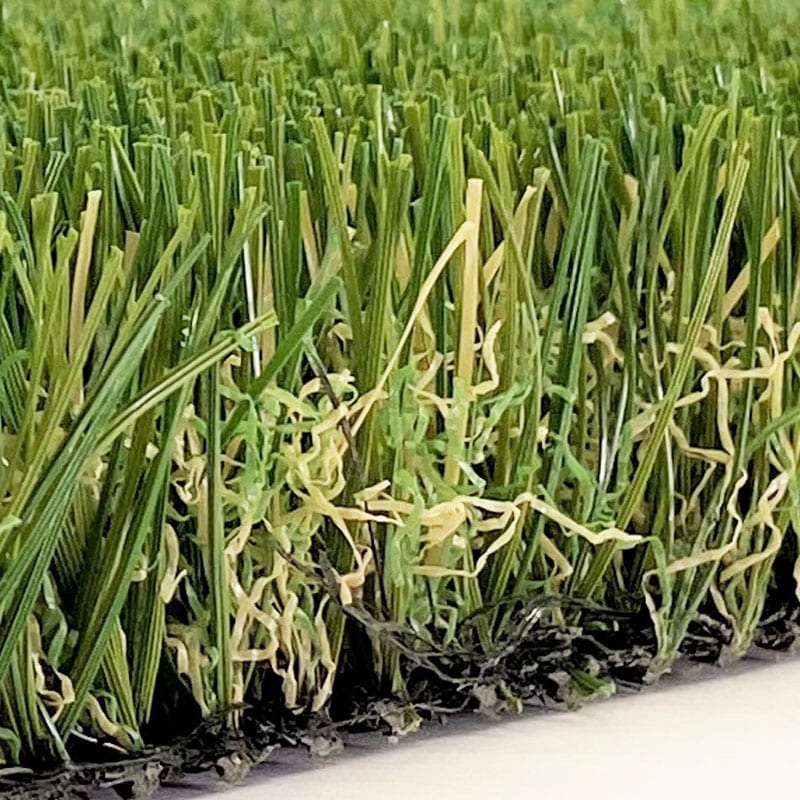
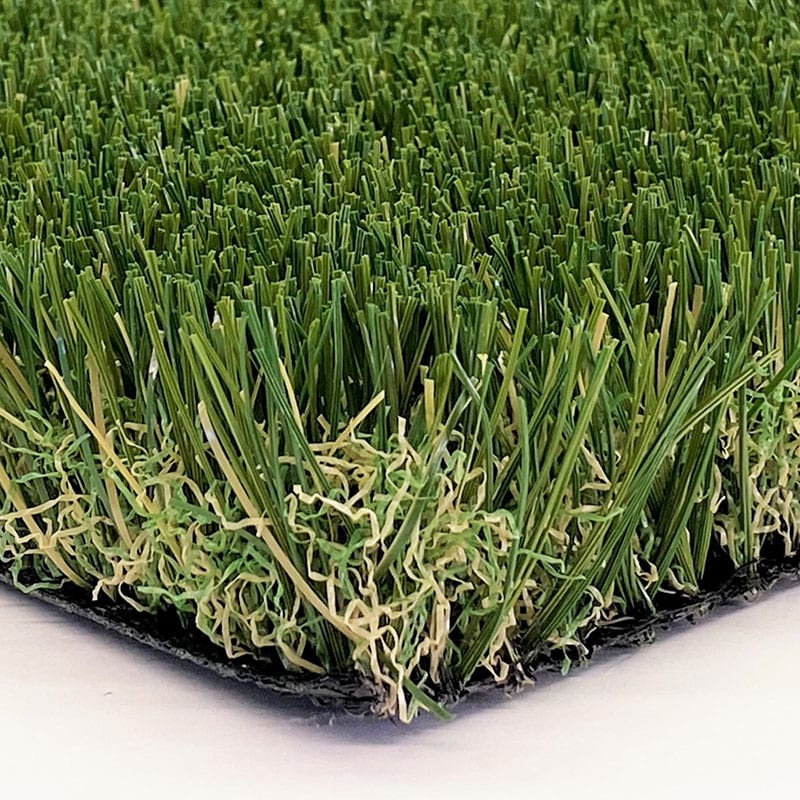
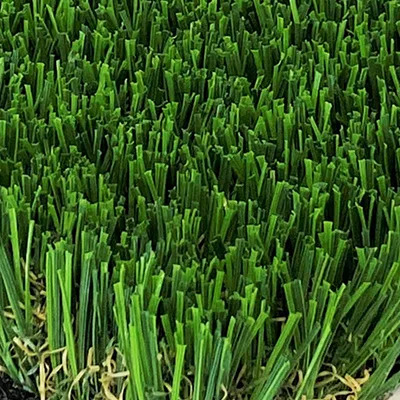
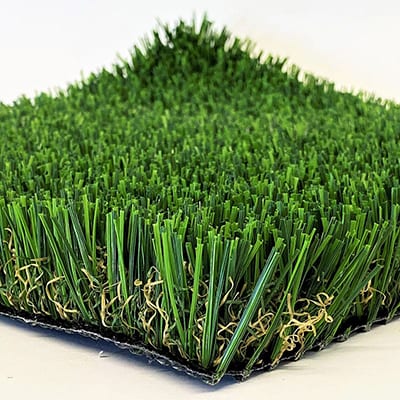
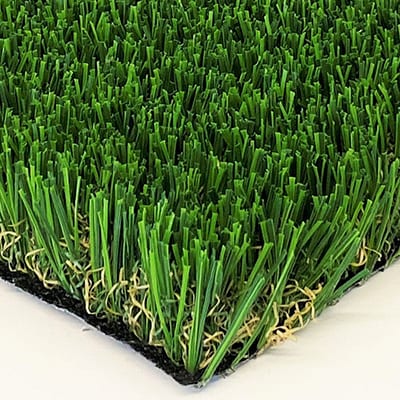
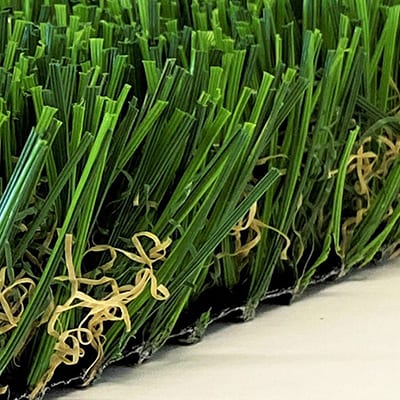
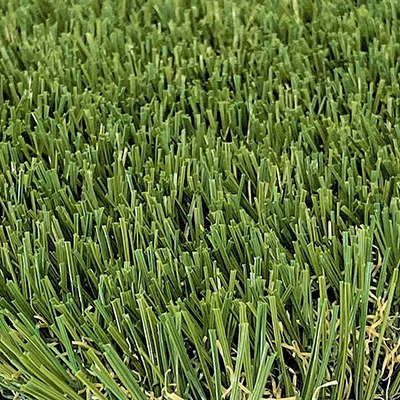
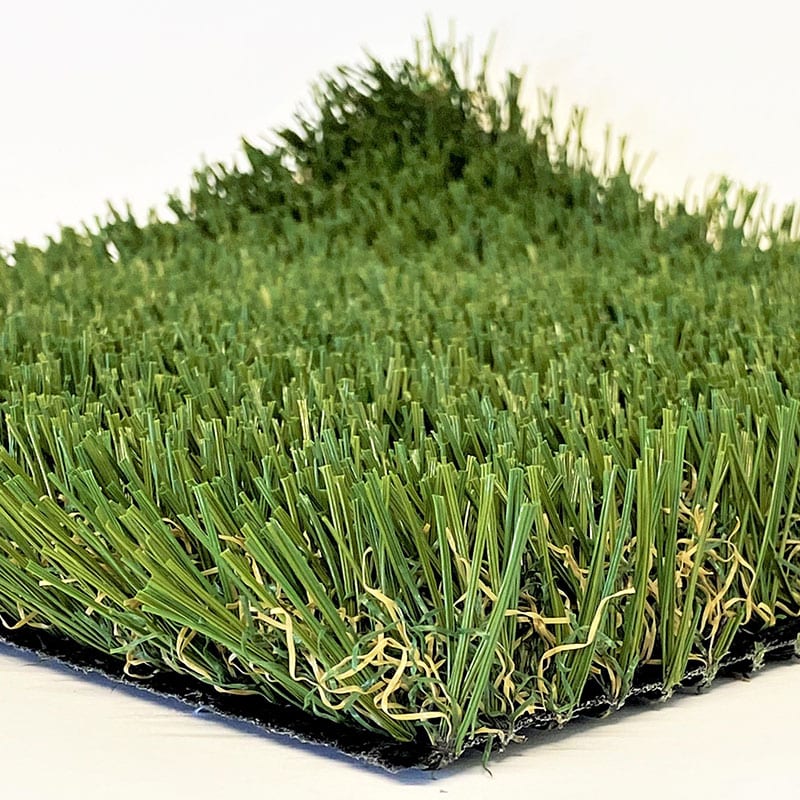
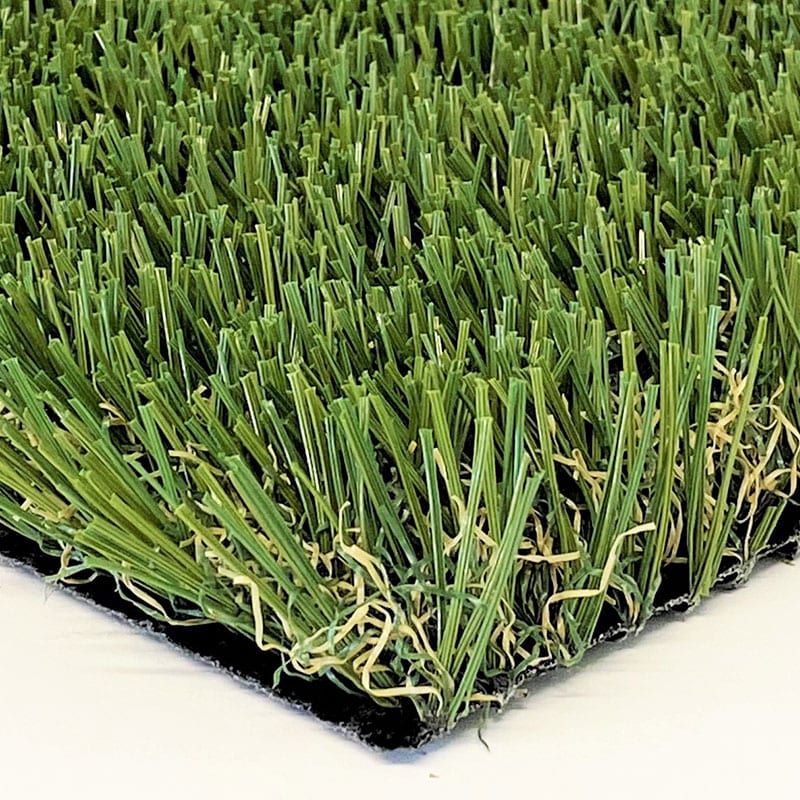
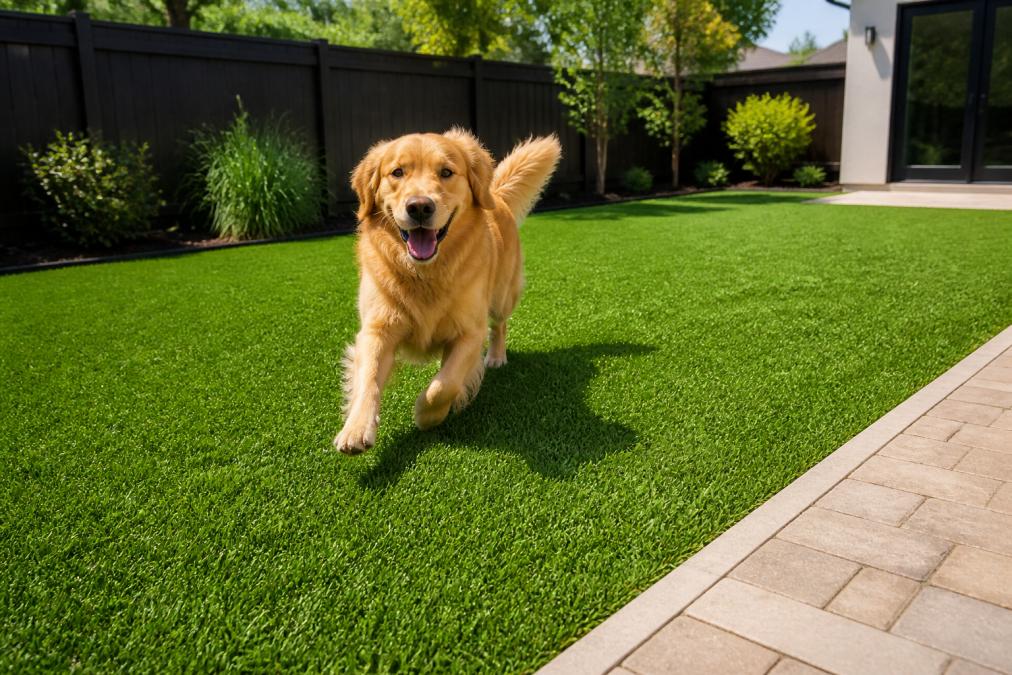
- Non-abrasive fiber. Polyethylene is softer on paws than cheaper alternatives. Southern Artificial Turf uses 100% non-abrasive polyethylene fiber, which matters when a dog skids to a stop.
- Drainage capacity. Turf that holds water grows bacteria and smells. A rate of 30 inches per hour moves heavy rain and hose-downs through fast.
- Color technology. Quad-color blades break up the flat, single-tone look that makes turf read as plastic from the patio.
- A real warranty. An 8-year warranty signals the manufacturer expects the surface to survive sun and traffic.
What to Avoid: Cheap, Abrasive Turf
Budget turf usually cuts corners on the backing and the fiber. The result is a surface that drains slowly, mats down in high-traffic lanes, and feels rough under a dog’s pads after a hard run. It also fades unevenly in strong sun.
The most expensive mistake is buying turf rated for decoration, not pets. It looks fine for one season, then compresses into flat, smelly patches where your dog actually runs. Replacement costs more than doing it right once.
Tip 2: Choose Pet-Friendly Landscaping Ideas with Non-Toxic Plants
Pet-friendly landscaping ideas start with one rule: if your dog can reach it, it needs to be safe to chew. Dogs sample plants, especially puppies. Replace toxic ornamentals with non-toxic options before you add anything decorative.
Safe Plant Options and What to Avoid
Safe, sturdy choices for a dog yard include marigolds, camellia, rosemary, and most ornamental grasses. These tolerate rough play and are non-toxic if nibbled. Nurseries such as Monrovia’s plant catalog let you filter for pet-safe varieties before you buy.
Avoid sago palm, oleander, azalea, and lily varieties. These are common in Southern yards and toxic to dogs.
The ASPCA’s toxic and non-toxic plant database is the reference to check before planting anything new. It lists plants by common and scientific name, which helps when a nursery label uses a regional nickname.
Tip 3: Create a Dedicated Digging and Play Zone
Dogs dig for a reason: boredom, cooling, or instinct. Give them a legal place to do it and the rest of the yard usually survives. This is the cheapest renovation on the list and often the most effective.
Build a zone with soft, drainable ground cover. Cedar chips work well for paths and digging pits because they are soft on paws, drain fast, and naturally deter some pests.
- Digging pit: A bordered area filled with loose material your dog can move around.
- Run lane: A straight stretch of durable surface for fetch and sprints.
- Rest pad: A shaded spot with a bed or mat, so the dog has a reason to leave the pit.
The trick is redirection, not punishment. Praise the dog in the pit and the behavior moves there on its own.
Tip 4: Add a Cooling Station for Hot Southern Days
A cooling station keeps dogs comfortable through humid afternoons and protects them from heat stress. It does not need to be elaborate. Shade plus water covers most of it.
A collapsible dog pool such as the PetSafe portable dog pool is a practical pick: it folds for storage, resists claw punctures, and drains through a plug. Pair it with a shaded pad and a fresh water bowl.
Place the station on a surface that drains. Standing water on a soft lawn turns into mud, which defeats the whole point. Turf with a high drainage rate handles splash and overflow without turning into a swamp.
Dump and refill the pool daily in summer. Warm standing water grows algae fast, and a dog that drinks it can get sick. A two-minute rinse beats a vet visit.
Tip 5: Maintaining Artificial Grass for Dogs: Simple Routines
Maintaining artificial grass for dogs is easier than lawn care, but it is not zero effort. Five minutes a week keeps the surface clean, odor-free, and looking new.
Daily and Weekly Maintenance Checklist
- Pick up solid waste daily, before it works into the fibers
- Rinse the surface weekly, or after heavy use, to flush the backing
- Rake high-traffic lanes with a stiff brush to lift matted blades
- Check drainage after storms; standing water means a clogged base
- Spot-clean accidents with water and a mild, pet-safe cleaner
- Keep food and water bowls off the turf to limit staining
That is the whole routine. No mowing, no watering, no fertilizing, no weed pulling. Southern Artificial Turf installs surfaces built for exactly this kind of low-effort upkeep.
Budget-Friendly Pet-Friendly Backyard Upgrades
You do not have to renovate everything at once. Rank the changes by impact per dollar and work down the list.
| Upgrade | Effort | Ongoing Cost | Best For |
|---|---|---|---|
| Digging and play zone | Low | Low | Stopping damage to the rest of the yard |
| Cooling station | Low | Low | Hot, humid afternoons |
| Non-toxic plant swap | Medium | Low | Yards with reachable ornamentals |
| Turf for high-traffic lanes | High | Very low | Mud and dead patches |
| Full turf installation | High | Very low | Yards that stay wet or worn |
Start with the digging zone and the plant swap. Both are cheap, and together they stop most of the daily damage. Turf handles the rest.
For current pricing on turf and installation, Southern Artificial Turf’s quote request is the place to start, since cost depends on square footage, base prep, and site access.
Conclusion: Your Pet-Friendly Backyard Awaits
The hardest part of a pet-friendly backyard is not the work. It is deciding to stop fighting the mud, the dead patches, and the re-seeding cycle every spring. Southern Artificial Turf builds surfaces that end that cycle, with non-abrasive polyethylene fiber that is gentle on paws, a 30-inch-per-hour drainage rate, quad-color technology that reads like real grass, and an 8-year warranty behind it. Get a quote from Southern Artificial Turf and give your dog a yard that holds up all year.
Frequently Asked Questions
Is synthetic turf safe for dogs?
Yes, synthetic turf designed for pets is safe. Look for non-abrasive polyethylene fibers and products that meet or exceed EPA standards for heavy metals, like those from Southern Artificial Turf. These turfs are durable, free of harmful chemicals, and provide a clean, mud-free surface. Proper installation and regular cleaning ensure a safe environment for your dog to play.
What is the best ground cover for a dog-friendly backyard?
Synthetic turf is a top choice because it eliminates mud, resists wear, and drains quickly (e.g., 30 inches per hour). Other options include cedar chips for paths or digging zones, which are soft on paws and naturally pest-repellent. Avoid gravel, which can hurt paws, and bare dirt, which turns to mud. Combining turf with safe ground covers creates a durable, low-maintenance space.
How do I maintain artificial grass with dogs?
Maintaining artificial grass for dogs is simple: remove solid waste daily, rinse the area with water to dilute urine, and brush the turf occasionally to keep fibers upright. For deeper cleaning, use a pet-safe enzyme cleaner. Southern Artificial Turf’s products are designed for easy upkeep, with drainage that handles heavy rain and pet use. No mowing, watering, or fertilizing required.
What plants are toxic to dogs in the backyard?
Common toxic plants include sago palm, azaleas, oleander, and certain lilies. Always check the ASPCA’s toxic plant list before planting. For pet-friendly landscaping ideas, choose non-toxic options like marigolds, sunflowers, and certain ferns. Monrovia offers a range of pet-safe plants. Removing toxic plants prevents accidental poisoning and keeps your dog safe while exploring.
How can I make my backyard more pet-friendly on a budget?
Start with affordable upgrades: create a digging zone with cedar chips, add a portable dog pool, and use organic lawn care products. If replacing grass, synthetic turf is a larger investment but saves on water, mowing, and vet bills from mud-related issues. Prioritize durable, low-maintenance changes that fit your budget.