
Table of Contents
- Quick Comparison: Top Alternatives to Natural Grass for Dry Climates
- Drought-Resistant Ground Cover Plants That Thrive in Arid Climates
- Synthetic Turf for Residential Landscapes: A Year-Round Option
- Hardscape and Rock Mulch: Zero-Water Landscaping Alternatives
- The 5-Year Cost-Benefit Analysis: Natural Grass vs. Alternatives
- HOA Compliance and Step-by-Step Conversion Process
- Pet-Friendly and Kid-Safe Ground Covers for Dry Climates
- Frequently Asked Questions
Last Updated: September 29, 2026
Quick Comparison: Top Alternatives to Natural Grass for Dry Climates
Homeowners across the South are rethinking the traditional lawn. Between watering restrictions, rising utility bills, and summers that punish anything green, the search for alternatives to natural grass for dry climates 2026 has moved from niche to mainstream. This guide from Southern Artificial Turf breaks down what actually works, what it costs, and how to make the switch without fighting your HOA.
Here’s the comparison at a glance:
| Option | Water Needs | Traffic Tolerance | Maintenance Level | Best For |
|---|---|---|---|---|
| Clover | Very low | Low | Low | Low-traffic, eco-minded yards |
| Buffalograss | Very low | Low | Low | Arid, sunny lawns |
| Creeping Thyme | Very low | Low | Low | Decorative borders, rock gardens |
| Fine Fescue | Low | Low | Moderate | Shade-tolerant grass look |
| Blue Star Creeper | Moderate | Light | Low | Pathways, small patches |
| Synthetic Turf | None | High | Very low | Pets, kids, year-round green |
| Hardscape / Rock Mulch | None | High | Very low | High-traffic zones, severe restrictions |
Drought-Resistant Ground Cover Plants That Thrive in Arid Climates
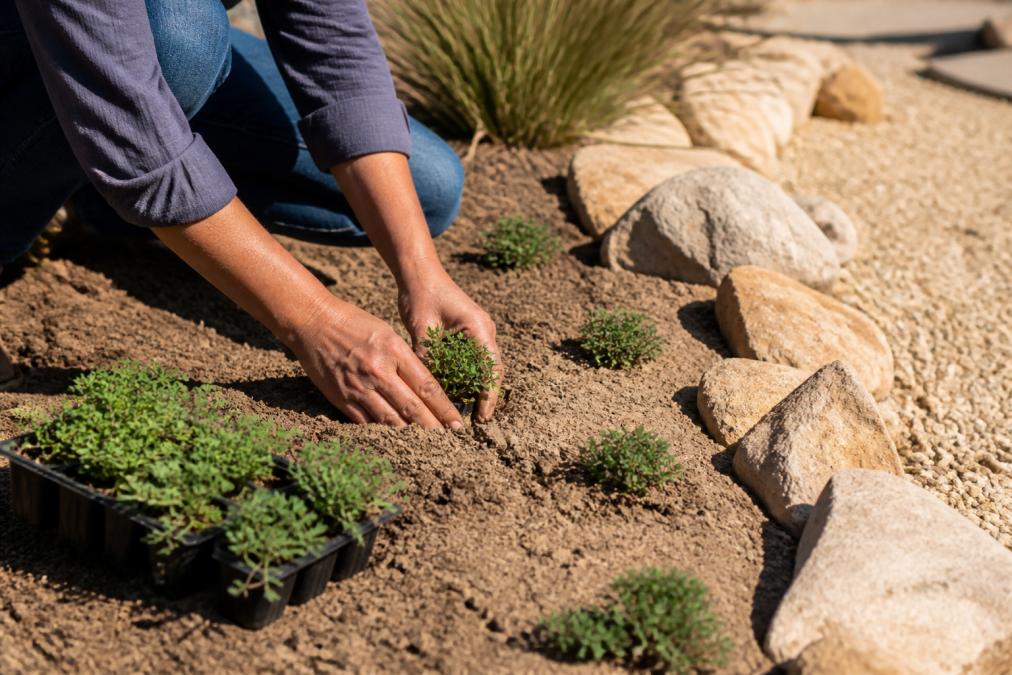
Drought-resistant ground cover plants are low-growing species that survive on rainfall alone once established, making them a practical replacement for thirsty turf. Most need little to no supplemental irrigation after the first growing season.
Clover, Thyme, and Blue Star Creeper
Clover fixes nitrogen in the soil, which means less fertilizer over time. It stays green on a fraction of the water traditional turf demands, though it won’t survive heavy foot traffic.
Buffalograss and Fine Fescue
Buffalograss is native to North American prairies and needs minimal mowing. It’s an excellent fit for arid climates, but it thins out under heavy use.
Synthetic Turf for Residential Landscapes: A Year-Round Option
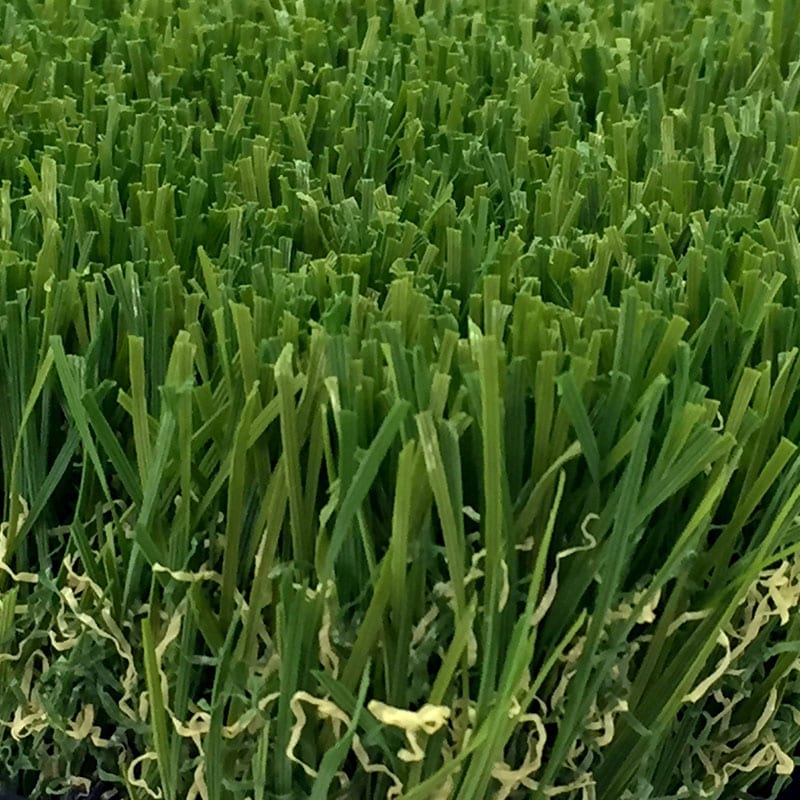
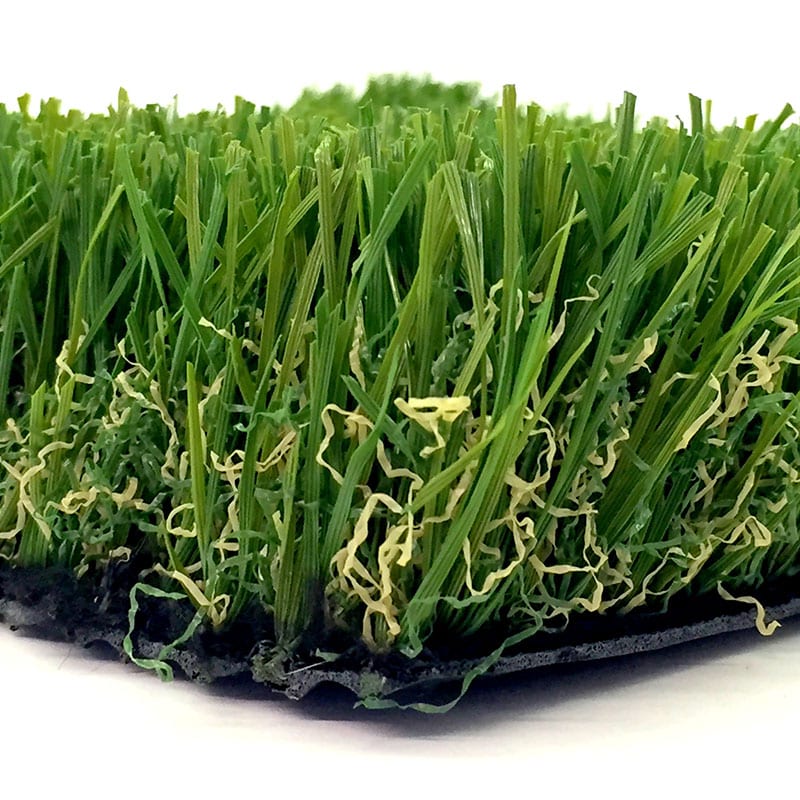
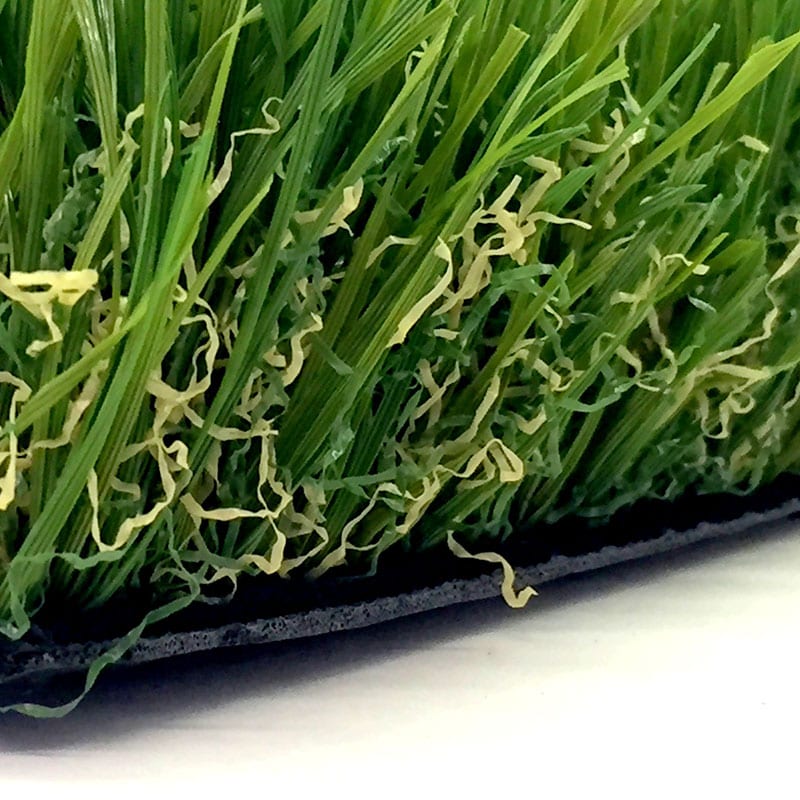
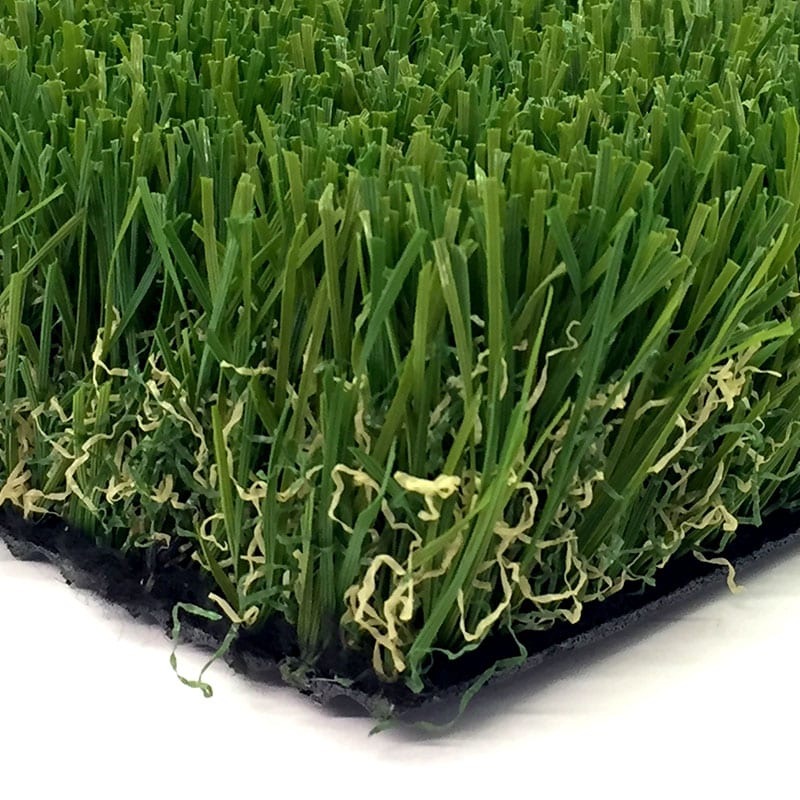
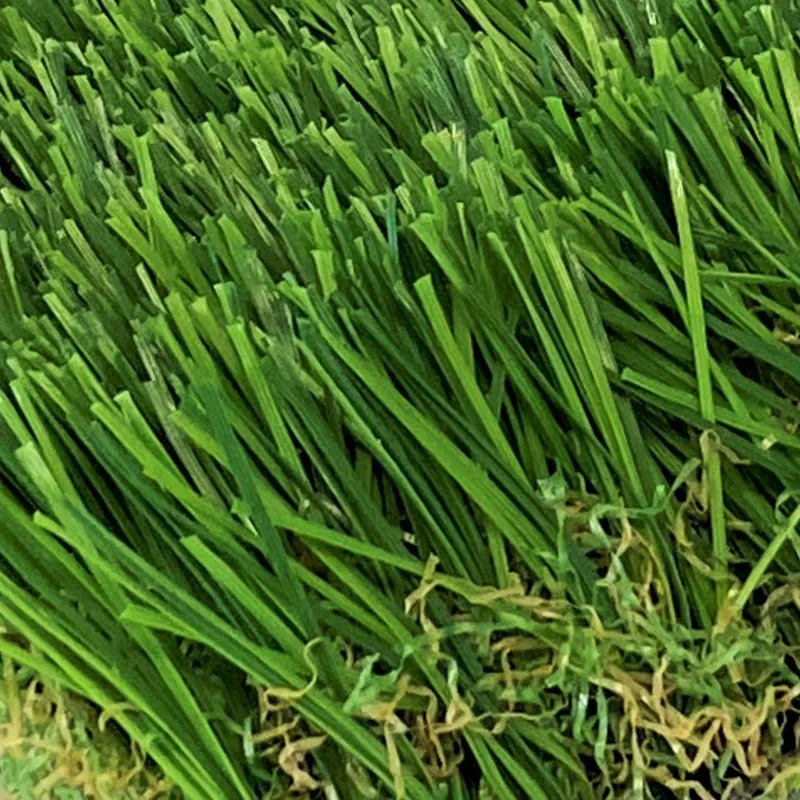
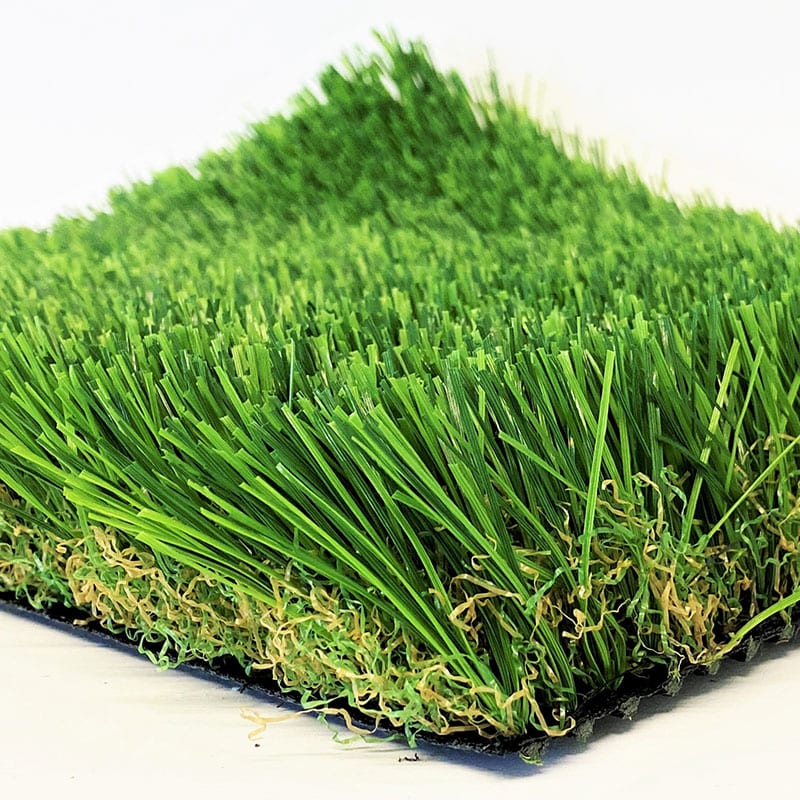
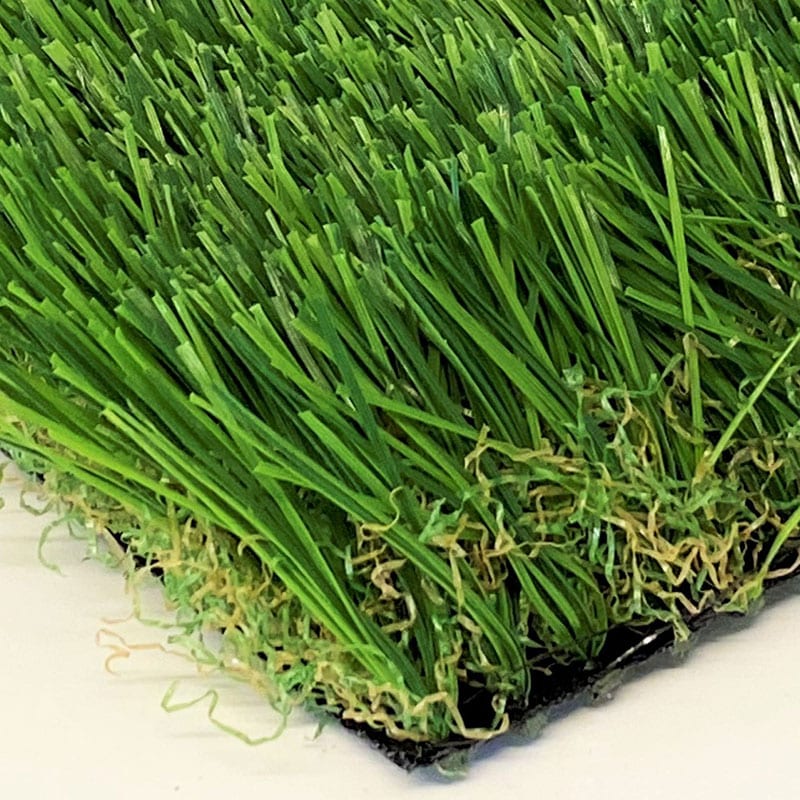
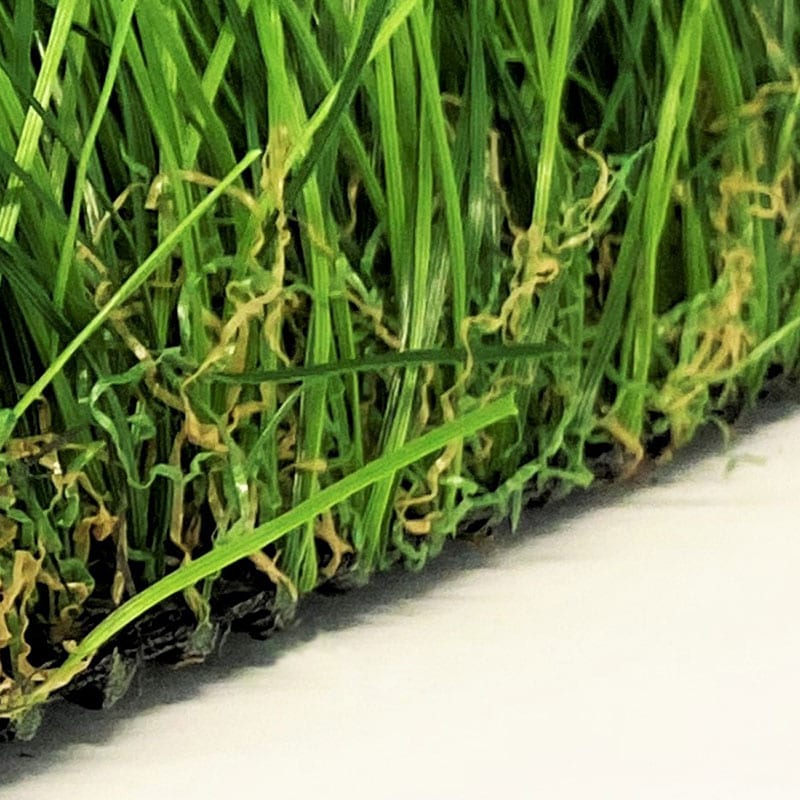
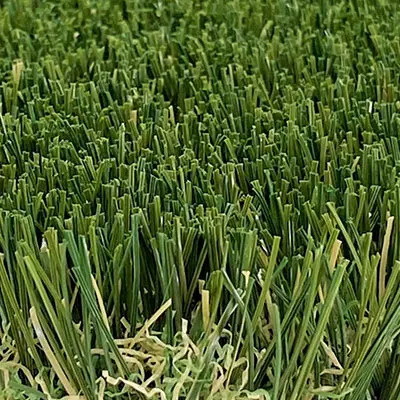
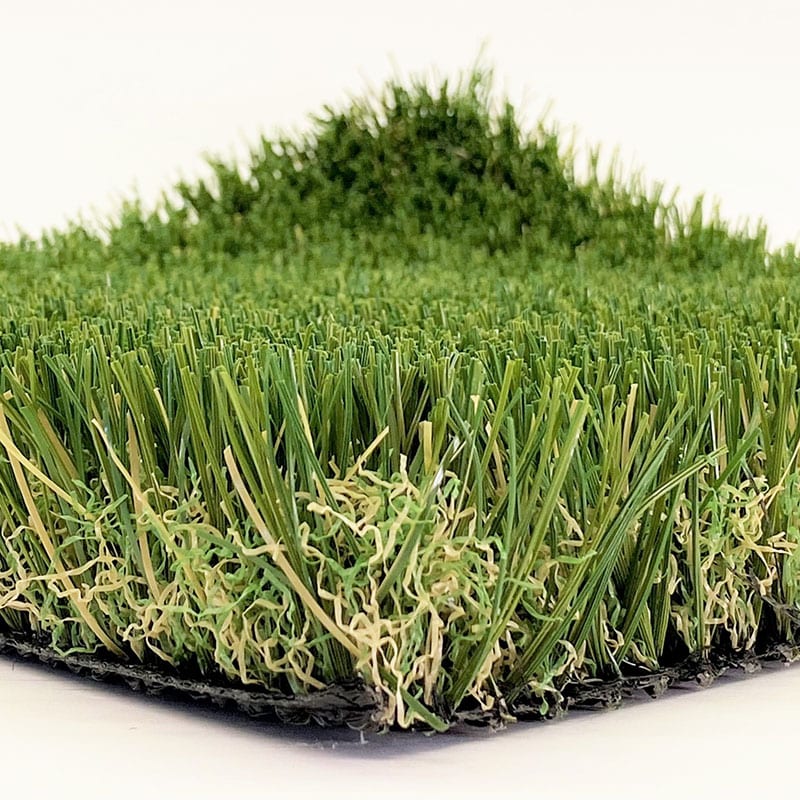
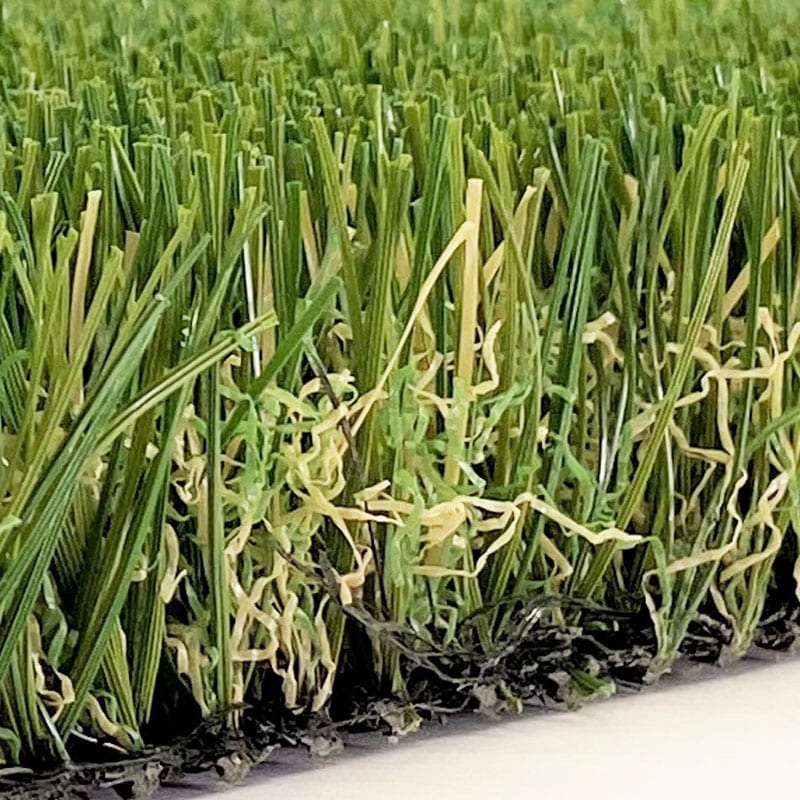
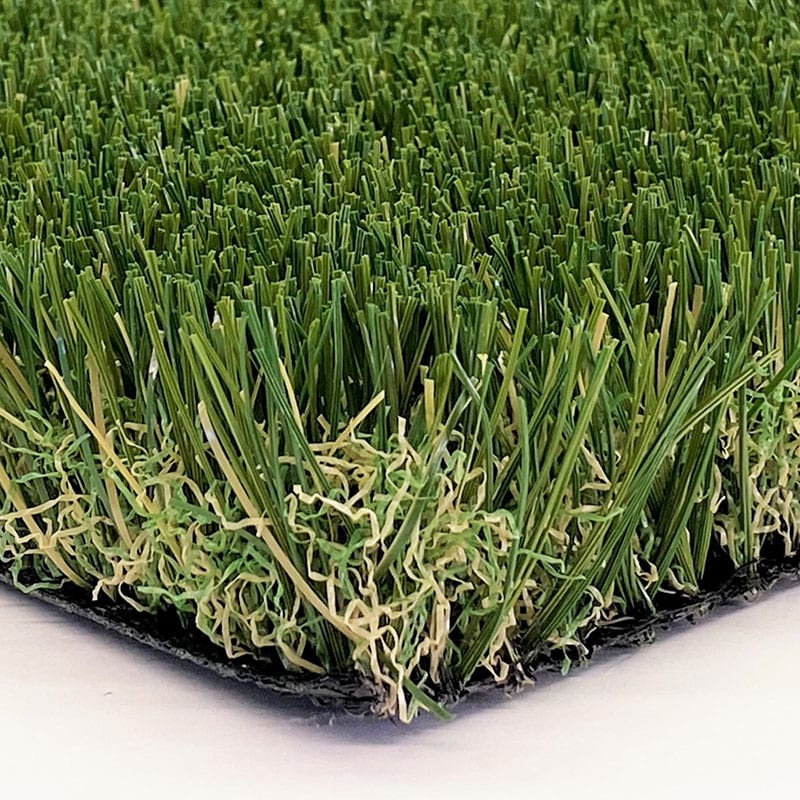
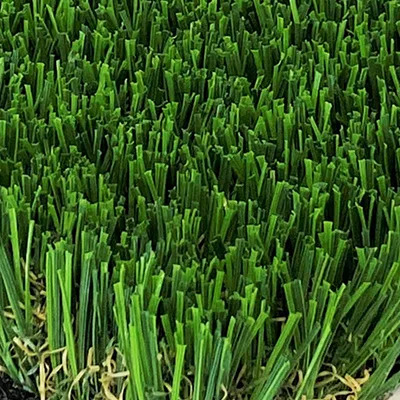
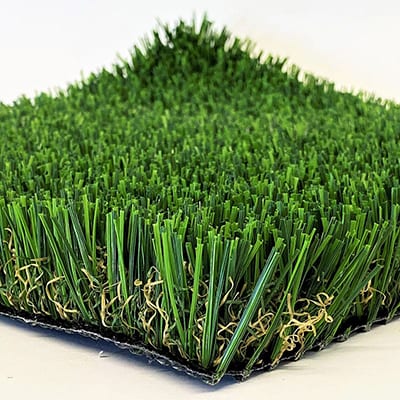
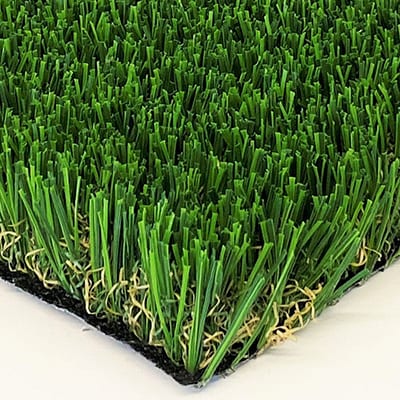
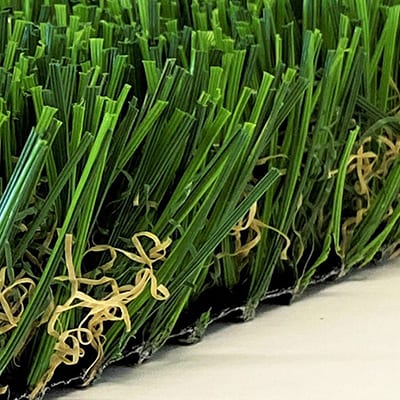
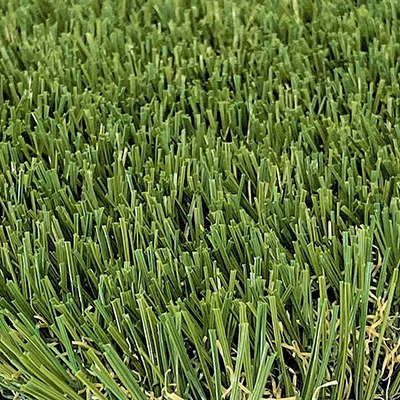
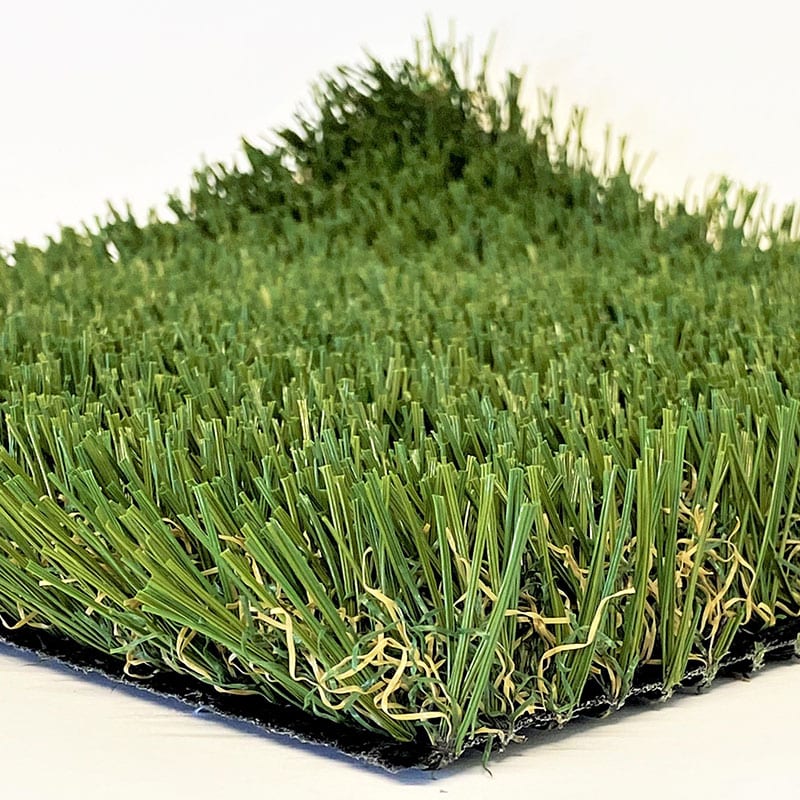
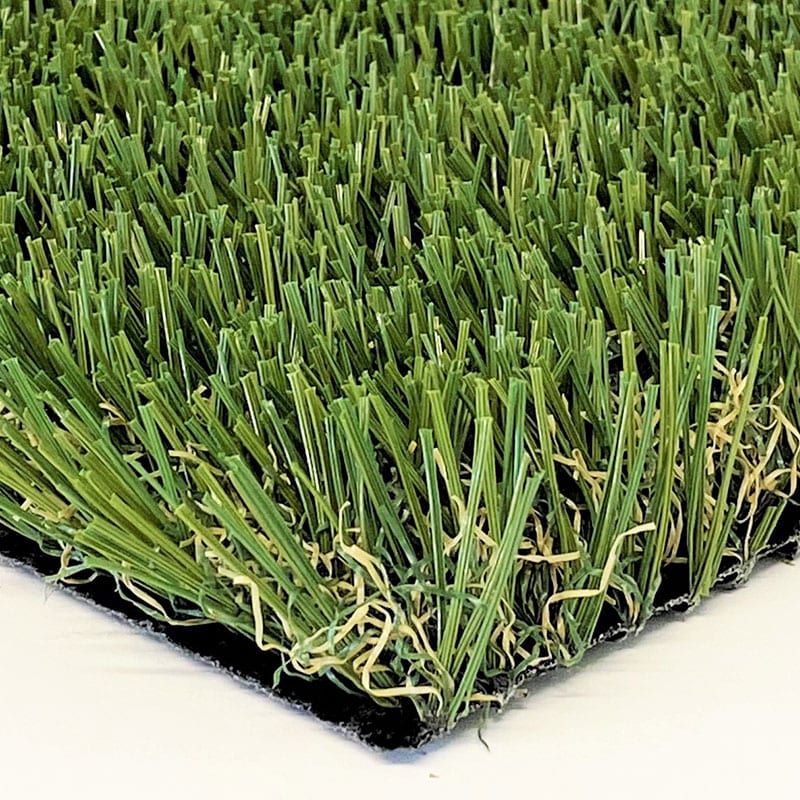
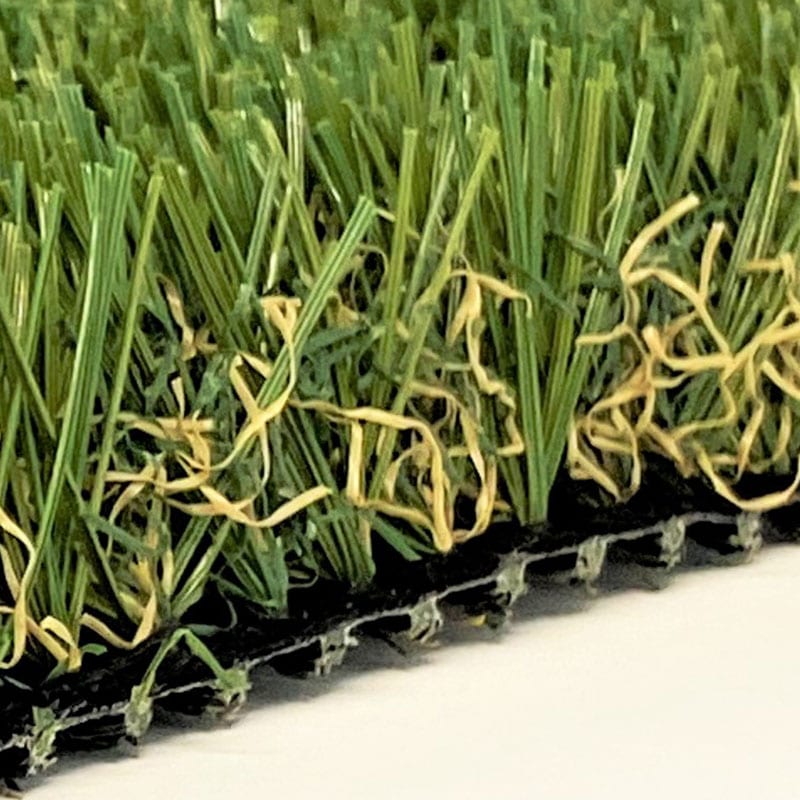
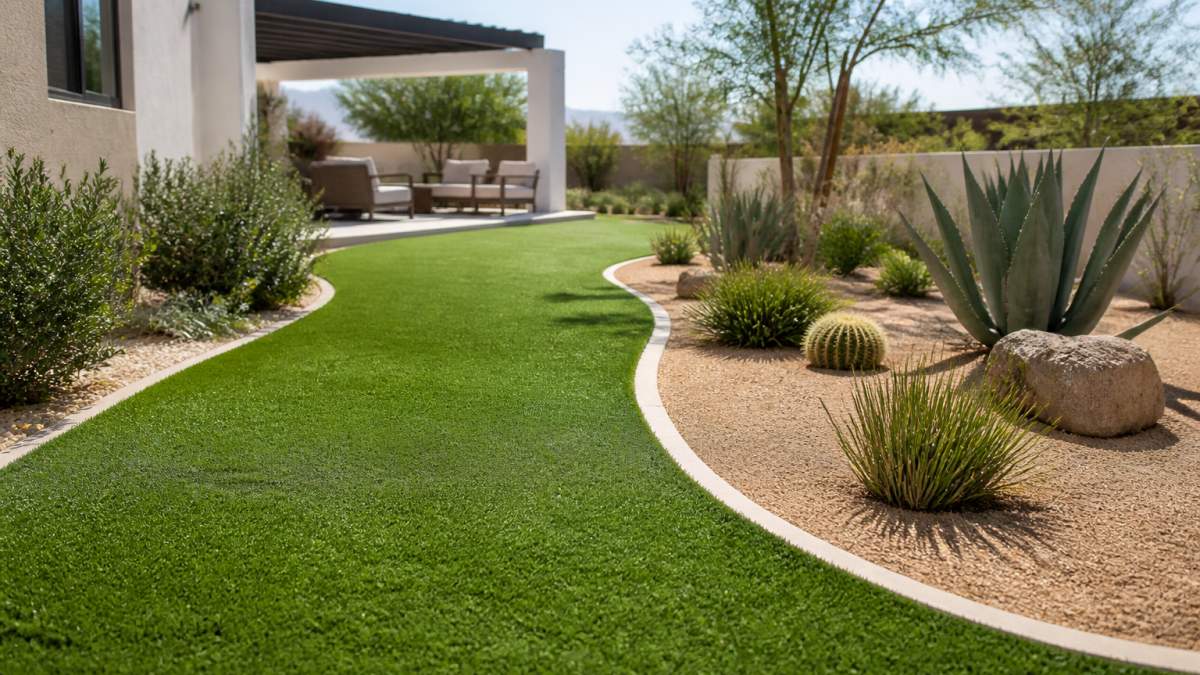
Synthetic turf for residential landscapes is a manufactured grass surface that stays green year-round without water, mowing, or fertilizer. It’s the only option on this list that holds up to heavy daily use from pets and children.
Hardscape and Rock Mulch: Zero-Water Landscaping Alternatives
Hardscape and rock mulch eliminate irrigation entirely by replacing planted ground with gravel, stone, or permeable pavers. These surfaces never need water, mowing, or fertilizer, and they hold up to the heaviest foot traffic.
The 5-Year Cost-Benefit Analysis: Natural Grass vs. Alternatives
Most guides tell you synthetic turf costs more upfront and less later. Almost none show the arithmetic. Here is the framework to run your own five-year comparison, plus the cost categories that actually move the number.
The five cost buckets to compare
Every surface carries some mix of these. Build a simple spreadsheet with one column per option and one row per bucket:
- Installation, materials plus labor. Seed is cheapest, sod is mid, synthetic turf and hardscape are highest.
- Water, the single biggest variable in a dry climate. Estimate gallons per square foot per year, then multiply by your utility’s tiered rate.
- Maintenance labor and inputs, mowing, edging, fertilizing, weed control, aeration, and repairs. Track hours, not just dollars, because your time has value.
- Replacement and refresh, overseeding bare spots, replanting worn ground cover, topping off rock mulch, or replacing turf infill.
- End-of-life, removal and disposal. Hardscape and turf both carry a disposal cost that seed and ground cover do not.
Why water dominates the dry-climate math
In a dry climate, irrigation is the line item that separates options. A conventional cool-season lawn can require roughly 1 to 1.5 inches of water per week during peak summer to stay green, and in arid regions, that often means irrigating well beyond what rainfall provides. Warm-season grasses and drought-adapted ground covers cut that demand substantially once established, and hardscape and synthetic turf drop it to zero.
A common pattern, not a promise
Most practitioners find the break-even between synthetic turf and a maintained natural lawn lands somewhere in the middle of the five-year window, earlier in high-water-cost areas, later where water is cheap. Hardscape typically breaks even later because of the higher installation cost, but its ongoing expense is close to zero. Ground covers break even fastest on water but can carry replanting costs in high-traffic zones.
Do not compare sticker prices. Compare five-year totals across installation, water, maintenance, replacement, and disposal. Water is usually the deciding row.
What to watch for in year five
- Turf: infill top-off and any seam or edge repairs.
- Hardscape: weed pressure in joints and mulch settling.
- Ground cover: bare patches from foot traffic or pet use.
- Natural grass: cumulative water, fertilizer, and disease repair.
Run the numbers with your own utility bill and square footage before you commit. The answer changes block by block.
HOA Compliance and Step-by-Step Conversion Process
This is the section most guides skip, and it is the one that stops projects cold. Two things derail conversions: an association that rejects the plan after installation, and a removal job done badly enough that the new surface fails. Handle both before you buy a single plug or paver.
Navigating HOA rules and local ordinances
Many associations restrict artificial turf, hardscape coverage, and even lawn removal. Some require a minimum percentage of live plant material. Others ban synthetic turf outright or limit it to rear yards. Read your covenants, conditions, and restrictions (CC&Rs) before you spend anything.
A practical sequence:
- Request the landscaping guidelines in writing. Ask the board or property manager for the current architectural rules, not a verbal summary.
- Check local ordinances too. Some municipalities and water districts regulate turf removal, stormwater runoff, and permeable surface percentages. Your city or county planning office can confirm what applies.
- Submit a complete plan. Include materials, colors, drainage, plant list, and a site diagram. Incomplete submittals are the most common reason for delay.
- Get written approval before breaking ground. Keep the approval letter on file.
Installing without written approval can force you to remove a finished surface at your own cost. Get the approval letter first, every time.
How to remove your lawn without heavy chemicals
You do not need to blanket the yard in herbicide. Three removal methods work, and each fits a different timeline:
- Solarization (sheet mulching): Mow low, water thoroughly, then cover with clear plastic weighted at the edges for several weeks of hot sun. Soil heat kills most turf and weed seed. Best in peak summer.
- Smothering: Lay cardboard or several layers of newspaper, overlap the seams, and top with 3 to 4 inches of mulch or compost. Works over a full season and builds soil.
- Mechanical stripping: A sod cutter removes turf and roots in one pass. Fastest, but it strips topsoil and requires disposal.
The full conversion sequence
- Confirm HOA approval and any required permits.
- Remove existing turf using solarization, smothering, or a sod cutter.
- Test soil drainage with a simple percolation test, dig a hole, fill it with water, and time how fast it drains.
- Grade the surface so water moves away from structures.
- Amend or compact the base, depending on your chosen surface. Ground covers want loose, amended soil; turf and pavers want a compacted, stable base.
- Install edging to separate zones and contain materials.
- Lay your new surface: seed, plugs, turf, or hardscape.
- Water ground covers through establishment, then taper off as roots deepen.
Timing matters
In dry climates, plant ground covers in fall or early spring so roots establish before summer heat. Install synthetic turf and hardscape in mild weather to avoid heat stress on crews and materials. Removal is easiest when soil is workable, not bone-dry, not saturated.
Photograph each stage of the conversion. It documents your work for the HOA, helps with any warranty claim, and gives you a record of where drainage and utilities run.
Pet-Friendly and Kid-Safe Ground Covers for Dry Climates
Pet-friendly ground covers need to survive digging, running, and urine without turning into mud. That rules out most delicate options.
Frequently Asked Questions
What is the most drought-tolerant alternative to grass?
Buffalograss is among the most drought-tolerant living options. It is a native, warm-season grass that needs far less water than traditional turf. For a non-living surface, synthetic turf requires zero water and stays green year-round. Hardscape options like gravel or permeable pavers also use no water. The best choice depends on whether you want a walkable surface, a planted look, or a permanent hardscape.
Is modern synthetic turf considered an environmentally friendly option?
Synthetic turf saves water, eliminates fertilizer and pesticide use, and reduces emissions from mowing. Southern Artificial Turf products meet or exceed EPA standards for RCRA hazardous waste heavy metals, including lead. The main environmental trade-off is end-of-life disposal, though recycling programs are expanding. For dry climates where water conservation is critical, synthetic turf offers a net environmental benefit over natural grass.
How do xeriscaping principles reduce water usage in residential landscapes?
Xeriscaping replaces thirsty turf with drought-tolerant plants, native species, and hardscape materials. It also improves soil drainage and uses mulch to retain moisture. These principles can cut outdoor water use by 50% or more compared to a traditional lawn. In dry climates, xeriscaping is often the most effective way to lower utility bills while maintaining curb appeal.
What ground covers thrive in rocky, dry soil conditions?
Creeping thyme, blue star creeper, and clover all perform well in rocky, dry soil once established. Native ground covers adapted to your region are also strong choices. For a non-plant option, rock mulch and gravel require no soil preparation and suppress weeds. If you want a green surface, synthetic turf can be installed over a compacted base and handles poor soil conditions without issue.
Will my HOA allow a grass alternative like synthetic turf or xeriscaping?
HOA rules vary widely. Many HOAs now permit synthetic turf and xeriscaping, especially in drought-prone states where water restrictions are common. Check your HOA’s governing documents for landscaping clauses. Some states have laws limiting HOA restrictions on drought-tolerant landscaping. Get written approval before installing anything, and keep documentation of the materials you plan to use.
Choosing the right surface comes down to how you actually use your yard. If you need a surface that survives pets, kids, and Southern summers without constant work, Southern Artificial Turf is built for exactly that: quad-color technology for a natural look, 30-inches-per-hour drainage to beat the mud, and an 8-year warranty behind it. Get a quote from Southern Artificial Turf and put the mower away for good.