
Last Updated: October 26, 2026
Quick Summary
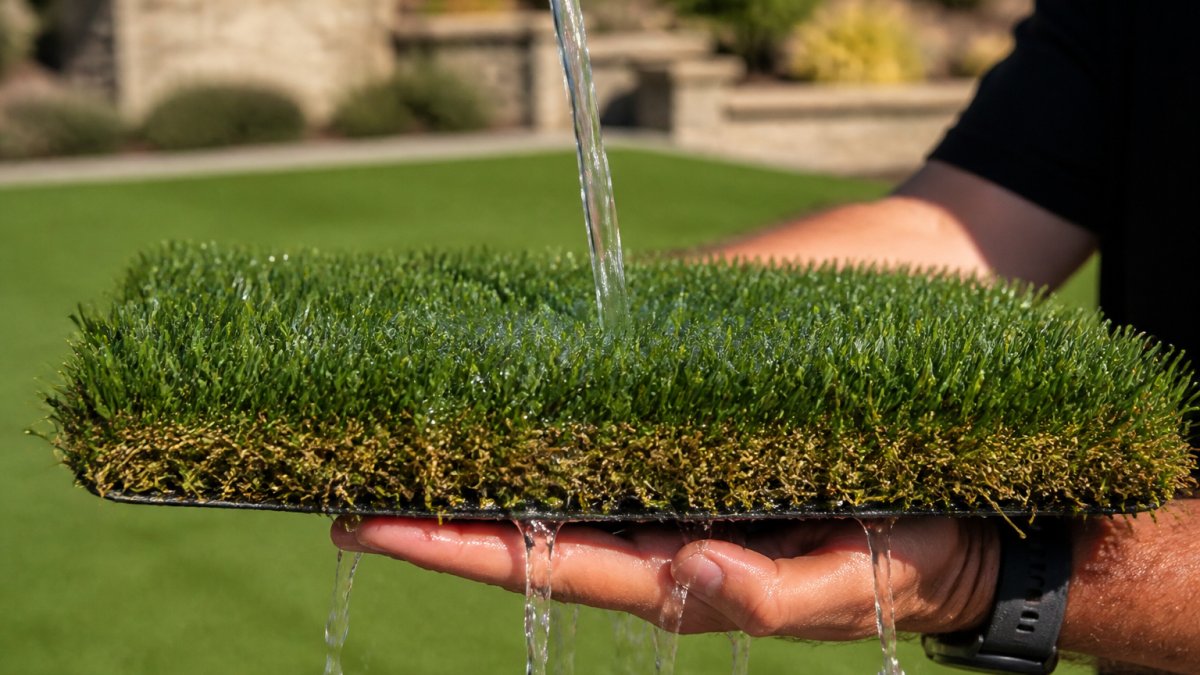
Hydrochill technology cools synthetic lawns through evaporative cooling: water stored in a moisture-retaining infill evaporates and pulls heat away from the surface. Hydrate the infill before the hottest part of the day and let evaporation do the work, keeping the lawn closer to comfortable for barefoot play and pets.
- Pre-cool the infill in late morning rather than soaking it at midday.
- In dry, breezy, full-sun conditions a hydrated lawn may lose its cooling edge within a day.
- A cooling lawn uses a fraction of the water a natural grass lawn needs to stay green.
- Cooling infill offers meaningful cooling when hydrated, while sand and silica contribute minimal cooling.
- Overwatering a moisture-retaining infill can leave it soggy and invite odor problems in pet areas.
Table of Contents
- What HydroChill Technology Does for a Synthetic Lawn
- Cooling Infill for Artificial Grass: How Moisture-Activated Cooling Works
- Artificial Turf Temperature in Hot Weather: What to Expect
- How to Cool Artificial Turf: Watering Schedules and Cooling Duration
- HydroChill vs Standard Infill: Sand, Silica, and Cooling Performance
- Water Use, Costs, and Lifespan: The Trade-Offs Nobody Mentions
- Get a Quote on a Cooler Synthetic Lawn
- Frequently Asked Questions
What HydroChill Technology Does for a Synthetic Lawn
The benefits of hydrochill technology for synthetic lawns come down to one physical principle. Water evaporating from a surface pulls heat away from it. Your skin works the same way on a hot day.
Cooling Infill for Artificial Grass: How Moisture-Activated Cooling Works
Watch out: overwatering a moisture-retaining infill can leave the surface soggy and slow to dry, which invites odor problems in pet areas. Follow the manufacturer’s hydration guidance rather than soaking it daily.
Artificial Turf Temperature in Hot Weather: What to Expect
Artificial turf temperature in hot weather routinely climbs well above air temperature on a sunny afternoon, and the gap widens with direct sun exposure and low humidity. Untreated synthetic lawns can become uncomfortable underfoot during peak afternoon hours, which is the core problem cooling infill addresses.
How to read a temperature claim
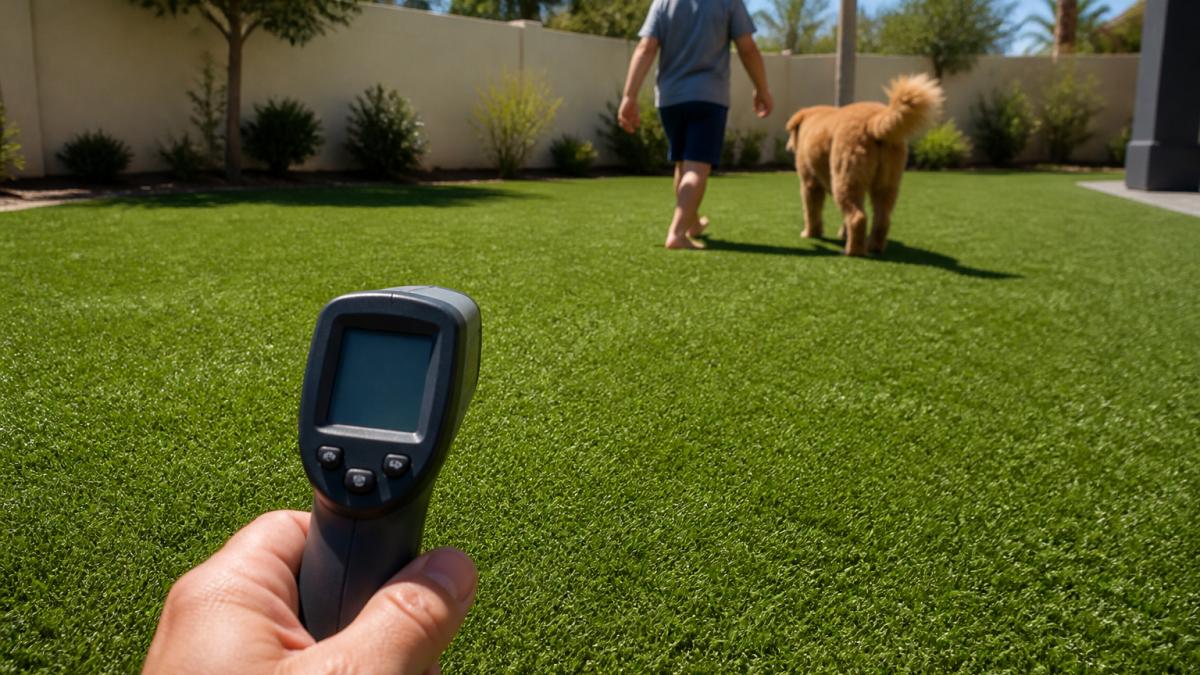
A practical way to interpret any claim: ask whether the reduction was measured on hydrated or dry infill, in full sun or shade, and with an infrared gun or a probe. A 50°F reduction on a saturated lawn at peak sun is a best-case data point, not a daily expectation.
What you should realistically expect
For households with kids and dogs, this is where the practical value shows up. A surface that stays closer to comfortable makes barefoot play and pet time far more pleasant in July and August, provided you hydrate it and time outdoor activity sensibly.
How to Cool Artificial Turf: Watering Schedules and Cooling Duration
The short answer to how to cool artificial turf is to hydrate the infill before the hottest part of the day, then let evaporation do the work. Timing beats volume, and the amount of water involved is smaller than most homeowners expect.
A workable hydration routine
- Pre-cool in late morning. A short watering before peak sun gives the infill moisture to release during the hottest hours.
- Skip midday soaking. Water evaporates fast at peak heat and does less good than an earlier application.
- Lean on rainfall. Summer storms do much of the work for you. Check that your infill is actually retaining that rain rather than shedding it.
- Rehydrate after dry spells. Extended dry weather drains stored moisture. A quick pass restores the cooling cycle.
How much water are we talking about?
The honest comparison is this: a cooling lawn uses some water, but it is a fraction of what a natural grass lawn of the same size demands to stay green through summer. You are trading a small, controlled amount of irrigation for a cooler surface, not recreating a natural lawn’s water bill.
Cooling duration by climate
A reasonable expectation: in dry, breezy, full-sun conditions, a hydrated lawn may lose its cooling edge within a day. In humid, still, partially shaded conditions, the effect can persist longer but at a lower intensity. Neither pattern is a failure, they are the physics of evaporative cooling.
Water restrictions and runoff
For a fuller seasonal routine, our artificial turf maintenance tips cover hot-weather care beyond just watering.
HydroChill vs Standard Infill: Sand, Silica, and Cooling Performance
| Infill Type | Water Behavior | Cooling Contribution | Best For |
|---|---|---|---|
| Washed sand | Drains fast | Minimal | Basic fiber support |
| Silica sand | Drains fast, denser | Minimal | Heavier traffic areas |
| Crumb rubber | Moderate retention | Some, but heats up itself | Sports fields |
| Cooling infill | High retention | Meaningful when hydrated | Hot, sunny lawns |
Water Use, Costs, and Lifespan: The Trade-Offs Nobody Mentions
If water savings are a priority, our guide to saving water with artificial turf covers broader strategies that work alongside cooling infill.
Get a Quote on a Cooler Synthetic Lawn
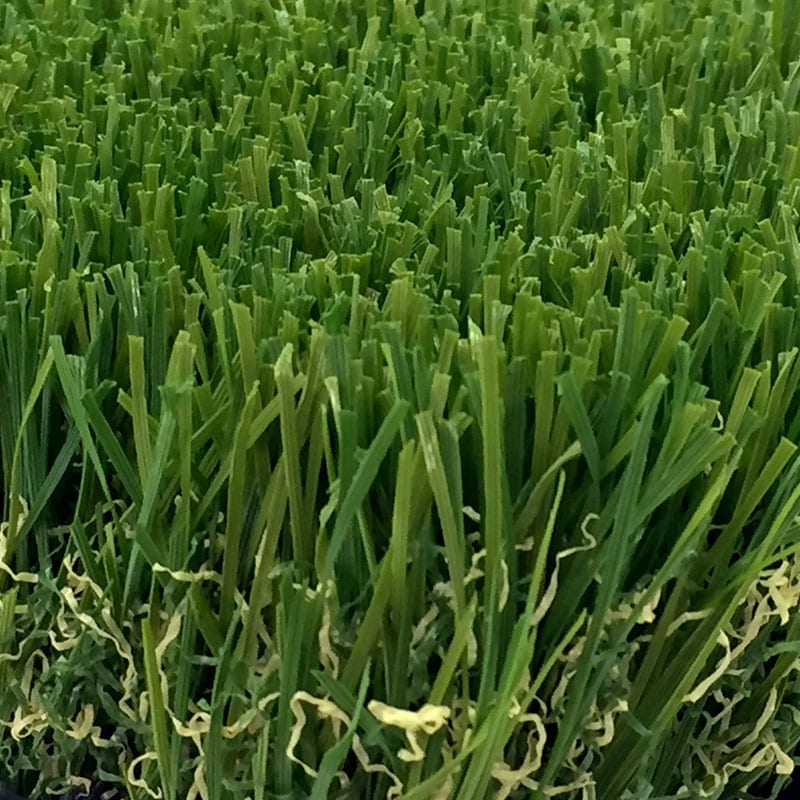
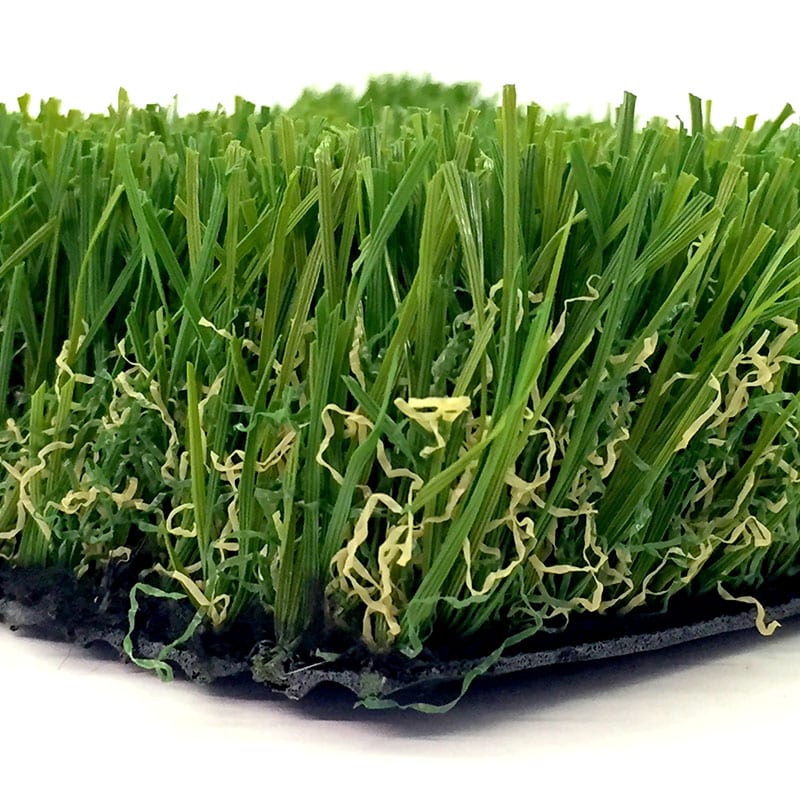
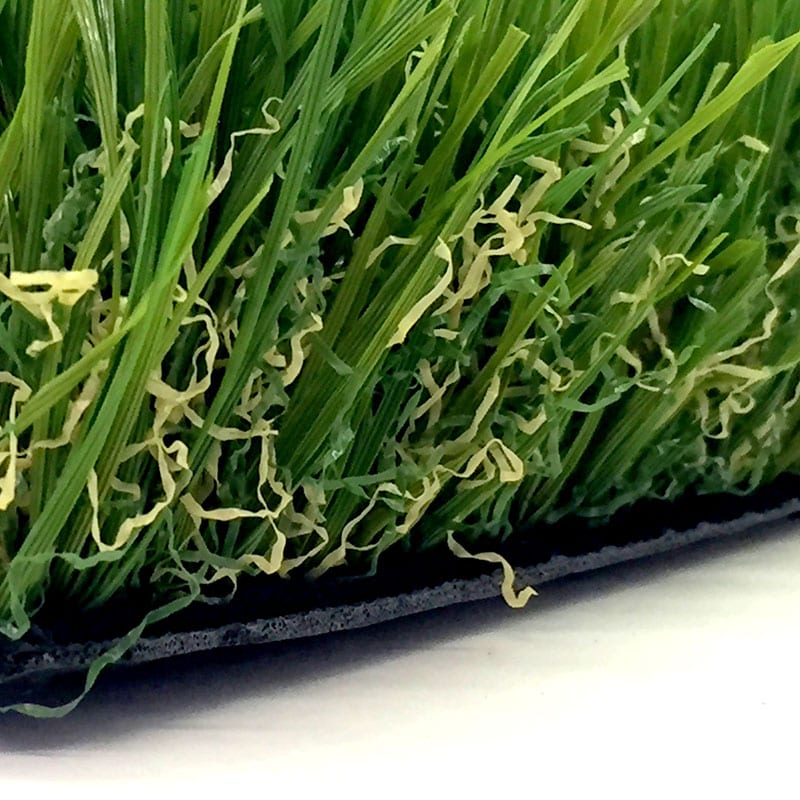
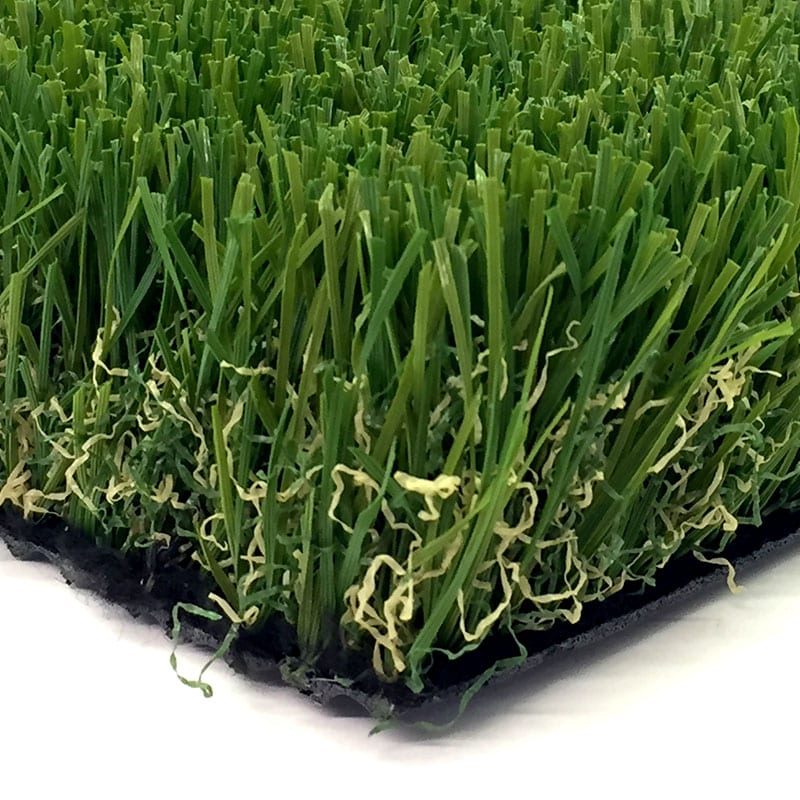
At Southern Artificial Turf, our installations use quad-color technology and 100% non-abrasive polyethylene fiber. Our turf moves water at 30 inches per hour. Every install carries an 8-year warranty, and our materials meet or exceed EPA standards for RCRA hazardous waste heavy metals, including lead.
Get a quote. Before you do, browse our project gallery to see real installed lawns.
Frequently Asked Questions
How much cooler can artificial turf be with HydroChill technology?
Manufacturer claims and installer reports put the surface temperature reduction at roughly 30 to 50°F when the infill is fully hydrated, compared with dry synthetic turf on the same day. The range is wide because results depend on sun exposure, air temperature, humidity, and how recently the lawn was watered. Expect the biggest drop in dry, sunny conditions and a smaller drop in humid weather where evaporation slows. Treat 30 to 50°F as the best case, and check surface temperature with an infrared thermometer before letting kids or pets out on a hot afternoon.
Does HydroChill infill need to be watered to work, or does rainfall and dew do the job?
The cooling effect is moisture-activated, so the infill needs water to function. Rainfall and overnight dew recharge it in many climates, but during a dry stretch you will need to water the lawn yourself. A short irrigation cycle in the morning, before the sun is strongest, gives the best evaporative cooling through the afternoon. If you are figuring out how to cool artificial turf in a hot, dry region, plan on routine watering rather than relying on the weather.
How long does the cooling effect last after watering?
Cooling duration varies by climate. In humid conditions the moisture lingers and the effect can hold for days to a week or more, while in dry heat with strong sun and wind it may fade within a day or two. Watering in the early morning extends the window. The infill keeps working as long as it can hold moisture, so recharging it is a maintenance habit rather than a one-time treatment.
Is HydroChill worth the extra cost compared with standard sand infill?
Cooling infill costs more than a basic silica sand infill, and pricing depends on lawn size, infill depth, and installation details, so ask Southern Artificial Turf for a current quote. The value case rests on comfort: a cooler surface is easier on bare feet, pets, and kids, and it reduces heat stress on the turf fibers. If your lawn sits in full sun and gets heavy use in summer, the upgrade is easier to justify than on a shaded lawn that rarely gets hot.
A hot synthetic lawn is a solvable problem, but it takes the right infill and a realistic watering routine, not a marketing promise. If you want a surface your family can use barefoot through the summer, Southern Artificial Turf can help you spec it correctly. Get started with Southern Artificial Turf and get a lawn that stays comfortable, drains fast, and looks right for years.