
Last Updated: November 5, 2026
Quick Summary
Artificial grass disposal is possible through recycling, reuse, or landfill, but recycling depends on the turf’s backing, infill, and what recyclers near you accept. Separate the fibers, backing, and infill, then confirm a specific facility will take your turf before you cut anything.
- Turf fibers, backing, and infill are separate materials, each with its own disposal route.
- Keep turf separate from trash and yard waste, since mixed loads can be rejected.
- Sand infill can often be reused or recycled, while rubber infill should be kept separate.
- Call the facility to confirm it accepts turf, not just carpet, and whether infill must be removed first.
- Donating or reusing clean turf is often the most eco-friendly choice when it is still in good condition.
Table of Contents
- Can Artificial Grass Be Recycled?
- Step 1: Assess Your Turf’s Condition and Infill Type
- Step 2: Remove Turf and Separate the Components
- Step 3: Find and Verify a Local Artificial Grass Recycler
- Donating and Reusing Turf Instead of Disposing
- Landfill Disposal, Costs, and Regional Rules
- Book Your Turf Removal and Start Fresh With Southern Artificial Turf
- Frequently Asked Questions
Can Artificial Grass Be Recycled?
Artificial grass can be recycled, but not every product on every site gets recycled. Turf can often be taken apart and sent to a recycler rather than a landfill.
Many homeowners assume synthetic turf is impossible to recycle because it is plastic.
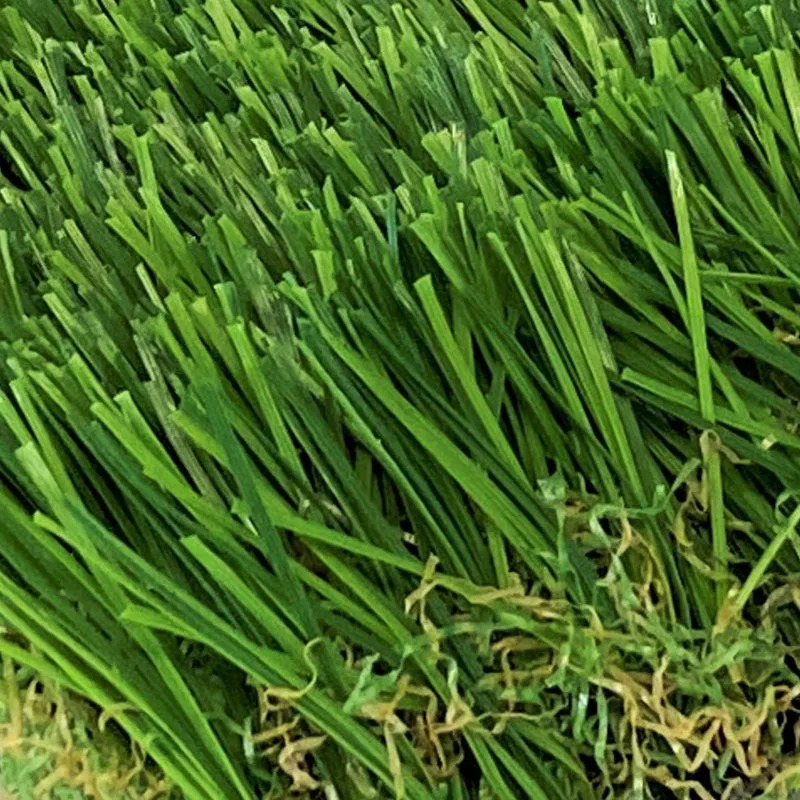
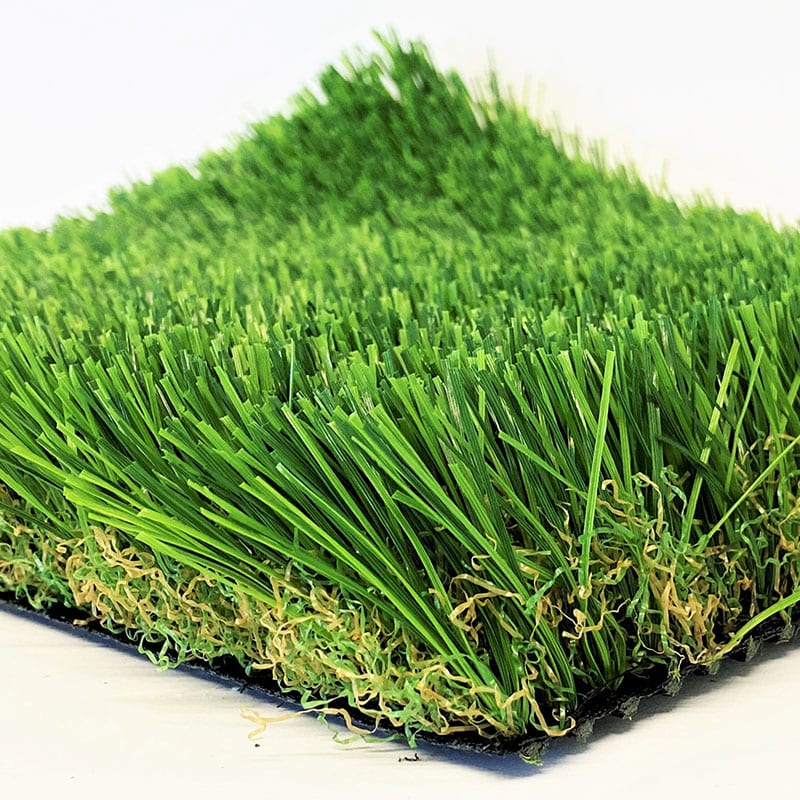
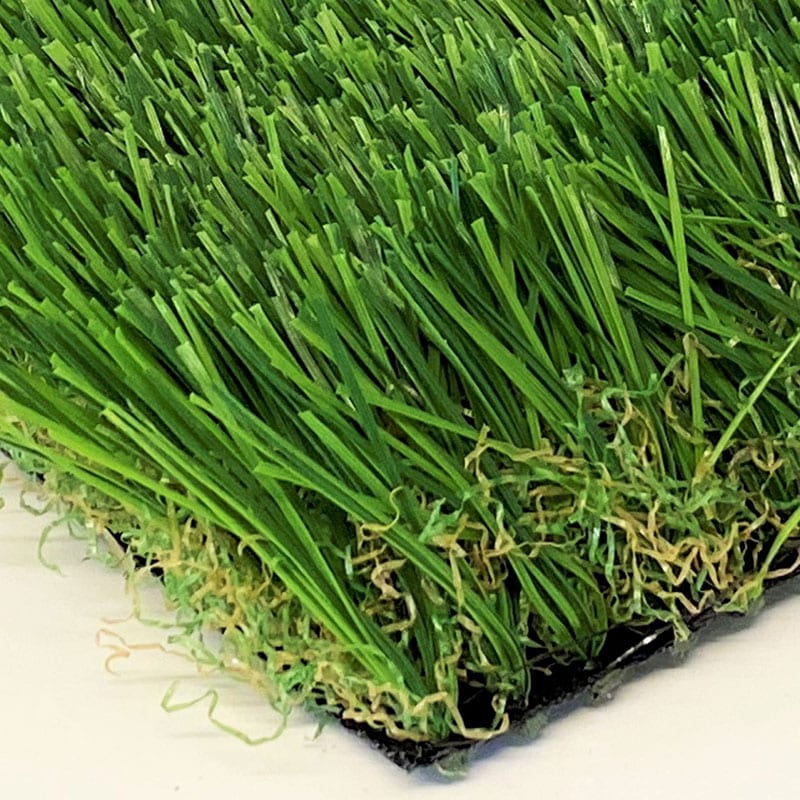
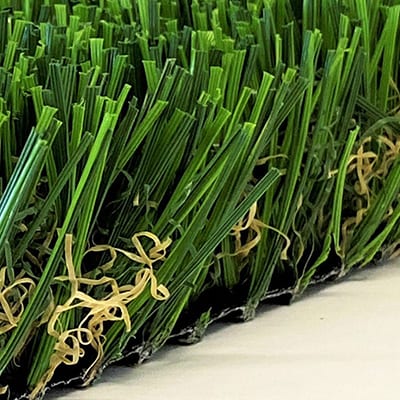
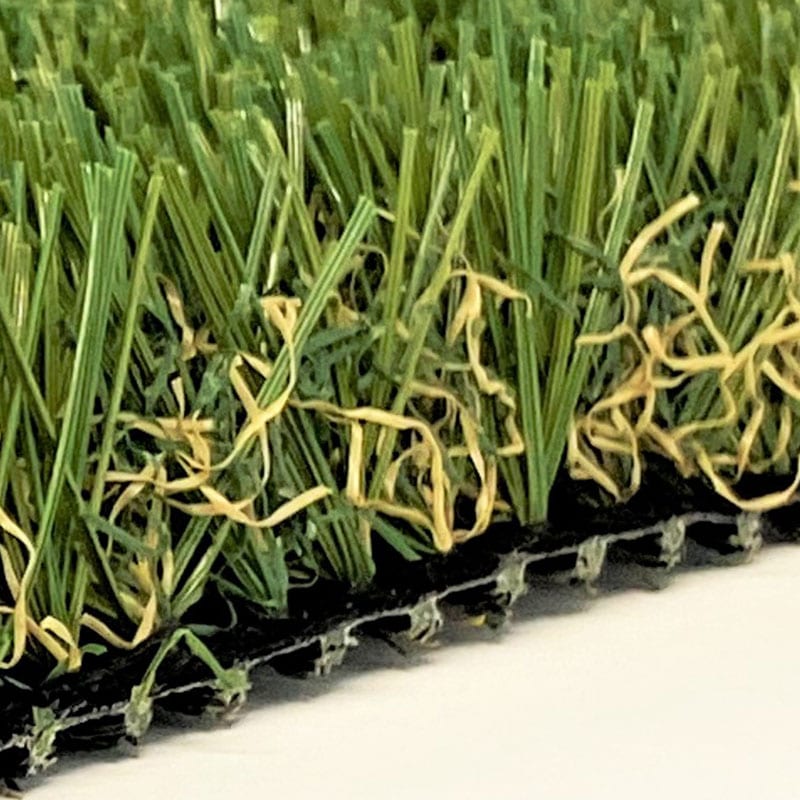
- Turf fibers are usually polyethylene or similar plastics
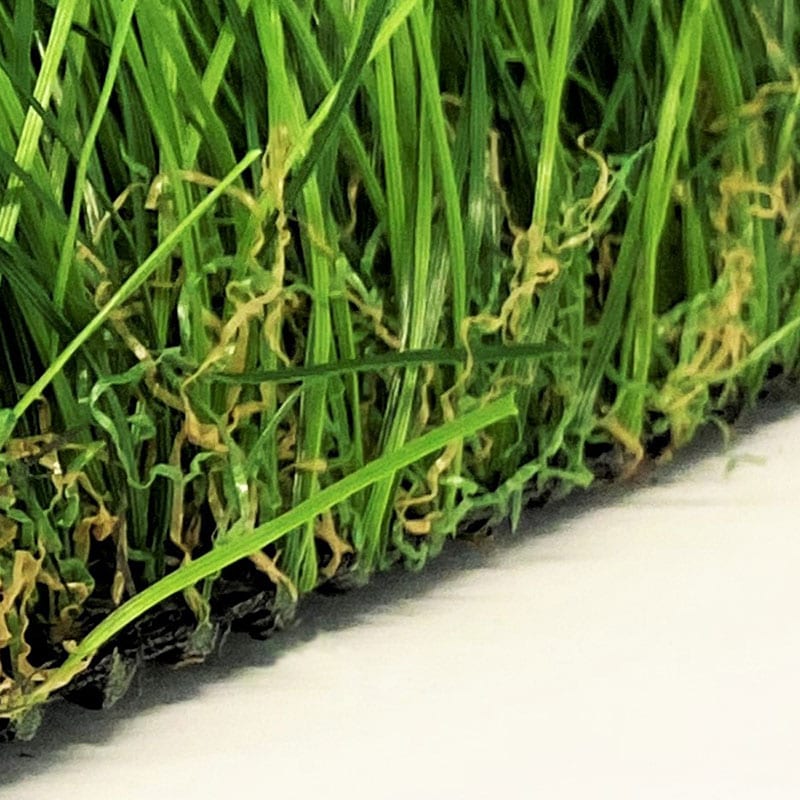
- Backing is often latex or polyurethane, sometimes with a woven layer
- Infill is typically sand, crumb rubber, or an organic mix
Watch out: Mixing turf with trash or yard waste can contaminate loads and make recycling harder or impossible. Keep the pieces separate from the start.
Step 1: Assess Your Turf’s Condition and Infill Type
Start by checking how old the turf is and how much wear it has. Turf that is torn, faded, or full of mold is harder to recycle than clean, intact sections.
Look at the surface and the base. Pull back a corner and check the backing. Test the infill by digging a small hole. If the infill is clean sand, it can often be reused or sent to a recycler.
- Note the turf’s approximate age and any visible damage
- Identify infill type: sand, rubber, or organic
- Check for pet waste, mold, or heavy staining
Step 2: Remove Turf and Separate the Components
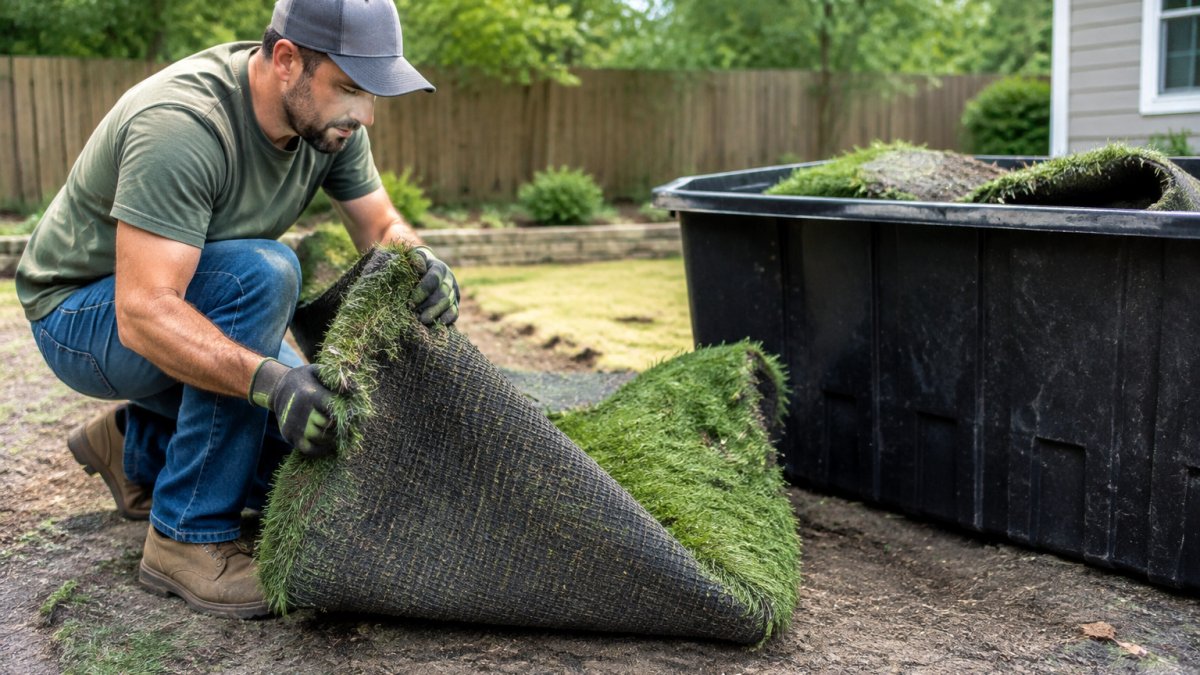
Cut the turf into manageable strips, roll them, and lift them out. Use a utility knife for cutting and clear loose infill before you roll anything up.
Once the turf is out, separate the backing from the fibers if you can. Some recyclers accept full rolls, while others want the components broken apart. Call your recycler first to find out which they prefer.
Removing Sand and Rubber Infill
Sand infill is the easier of the two. Sweep or vacuum it into a bag or bin, then sift out any turf fibers. Clean sand can often be reused in a garden bed or base layer.
Rubber infill needs more care. Shovel it into sealed containers so it does not spread. Crumb rubber is recyclable at specialized facilities, but it should never be mixed with sand, because contamination lowers its value.
- Sweep up loose infill before rolling turf
- Bag sand separately from rubber
- Keep rubber dry and sealed until it is picked up
Step 3: Find and Verify a Local Artificial Grass Recycler
Most turf never gets recycled because the homeowner cannot find a facility that will actually take it, not because recycling is impossible. Treat this step as a verification process, not a search. The goal of artificial grass disposal planning is to confirm, before you cut anything, that a specific facility will accept your specific turf in its specific condition.
Where to look, in order
- Your state’s solid waste or environmental agency website. Many publish a materials-recycling directory that lists construction and demolition (C&D) debris facilities, which is the category synthetic turf usually falls under. Search the agency site for “C&D recycling” or “construction debris directory.”
- Your county or municipal solid waste department. Call and ask directly: “Do you know of any facility in the region that accepts artificial turf and infill?” Staff often know which local operations take carpet or turf even when it is not advertised online.
- Carpet and flooring recyclers. Synthetic turf shares materials with carpet (polyethylene or polypropylene fibers, latex or polyurethane backing), so carpet reclaimers are the most common realistic acceptor. Ask whether they take turf and what they require.
- Turf installers and landscape supply yards. Even if they do not recycle, they usually know who does, and some take old turf back when they install new material.
- National recycling locators. Use a directory such as Earth911’s recycling search or your state’s C&D directory, then verify by phone, directories go stale.
The verification call: questions that decide whether it works
Do not rely on a website listing. Call and get answers to these before you load a truck:
- Do you accept synthetic turf specifically, or only carpet? Turf with attached backing and infill is a different feed stream.
- Which turf types do you take? Ask about polyethylene vs. polypropylene fibers, and latex vs. polyurethane backing. Some facilities take one and reject the other.
- Must the infill be removed before drop-off? This is the single biggest determinant of your labor. Some facilities require clean turf with no sand or rubber; others accept it and charge for separation.
Watch out: A facility that advertises “turf recycling” but cannot tell you what happens to the material after drop-off may simply be a transfer station. Ask the downstream question before you pay.
If no local recycler exists
Many regions have no turf recycler within a reasonable haul. In that case, your realistic options are, in order of preference: reuse or donation (see the next section), a C&D facility that accepts turf for processing, or landfill as a last resort.
- Confirm the facility accepts turf, not just carpet
- Ask whether infill must be removed first
- Get fees and minimum loads in writing
Before you cut anything, confirm that a specific facility will accept your specific turf. These are the questions that decide whether recycling works.
| Question to ask | Why it matters | Watch for |
|---|---|---|
| Do you accept synthetic turf or only carpet? | Turf is a different feed stream | Carpet-only acceptance |
| Must infill be removed first? | Biggest factor in your labor | Sand or rubber still attached |
| What contamination disqualifies a load? | One bad roll can reject the load | Pet waste, mold, soil, mixed trash |
| Pickup or drop-off only? | Affects scheduling and effort | Minimum load size for pickup |
| Are fees per pound, roll, or load? | Prevents surprises at the gate | Fees that change at the gate |
| What happens to the material downstream? | Shows whether it is really recycled | Transfer station with no outlet |
| Can you provide recycling documentation? | Needed to back up environmental claims | No weight ticket or certificate |
Donating and Reusing Turf Instead of Disposing
If your turf is still in good condition, donating or reusing it is often the most eco-friendly choice. Schools, community gardens, animal shelters, and local nonprofits sometimes accept clean turf for play areas, dog runs, or planters.
Reuse at home is also an option. Turf pieces can line garden paths, cover a shed floor, or serve as a temporary patio base. Reusing material keeps it out of the waste stream longer.
Landfill Disposal, Costs, and Regional Rules
Landfill is the fallback, not the default, but it is also the option most homeowners end up using, so it deserves a clear-eyed look at cost, logistics, and rules rather than a vague warning.
What landfill actually costs
Landfill charges are set per ton, with a minimum fee that applies even to small loads. For synthetic turf, the practical cost drivers are:
- Weight, not area. Turf with sand or rubber infill is heavy. A roll that is easy to carry when clean becomes a two-person lift once infill is trapped in the backing. Removing infill before hauling can cut weight substantially and lower your tipping fee.
- Minimum charges. Most facilities charge a minimum gate fee regardless of load size, so a single roll can cost as much as a full truckload at the low end.
- Transport. If you haul it yourself, you need a truck or trailer, tie-downs, and a tarp in many jurisdictions. If you hire a hauler, expect a separate haul charge on top of the tipping fee.
Get the per-ton rate and the minimum fee from the facility directly, and ask whether infill-bearing turf is charged differently from clean turf. Pricing depends on region, facility, quantity and delivery, so get a current quote from the facility directly.
Rules vary by state, county, and facility
There is no single national rule for turf disposal. What you need to check:
- State solid waste regulations. Your state environmental agency sets what counts as C&D debris and whether synthetic turf is classified as such. Rules may differ by material type and use, so confirm which category your material falls into.
- County and municipal rules. Local solid waste departments often restrict what can go into C&D pits or transfer stations. Call before you load.
- Landfill bans and surcharges. Some jurisdictions may restrict or surcharge synthetic materials, so check the current rules with your local authority. Ask your facility directly whether turf is accepted and whether a surcharge applies.
A simple decision path
Work through these in order and stop at the first one that works:
- Is the turf in good enough condition to reuse or donate? If yes, pursue that first, it is the lowest-cost and lowest-impact option.
- Is there a verified recycler within a reasonable haul? If yes, compare their fee plus transport against landfill. Recycling is not always cheaper, but it is usually the better environmental outcome when the haul is short.
- Is there a C&D facility that accepts turf? This is often the middle path, cheaper than a dedicated recycler and better than landfill if the material is actually processed.
- Landfill as last resort. Confirm the facility accepts turf, get the per-ton rate and minimum fee, and remove infill first to cut weight and cost.
Watch out: Do not mix turf with yard waste or household trash. Many facilities reject mixed loads outright, and a rejected load means a second trip and a second fee.
- Get the per-ton rate and minimum fee in writing
- Ask whether infill-bearing turf is charged differently
- Confirm state, county, and facility rules before hauling
- Remove infill first to reduce weight and tipping cost
Book Your Turf Removal and Start Fresh With Southern Artificial Turf
Frequently Asked Questions
Can artificial grass be recycled?
Yes, but not every facility accepts it. Artificial turf is generally made of plastic fibers bonded to a backing, with infill such as sand or rubber, depending on the product. Recyclers can process the plastic fibers and backing when they are separated from infill and kept clean. Turf that is heavily soiled, mixed with debris, or made from mixed materials is harder to process, so contact a recycler before hauling it in. Ask specifically whether they accept turf with backing still attached and what preparation they require.
Where can I recycle old artificial grass?
Start with construction and demolition recyclers, commercial waste haulers, and specialty plastics processors in your area. Some turf installers and manufacturers also run take-back programs for their own products. Search for artificial turf recycling in your region, then call to confirm they accept residential loads, the minimum quantity, and any fees. Many facilities charge by weight or by cubic yard, so ask for a quote based on the volume you plan to bring. Keep receipts for your records.
How do I prepare artificial grass for recycling?
Remove as much infill as you can by sweeping, shaking, or screening the turf over a tarp, then roll the sections up and keep them dry. Pull out staples, nails, and any edging material. Separate sand and rubber infill into their own containers, since recyclers often need them handled differently. Avoid mixing in soil, leaves, pet waste, or other organic debris, because contamination is the most common reason a load gets refused. Store the rolls off the ground until you deliver them.
What should I do with artificial grass infill?
Sand infill can often be reused in a new turf installation, a sandbox, or a garden bed if it is clean and free of debris. Crumb rubber infill is harder to reuse, so check whether a local recycler or rubber processor accepts it separately. Bag or bin the infill in a dry location until you find an outlet. Never dump infill on your lawn or into storm drains, since it can wash into waterways.
Removing old artificial grass takes planning, but the right steps keep most of it out of the landfill. Southern Artificial Turf offers premium, eco-friendly synthetic turf engineered with quad-color technology and an 8-year warranty, so you can get a fresh, low-maintenance lawn that is built to last. Contact Southern Artificial Turf today to request a quote and get started on your new installation.