
Last Updated: November 5, 2026
Quick Summary
The best artificial turf for shaded areas is a product with a verified drainage rate and permeable backing, since shade keeps soil wet far longer than sun. Our turf drains at 30 inches per hour, uses 100% non-abrasive polyethylene fiber, and carries an 8-year warranty. Judge any artificial turf on published drainage, backing, and fiber data before you buy.
- Shade tolerance applies to living grass, not synthetic turf, which needs no sunlight at all.
- Drainage is the single most important specification for a shaded installation.
- Ask every dealer for pile height, face weight, backing type, drainage rate, and warranty in writing.
- Fine fescues tolerate low light but thin out under heavy foot traffic and wet soil.
- Rinse the surface and clear leaves and debris so shaded spots dry between storms.
Table of Contents
- Why Shade Breaks Down Natural Grass and How Turf Solves It
- Top Artificial Turf Picks for Shaded Areas Compared
- Artificial Grass for Shady Areas: What Shade Tolerance Actually Means
- Artificial Turf Drainage: Why It Decides Shade Performance
- Artificial Grass Maintenance in Shade: What Changes
- Shade-Tolerant Grass vs. Artificial Turf: An Honest Side-by-Side
- Common Myths About Turf in the Shade
- Get a Quote on Turf Built for Shaded Yards
- Frequently Asked Questions
Why Shade Breaks Down Natural Grass and How Turf Solves It
Shade kills most lawns slowly, and the damage starts at soil level rather than the blade. Shaded yards often show the same pattern: thin grass, muddy patches, and a lawn that never quite recovers. This guide compares artificial turf for shaded areas on the specifications that decide performance.
Here is the core problem. Grass needs sunlight to manufacture food through photosynthesis, and most common lawn grasses need six or more hours of direct sun to stay dense. Under a canopy of trees or along the north side of a house, that number drops to two or three hours, and the grass begins to starve.
The Shade Problem: Sunlight, Moisture and Bare Spots
Three things go wrong at once in a shady yard. Sunlight drops below the threshold grass needs, so growth slows and the turf thins. Soil stays wet far longer because shade slows evaporation, inviting moss, fungus, and root rot. And foot traffic on wet, thin grass compacts the soil and turns it to mud.
The result is the familiar patchy lawn: bare spots under the tree, moss across the soil, and mud tracked into the house after rain.
Where Synthetic Turf Wins in Low-Light Conditions
Artificial turf does not photosynthesize, so shade stops being a limiting factor entirely. A synthetic lawn keeps its color and density regardless of how many hours of sun the yard receives, which is why it suits heavily treed lots and narrow side yards so well.
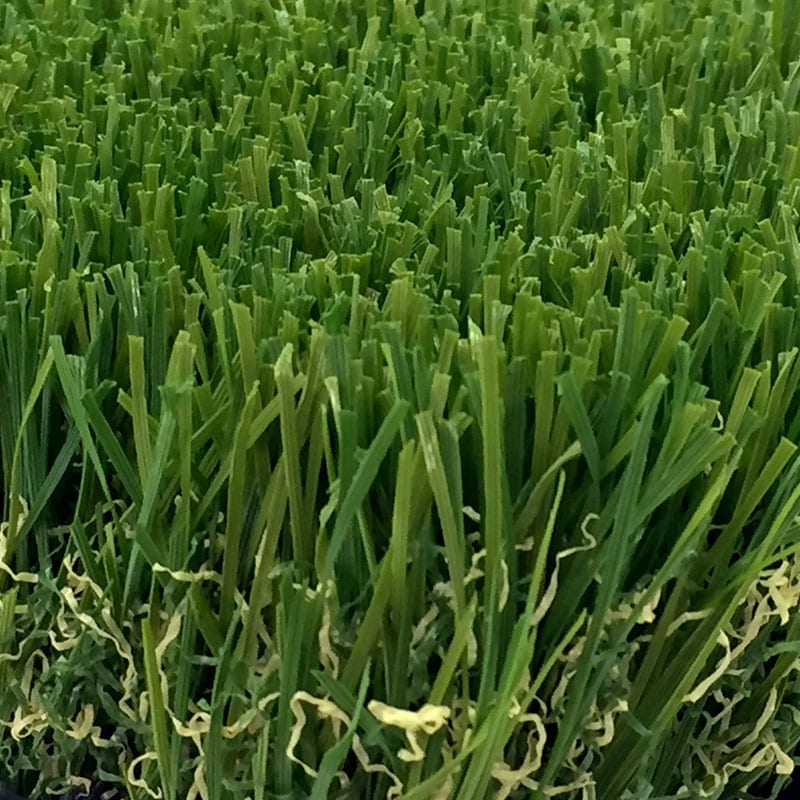
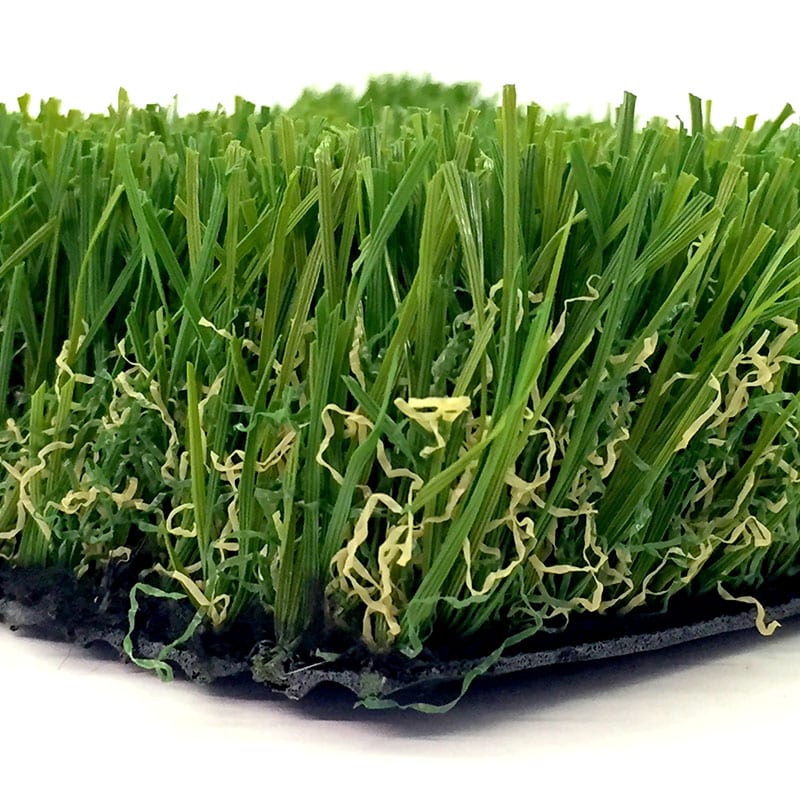
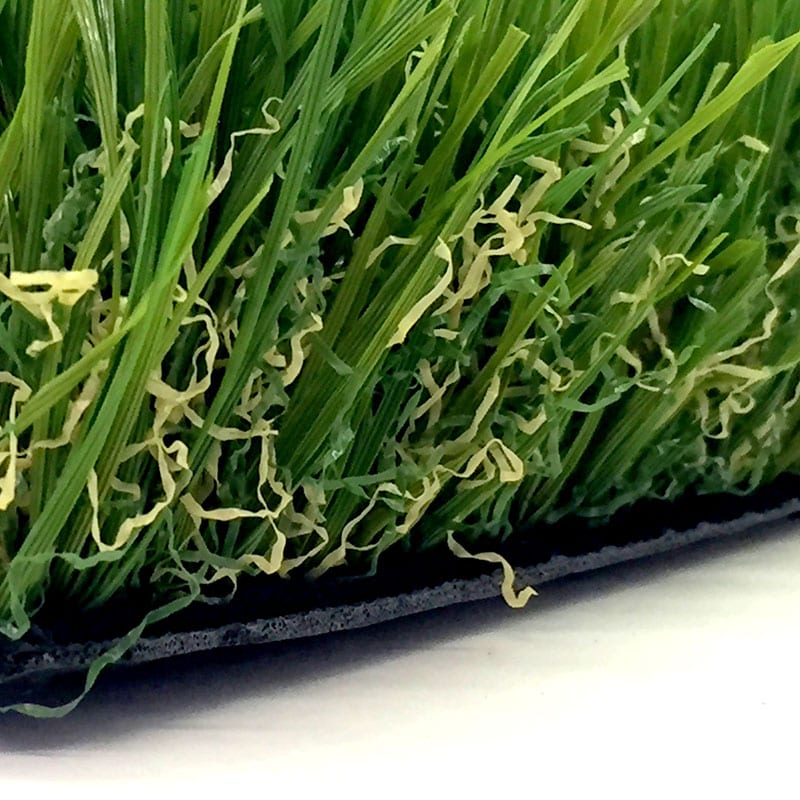
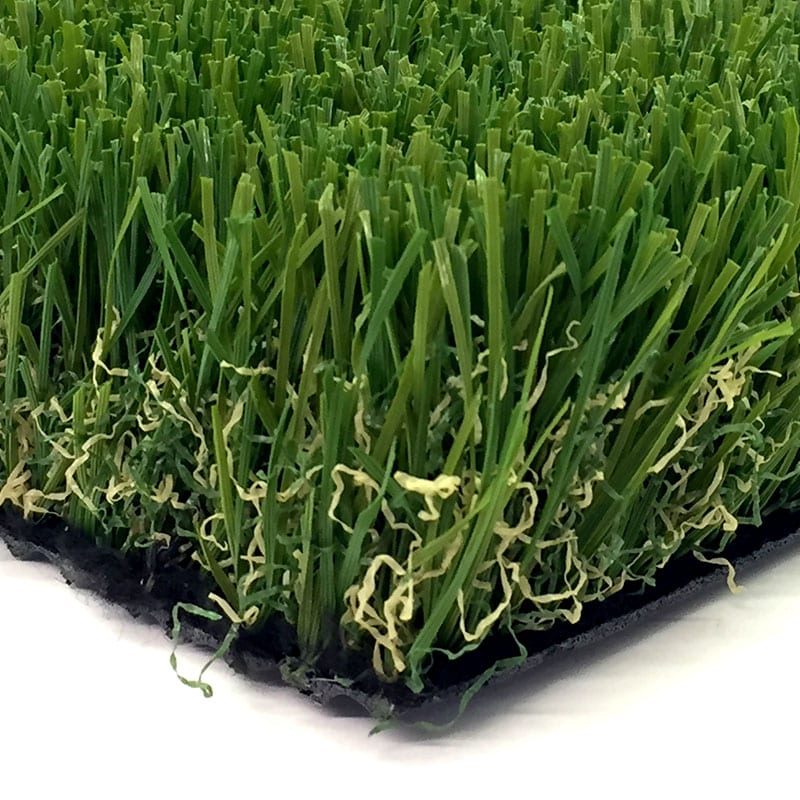
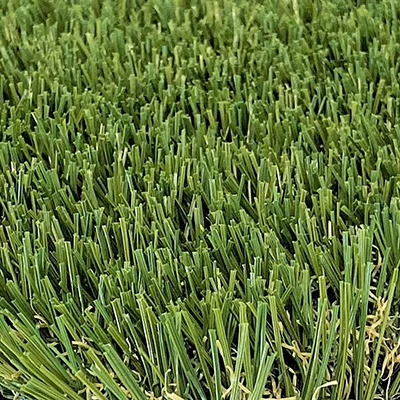
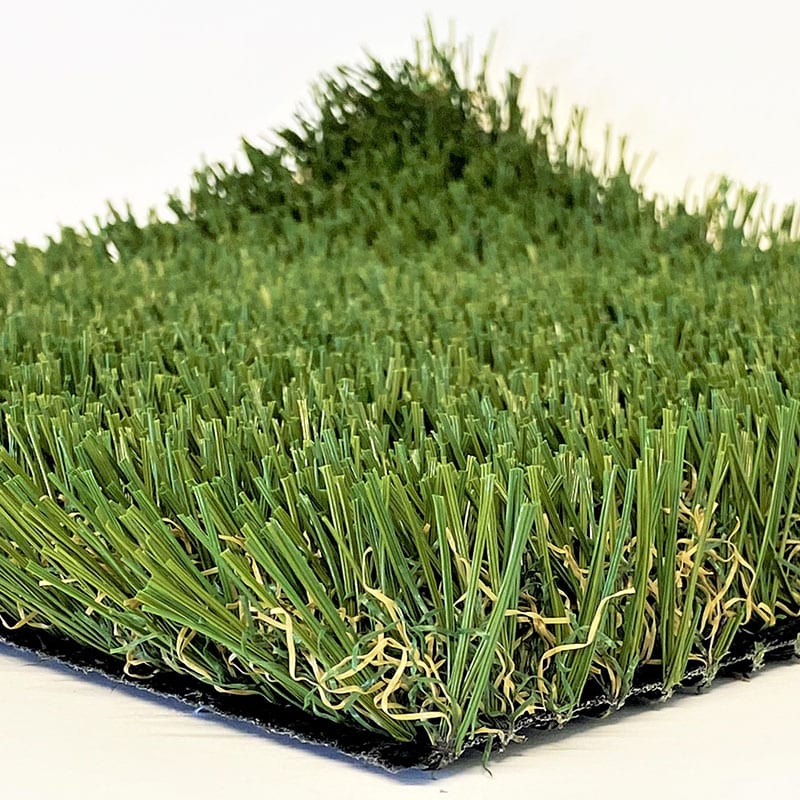
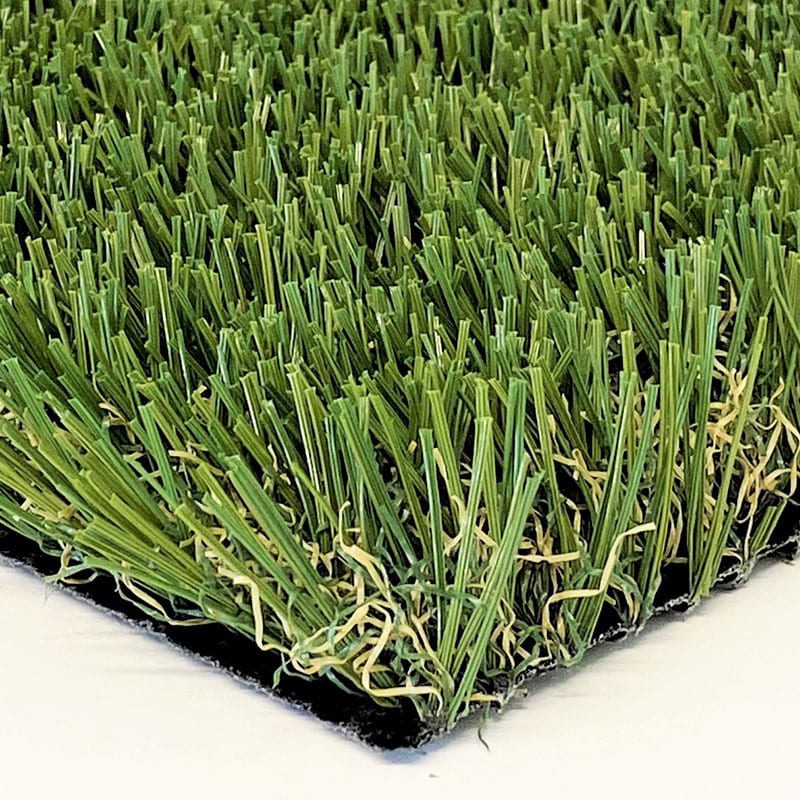
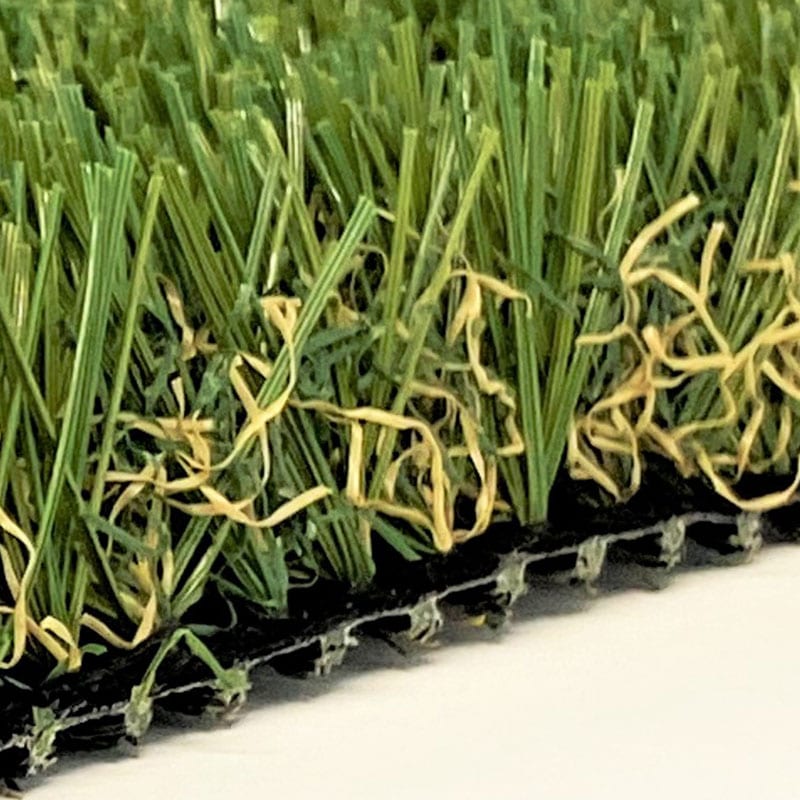
Our turf is built from 100% non-abrasive polyethylene fiber with quad-color technology. It also drains at 30 inches per hour, which matters in a wet, shaded yard. Below, we break down the products and specifications that separate a good shade installation from a disappointing one.
Top Artificial Turf Picks for Shaded Areas Compared
Artificial turf for shaded areas should balance drainage, fiber durability, and appearance, since shade removes the sun but leaves the moisture problem behind.
| Product | Best For | Pile Height | Face Weight | Backing | Drainage Rate | Fiber | Warranty | Watch Out |
|---|---|---|---|---|---|---|---|---|
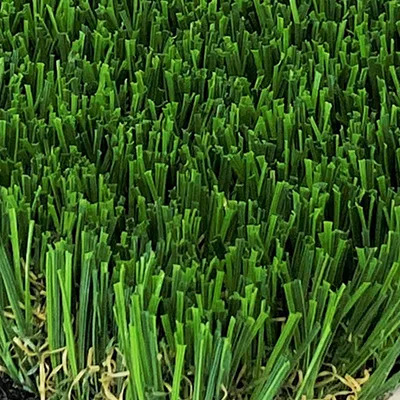
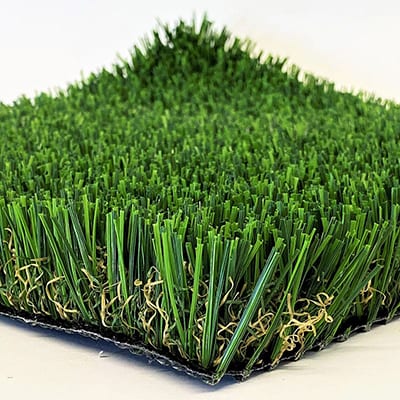
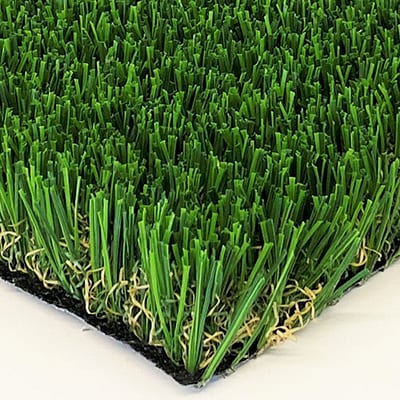
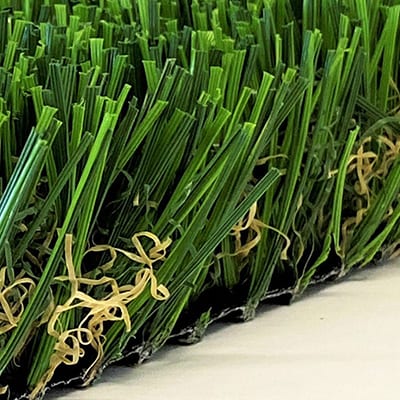
| Southern Artificial Turf | Overall shade performance | Moderate pile | Not published | Permeable | 30 in/hr | 100% non-abrasive polyethylene, quad-color | 8 years | Priced by project, not off the shelf |
| Oasis 85UF | Tight budgets | Not published | Not published | Not published | Not published | Not published | Not published | Specs not published, request in writing |
| Oasis 100UF | Comfort and durability | Not published | Not published | Not published | Not published | Not published | Not published | Shade data not verified |
| Champ 81 | Named-product comparison | Not published | Not published | Not published | Not published | Not published | Not published | Limited published specs |
| SPG-100 | Natural appearance | Not published | Not published | Not published | Not published | Not published | Not published | Price on request only |
A blank cell is itself a finding. In a shaded yard, drainage rate and backing permeability decide whether a surface stays usable, and a manufacturer that will not publish them is asking you to buy blind.
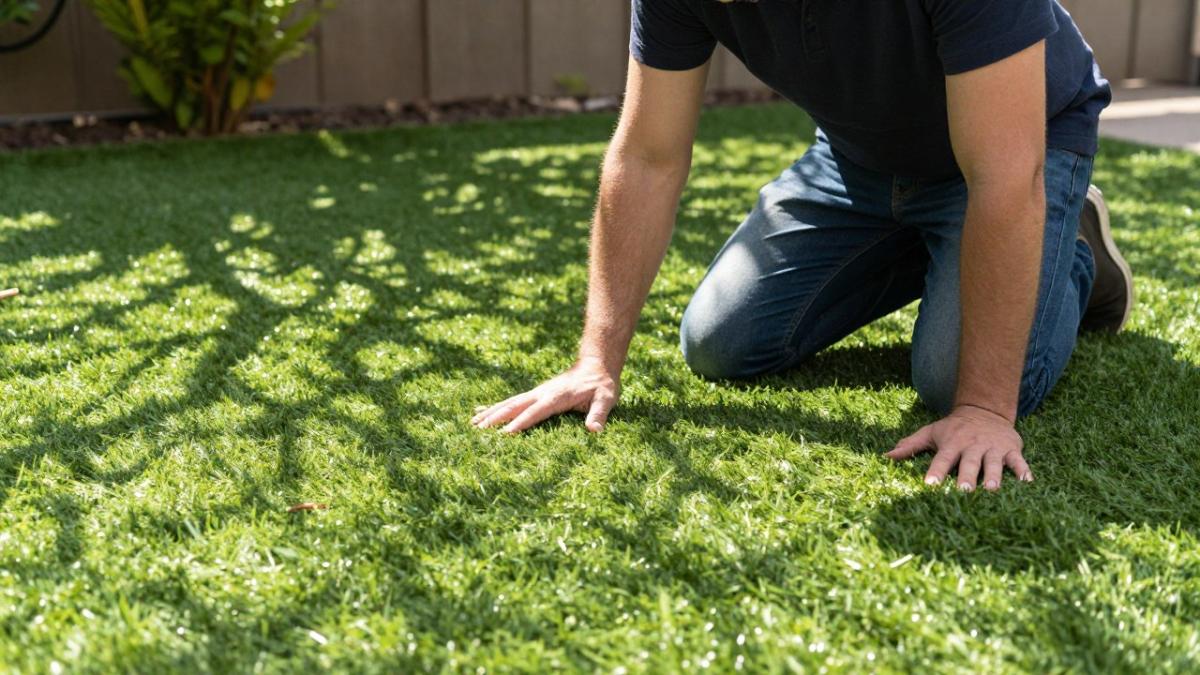
Southern Artificial Turf: Best Overall for Shady Yards
Our turf has a drainage rate of 30 inches per hour, which is the specification to weigh for a shaded yard, since shade keeps soil wet and slows drying.
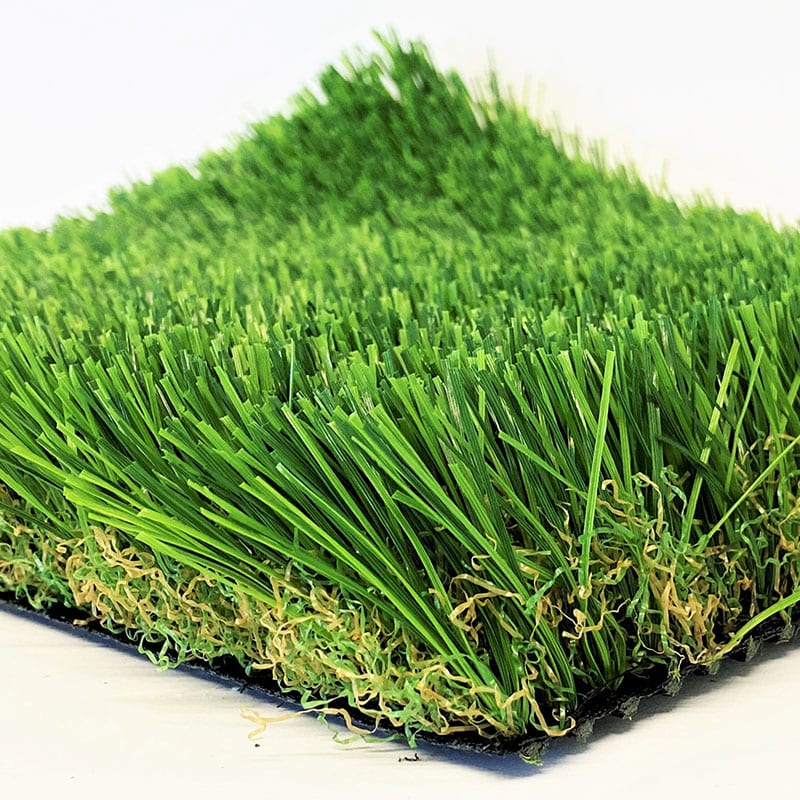
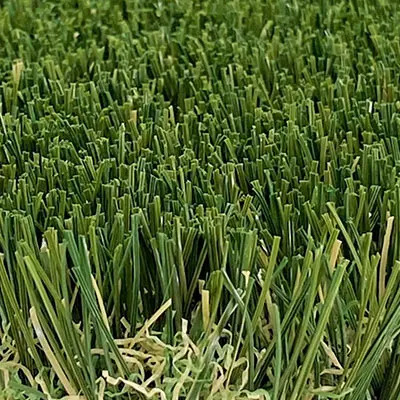
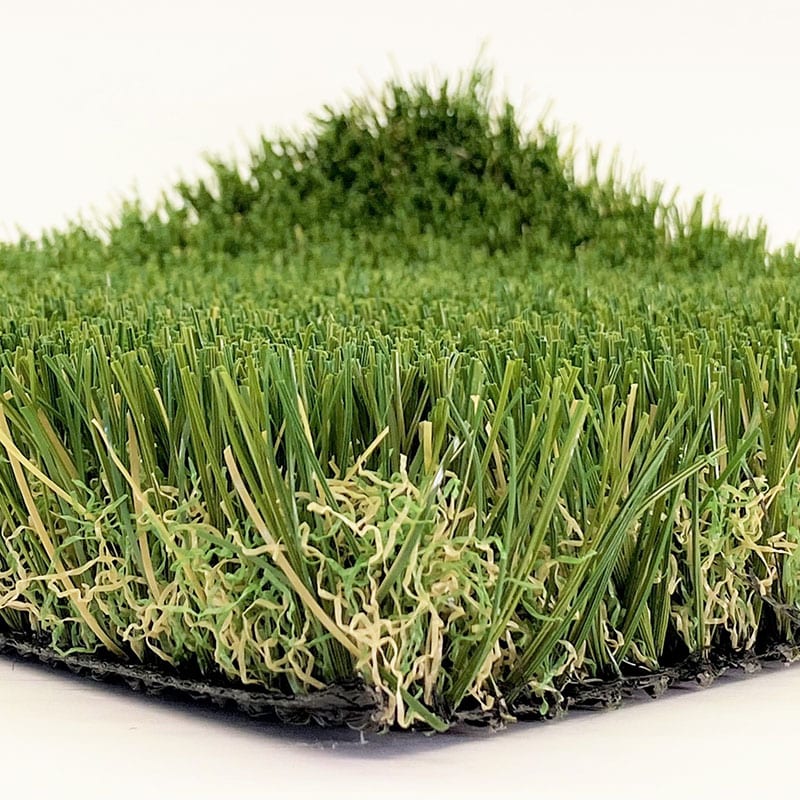
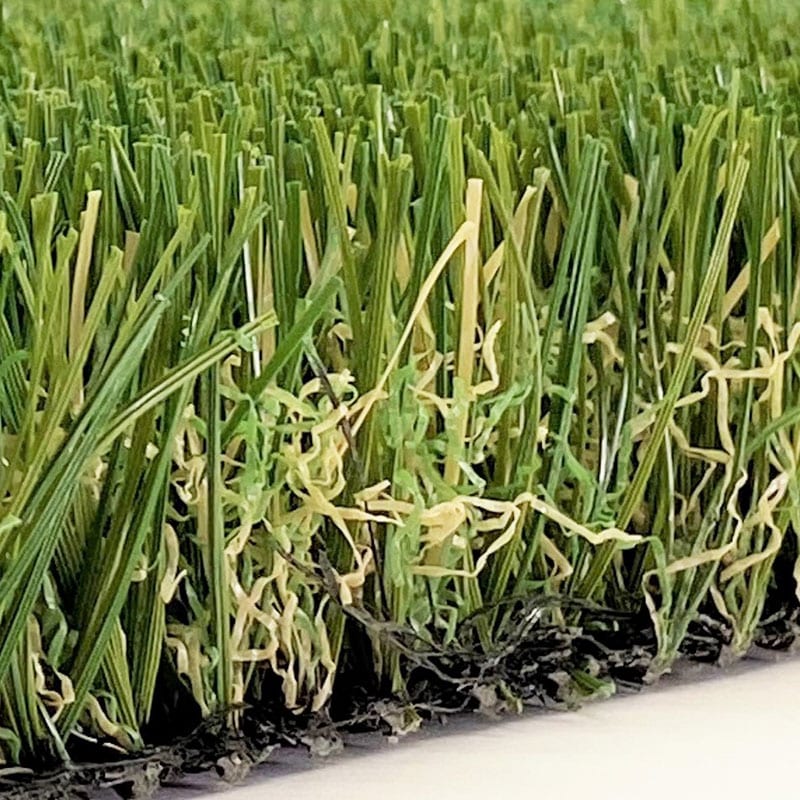
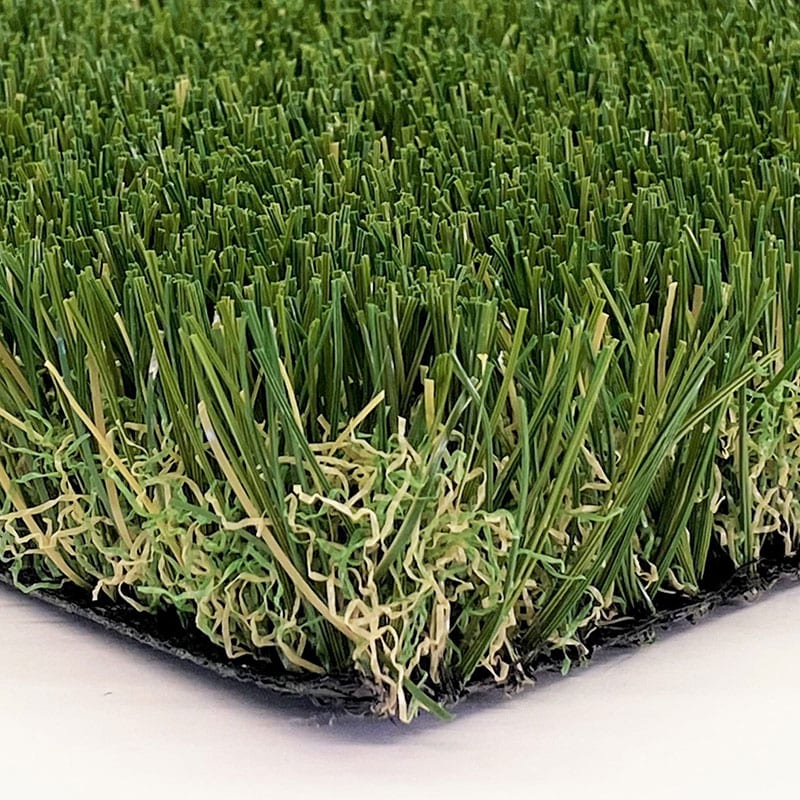
The fiber is 100% non-abrasive polyethylene. Quad-color technology is designed to replicate the look and feel of natural grass.
Best for: homeowners who want a shaded yard that drains well and looks natural year-round.
Skip if: you want the lowest upfront price and are willing to trade away verified drainage performance.
For broader guidance before you commit, our guide on how to choose artificial grass for your backyard walks through the full selection process.
Oasis 85UF, Oasis 100UF and Champ 81: Budget and Mid-Range Options
Competitor products such as the Oasis line and Champ 81 are available from other suppliers, and buyers can request their published specifications for comparison.
When comparing any product, ask the supplier for drainage rate and fiber composition in writing before you buy, since a shaded installation depends on these figures.
SPG-100: The Natural-Looking Pick
Buyers who care most about appearance should weigh visual quality alongside drainage when comparing products.
When comparing products, request drainage and fiber data alongside any quote so you can judge appearance and drainage together.
Artificial Grass for Shady Areas: What Shade Tolerance Actually Means
Shade tolerance is a measure of how well a grass performs with limited direct sunlight, and it applies to living grass, not synthetic turf. For artificial grass, the relevant question shifts from sunlight to moisture, because shade keeps the surface and sub-base wet far longer.
That distinction matters when you shop. A salesperson may talk about “shade-tolerant” products, but synthetic turf does not need sun at all. What it needs is a base that drains and a fiber that resists mold and wear in damp conditions.
Pile height plays a role too. Our guide to artificial grass pile height explains how to match pile to your yard and use.
Artificial Turf Drainage: Why It Decides Shade Performance
Drainage is the single most important specification for a shaded installation, and it is the one buyers overlook most often. In full sun, water evaporates quickly.
Shade changes the physics in three ways. Less direct sun means the surface stays cooler and evaporates far more slowly, so water that does not pass through the backing lingers on top. Tree canopy and nearby walls cut airflow, further slowing drying. And shaded soil and sub-base stay damp longer, so a weak base turns soft and loses its ability to carry water away.
Look for a stated drainage rate and a permeable backing. Our turf moves water at 30 inches per hour.
Skipping base preparation can cause water to puddle in shade regardless of how well the product drains.
Drainage also drives odor. For a deeper look, read our artificial grass drainage and pet odor guide.
Check the slope and discharge point as well as the product, since water has to go somewhere. Confirm that the graded base directs runoff to a safe location.
Artificial Grass Maintenance in Shade: What Changes
Maintenance drops sharply with synthetic turf, but shaded installations need a little more attention than sunny ones. The big three tasks of mowing, watering, and fertilizing disappear entirely, since there is no living grass to feed.
What remains is simple. Rinse the surface occasionally to clear debris and pet waste, especially in shaded spots that dry slowly. Brush the fibers to keep them upright, and check that drainage channels and the base stay clear.
A common mistake is assuming shade means zero upkeep. It does not. A few minutes of clearing debris after storms keeps a shaded lawn looking sharp. Our artificial turf maintenance guide covers the full seasonal routine.
Shade-Tolerant Grass vs. Artificial Turf: An Honest Side-by-Side
Living grass can survive shade if you pick the right species, so the honest answer is that artificial turf is not the only option.
These grasses tolerate low light better than standard lawn mixes, but they come with tradeoffs. Fine fescues thin out under heavy foot traffic and struggle in wet, compacted soil. Rough bluegrass fades in summer heat.
Artificial turf trades that ongoing work for a higher upfront cost and a surface that stays green and usable year-round. The right call depends on how much shade you have, how much traffic the area takes, and whether you want to keep mowing.
Common Myths About Turf in the Shade
A few myths keep homeowners from making a good decision. Here is what we hear most often, and what actually holds up.
- “Turf needs sun to stay green.” False. Synthetic turf holds its color without sunlight, which is exactly why it works in shade.
- “Shade makes turf moldy no matter what.” Not if it drains. Moisture, not shade, causes problems, and drainage solves moisture.
- “All artificial grass is the same in low light.” No. Drainage rate, backing, and fiber quality separate products that perform from ones that disappoint.
- “You still have to water it.” You do not. There is no root system to keep alive.
- “Cheap turf is fine for a shady spot nobody sees.” Shaded spots dry slowest, so they punish weak drainage more than sunny ones.
Get a Quote on Turf Built for Shaded Yards
Shade is a moisture problem, and the right turf solves it with drainage, durable fiber, and a properly prepared base. If you are ready to stop fighting bare spots and mud, we can help you choose a product that fits your yard and your budget.
Southern Artificial Turf offers synthetic turf with 30-inches-per-hour drainage, quad-color technology, and an 8-year warranty, built from non-abrasive polyethylene fiber that meets or exceeds EPA standards for RCRA hazardous waste heavy metals.
Get started with Southern Artificial Turf and turn your shaded yard into a lawn you can actually use. Get a Quote to discuss your options.
Frequently Asked Questions
Does artificial turf work well in shaded areas?
Yes. Artificial turf is designed to work in lower-light areas. Artificial turf does not need sunlight to stay green, so it avoids the thinning and bare patches that fine fescue and other shade-tolerant grasses develop under dense canopy. What shade does affect is drying time. In low-light conditions moisture lingers longer, so drainage capacity and a properly graded base matter more than sun exposure. Look for turf rated for high drainage, such as 30 inches per hour, and plan for airflow around the edges.
Can artificial grass develop mold or mildew in shaded areas?
Mold and mildew need standing moisture, not shade alone. Turf with a perforated backing and strong drainage lets water pass through to the base layer, which is where the real risk sits. If the sub-base is poorly compacted or sloped wrong, water pools underneath and odor or mildew can follow, especially in humid climates. Ask about drainage rate before installation, keep debris off the surface, and rinse the area occasionally so organic matter does not collect in the fibers.
What features should I look for in artificial turf for a shady backyard?
Prioritize drainage rate first, since shade slows evaporation. Then check fiber material and height: non-abrasive polyethylene fibers are the material our turf uses. Confirm UV stabilization, a warranty of at least eight years, and whether the product meets EPA standards for heavy metals under RCRA. A turf that drains fast, resists wear, and keeps its color is a better fit for low-light yards than one chosen purely on appearance.
How do you maintain artificial turf in a low-light area?
Maintenance in shade is lighter than for natural grass but not zero. Remove leaves and debris promptly so they do not trap moisture against the fibers. Rinse the surface every few weeks, more often with pets, and brush the pile occasionally to keep it upright. Check the perimeter for poor drainage after heavy rain. You will never mow, water or fertilize, but a quick seasonal inspection of seams and infill keeps the installation performing as intended.
Is shade-tolerant grass a better choice than artificial turf?
It depends on how much light the area gets and how much work you want. Fine fescue blends, zoysia and centipede grass can survive moderate shade, but they still thin out under heavy canopy and need water, mowing and feeding. Artificial turf stays green year-round with no irrigation and no mowing, which suits heavily shaded yards, pet areas and play spaces. For light shade and a gardener who enjoys lawn care, living grass can work; for deep shade and low maintenance, turf is the more reliable answer.