
Table of Contents
- Understanding Artificial Grass Pile Height Basics
- Best Pile Height for Artificial Turf by Use Case
- Artificial Turf Pile Height for Pets and High-Traffic Areas
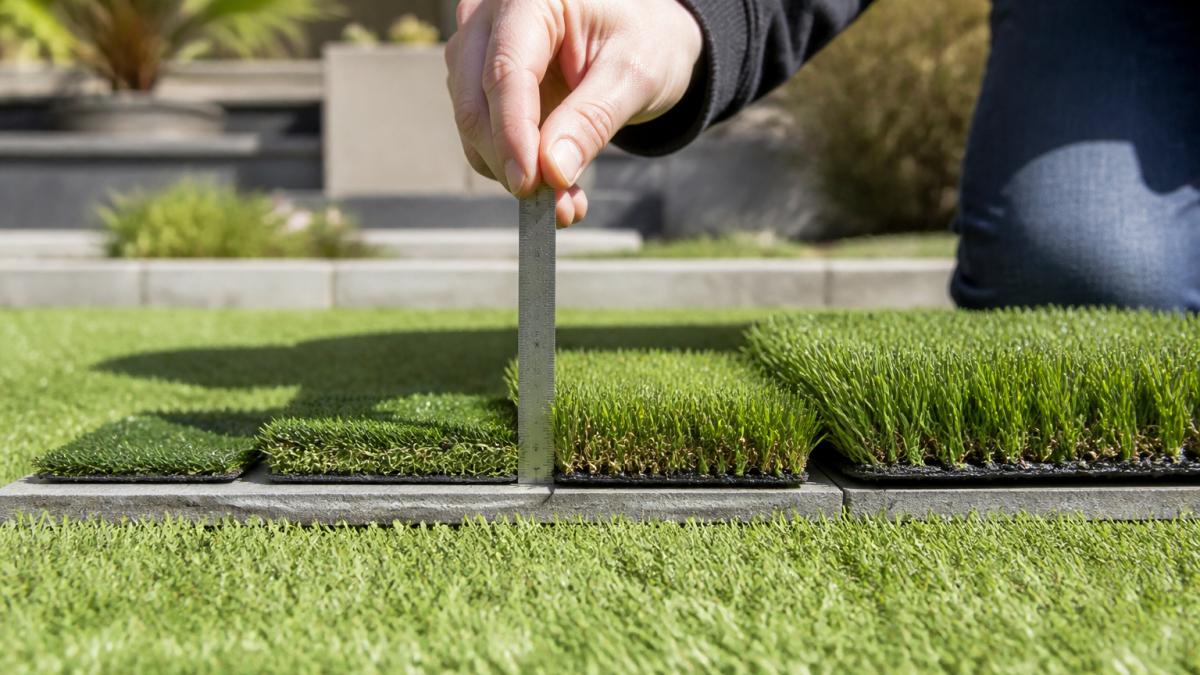
- How to Measure Artificial Grass Pile Height
- Pile Height, Density, and Other Critical Specifications
- Evaluating Samples and Making Your Final Selection
- Frequently Asked Questions
Last Updated: October 8, 2026
Understanding Artificial Grass Pile Height Basics
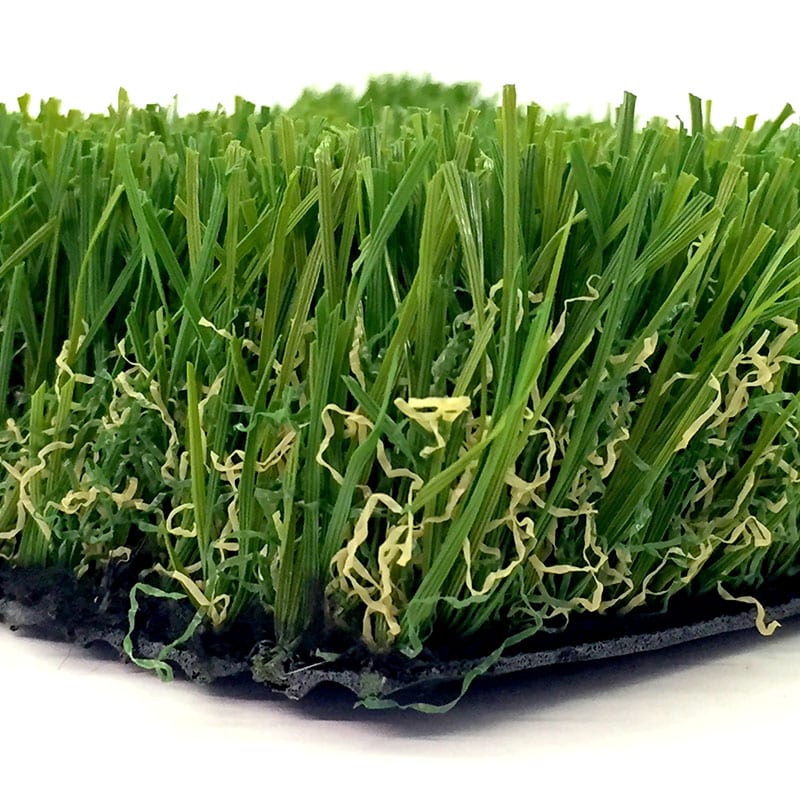
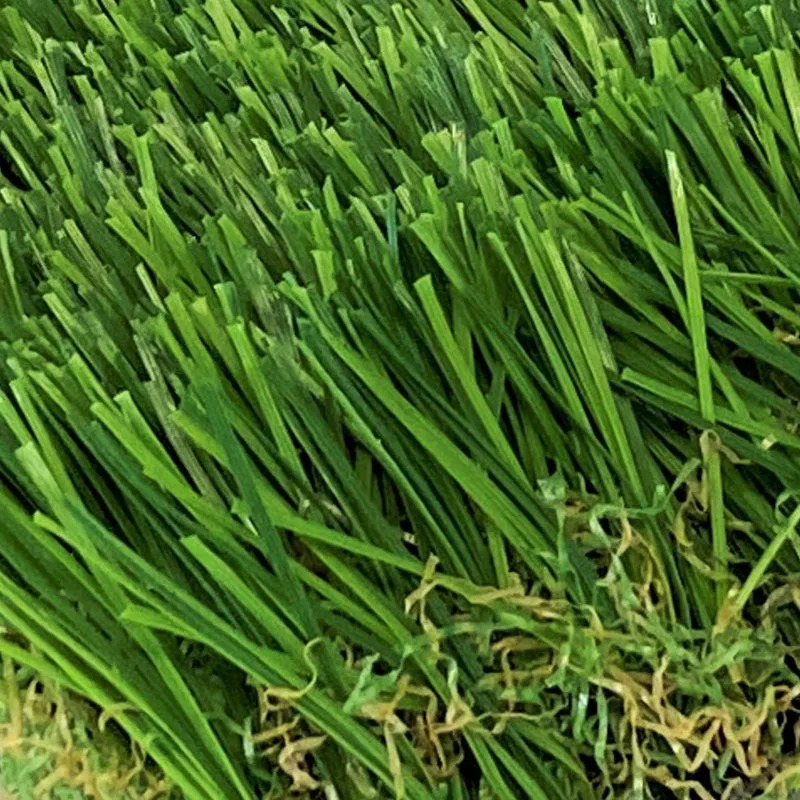
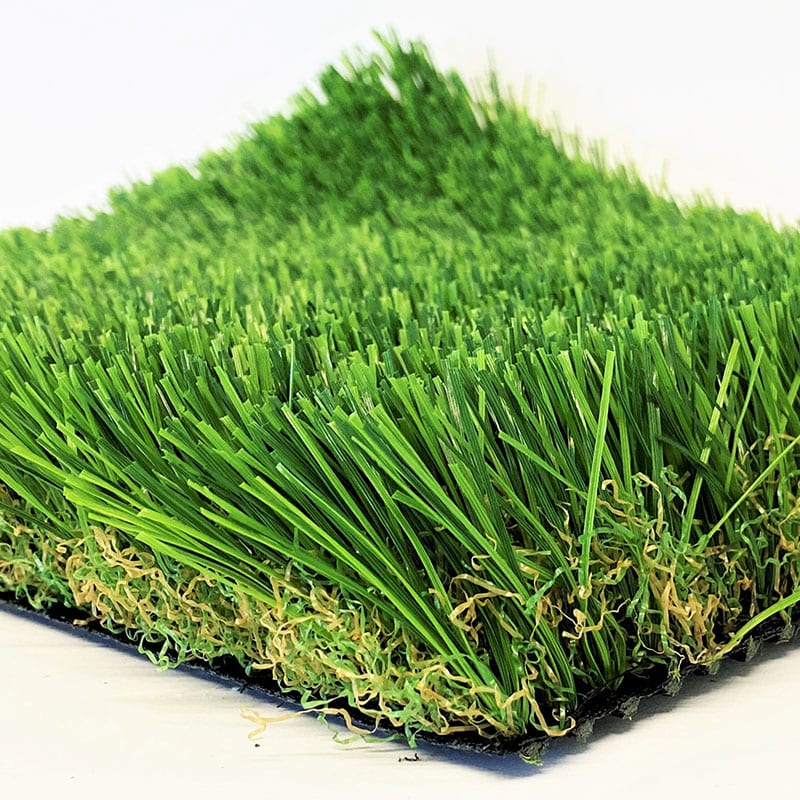
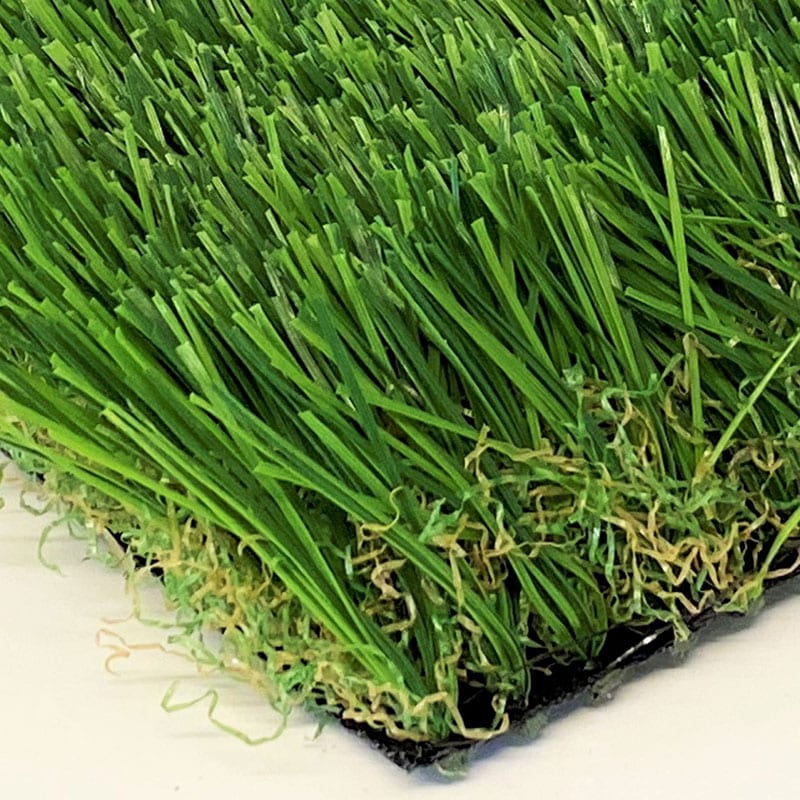
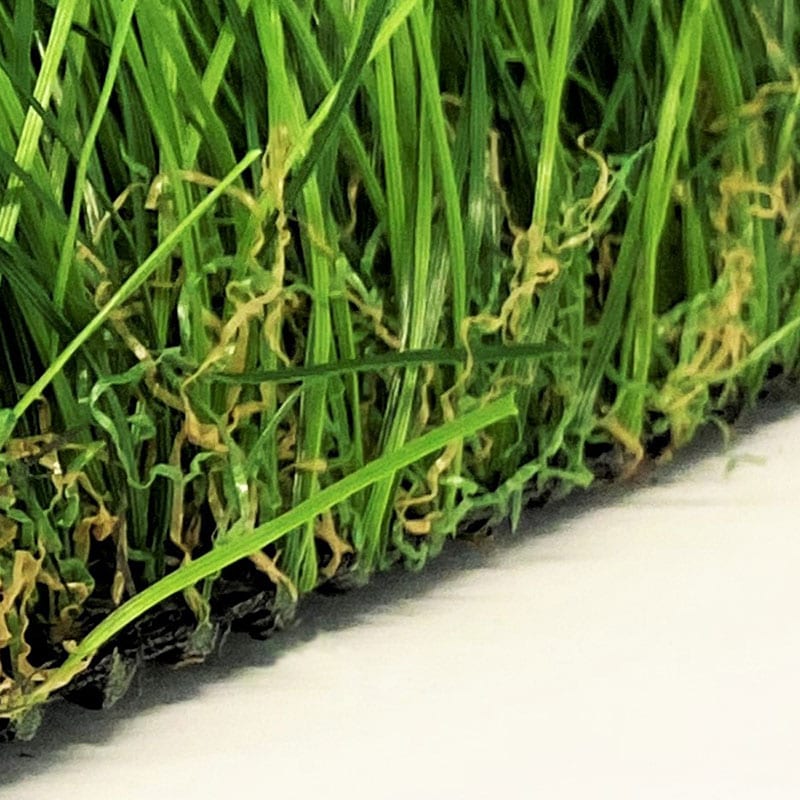
Artificial grass pile height is the measurement of the grass blade length from the backing material to the tip of the fiber. It’s one of the most important specifications you’ll evaluate when selecting synthetic turf for your space.
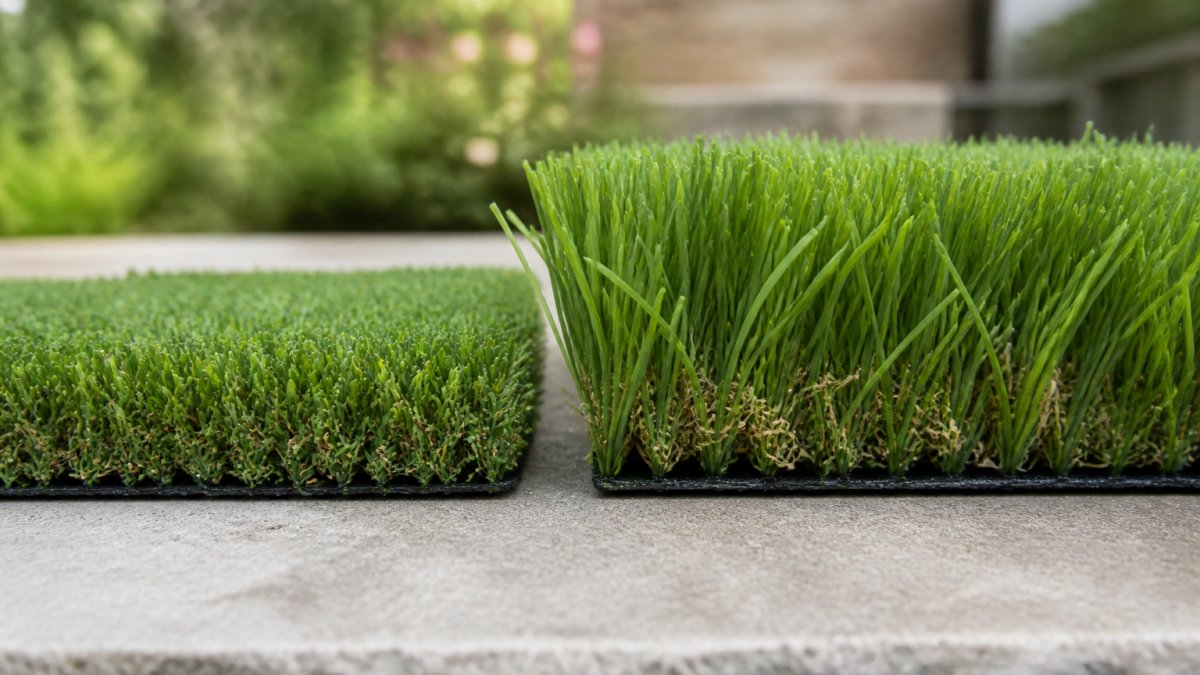
Think of pile height like choosing between carpet types for your home. A short, dense carpet feels different from a plush, tall one. The same principle applies to artificial grass.
What Pile Height Means
Pile height refers to the vertical length of the synthetic grass fibers measured in millimeters or inches. A turf with 1-inch pile height has shorter blades than one with 2.5-inch pile height. This simple measurement influences everything from durability to comfort to appearance.
When you look at product specifications, you’ll see pile height listed as a single number or a range. For example, “1.5-inch pile” or “40mm pile.” This tells you exactly how tall the grass blade grows from the base.
Why Pile Height Matters for Your Lawn
Pile height determines three critical factors: how natural your lawn looks, how durable it is, and how comfortable it feels underfoot. These factors often work against each other, which is why choosing the right height requires balancing your priorities.
A taller pile creates a more luxurious, natural appearance. Shorter pile offers better durability and easier maintenance. The key is matching the height to your actual use case. Understanding this balance helps you invest in turf that delivers real value.
Best Pile Height for Artificial Turf by Use Case
Different applications need different pile heights. Residential lawns, commercial spaces, and athletic surfaces all have optimal ranges. Understanding these use cases helps you narrow down your choices quickly.
Residential Lawns and Aesthetic Appeal
Most homeowners want their artificial grass to look like natural grass. For residential applications, pile heights between 1.25 and 2 inches work best.
If visual appeal is your priority, aim toward the higher end of this range. A 1.75 to 2-inch pile gives your lawn that lush, full look neighbors will notice.
Keep in mind that taller pile requires more frequent brushing to maintain appearance.
High-Traffic Areas and Commercial Spaces
Commercial installations and high-traffic residential areas need shorter, denser pile. Pile heights of 0.75 to 1.25 inches work better in these settings. Shorter pile resists matting and compaction from constant foot traffic.
Property managers and facility directors often choose short pile because it maintains appearance longer with less maintenance. The turf bounces back faster after heavy use.
Short pile is ideal for playgrounds, dog parks, commercial landscapes, and entryways. These spaces see constant activity. Shorter fibers simply hold up better to that punishment.
Sports Fields and Athletic Surfaces
Athletic facilities need specialized considerations beyond standard residential or commercial use. Most sports fields use pile heights between 1.5 and 2.5 inches.
The specific sport matters here. Soccer and field hockey need different characteristics than baseball or football. Work with your installer to determine the right pile height for your specific sport.
(/blog/polyethylene-vs-nylon-artificial-grass-differences) (0.75 to 1.5 inches) resists wear better than taller options. The fibers don’t mat down as easily. They bounce back quickly after foot traffic and furniture placement.
Maintenance is simpler with short pile. You brush it less frequently. Debris doesn’t hide in the fibers as easily. Water drains faster through shorter grass.
The trade-off is appearance. Short pile looks less like natural grass. It appears more uniform and less textured. Some people find this acceptable.
Tall Pile: Comfort and Luxurious Appearance
Tall pile artificial grass (1.75 to 2.5 inches or higher) feels softer underfoot. It looks more like natural grass because the taller fibers create natural-looking shadows and depth.
Tall pile creates that luxurious lawn appearance you see in magazine photos. The grass looks fuller and more natural. It feels better between your toes.
The downside is maintenance. Tall pile requires more frequent brushing to maintain appearance. Foot traffic and pet activity can cause matting. You’ll spend more time maintaining the lawn’s visual appeal.
Artificial Turf Pile Height for Pets and High-Traffic Areas
Pet owners face unique challenges with artificial grass. Dogs dig, run, and create wear patterns. Pile height significantly affects how well turf handles these activities.
Durability Against Pet Activity
Dogs are hard on any surface. For pet-friendly installations, pile heights between 1 and 1.5 inches work best. This range provides durability against digging and constant running while still looking decent.
Shorter pile resists the matting that comes from dogs running the same path repeatedly. Taller pile flattens quickly under paw traffic.
The backing material matters as much as pile height for pet installations. Stronger backing resists puncture from dog claws. Southern Artificial Turf uses 100% non-abrasive polyethylene fiber.
Drainage and Odor Control Considerations
Pet owners worry about drainage and odor. Shorter pile drains faster, which helps prevent odor buildup. This is a practical advantage beyond just durability.
Pile height affects water flow through the turf. Taller pile can trap moisture longer. Shorter pile lets water flow through quickly.
Proper ground preparation and infill also matter. These factors work together with pile height to create a system that handles pet waste effectively. Don’t assume pile height alone solves drainage problems.
How to Measure Artificial Grass Pile Height
Accurate measurement ensures you’re comparing products fairly. Pile height can vary slightly across a sample, so measure multiple spots.
Using a Ruler or Measuring Tape
The simplest method uses a ruler or measuring tape. Place it on the backing material and measure to the tip of the tallest fiber.
Be consistent with your technique. Measure at the same angle and pressure each time. Pressing too hard compresses the fibers and gives false readings.
For samples with varied fiber lengths, measure the tallest blade. This gives you the maximum pile height. Some products intentionally use varied lengths for a more natural appearance.
Understanding Specification Sheets
Manufacturers list pile height on specification sheets. This number represents the design height, not necessarily what you’ll measure in the field. Real-world measurements often vary slightly from specification.
Read specifications carefully. Some list pile height in inches. Others use millimeters. Convert to the same unit when comparing products. A 50mm pile is approximately 2 inches.
Specification sheets also include other important measurements like pile density and face weight. These work together with pile height to determine overall performance.
Pile Height, Density, and Other Critical Specifications
Pile height is just one part of the equation. Pile density, face weight, blade shape, and backing material all influence performance. Understanding how these factors interact helps you make better decisions.
Pile Density and Face Weight Impact
Pile density measures how many fibers are packed into each square inch. Higher density means more fibers per area. This creates a fuller, more durable turf.
A tall pile with low density feels thin and sparse. A short pile with high density feels full and durable.
When comparing products, look at both measurements together. A 2-inch pile with low density might feel worse than a 1.5-inch pile with high density. Specification sheets provide these details.
Backing Material and Drainage Capacity
The backing material holds fibers in place and affects drainage. Quality backing resists tearing and puncture. It also influences how water flows through the turf.
Drainage capacity is critical, especially for pet areas and regions with heavy rainfall. Southern Artificial Turf products feature 30 inches per hour drainage capacity.
Backing strength varies between products. Stronger backing survives more stress from installation, foot traffic, and environmental factors. This is why backing material matters as much as the visible fibers.
Blade Shape and Fibre Characteristics
Blade shape affects appearance and durability. Some products use straight blades. Others use curved or twisted fibers.
Fiber material matters too. Polyethylene fibers are standard in quality artificial grass. Southern Artificial Turf uses quad-color technology with non-abrasive polyethylene fibers to replicate natural grass appearance while maximizing durability.
Understanding these technical details helps you evaluate products beyond just pile height. A product with ideal pile height but poor fiber quality will disappoint. Review the complete specification before deciding.
Evaluating Samples and Making Your Final Selection
Seeing and feeling samples in your actual space beats looking at pictures. Samples help you visualize the final result and test how the turf performs in your specific conditions.
Testing Samples in Your Space
Request samples from manufacturers before making a final decision. Place them in your yard and observe them for several days. Notice how they look in different lighting conditions. Walk on them.
Pay attention to how the sample looks next to your home’s siding and landscaping. Colors that look perfect in a showroom might clash with your specific environment.
Test multiple samples side by side. Compare pile heights directly. Notice the differences in appearance and feel. This hands-on evaluation is worth the time investment.
Accounting for Climate, Foot Traffic, and Maintenance
Climate affects how artificial grass performs. Hot, humid climates in the South require UV-resistant products. Southern Artificial Turf products are UV resilient, durable, and tough.
Foot traffic patterns determine whether you need short, durable pile or can handle taller, more luxurious grass. Map out where traffic concentrates in your space. High-traffic pathways need shorter, denser pile.
Maintenance commitment matters. If you love spending time on yard work, taller pile is acceptable. If you want virtually maintenance-free landscaping, stick with shorter pile.
| Consideration | Short Pile (0.75-1.5″) | Medium Pile (1.5-2″) | Tall Pile (2-2.5″+) |
|---|---|---|---|
| Best for | High traffic, pets, durability | Balanced use, most homes | Luxury appearance, low traffic |
| Maintenance | Minimal brushing | Moderate brushing | Regular brushing required |
| Drainage | Excellent | Good | Adequate |
| Natural appearance | Good | Very good | Excellent |
| Pet-friendly | Excellent | Good | Fair |
| Cost efficiency | Best | Balanced | Higher investment |
Choosing the right artificial grass pile height requires balancing aesthetics, durability, maintenance, and your specific use case. Southern Artificial Turf provides premium synthetic grass solutions designed to transform commercial and residential spaces into lush, year-round landscapes.
Frequently Asked Questions
What is the best pile height for artificial turf?
The best pile height depends on your intended use. Residential lawns typically perform well at 1.5 to 2.5 inches for a natural appearance and comfort balance. High-traffic areas and pet spaces benefit from shorter piles (1 to 1.5 inches) for durability and easier maintenance. Athletic fields may use taller piles (2 to 3 inches) for cushioning and performance. Measure your samples in your actual space to see how each height looks and feels before committing to installation.
How does pile height affect artificial grass maintenance?
Shorter pile heights are easier to maintain because debris doesn’t settle as deeply, and drainage is faster. Taller piles may require more frequent brushing to prevent matting and maintain their upright appearance, especially in high-traffic zones. Both require occasional rinsing and infill topping, but shorter piles reduce the time spent on these tasks. Consider your willingness to perform regular maintenance when selecting pile height for your space.
Is artificial turf pile height for pets different from residential lawns?
Yes. Pet owners should prioritize shorter pile heights (1 to 1.5 inches) because they resist matting better under paw traffic and allow urine to drain quickly, reducing odor and bacteria buildup. Shorter piles also make it easier to rinse and maintain the surface. While taller piles feel softer, they trap moisture and debris more readily in pet areas, leading to faster wear and maintenance challenges. Pair shorter pile height with adequate drainage (30+ inches per hour) for optimal pet performance.
How do I measure artificial grass pile height accurately?
Use a ruler or measuring tape placed flat against the backing, measuring from the base of the fibers to the tip of the blade. Measure in multiple spots across a sample because pile height can vary slightly. Check the product specification sheet for the manufacturer’s stated pile height in inches. When evaluating samples, measure them in the same lighting and conditions as your installation site, and test how the height feels underfoot and looks from standing height, not just from close inspection.