
Table of Contents
- Synthetic Grass Cost Comparison: Budget vs Premium
- Material Quality: Polyethylene, Polypropylene, and Nylon Fiber Types
- Artificial Turf Pile Height and Density: What the Numbers Mean
- Durability and Lifespan: How Long Does Artificial Grass Last
- Appearance and Realism: Color, Texture, and UV Resistance
- Installation Costs and Hidden Expenses: Artificial Grass Cost Per Square Foot
- Best Artificial Turf for Backyard: Choosing the Right Option for Your Needs
- Lifecycle Cost Analysis: True Long-Term Value
- Frequently Asked Questions
Last Updated: October 4, 2026
Synthetic Grass Cost Comparison: Budget vs Premium
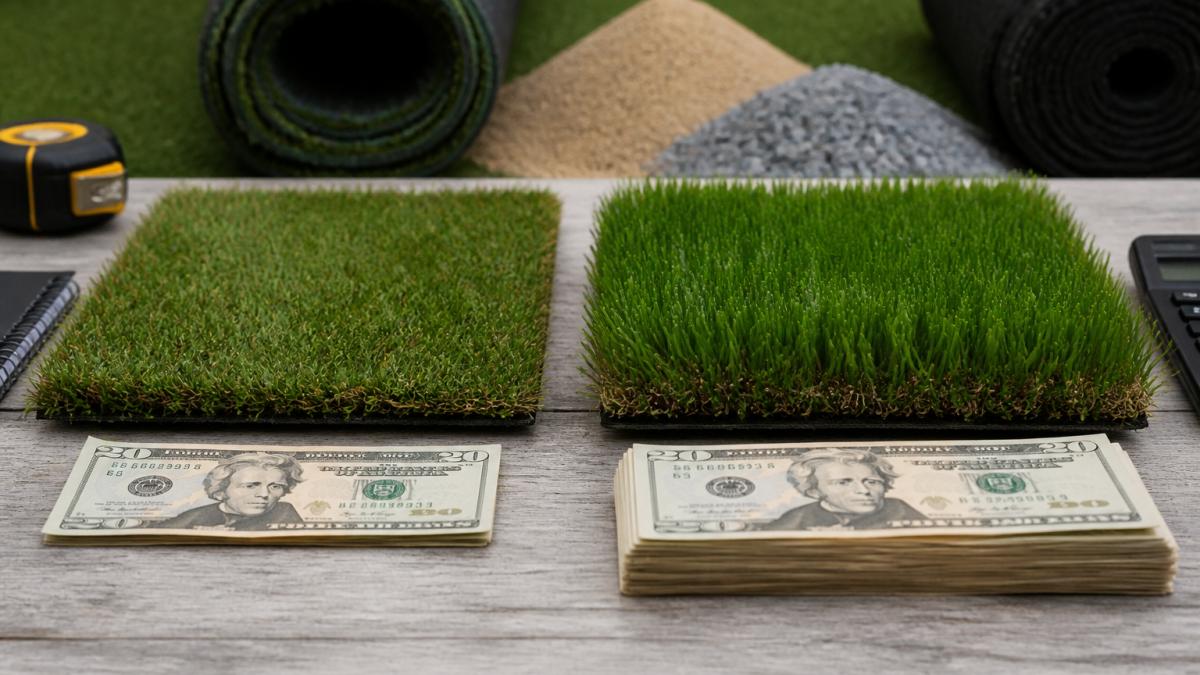
Understanding synthetic grass cost differences comes down to fiber quality, durability, and long-term value. Budget turf costs less upfront but premium options often deliver better appearance, longer lifespan, and superior performance.
Budget synthetic grass uses lower-density fibers, simpler backing, and basic color palettes. Premium synthetic grass employs quad-color technology, higher face weight, and engineered drainage systems.
Material Quality: Polyethylene, Polypropylene, and Nylon Fiber Types
Polyethylene dominates the market, balancing cost and performance. Budget polyethylene uses thinner fibers and lower density, matting down faster under foot traffic. Premium polyethylene uses 100% non-abrasive fiber engineered to maintain texture and appearance longer.
Polypropylene costs less but feels stiffer and is more prone to matting and fading. It appears in the cheapest budget options, typically for temporary or light-use applications.
Nylon offers the highest durability and resilience, bouncing back after compression. It costs significantly more but makes sense for high-traffic areas like pet play zones where durability is critical.
For most residential applications, premium polyethylene delivers the best balance of realism, durability, and value.
Artificial Turf Pile Height and Density: What the Numbers Mean
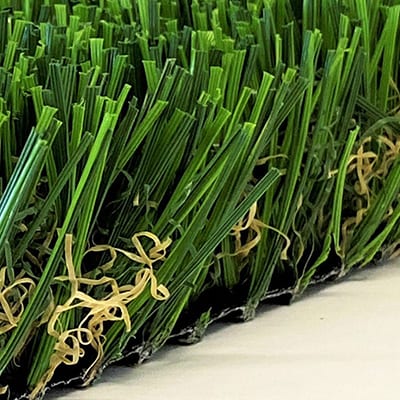
Pile height measures blade length from backing to tip. Budget turf ranges from 1.25 to 1.5 inches; premium reaches 1.75 to 2.5 inches. Taller pile creates a fuller appearance and better cushioning but requires better backing and drainage.
Face weight measures fiber per square yard. Budget turf runs 50-60 oz/sq yd; premium ranges from 70-90+ oz/sq yd. Higher face weight resists matting, maintains color longer, and feels more substantial.
Fiber density is the number of fibers per square inch. Budget products compress easily; premium uses tighter spacing, springing back after foot traffic and resisting wear patterns.
A budget turf with 1.25-inch pile and 55-ounce face weight flattens more easily than a premium option with 2-inch pile and 80-ounce face weight, a difference obvious within the first season in high-traffic areas.
Durability and Lifespan: How Long Does Artificial Grass Last
Budget synthetic grass typically lasts 8-10 years before matting, fading, or backing deterioration. Premium installations perform reliably for 12-15+ years with proper maintenance.
In the South’s heat and humidity, budget turf shows significant wear within 5-7 years. Premium synthetic grass, engineered with UV-resistant fibers and quality backing, holds up better.
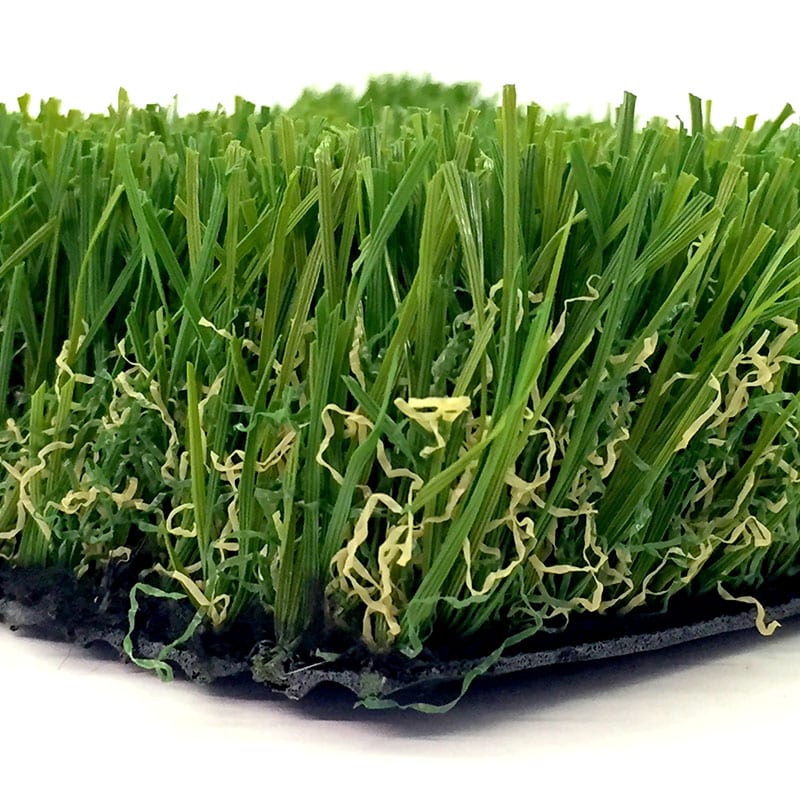
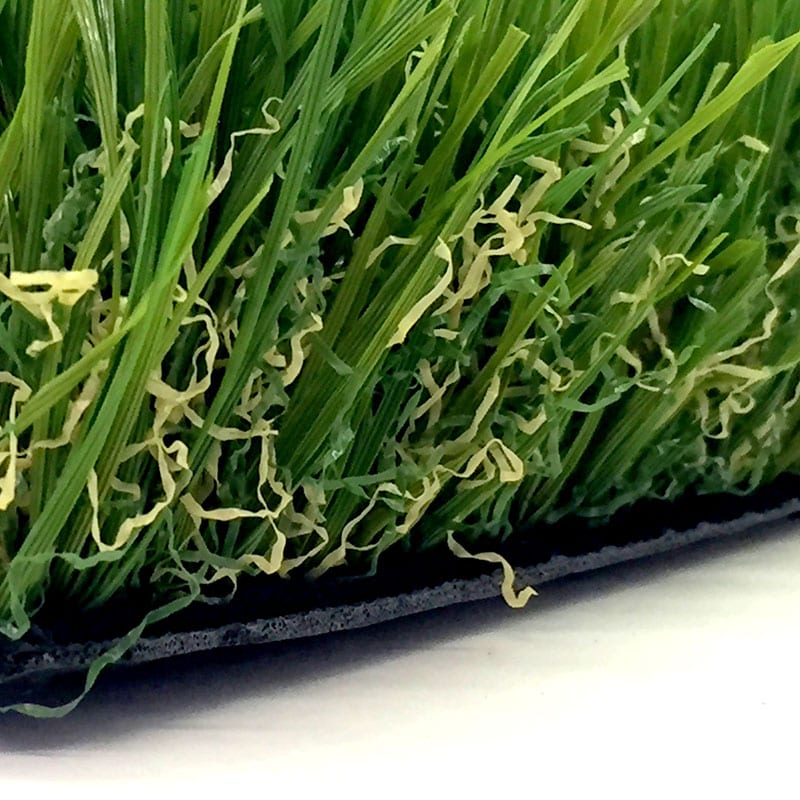
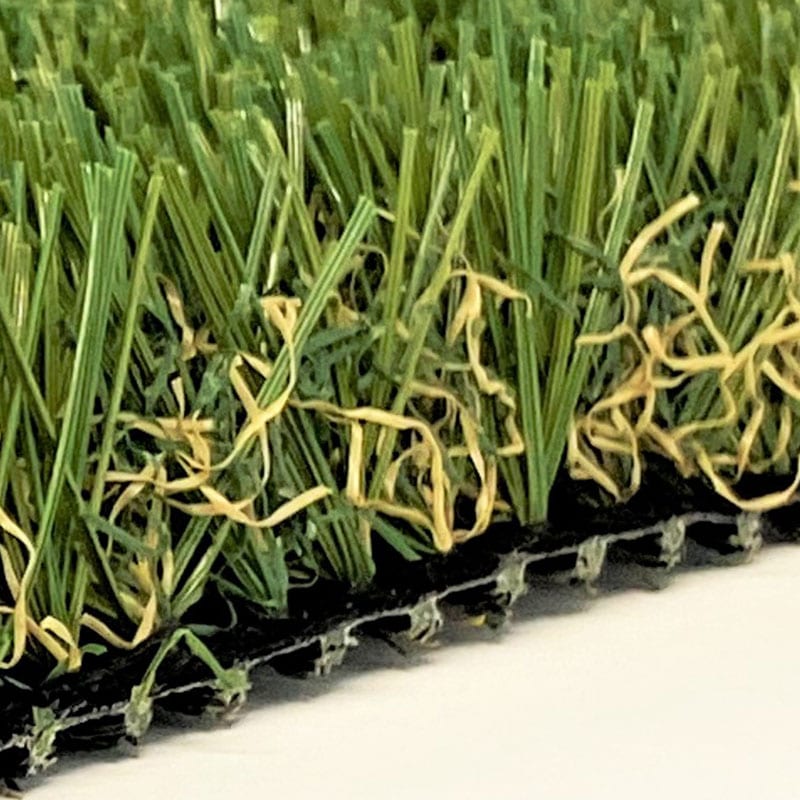
Durability depends on backing construction. Budget uses single-layer backing; premium uses multi-layer systems with reinforced seams and engineered drainage, preventing seam separation and water pooling.
Southern Artificial Turf‘s installations include an 8-year warranty and meet or exceed EPA standards for RCRA hazardous waste heavy metals.
| Specification | Budget Turf | Premium Turf |
|---|---|---|
| Fiber Type | Thin polyethylene or polypropylene | High-quality polyethylene or nylon |
| Pile Height | 1.25-1.5 inches | 1.75-2.5 inches |
| Face Weight | 50-60 oz/sq yd | 70-90+ oz/sq yd |
| Expected Lifespan | 8-10 years | 12-15+ years |
| Backing Type | Single-layer basic | Multi-layer engineered |
| UV Resistance | Moderate | High |
| Warranty | 3-5 years | 8+ years |
Appearance and Realism: Color, Texture, and UV Resistance
Budget synthetic grass uses a single or dual-color blend, usually flat green. UV exposure fades this unevenly, creating a washed-out appearance.
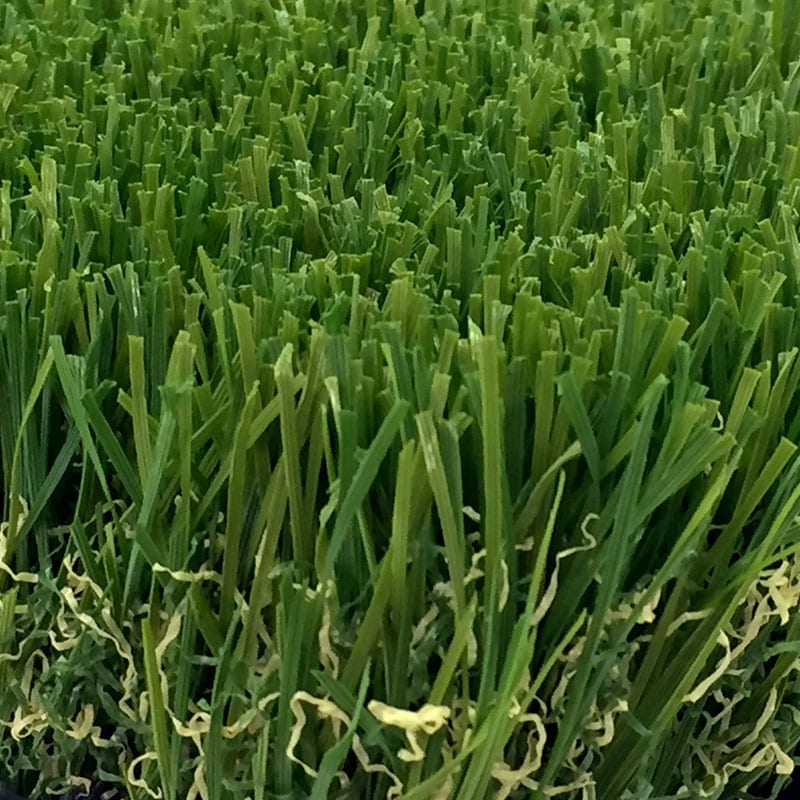
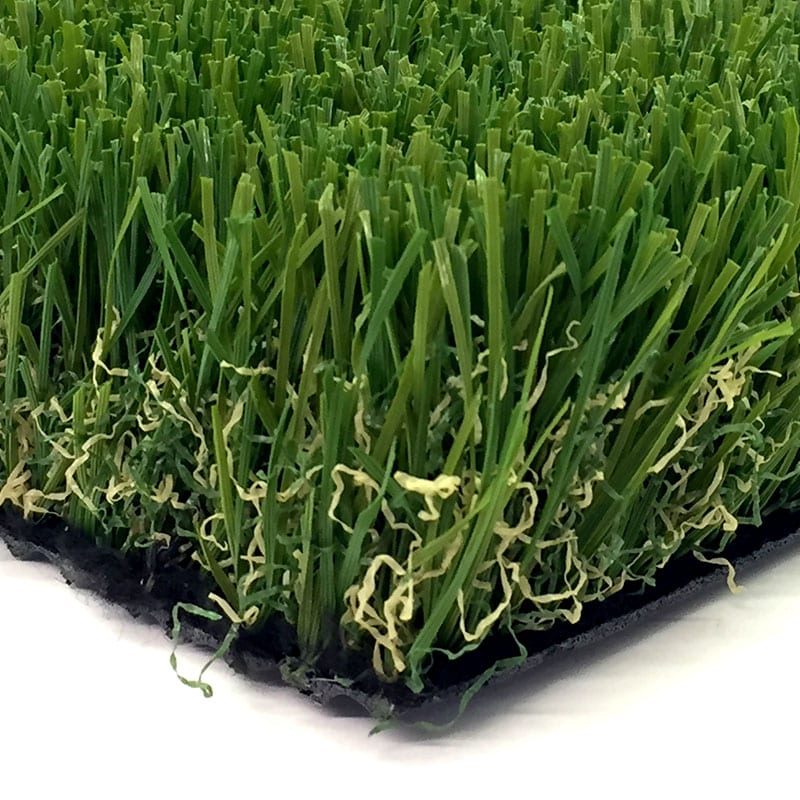
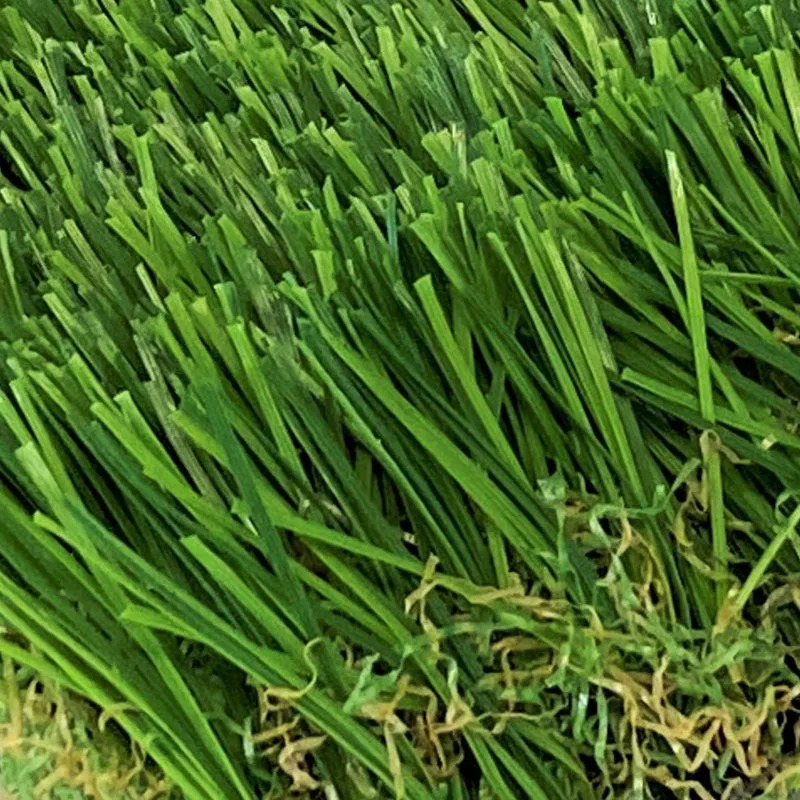
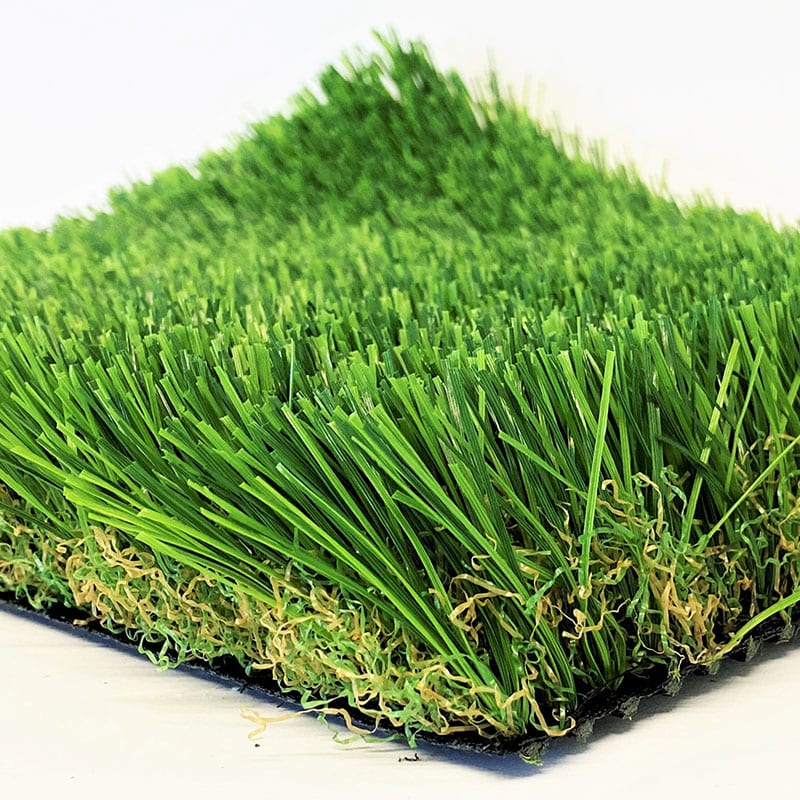
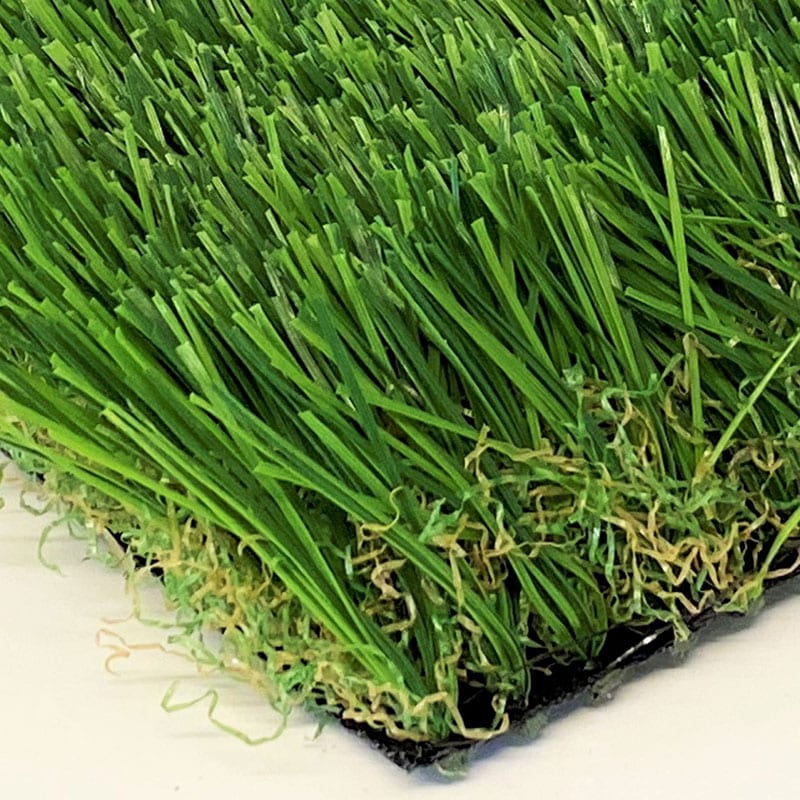
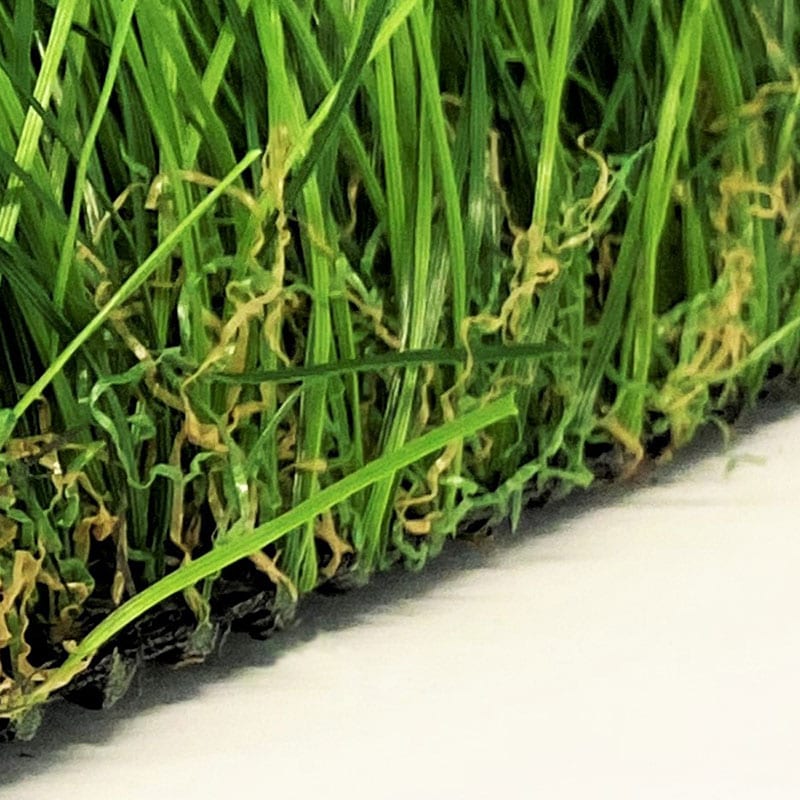
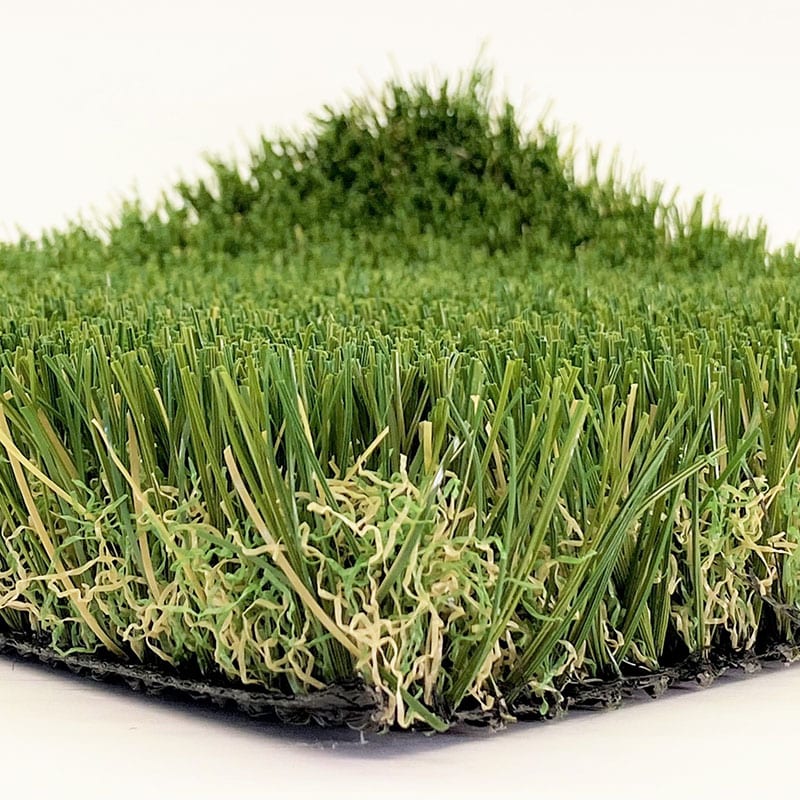
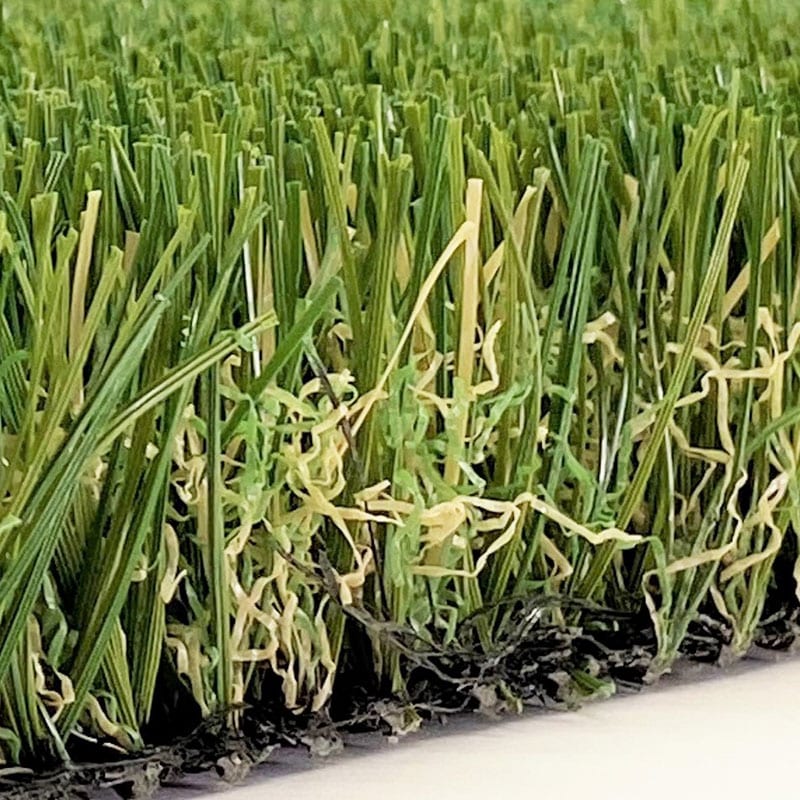
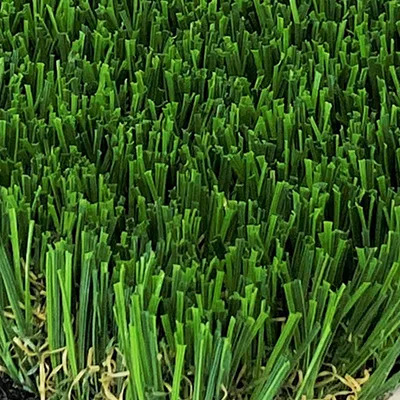
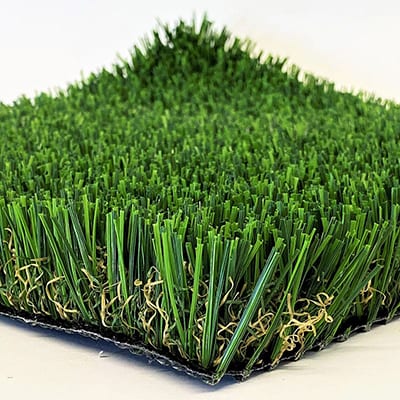
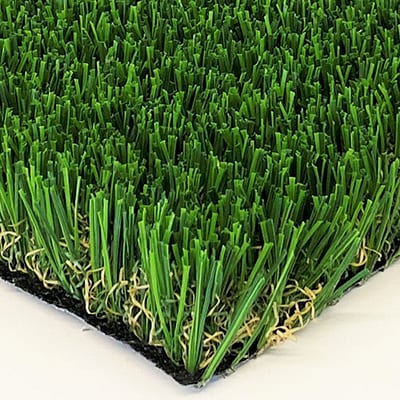
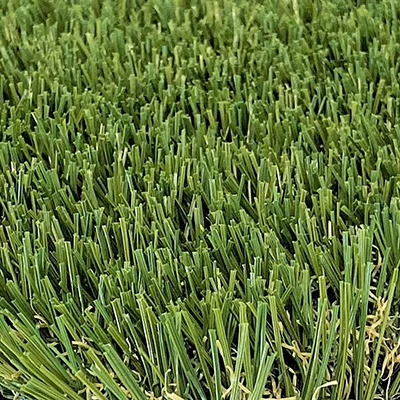
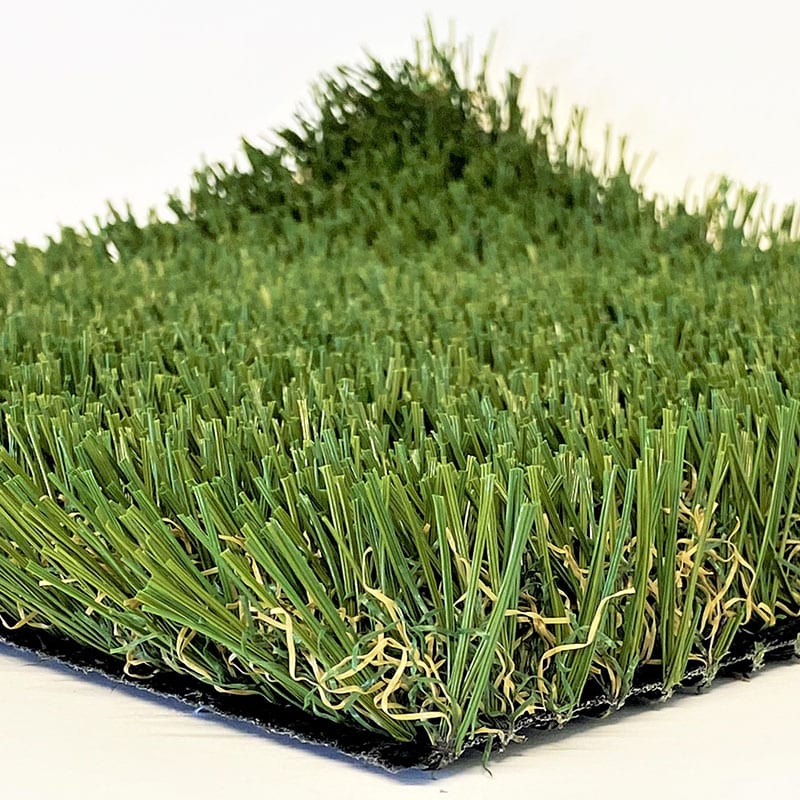
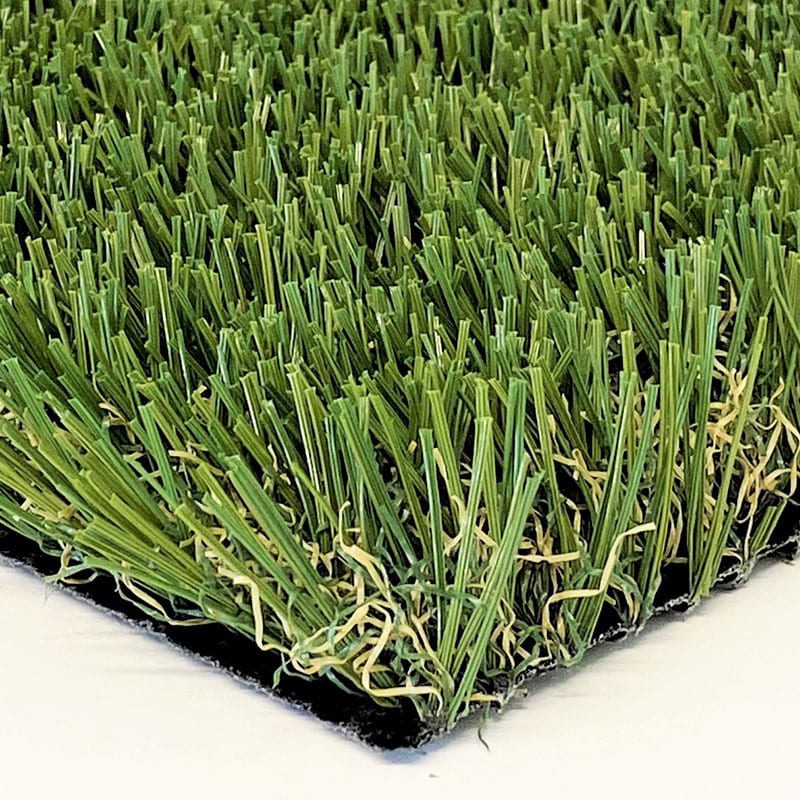
Premium synthetic grass employs quad-color technology, blending multiple shades to mimic natural grass. This masks fading better because the palette already includes lighter and darker tones.
Budget turf has uniform appearance reading as artificial up close. Premium turf uses varied blade shapes and heights, creating a natural look.
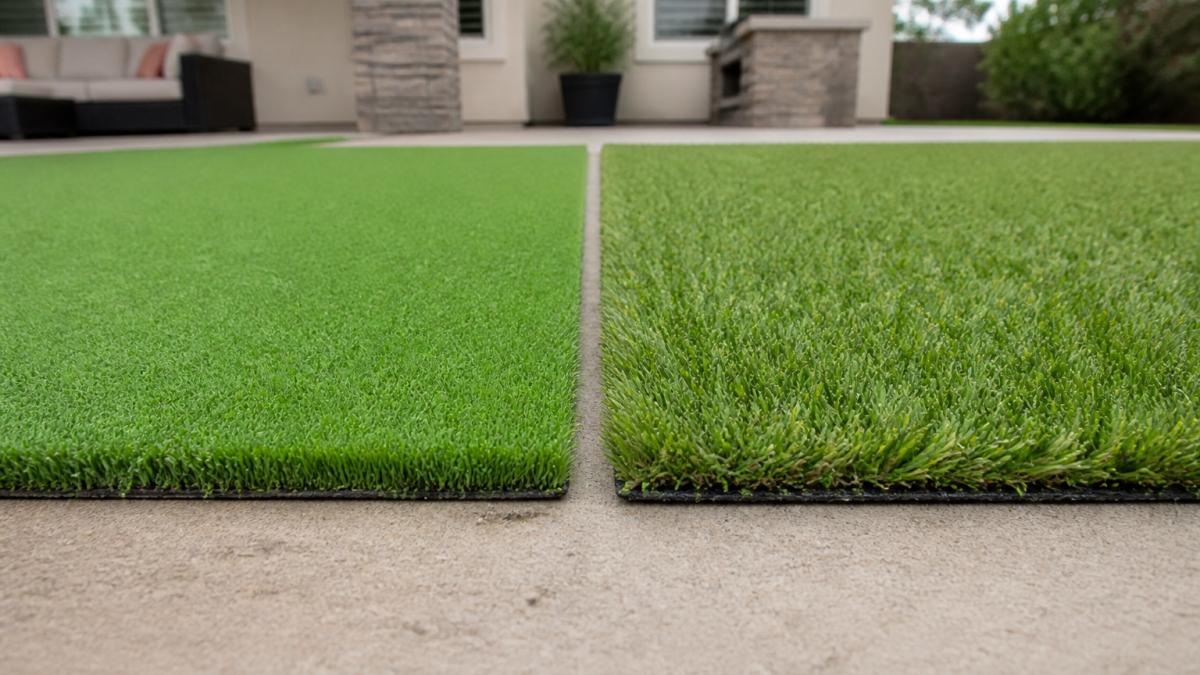
UV resistance determines color fade speed. Budget fibers degrade faster under intense sunlight. Premium fibers include UV stabilizers that slow color loss.
Installation Costs and Hidden Expenses: Artificial Grass Cost Per Square Foot
Installation cost per square foot depends on site preparation, labor, materials, and region. Budget installations cost less because they use cheaper materials and may rush prep. Premium installations include thorough site prep, proper drainage, quality infill, and expert seaming.
Base preparation, removing old grass, grading, compacting soil, and installing drainage, costs the same for budget or premium turf. Skipping base prep causes water pooling, shifting, and premature failure.
Infill materials (sand and rubber granules) add cost. Budget installations may use cheaper infill; premium systems use higher-quality infill with maintenance guidance.
Contact Southern Artificial Turf for a quote.
Installation quality matters as much as turf quality. Poor site prep or rushed installation can ruin even premium synthetic grass. Budget on professional installation over cutting corners to save money upfront.
Best Artificial Turf for Backyard: Choosing the Right Option for Your Needs
Match the product to your use case and evaluate quality before buying.
Choose budget turf if: area is under 300 sq ft, foot traffic is light, you plan to move within 5-7 years, or you’re testing synthetic grass.
Choose premium turf if: area is 300+ sq ft with regular traffic, you have pets or children, you live in a hot climate, you plan to stay 10+ years, or you value consistent appearance and minimal maintenance.
Practical Inspection Checklist: What to Ask and Test
Specification Questions:
- Exact pile height (in inches)? Vague answers are a red flag.
- Face weight (oz/sq yd)? Budget: 50-60; Premium: 70-90+. Below 50 is not recommended.
- Fiber type? Ask for polyethylene, polypropylene, or nylon. “Synthetic blend” without specifics is a red flag.
- Backing construction? Multi-layer is more durable than single-layer.
- Stitch rate (stitches per inch)? Higher (8-10) is better; lower (6-7) is typical of budget products.
- Warranty length and coverage? Premium: 8+ years; Budget: 3-5 years. Check whether it covers fading, backing deterioration, and seam separation.
Physical Inspection (Request Samples):
- Blade uniformity: Premium has varied shapes and heights; budget looks uniform and flat.
- Color variation: Premium has 3-4 tones; budget is single or dual flat green. Premium looks realistic in sunlight and shade; budget may appear washed out.
- Resilience: Press thumb for 5 seconds. Premium springs back quickly; budget shows lasting impression.
- Backing durability: Premium backing resists tearing; budget backing is thin.
- Drainage: Water should drain in 2-3 seconds. Pooling indicates inadequate backing.
Installer Red Flags
- Vague specifications: Reputable installers provide exact pile height, face weight, and fiber type.
- Skipped site prep: Proper installation requires grading, compaction, and base layer. If the quote lacks detail, installation will fail prematurely.
- Unclear warranty: Warranties excluding fading, backing deterioration, or seam separation, or limited to 3 years, indicate budget-grade product.
- Cheap infill: Budget installers recommend low-quality sand without maintenance schedules; premium installers specify infill type and provide a plan.
- No seaming plan: Premium installers plan seams to be invisible and structurally sound.
- High-pressure sales: Reputable installers provide written quotes and time to compare.
Performance Benchmarks You Can Compare
When evaluating products, use these measurable standards:
| Metric | Budget Turf | Premium Turf | How to Verify |
|---|---|---|---|
| Pile Height | 1.25-1.5 inches | 1.75-2.5 inches | Measure with ruler on sample |
| Face Weight | 50-60 oz/sq yd | 70-90+ oz/sq yd | Ask installer; check spec sheet |
| Stitch Rate | 6-7 stitches/inch | 8-10 stitches/inch | Count stitches on sample |
| Fiber Type | Thin polyethylene or polypropylene | High-quality polyethylene or nylon | Ask directly; check documentation |
| Backing Layers | Single-layer | Multi-layer reinforced | Inspect sample backing |
| Drainage Rate | Slow (5+ seconds) | Fast (2-3 seconds) | Pour water on sample |
| Warranty | 3-5 years | 8+ years | Review warranty document |
| UV Resistance | Moderate (fades noticeably by year 5) | High (minimal fading through year 12+) | Ask about UV stabilizers in fiber |
For Pet Owners: Additional Considerations
If you have dogs or cats, premium synthetic grass is strongly recommended. Here’s why:
- Odor resistance: Premium fiber density and backing prevent urine from soaking into the base, which causes odor. Budget turf absorbs urine more easily, leading to persistent smell by year 3-4.
- Durability under claws: Dogs’ nails accelerate wear. Premium turf’s higher fiber density resists claw damage better than budget turf.
- Drainage for frequent use: Dogs use the same spots repeatedly. Premium drainage systems handle concentrated liquid better than budget backing.
Ask the installer about pet-specific infill options (enzyme-treated sand or specialized rubber) and maintenance schedules for pet households.
For Hot Climates: UV and Heat Considerations
In intense sun (South, Southwest), UV resistance is critical:
- Ask whether the fiber includes UV stabilizers (carbon black or other additives that slow degradation).
- Request a color-fade warranty (some premium products guarantee minimal fading for 8-10 years).
- Compare samples side by side after 6 months of outdoor exposure if possible (some installers keep test samples).
- Budget turf in hot climates often shows noticeable fading by year 4-5; premium turf remains vibrant through year 12+.
Do not rely solely on price to determine quality. A $2.50/sq ft product from a reputable installer with proper site prep may outperform a $4.00/sq ft product installed poorly. Always verify specifications, inspect samples, and check the installer’s credentials and warranty terms.
Southern Artificial Turf’s quad-color polyethylene suits most residential backyards, especially in the South, combining realistic appearance, engineered drainage, and multi-layer backing to handle heat and humidity.
Lifecycle Cost Analysis: True Long-Term Value
Lifecycle cost, total cost of ownership over the turf’s lifespan, reveals where budget and premium options truly differ.
16-Year Comparison (500 sq ft, moderate climate):
Budget: Material $1,250-$1,750 + Installation $1,500-$2,000 = $2,750-$3,750 Year 0. Lifespan 8 years; replacement at Year 8 costs same. Year 16 total: $5,500-$7,500 ($344-$469/year).
Premium: Material $2,250-$3,000 + Installation $1,500-$2,000 = $3,750-$5,000 Year 0. Lifespan 15 years; no replacement needed. Year 16 total: $3,750-$5,000 ($234-$313/year).
Premium turf costs $110-$235 less per year despite higher upfront cost.
Maintenance and Repair Costs:
- Infill replenishment: Budget loses infill faster ($200-$400 every 3-4 years); Premium ($200-$400 every 4-5 years).
- Seam repair: Budget separates more easily ($300-$800 per repair, years 5-8); Premium rarely needed.
- Odor and drainage: Budget develops problems, especially in pet households ($200-$600 per treatment); Premium minimal if properly installed.
- Spot replacement: Budget shows wear patterns faster ($250-$500 per 50 sq ft); Premium rarely necessary.
Over 8 years, budget households spend $800-$1,600 on repairs; premium households spend $200-$400.
Hot, sunny climate: Budget shows UV fading by year 4-5, degradation by year 6-8; replacement at year 8 ($6,500-$8,500 total).
Budget turf makes sense if: you plan to move within 5-7 years, the area is decorative or under 200 sq ft, or you’re testing synthetic grass.
Over a 15-year timeline, premium synthetic grass typically costs $2,500-$3,500 less than budget alternatives when you factor in replacement cycles, repairs, and maintenance. The per-year cost difference is often $100-$300 in premium turf’s favor, especially in high-traffic or demanding climates.
Frequently Asked Questions
What is the main difference between cheap and premium synthetic grass?
Budget synthetic grass typically uses lower-density fibers, often polypropylene or polyethylene blends, with shorter pile heights and less realistic coloring. Premium options feature higher face weight, advanced quad-color technology, 100% non-abrasive polyethylene fibers, and superior UV resistance. Premium turf maintains color and texture longer under sun exposure and foot traffic, while budget alternatives may mat down, fade, or show wear within 5-7 years.
Is premium artificial grass worth the extra cost?
Premium synthetic grass costs more upfront but delivers better value over time. A premium installation with an 8-year warranty and superior durability can outlast two budget installations. Budget turf requires earlier replacement and may need repairs for matting or drainage issues. Premium options handle heavy use, pet traffic, and intense sun better, making them worthwhile for households with dogs, children, or high-traffic areas.
How much does artificial grass cost per square foot to install?
Synthetic grass pricing depends on material quality, pile height, density, site preparation, and regional labor costs. Budget turf-only material costs less than premium fiber, but installation complexity, base preparation, and drainage systems add significant expense. For accurate pricing tailored to your space and regional rates, contact Southern Artificial Turf for a detailed quote that breaks down material, labor, and site preparation.
How long does premium artificial grass last compared to budget options?
Premium synthetic grass with proper installation typically lasts 8-12 years or longer, backed by manufacturer warranties. Budget alternatives often wear noticeably within 5-7 years, showing matting, color fading, and reduced drainage performance. Premium polyethylene fibers resist UV damage and foot traffic better, while lower-quality materials degrade faster in heat and humidity. Maintenance and climate also affect lifespan, but premium turf consistently outlasts budget options.
What should I look for when buying artificial turf for my backyard?
Prioritize pile height (1.5-2.5 inches for realistic appearance), face weight (higher density resists matting), and fiber type (polyethylene is more durable than polypropylene). Check drainage capacity, UV resistance rating, and warranty length. If you have pets or children, choose non-abrasive fibers and turf rated for heavy foot traffic. Request samples to compare color and texture, and verify that installation includes proper base preparation and infill for optimal performance.