
Last Updated: November 22, 2026
Quick Summary
A healthy natural grass lawn starts with grass suited to your climate, then healthy soil tested and improved with compost, not synthetic fertilizers. Mow high, water deeply but infrequently, and fill bare patches early so weeds have no room to grow.
- Choose cool-season or warm-season grass based on your local climate and growing conditions.
- Test your soil by sampling 4 to 6 spots about 4 inches deep and sending the mix to an extension lab.
- Add a quarter inch of compost each year and leave grass clippings on the lawn to return nutrients.
- Water about 1 inch per week, including rainfall, and water deeply before 10 a.m.
- Never remove more than one-third of the blade height at one mowing, and keep mower blades sharp.
Table of Contents
- Choosing Grass Suited to Your Climate and Region
- Testing and Improving Your Soil Naturally
- Natural Lawn Care Tips for Feeding, Weeds and Pests
- Lawn Watering and Mowing Best Practices
- Troubleshooting Bare Patches, Compaction and Yellowing
- Month-by-Month Lawn Care Calendar
- Building Your DIY Lawn Care Schedule
- Frequently Asked Questions
Choosing Grass Suited to Your Climate and Region
Natural lawn care starts with the right grass. A natural grass lawn struggles most when the grass type does not match the climate, so choose before you plant. A grass that thrives in one region can fail in another, even a few hundred miles away.
Start by checking your local growing conditions. Look at winter lows, summer heat, rainfall, and how many hours of direct sun your yard gets. Your local county extension office, a USDA Plant Hardiness Zone Map, and regional garden centers can help you match your yard to the right grass.
Cool-Season vs. Warm-Season Grasses
Grass falls into two main groups, and the difference matters for everything you do next.
- Cool-season grasses (such as tall fescue, Kentucky bluegrass, and perennial ryegrass) grow best in northern and transition zones. They green up in spring and fall, then often slow in summer heat.
- Warm-season grasses (such as Bermuda, zoysia, St. Augustine, and centipede) handle heat and humidity well. They grow most in summer and go dormant and brown in winter.
Warm-season grasses tolerate heat and drought better, which is why they are often chosen in hot climates. Transition zones are trickier, and a mix of grass types often works best there.
Testing and Improving Your Soil Naturally
Healthy soil grows healthy grass. Before you feed or seed anything, test your soil. A test shows the pH and nutrient levels, so you stop guessing.
Test your soil in three steps:
- Collect samples from 4 to 6 spots across the yard, about 4 inches deep.
- Mix them in a clean bucket and let them dry.
- Send the mix to a university extension lab for a low-cost analysis.
Most grasses prefer a pH between 6.0 and 7.0. Soil that is too acidic or too alkaline locks up nutrients, even when you apply plenty of fertilizer.
Natural ways to improve soil:
- Add a thin layer of compost, about a quarter inch, each year.
- Leave grass clippings on the lawn so they break down and return nutrients.
- Aerate compacted soil in the growing season to let air, water, and roots move through.
Watch out: Heavy foot traffic or a lot of clay can compact soil and choke roots. Aeration is the usual fix, not more fertilizer.
Natural Lawn Care Tips for Feeding, Weeds and Pests
Natural lawn care works with the ecosystem instead of against it. Feed the soil, grow thick grass, and let the grass crowd out weeds. The trade-off is patience: organic inputs release nutrients slowly, so results show over a full season rather than a week.
Feeding your lawn naturally:
- Use slow-release organic fertilizers such as compost, aged manure, or an organic granular blend with a nitrogen-phosphorus-potassium ratio close to 3-1-2 or 4-1-2. These release nitrogen over weeks instead of days.
- Feed warm-season grass in late spring and again in midsummer, and cool-season grass in early fall and again in late fall. Avoid feeding either type during its dormant season.
- Apply compost at roughly a quarter inch across the lawn once a year, ideally in fall, and let earthworms and soil microbes work it in.
- Leave grass clippings on the lawn. Clippings return nitrogen and moisture, and they do not cause thatch buildup when you mow regularly.
Watch out: Fast-release synthetic fertilizers can burn grass and wash into waterways, but organic products are not risk-free either. Overapplying compost or manure can load the soil with phosphorus and trigger runoff, so follow your soil test rather than a calendar.
Controlling weeds without harsh chemicals:
- Mow high so the grass shades out weed seeds. Cool-season grasses do best at 3 to 3.5 inches; warm-season grasses at 1.5 to 2.5 inches depending on species.
- Pull weeds by hand after rain, when roots come out easily. Get the whole taproot on dandelions and plantain or they regrow.
- Spot-treat with a corn gluten meal product in early spring to stop crabgrass seeds from sprouting. Corn gluten meal also adds nitrogen, but it works only before seeds germinate, not after.
- Overseed thin areas in fall so desirable grass fills the space before weeds do. Bare soil is an invitation.
Managing pests and disease with an integrated approach:
- Identify the problem before you treat it. Many insects in a lawn are harmless or beneficial, and a healthy lawn tolerates a surprising amount of feeding.
- Scout for grubs by lifting a square foot of turf at the edge of a brown patch. A dozen or more grubs per square foot is a common threshold for action; a few are normal.
- Water deeply and less often to reduce fungal problems. Most turf diseases, including brown patch and dollar spot, spread fastest in humid, consistently wet conditions.
- Encourage beneficial insects and birds with a varied yard. Flowering borders and a brush pile support predators that keep pest populations in check.
- If a treatment is needed, choose the least disruptive option first, such as beneficial nematodes for grubs or a potassium bicarbonate product for certain fungal issues, and treat only the affected area.
Keep it practical. A dense, well-fed lawn resists most problems on its own, and a natural program gets stronger each year as soil biology improves.
Lawn Watering and Mowing Best Practices
Watering and mowing have a bigger effect on lawn health than most homeowners expect. Get these two right and your grass will stay thick and green.

Watering tips:
- Give the lawn about 1 inch of water per week, including rainfall.
- Water deeply and infrequently so roots grow down.
- Water early in the morning, ideally before 10 a.m., to reduce evaporation and disease.
Use a rain gauge or an empty tuna can to measure how much water your sprinklers deliver.
Mowing tips:
- Mow only when the grass is dry.
- Never remove more than one-third of the blade height at one time (Maintaining an Established Lawn).
- Keep blades sharp so cuts stay clean and do not tear the grass.
Set your mower high. Taller grass shades the soil, holds moisture, and crowds out weeds.
Troubleshooting Bare Patches, Compaction and Yellowing
Most lawn problems have a clear cause. Match the symptom to the likely fix.
| Symptom | Likely Cause | Natural Fix |
|---|---|---|
| Bare patches | Heavy shade, foot traffic, or pests | Reseed in fall and limit traffic |
| Compacted soil | Heavy use or clay soil | Core aerate in the growing season |
| Yellowing grass | Low nitrogen or overwatering | Apply compost and adjust watering |
| Brown, dead spots | Grubs or fungal disease | Check roots, then water deeply and early |
Bare patches usually mean the grass cannot grow there. Shade, heavy use, or poor soil are common reasons. Loosen the soil, add compost, and overseed in the fall.
Yellowing often signals low nitrogen or too much water. Check your watering first, then feed with compost if the soil is poor.
Month-by-Month Lawn Care Calendar
Timing separates a good lawn from a great lawn, but the right timing depends on whether you grow cool-season or warm-season grass. Use the calendar below for your grass type, then shift dates by a few weeks to match your local climate. Your county extension office publishes local timing for your area.
Cool-season grasses (tall fescue, Kentucky bluegrass, perennial ryegrass):
- Late winter to early spring: Rake debris, test soil, and apply a pre-emergent for crabgrass when soil temperatures reach about 55°F. Do not fertilize yet; let the grass green up on its own.
- Spring: Begin mowing high at 3 to 3.5 inches, spot-weed, and water only if rainfall is short. Save major feeding for fall.
- Summer: Water deeply, mow high, and watch for heat stress and fungal disease. Avoid fertilizing in midsummer heat.
- Early fall: This is the most important window. Aerate, overseed thin areas, and apply compost or an organic fertilizer.
- Late fall: Feed cool-season grass one last time while it is still growing, and rake leaves to prevent matting.
- Winter: Keep foot traffic off frozen or dormant grass and plan next year’s work.
Warm-season grasses (Bermuda, zoysia, St. Augustine, centipede):
- Late winter to early spring: Rake debris, test soil, and apply a pre-emergent for crabgrass before green-up. Delay until the lawn is fully green if you overseeded with ryegrass for winter color.
- Late spring: Begin mowing at the height suited to your species, feed with an organic fertilizer, and spot-weed.
- Summer: This is the growing season. Water deeply, mow often, and feed again in midsummer. Watch for pests and heat stress.
- Early fall: Aerate compacted areas and add compost. Do not overseed warm-season grass in fall; it needs warm soil to establish.
- Late fall: Rake leaves and reduce watering as growth slows.
- Winter: The lawn goes dormant and brown. Keep foot traffic off it and plan next year’s work.
Watch out: Pre-emergent herbicides block all seeds, including grass seed. If you plan to overseed, skip the pre-emergent that season or wait the number of weeks on the product label before seeding.
Adjust this calendar for your region. A lawn in a short growing season may compress spring and fall work into a few weeks, while a long growing season stretches the same tasks across more of the year.
Building Your DIY Lawn Care Schedule
A simple schedule keeps your lawn healthy without constant effort. Print the calendar above and add your own reminders.
Steps to build your schedule:
- List your grass type and your region’s growing season.
- Set reminders for soil testing, feeding, aeration, and overseeding.
- Track watering with a rain gauge each week.
- Check the lawn every two weeks for early signs of trouble.
- Adjust your plan each season based on what you observe.
A consistent routine beats occasional intense effort. Small, regular steps keep a natural grass lawn thick, green, and resilient year after year.
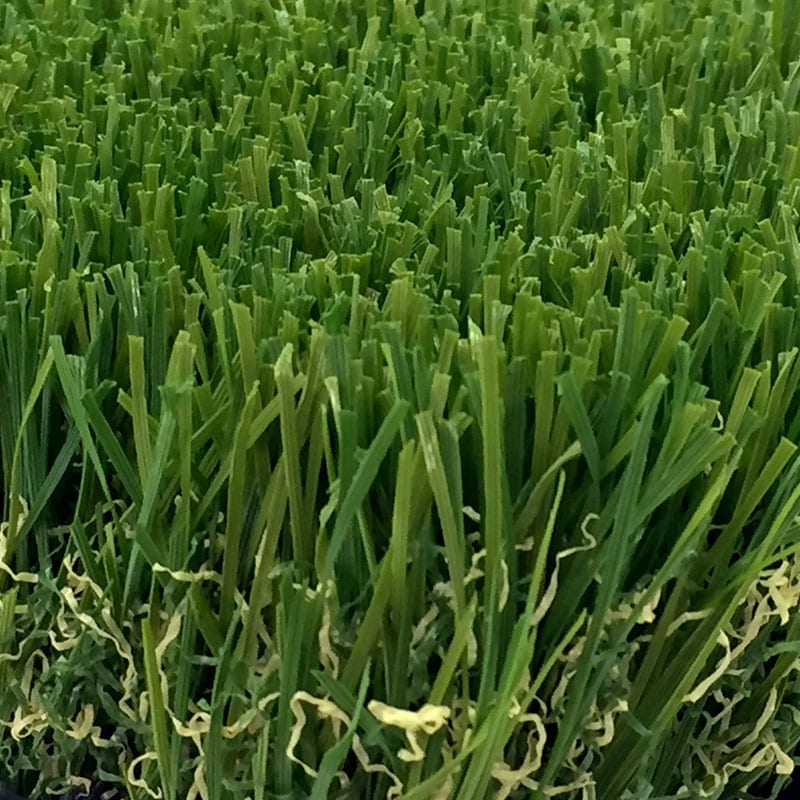
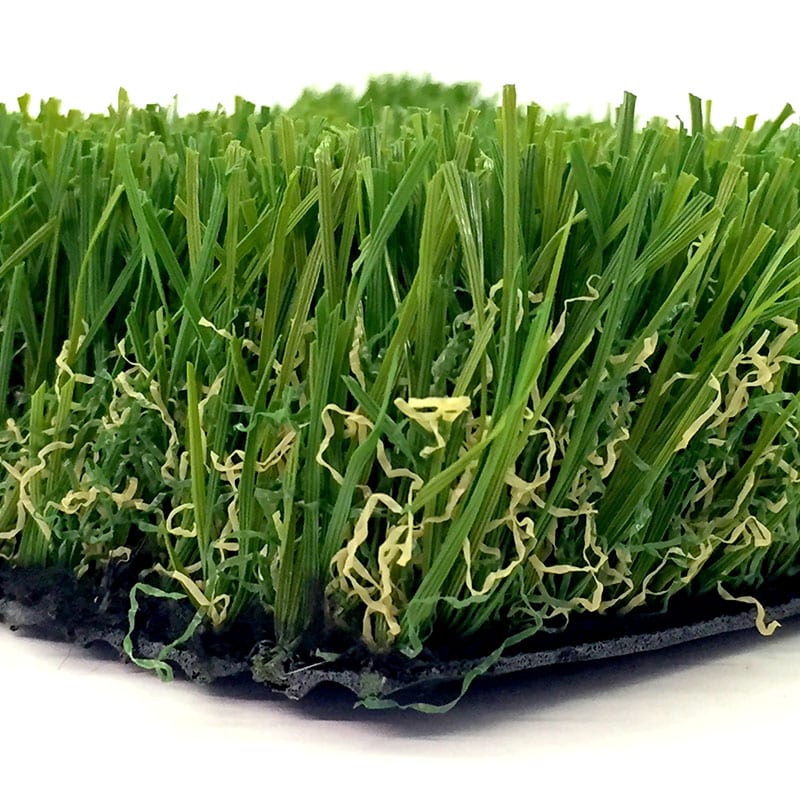
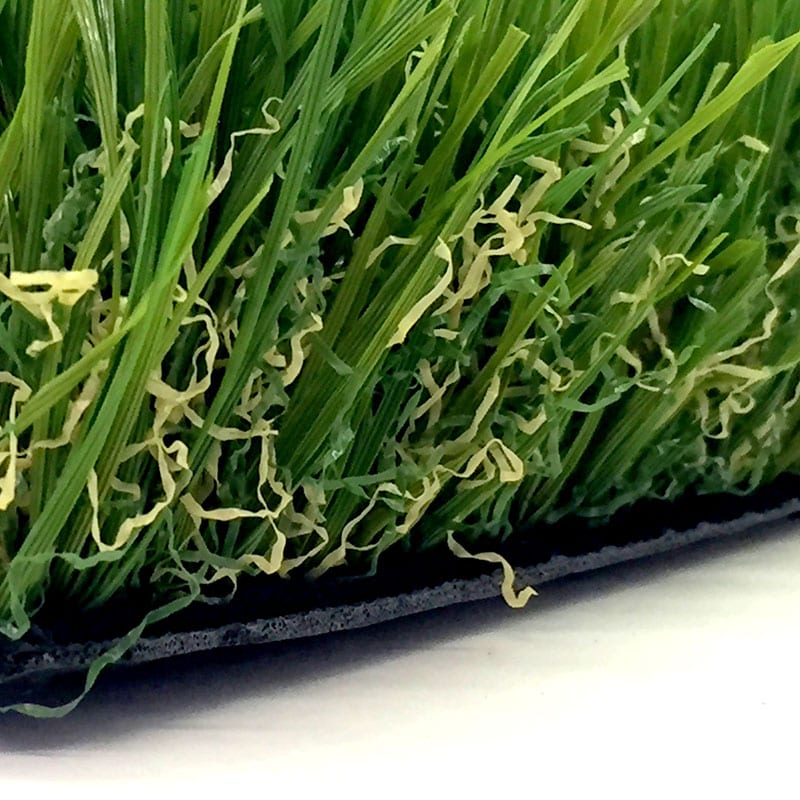
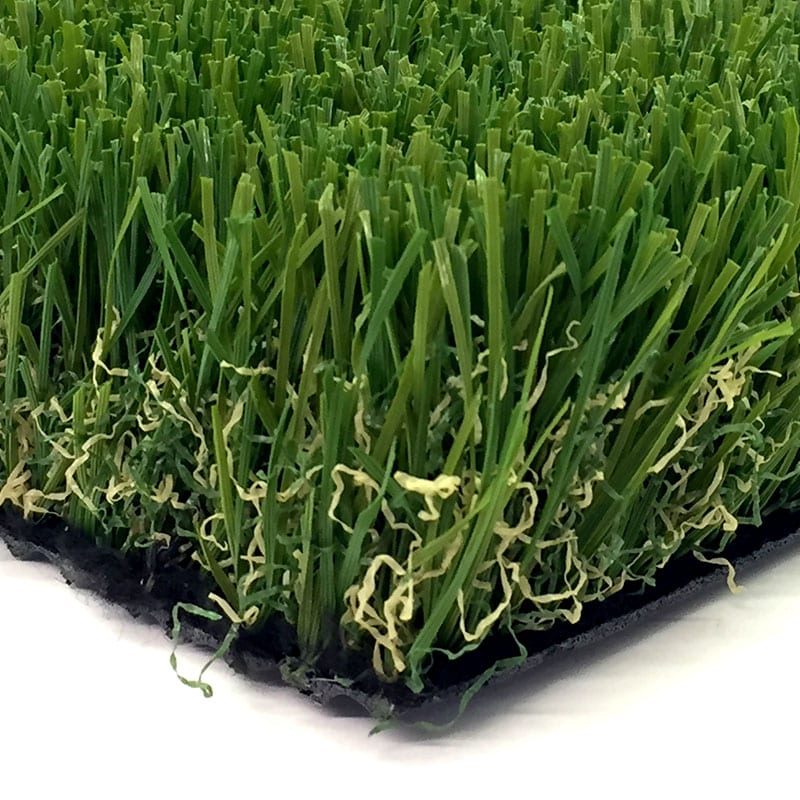
Want less work and a lawn that stays green all year? Southern Artificial Turf offers premium synthetic grass with quad-color technology, non-abrasive polyethylene fibers, and an 8-year warranty. It drains at 30 inches per hour and needs no watering, mowing, or fertilizing. Get a quote from Southern Artificial Turf to see whether synthetic turf fits your yard.
Frequently Asked Questions
How often should homeowners mow a natural grass lawn?
Mow often enough that you never remove more than about one-third of the grass blade in a single session. For most cool-season lawns this means mowing every five to seven days during peak growth in spring and fall, and less often in summer when growth slows. Keep the blade sharp so cuts stay clean, and leave clippings on the lawn when they are fine, since they return nitrogen and moisture to the soil. Raise the mower deck during hot, dry stretches to help the turf shade its roots.
How much water does a natural grass lawn need?
Most established lawns need about one inch of water per week, including rainfall. Check by placing a few empty cans on the lawn while the sprinklers run and timing how long it takes to collect one inch. Water deeply and less often, roughly two to three times a week, so roots grow downward. Watering at dawn reduces evaporation and lowers the chance of fungal disease, and avoid watering in the evening when the grass stays wet overnight.
How can I keep weeds out of my lawn naturally?
The most effective natural approach is a dense, healthy lawn that leaves weeds little room to establish. Mow at the recommended height for your grass type, water deeply but infrequently, and overseed thin areas in the appropriate season. Pull isolated weeds by hand when the soil is moist so the roots come out whole. Corn gluten meal can suppress some annual weed seeds when applied before germination, though it does not control weeds that have already sprouted.
When should I fertilize my lawn?
Feed your lawn during its active growing season, which is spring and early fall for cool-season grasses and late spring through summer for warm-season grasses. Use a slow-release, organic-based fertilizer and follow the rate on the label, since overapplication can burn turf and waste nutrients. A soil test, often available through your state cooperative extension office, will show which nutrients your soil actually needs before you buy any product.