
Table of Contents
- Why Homeowners Seek SynLawn Alternatives
- Top SynLawn Alternatives for Residential Backyards: A Comparison
- Best Artificial Turf for Backyard: What Separates the Leaders
- Artificial Grass Installation Cost: DIY vs Professional
- Durable Synthetic Grass for Pets: What to Look For
- Organic Alternatives to Fake Grass: Clover, Moss, and Hardscaping
- How to Choose the Right Alternative for Your Backyard
- Frequently Asked Questions
Last Updated: September 16, 2026
Why Homeowners Seek SynLawn Alternatives
Homeowners search for a SynLawn alternative for three reasons: cost, drainage under heavy use, and how the surface feels underfoot for kids and pets. SynLawn helped build the residential turf market, but it is no longer the only credible option.
This guide from Southern Artificial Turf compares leading alternatives on drainage, fiber softness, warranty, and pet durability.
The right turf for your yard depends on three things: how many feet and paws use it daily, how well water moves off it, and whether you are installing it yourself or hiring out.
Top SynLawn Alternatives for Residential Backyards: A Comparison
Five brands dominate the residential conversation, each leading in a different category.
| Brand | Standout Strength | Best For | Installation Model |
|---|---|---|---|
| Southern Artificial Turf | Quad-color realism, non-abrasive fiber | Families wanting a soft, natural look | Custom quote by square footage |
| Everlast Turf | Rapid drainage engineering | High-traffic yards and pet runs | Professional installation |
| Top Notch Turf | Custom layouts, local pricing | Unusual yard shapes | Project-based quote |
| StarPro Greens | Putting green performance | DIY installers | Retail and wholesale |
| Southern Artificial Turf (pet line) | 30 in/hr drainage, EPA-referenced materials | Dog owners | Custom quote |
Everlast Turf: Heavy-Duty Drainage for High-Traffic Yards
Everlast Turf builds its reputation on water evacuation. Its multi-layer backing and UV-stabilized fibers suit constant-use yards, with pile heights from a short sporty cut to a longer, softer blade.
Top Notch Turf: Custom Installations at Competitive Local Prices
Top Notch Turf competes on flexibility. For odd shapes, slopes, or a mix of play area and landscaping, their project-based model handles non-standard layouts that national franchises often decline or price high.
Southern Artificial Turf: Quad-Color Realism Meets Pet-Safe Softness
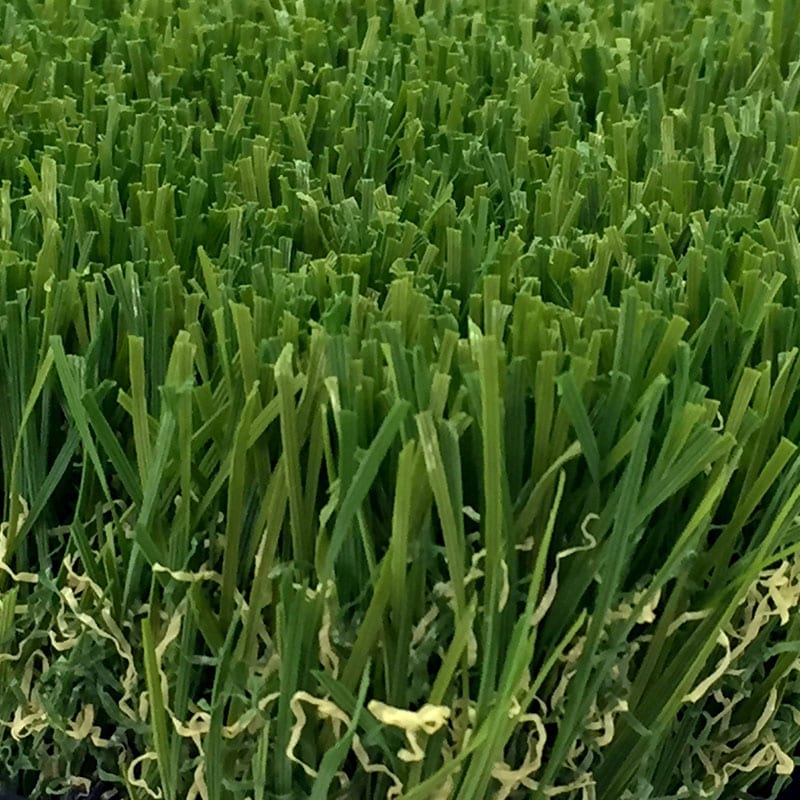
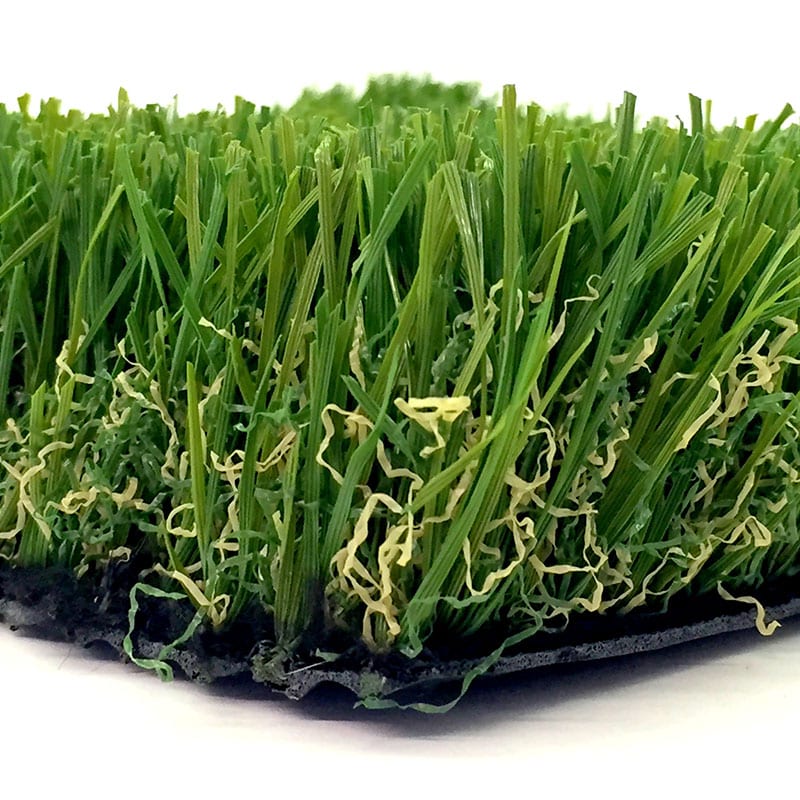
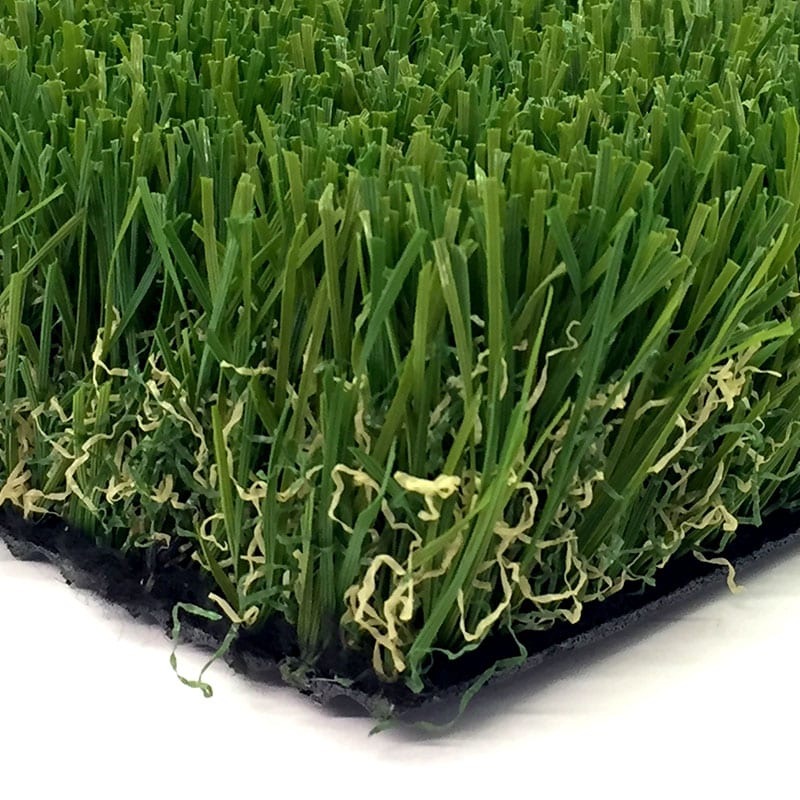
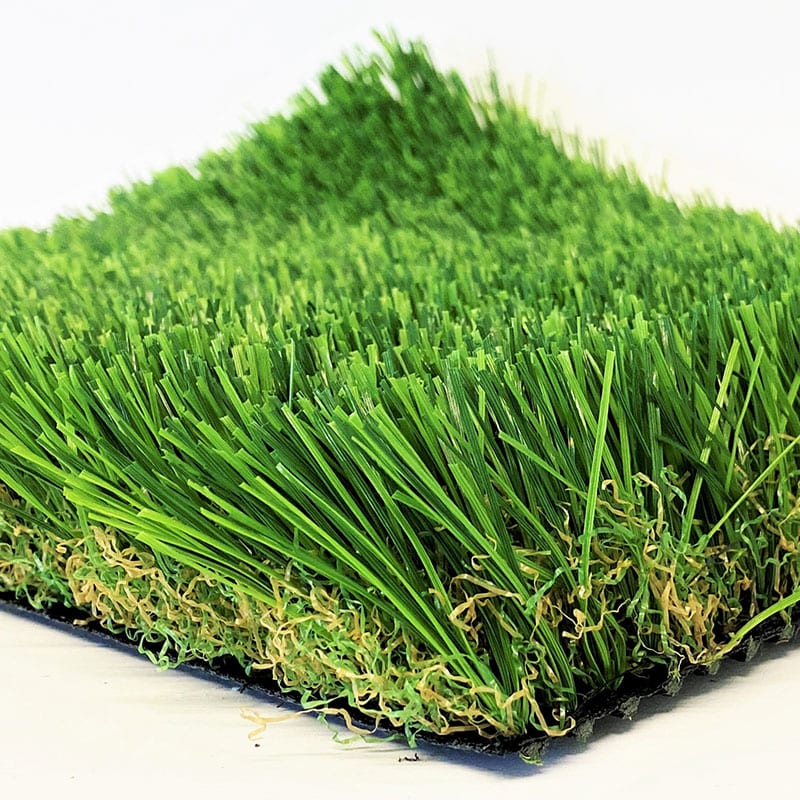
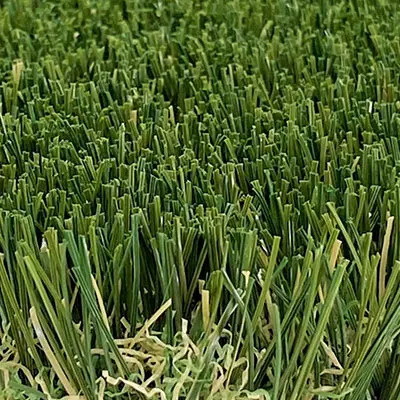
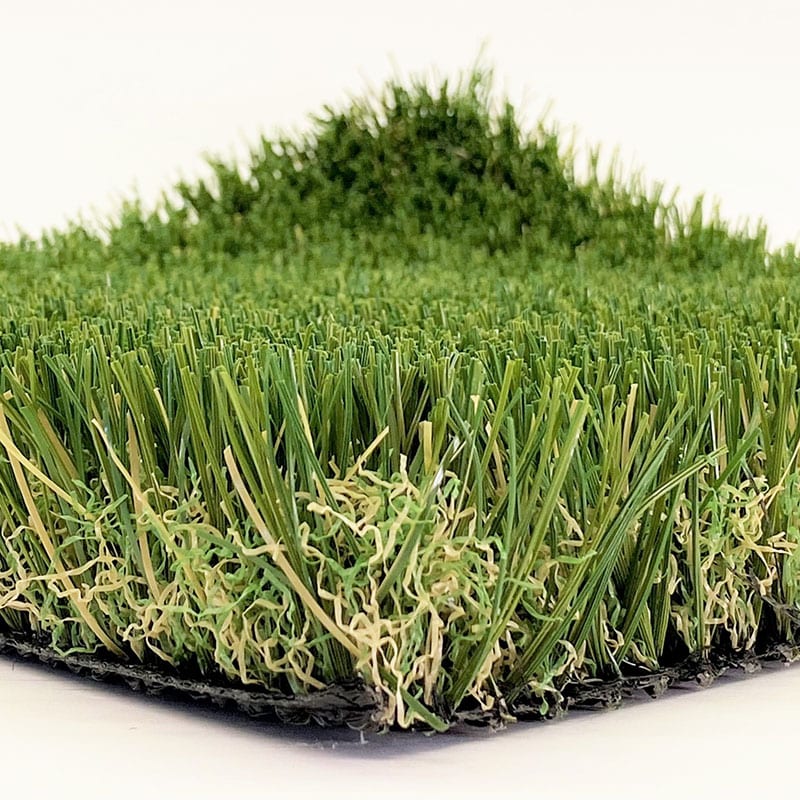
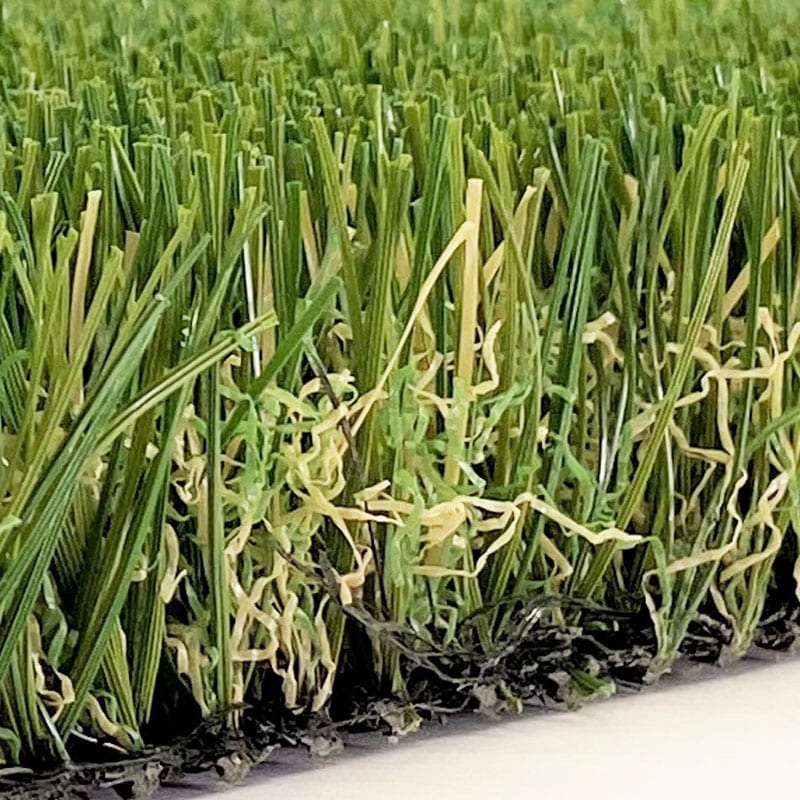
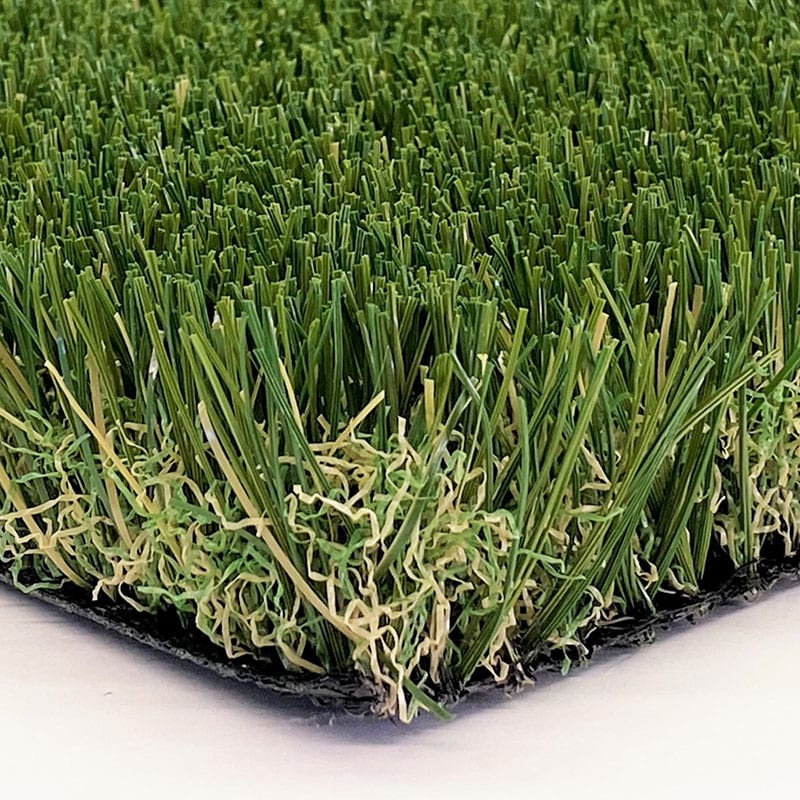
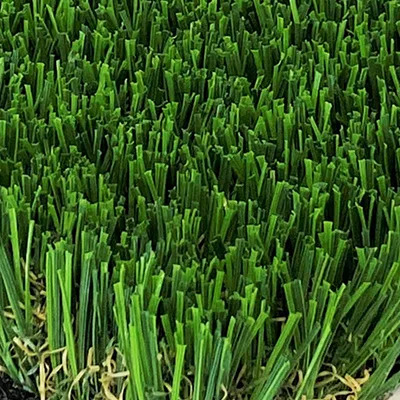
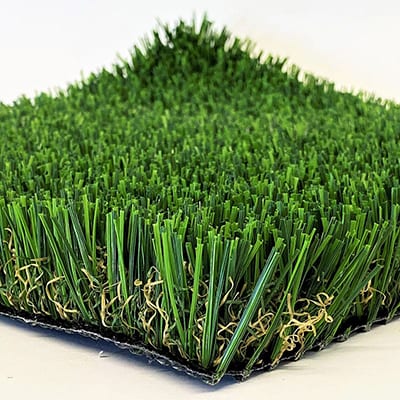
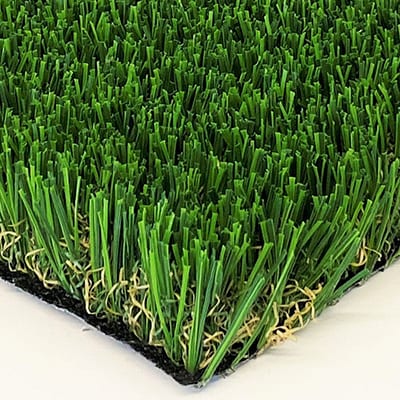
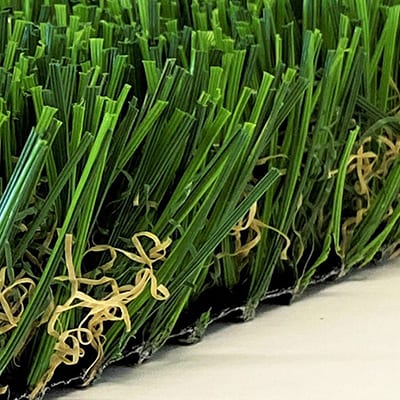
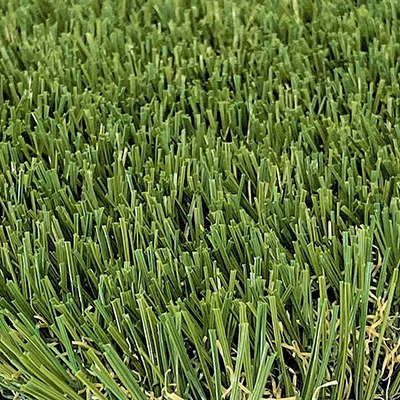
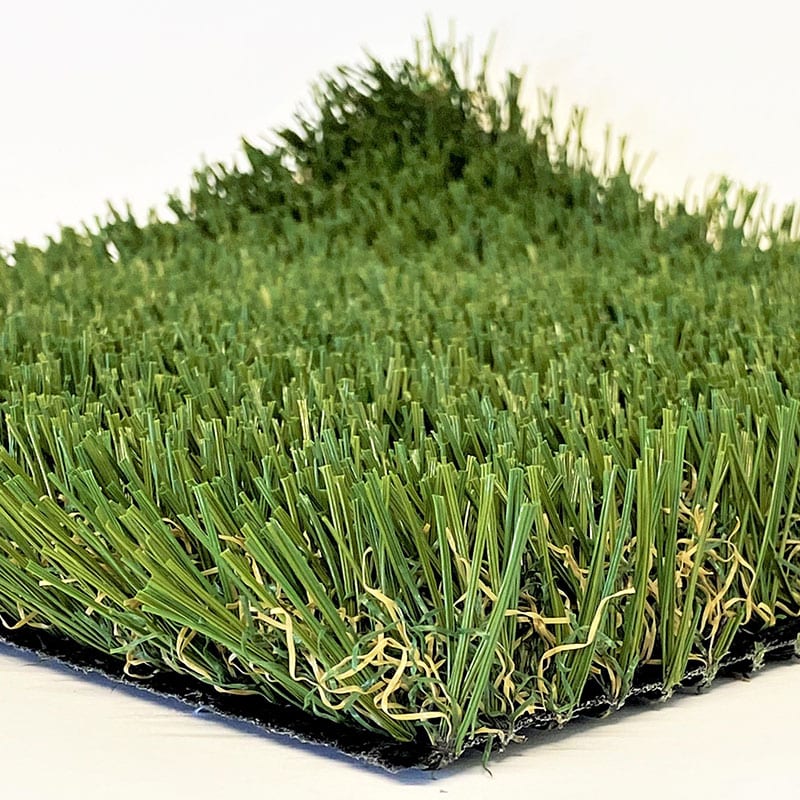
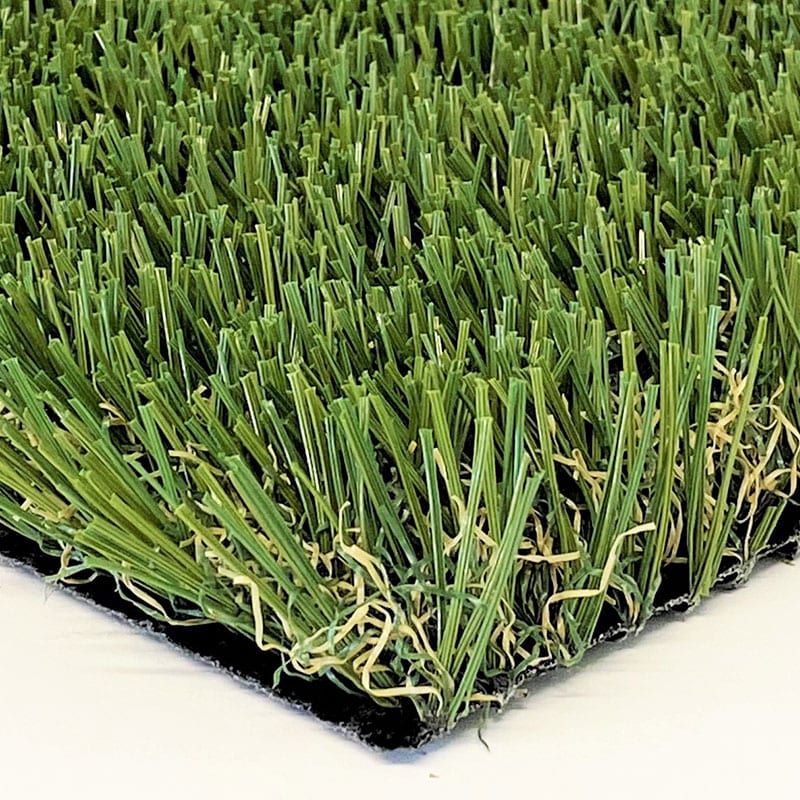
Southern Artificial Turf is our top pick for most residential backyards. Quad-color technology blends multiple fiber tones so the surface reads as real grass instead of a flat green carpet, the most common complaint about cheaper turf.
StarPro Greens: DIY-Friendly and Putting-Green Ready
StarPro Greens comes up when the project includes a backyard putting green. Their turf is engineered for consistent ball roll, with high-density construction and weather-resistant backing for varied climates.
Best Artificial Turf for Backyard: What Separates the Leaders
The best artificial turf for backyard use balances four specs: drainage rate, fiber softness, UV resistance, and warranty length. Get them right and the surface still looks and feels good in year eight; get them wrong and you will replace matted patches long before the warranty expires.
- Drainage capacity: Look for a stated rate. Southern Artificial Turf publishes 30 inches per hour; vague “excellent drainage” claims usually mean an undersized sub-base.
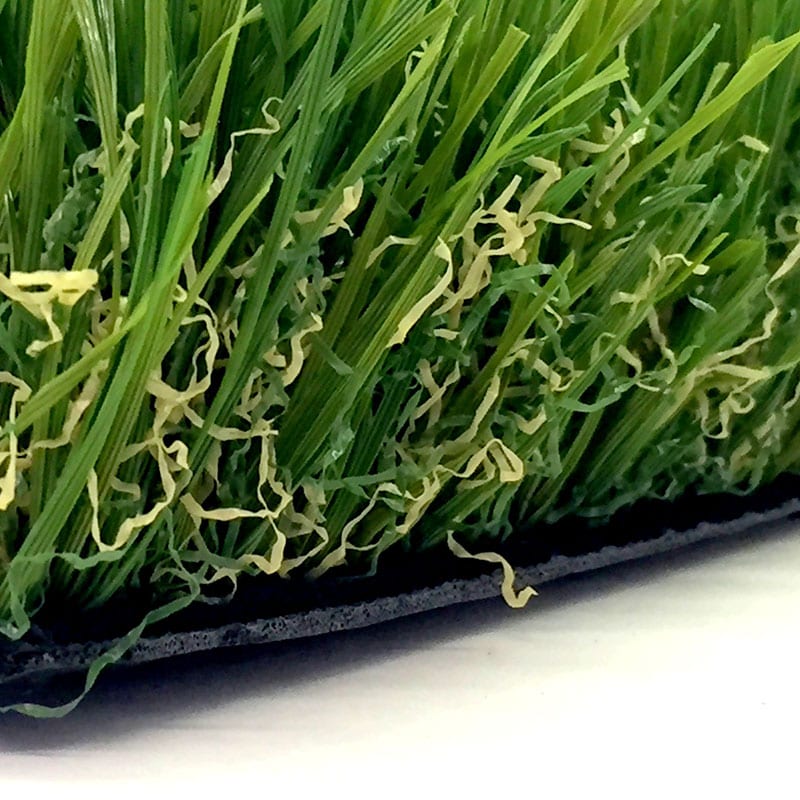
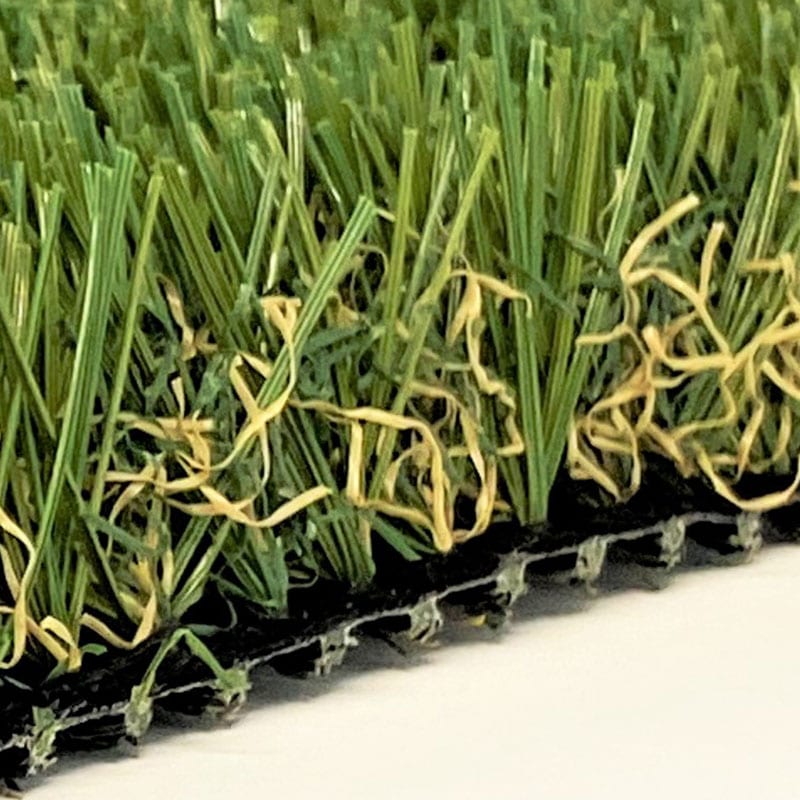
- Fiber composition: Non-abrasive polyethylene stays soft underfoot. Cheaper blends stiffen with UV exposure and feel like plastic within a season.
- Color blending: Quad-color and multi-tone fibers hide footprints and pet traffic far better than single-tone turf.
- Warranty terms: An 8-year warranty signals confidence in UV stability. Anything under five years should raise questions.
Artificial Grass Installation Cost: DIY vs Professional
Most guides stop at “get a quote.” Here is what drives the number.
What you are actually paying for
- Turf material: Priced per square foot and scaled by face weight (ounces per square yard) and pile height. A short, dense pet or putting-green product costs more than a tall, low-density landscape product.
- Infill: Silica sand is the cheap default; zeolite and coated antimicrobial infills cost more but do more for odor and blade support.
- Sub-base aggregate: Crushed stone or decomposed granite, delivered and spread. This is a real line item most DIY budgets forget.
- Weed barrier and seam tape: Small line items, but skipping them is how weeds and lifted seams show up in year two.
- Labor: Excavation, hauling old sod, grading, compaction, cutting, seaming, and infill spreading, the biggest swing factor between DIY and professional.
- Equipment rental: Plate compactor, sod cutter, wheelbarrows, hand tools. Rentals add up fast on a large yard.
The DIY vs professional trade-off, line by line
| Factor | DIY Installation | Professional Installation |
|---|---|---|
| Material cost | Same retail or wholesale pricing | Often lower via installer rates |
| Site prep | Your labor, your equipment rental | Included in project quote |
| Drainage grading | Easy to get wrong | Engineered into the sub-base |
| Warranty coverage | Typically void or reduced | Full manufacturer warranty |
| Timeline | Weekends over several weeks | Usually days, not weeks |
| Best for | Small, flat, simple yards | Slopes, large areas, pet runs |
When DIY is the right call
A realistic DIY candidate has a small, level yard (roughly a few hundred square feet), basic tool access, a way to haul away old sod, and patience for the base work. If you can dig, grade, and compact correctly, you can install turf. Savings come almost entirely from labor, you are not getting a discount on materials.
When professional installation pays for itself
Slopes, tight side-yard access, large areas, existing irrigation, and pet runs push the math toward professional installation. A failed sub-base, pooling water, shifting seams, weeds, costs more to fix than installation ever would, because the fix means pulling up the turf and starting the base over.
DIY warranties are the most common surprise. Many manufacturers reduce or void coverage when the material is not installed by an approved contractor, so read the warranty terms before you decide to save on labor.
How to compare quotes fairly
Ask every installer for the same four things in writing: measured square footage, turf face weight and pile height, sub-base depth and aggregate type, and warranty length. Quotes showing only a square-foot price hide the variables that decide whether the surface still looks good in year eight.
Durable Synthetic Grass for Pets: What to Look For
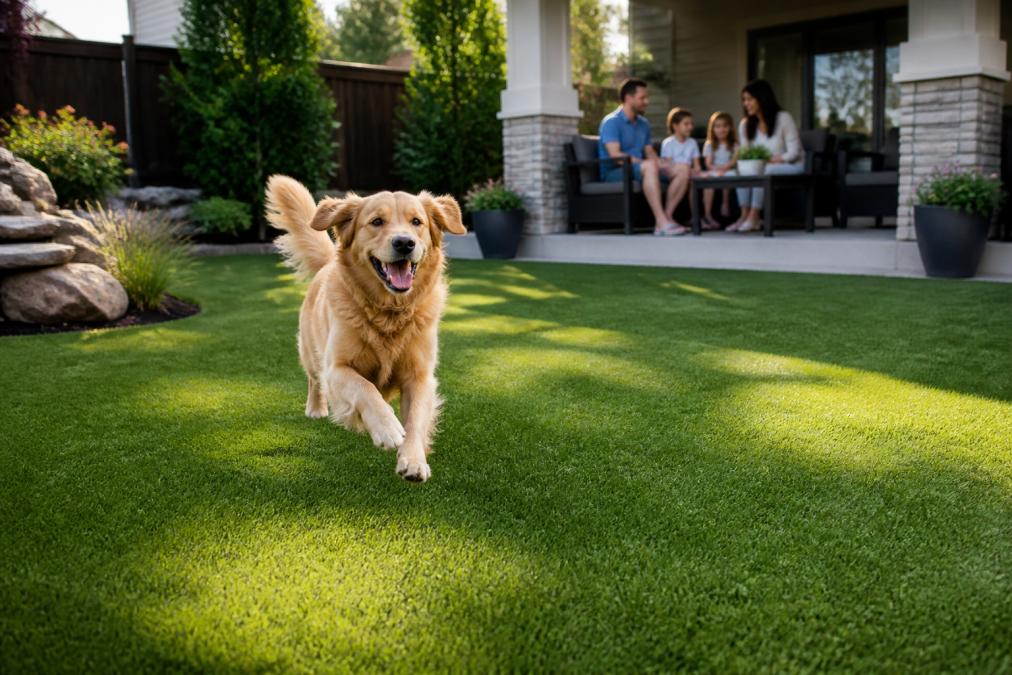
Durable synthetic grass for pets needs three properties: fast drainage, non-abrasive fiber, and odor control built into the base.
The three pet-surface tests
Drainage. Urine and rain both have to leave the surface fast. A high turf drainage rate, 30 inches per hour is a strong published figure, moves liquid through the backing into the sub-base before it pools. Natural grass drains well until compaction turns high-use zones into mud. Gravel drains fast but is rough on paws; mulch drains moderately and breaks down over time.
Pet surface comparison at a glance
| Surface | Drainage | Odor Control | Paw Safety |
|---|---|---|---|
| Synthetic turf (high-drainage, zeolite infill) | Fast, controlled | Strong with proper base and infill | Soft, non-abrasive fiber |
| Natural grass | Good until compacted | Poor once soil saturates | Soft but tears into mud |
| Clover | Moderate | Poor in heavy traffic | Soft, not built for daily dog use |
| Gravel / decomposed granite | Fast | No absorption; runoff concern | Rough, retains heat |
| Pavers | Fast | No absorption; runoff concern | Hot in sun, no cushioning |
| Mulch | Moderate | Poor; breaks down | Soft but messy and short-lived |
What to check before buying turf for a dog yard
- Drainage rate: A published rate like 30 inches per hour moves urine and rain through fast, which limits odor and standing water.
- Fiber softness: Non-abrasive polyethylene resists the wear that turns high-traffic zones into matted patches.
- Backing strength: Multi-layer backing holds seams together when a dog digs or sprints.
- Infill choice: Zeolite-based infills help with odor; standard silica is cheaper but does less for smell.
- Lead-free materials: Look for products that meet or exceed EPA standards for RCRA hazardous waste heavy metals.
The maintenance reality for pet turf
Even the best pet turf needs a rinse routine: a quick hose-down of high-use zones, periodic infill top-off, and prompt cleanup of solid waste keep odor from building in the base. That is less work than reseeding mud patches every spring, but it is not zero maintenance, any guide that says otherwise is selling, not advising.
The most common pet-yard mistake is installing turf over soil that was not compacted and graded. Urine pools under the surface, odor builds, and the fix means pulling up the entire installation.
Organic Alternatives to Fake Grass: Clover, Moss, and Hardscaping
The honest verdict: organic options win on environmental footprint and up-front cost. Synthetic turf wins on play area safety, foot traffic tolerance, and year-round appearance. Many backyards end up with both.
How to Choose the Right Alternative for Your Backyard
A backyard surface should survive real life: muddy paws, barefoot sprints, and a summer that never lets up. Southern Artificial Turf builds for exactly that, with quad-color technology for a natural look, 100% non-abrasive polyethylene fiber for comfort, 30 inches per hour drainage for heavy use, and an 8-year warranty. Materials meet or exceed EPA standards for RCRA hazardous waste heavy metals, including lead.
Frequently Asked Questions
What are the best alternatives to SynLawn for residential backyards?
Top alternatives include Everlast Turf, Southern Artificial Turf, and StarPro Greens. Each offers distinct advantages: Everlast for heavy foot traffic, Southern Artificial Turf for realistic quad-color fibers and pet-safe softness, and StarPro Greens for DIY putting greens.
How does Southern Artificial Turf compare to national synthetic grass brands?
Southern Artificial Turf uses quad-color technology for a natural look and non-abrasive polyethylene fibers that are soft underfoot. It carries an 8-year warranty and a 30-inch-per-hour drainage rate, matching or exceeding many national brands. It also meets EPA standards for heavy metals, making it a safe choice for pets and children.
What factors should I consider when choosing an artificial turf provider?
Look at material durability (UV resistance, pile height), drainage capacity, warranty length, and safety certifications (lead-free, non-abrasive). For pet owners, prioritize antimicrobial infill and high permeability.
Is premium synthetic grass worth the investment for residential landscaping?
Premium turf eliminates watering, mowing, and fertilizing, saving time and money long-term. For pet owners, it prevents mud and dead patches. If you plan to stay in your home for several years, the reduced upkeep and consistent curb appeal can be a valuable investment.