
Table of Contents
- Why Synthetic Grass Outperforms Natural Turf for Putting Greens
- Ball Roll and Putting Green Turf Stimpmeter Speed
- Artificial Putting Green Maintenance Requirements
- Durability and Weather Resistance
- Synthetic Turf Putting Green Installation Cost and Long-Term Value
- Customization and Professional-Grade Performance
- Comparison: Synthetic vs. Natural Putting Surfaces
- Frequently Asked Questions
Last Updated: September 17, 2026
Why Synthetic Grass Outperforms Natural Turf for Putting Greens
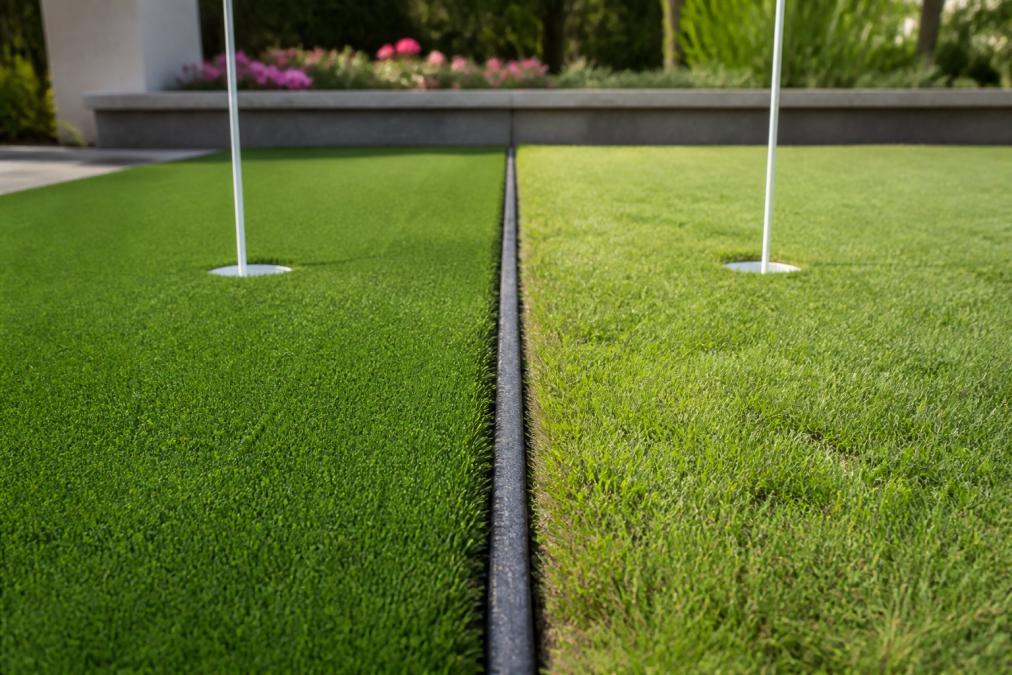
Synthetic grass putting greens deliver consistency that natural turf simply cannot match. Every putt responds predictably, the ball rolls true, and maintenance disappears entirely. At Southern Artificial Turf, we help homeowners and facility managers understand why synthetic grass is better for professional putting greens than the natural alternative.
Natural grass greens require constant adjustment based on weather, season, and maintenance cycles. Synthetic turf eliminates those variables. Your putting surface plays the same way in July as it does in January, in drought conditions or after heavy rain, transforming a backyard putting green into a year-round practice tool that improves your game.
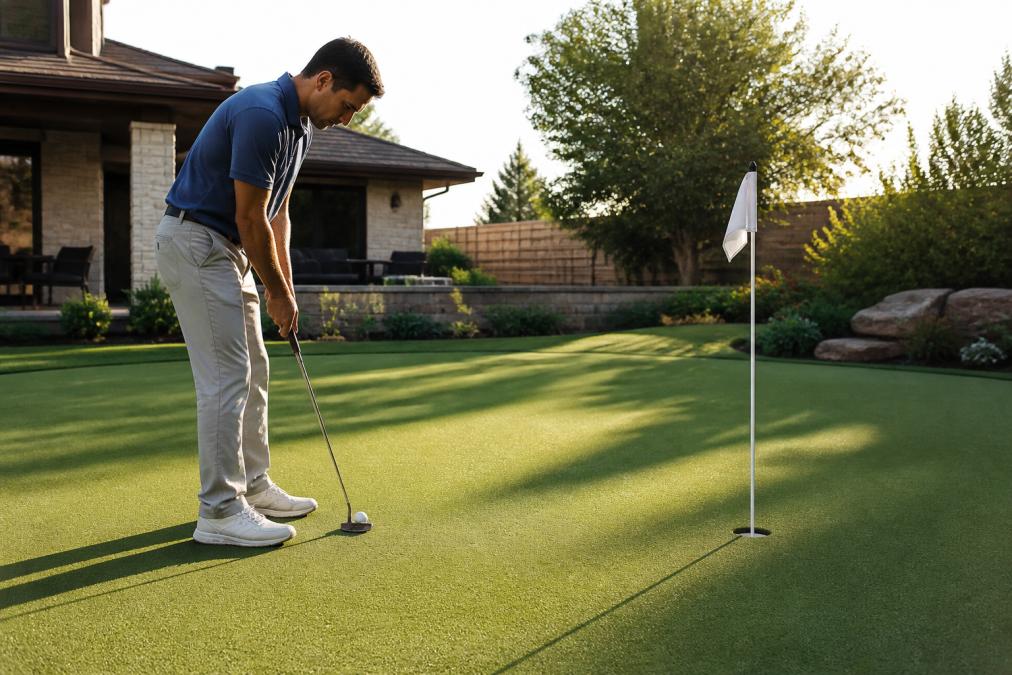
For serious golfers, you’re building muscle memory on a surface that doesn’t change, which is why synthetic grass putting greens have become standard at practice facilities and high-end homes across the country.
Ball Roll and Putting Green Turf Stimpmeter Speed
The stimpmeter rating measures how far a golf ball rolls on a putting surface, expressed in feet. On natural grass greens, this number fluctuates constantly due to moisture, grass height, and seasonal growth. Synthetic grass putting greens maintain consistent stimpmeter readings because the physical properties of the surface do not change with weather or use cycles.
How Synthetic Fibers Affect Ball Roll
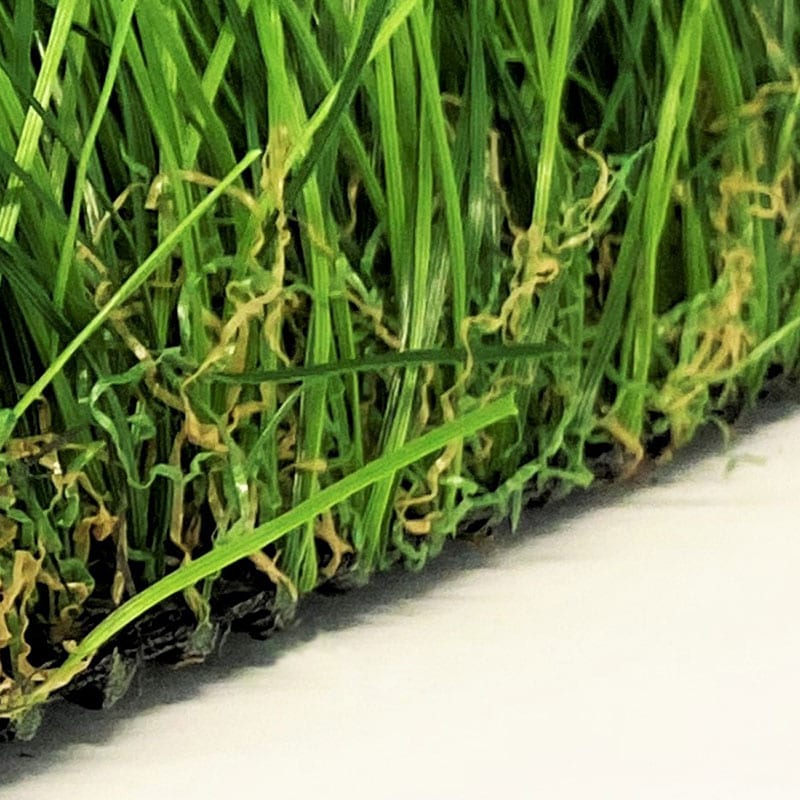
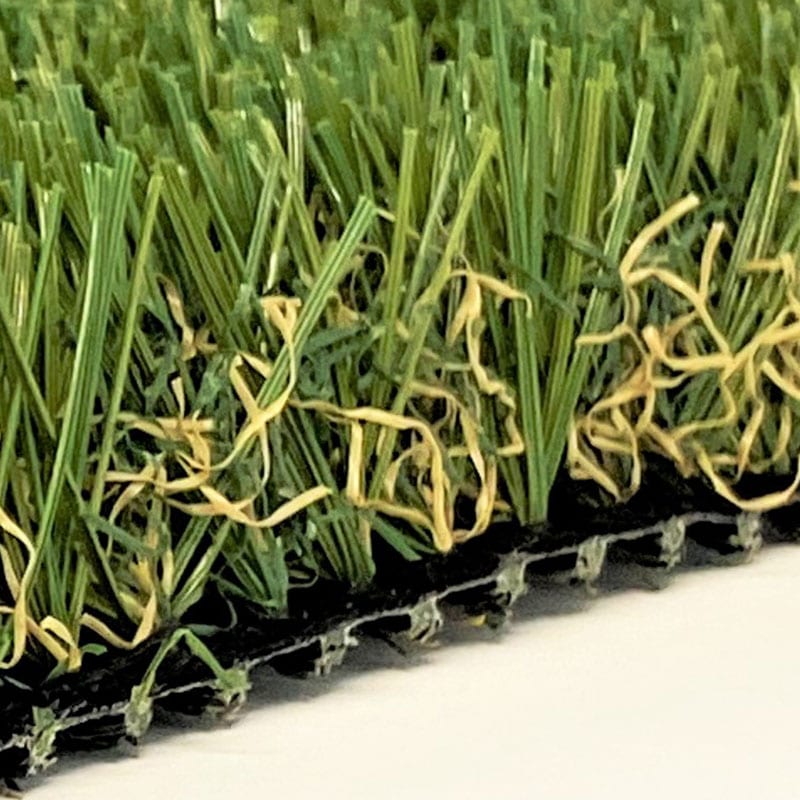
Professional-grade synthetic putting surfaces use engineered polyethylene fibers (typically 6,000-9,000 denier) designed to create a consistent contact surface. When a putter strikes the ball, the fibers compress and release predictably, creating uniform energy transfer. Unlike natural grass, where blade density and moisture vary across the green, synthetic fibers maintain identical mechanical properties from cup to fringe.
Pile height (typically 0.375 to 0.5 inches) directly affects ball roll speed. Shorter pile creates faster greens; taller pile slows ball speed. This relationship is linear and repeatable, allowing golfers to predict ball behavior based on a single Stimp measurement.
Infill Materials and Green Speed
Most professional putting greens use a blend of silica sand and crumb rubber. Sand particles create friction and support fiber structure; crumb rubber adds cushioning and affects ball roll.
Higher sand-to-rubber ratios play faster; more rubber plays slower with better shock absorption. Deeper infill (1.5-2 inches) creates slower surfaces; shallower infill (0.75-1 inch) produces faster conditions. Professional installers can adjust ratios to achieve specific Stimp targets for residential and tournament surfaces.
Interpreting Stimpmeter Readings
Ask manufacturers for stimpmeter ratings under standard test conditions. A Stimp rating of 11 feet means a ball will roll approximately 11 feet on that surface in both directions with minimal variation.
On natural grass, Stimp readings fluctuate after rain or mowing. On synthetic turf, readings hold across weeks and seasons, allowing you to practice lag putting and speed control with confidence.
You build muscle memory on a surface that doesn’t change, translating directly to better performance on natural grass courses where you can focus on reading breaks and controlling distance.
Artificial Putting Green Maintenance Requirements
Maintenance shifts from constant to minimal. Natural grass requires weekly mowing, watering, fertilization, pest management, and aeration. Synthetic turf requires only occasional brushing and debris removal.
Most synthetic putting greens need brushing every few weeks (15-20 minutes for a typical backyard green) and regular debris removal. Unlike natural grass, there’s no mowing, watering, or fungicide applications.
Infill gradually compacts and may need top-ups annually or every few years, costing far less than natural grass maintenance. Excellent drainage prevents standing water and disease issues.
The real maintenance advantage isn’t just time savings, it’s predictability. You know exactly what maintenance your synthetic putting green needs, and you can schedule it around your life rather than letting grass growth dictate your calendar.
Durability and Weather Resistance
Natural grass greens deteriorate under heavy use, developing bare patches and disease issues. Synthetic grass putting greens are engineered for durability, but understanding how they age is essential to realistic long-term planning.
Fiber Degradation and Wear Patterns
Synthetic polyethylene fibers degrade over time through UV exposure, mechanical compression, and infill migration.
UV Degradation: Sunlight breaks down polyethylene fibers. Quality synthetic putting greens include UV inhibitors that maintain playability for an extended period in direct sunlight. Ask manufacturers whether the turf includes UV inhibitors and what testing supports the claimed lifespan.
Mechanical Compression: Heavy use compresses the pile structure, gradually increasing ball roll speed. This is most noticeable around the cup and walking paths. Compression can be partially reversed through brushing or specialized grooming equipment.
Infill Migration: Sand and rubber particles gradually work out through drainage and foot traffic. Periodic infill top-ups are necessary, typically 50-100 pounds annually for residential greens, 200-300 pounds for high-use facilities.
Expected Lifespan and Refresh Techniques
A professionally installed synthetic putting green with proper maintenance typically maintains playable conditions for an extended period, after which performance characteristics may warrant refresh or replacement.
Before full replacement, refresh techniques can extend lifespan, such as deep brushing to restore pile structure, infill replacement to restore speed and feel, or partial replacement of high-wear areas.
Weather Resistance and Year-Round Performance
Synthetic grass putting greens are engineered for durability across weather extremes. Rapid drainage (30+ inches per hour) prevents standing water. Extreme heat and freezing temperatures do not damage fibers or backing systems the way they affect natural grass.
The surface plays consistently regardless of weather conditions. Proper installation with adequate drainage and sub-base preparation is critical to prevent buckling or separation that degrades performance.
Avoid the temptation to cut corners on installation. Proper sub-base preparation (typically 4-6 inches of compacted crushed stone), drainage design, and professional installation are critical to performance and longevity. Poor installation leads to premature wear, drainage problems, inconsistent ball roll, and can reduce effective lifespan by 50% or more.
Synthetic Turf Putting Green Installation Cost and Long-Term Value
Installation cost depends on size, complexity, and customization. While initial investment exceeds basic natural grass, long-term value shifts dramatically when factoring in maintenance, replacement cycles, and performance consistency.
Natural grass requires ongoing investment in equipment, materials, water, and labor. Over ten years, maintenance spending often exceeds the initial installation cost of synthetic turf.
Synthetic putting greens carry minimal annual costs. Occasional brushing and infill top-ups cost far less than natural grass maintenance.
Contact Southern Artificial Turf for a customized quote based on your specific project requirements. Pricing depends on quantity, site conditions, drainage needs, and customization complexity. The team can walk you through long-term value calculations specific to your situation.
Customization and Professional-Grade Performance
Synthetic grass putting greens can be engineered to match specific design requirements, with slope, undulation, and cup placement flexibility for different practice scenarios.
Professional-grade synthetic putting surfaces use precision engineering to deliver accurate stimpmeter ratings and ball roll characteristics, rivaling natural grass greens in feel and performance with added consistency.
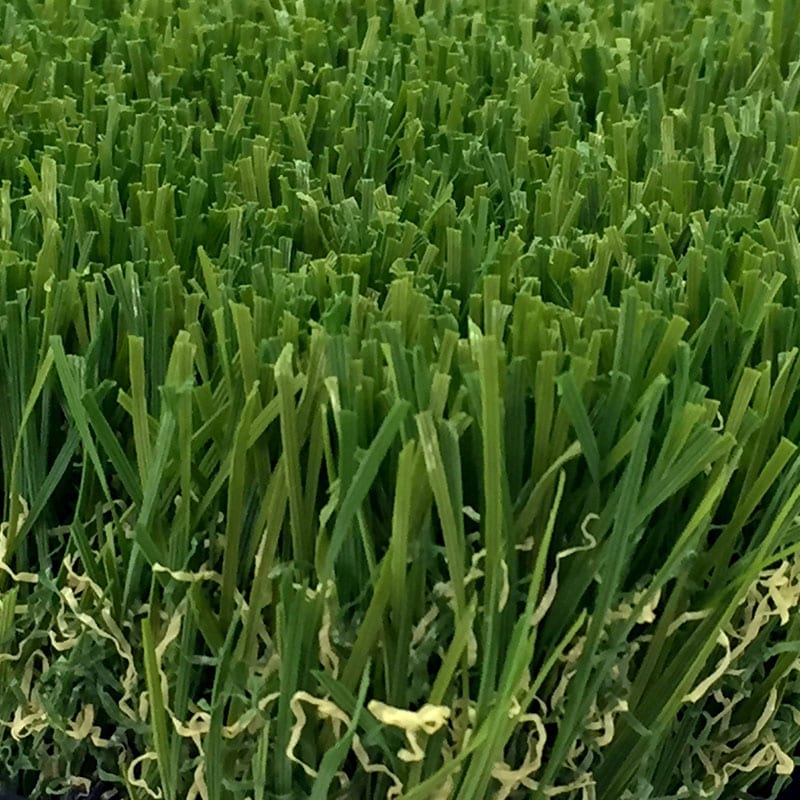
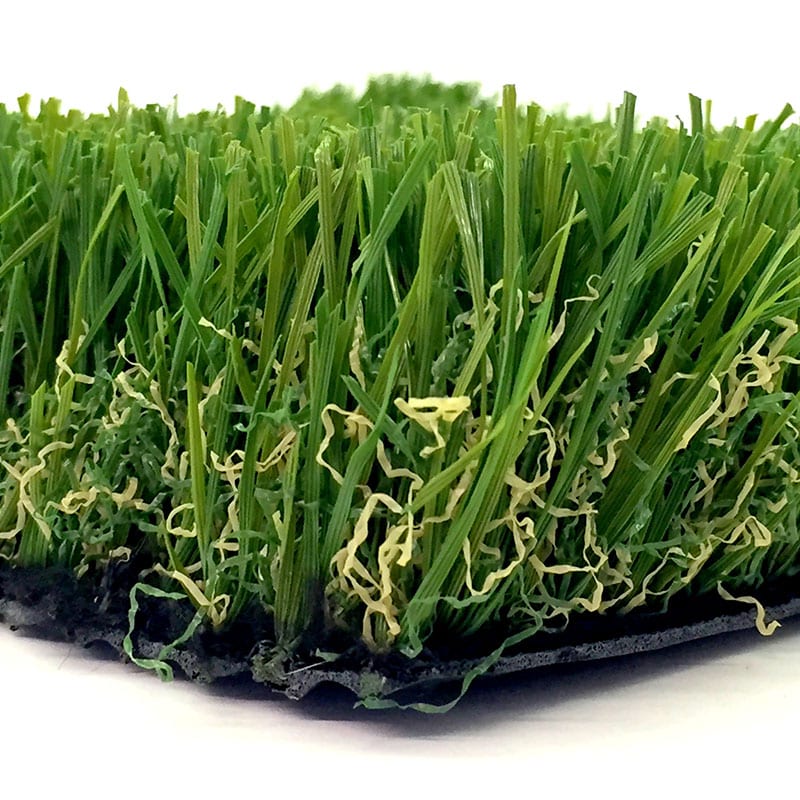
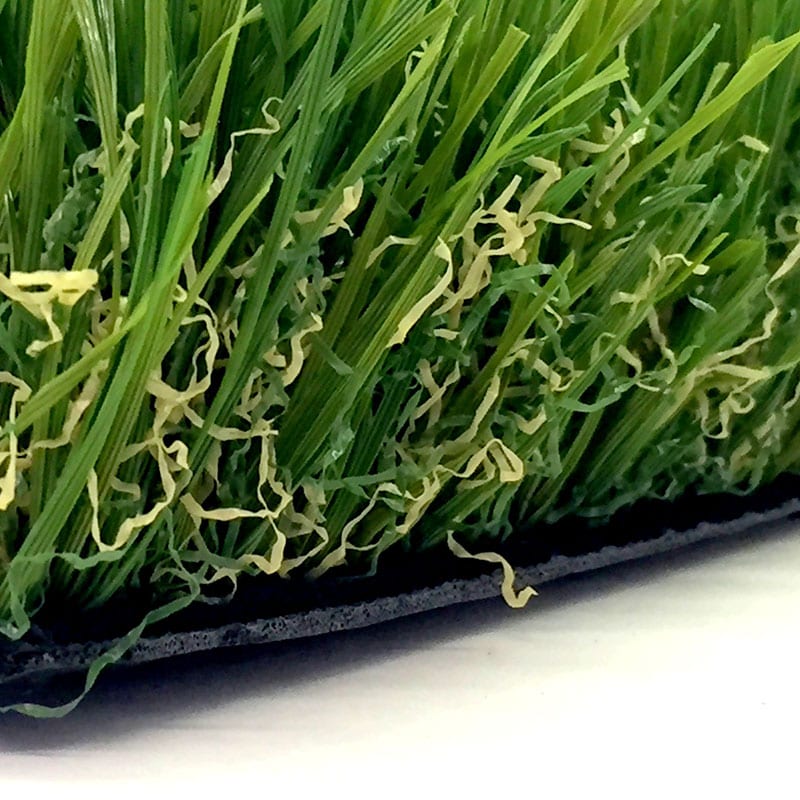
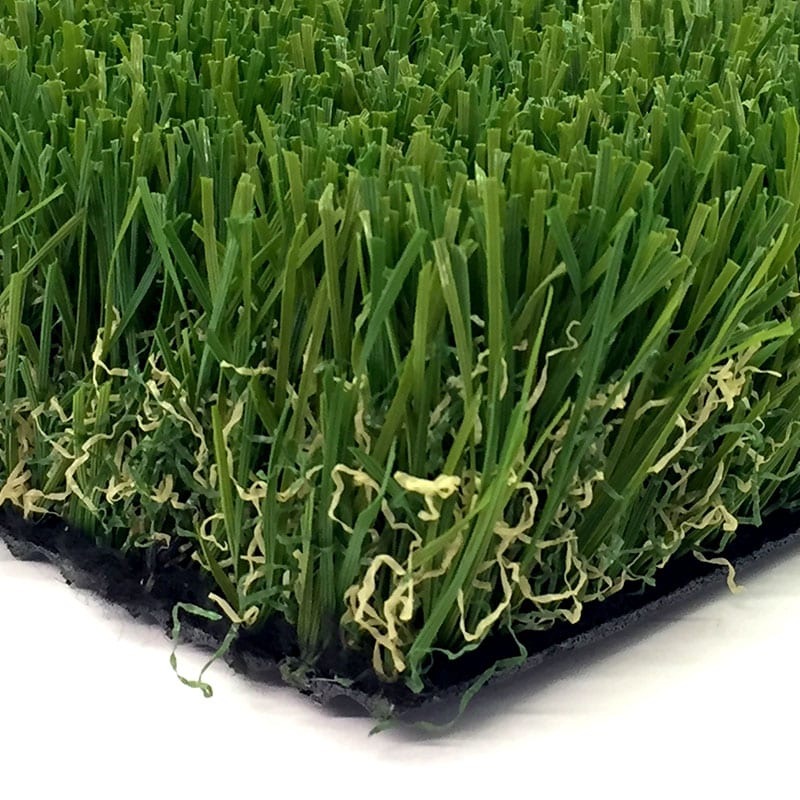
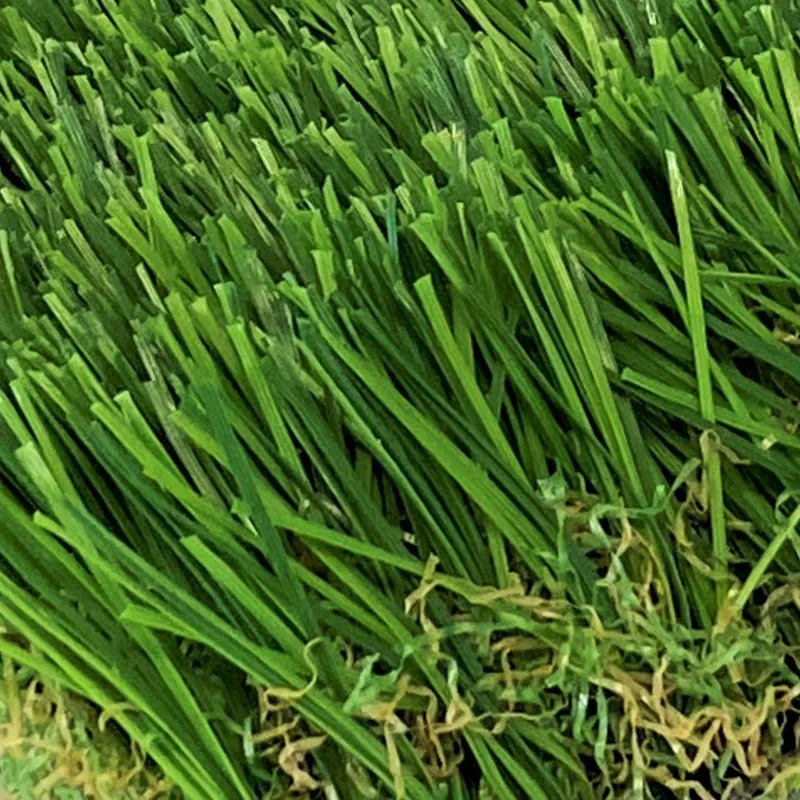
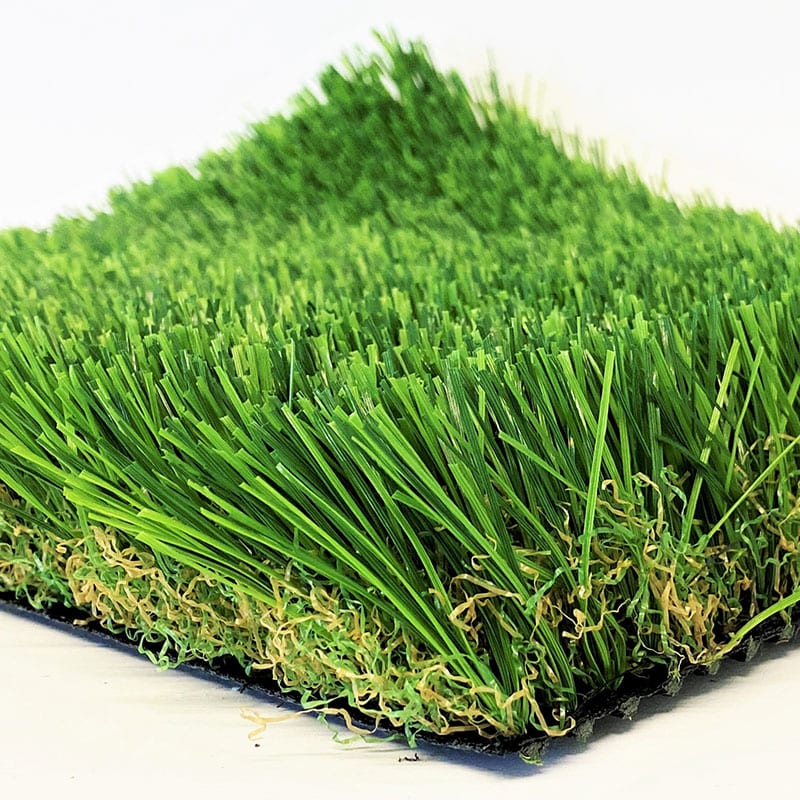
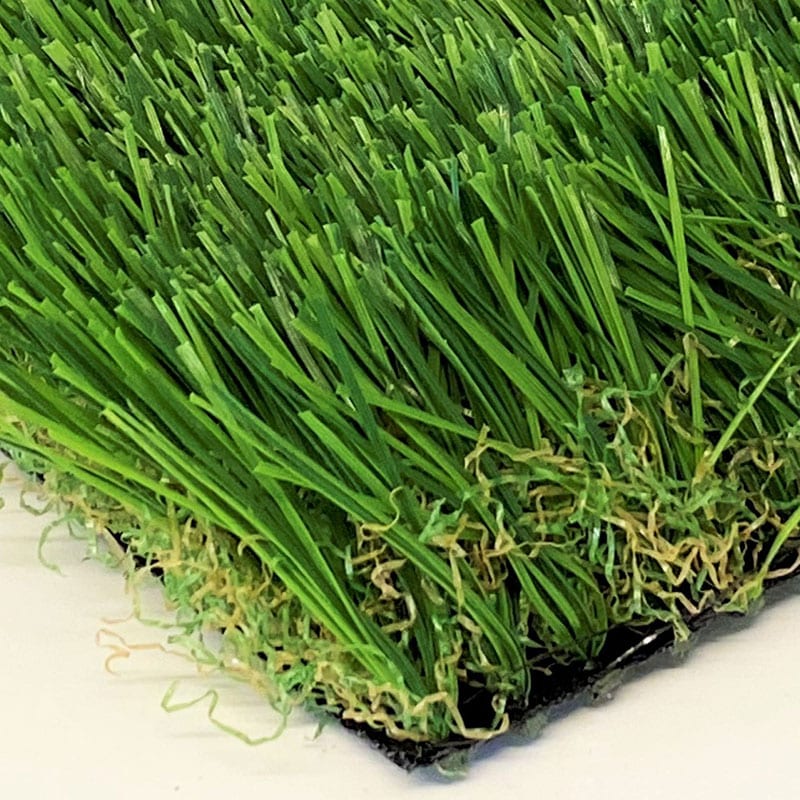
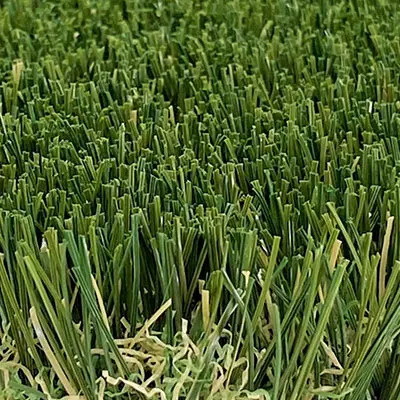
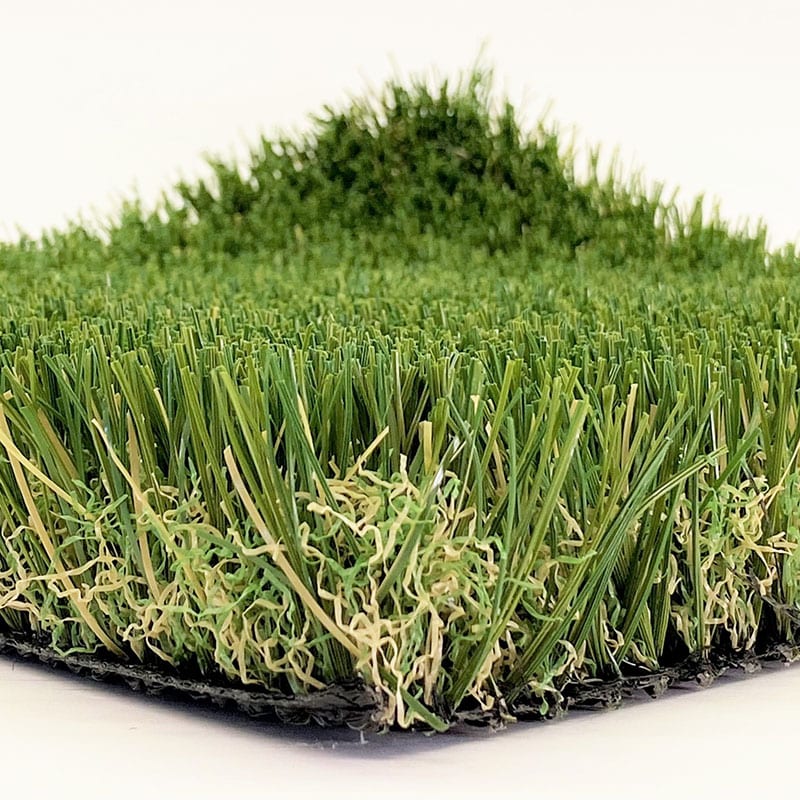
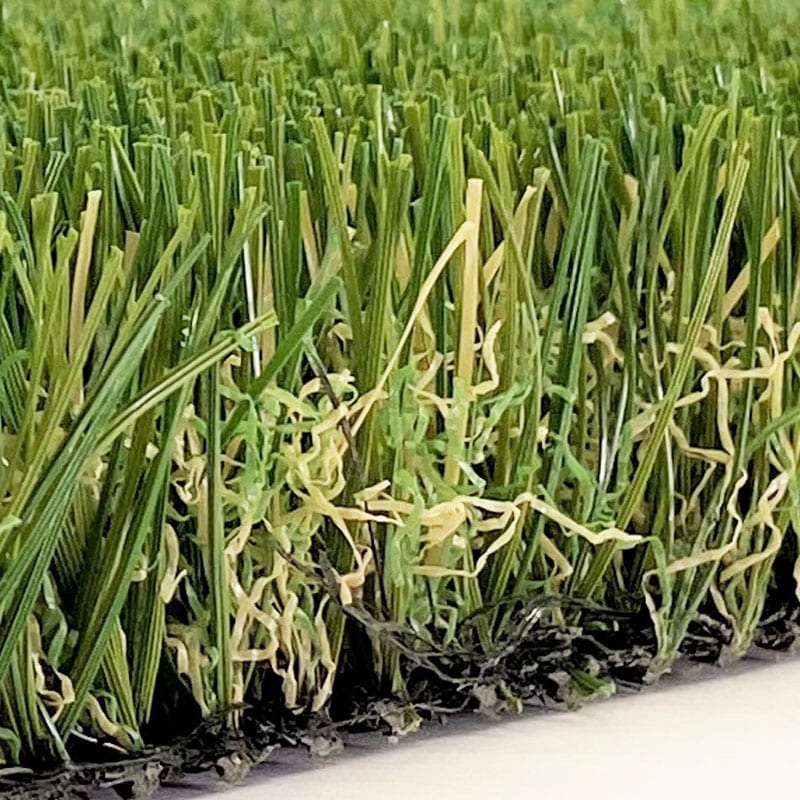
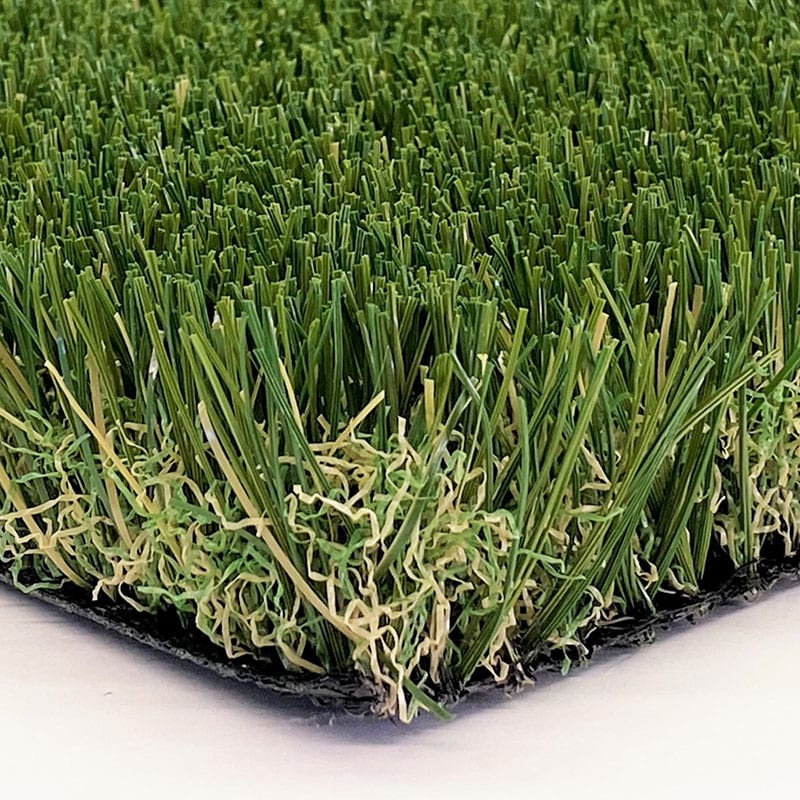
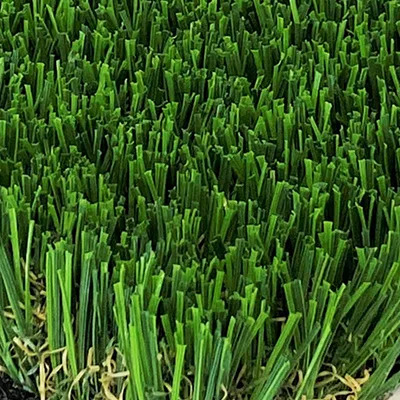
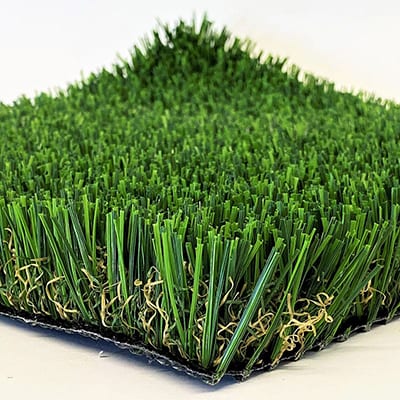
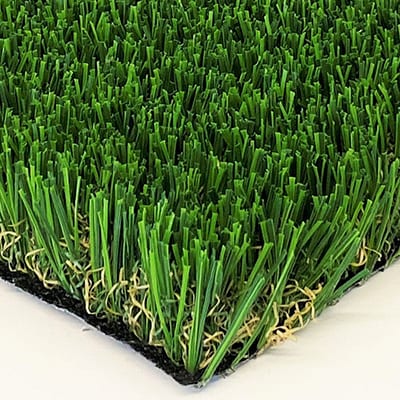
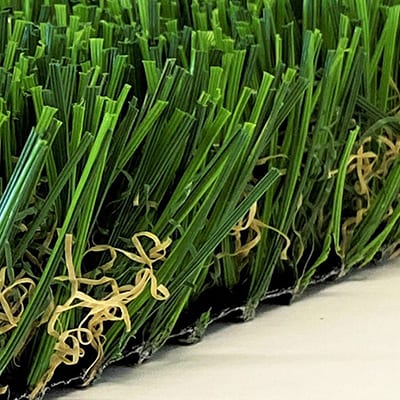
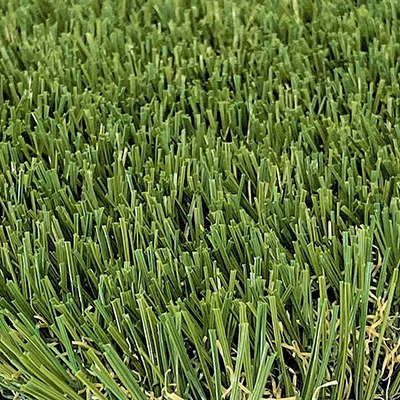
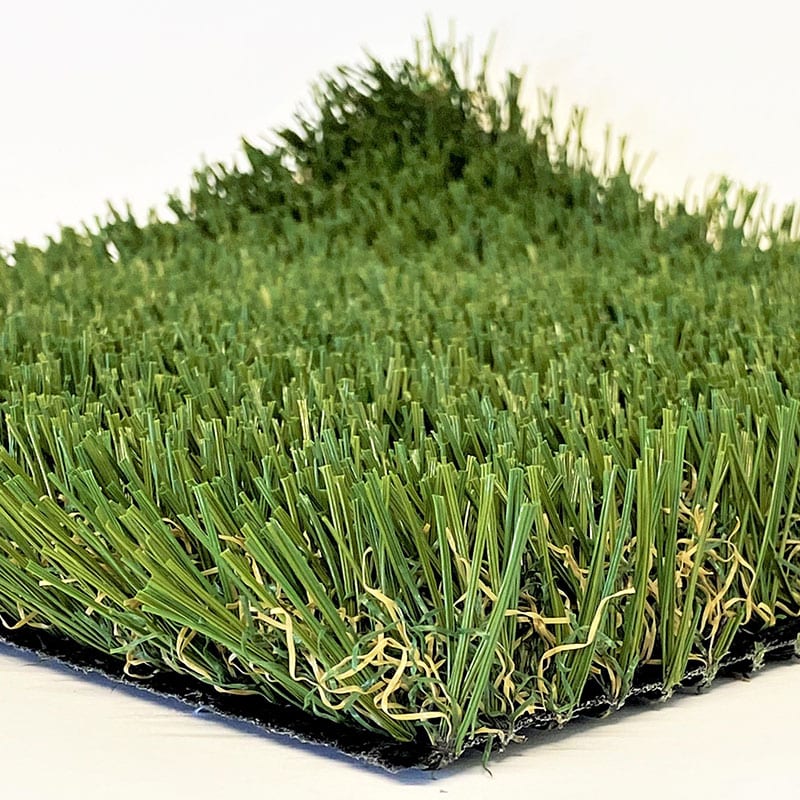
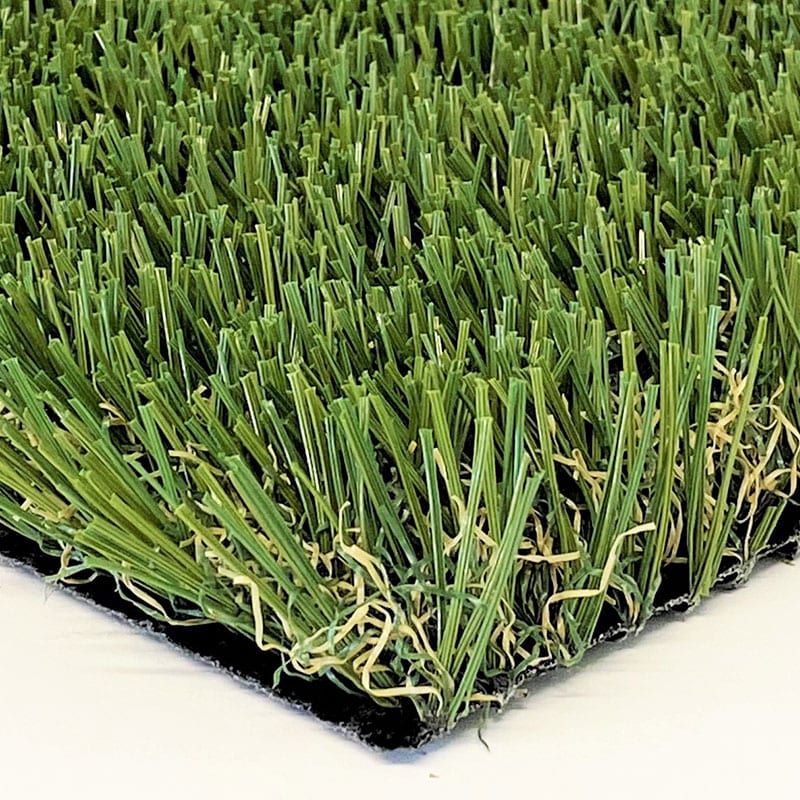
Southern Artificial Turf’s quad-color technology creates a natural, realistic appearance that integrates seamlessly with residential or commercial environments.
Comparison: Synthetic vs. Natural Putting Surfaces
| Factor | Synthetic Grass | Natural Grass |
|---|---|---|
| Ball Roll Consistency | Uniform year-round | Fluctuates with weather and maintenance |
| Maintenance Effort | Minimal (brushing, occasional infill) | Extensive (mowing, watering, fertilizing) |
| Weather Durability | Excellent (UV/freeze resistant) | Variable (disease, stress in extremes) |
| Playability in Wet Conditions | Immediate (excellent drainage) | Delayed (recovery time needed) |
| Long-Term Cost | Lower (minimal maintenance) | Higher (ongoing inputs required) |
| Installation Timeline | ||
| Appearance Consistency | Uniform throughout year | Seasonal variation |
| Customization Options | Extensive (slope, color, performance) | Limited to natural variation |
Synthetic grass putting greens win on consistency, durability, and long-term value. Natural grass offers a traditional aesthetic but demands constant management and delivers variable performance. For serious golfers and facilities prioritizing reliability, synthetic turf is the clear choice.
Professional putting greens demand surfaces that perform consistently, resist weather extremes, and require minimal maintenance. Synthetic grass delivers all three, while eliminating the ongoing costs and labor that natural turf demands. Southern Artificial Turf’s engineered polyethylene fibers, advanced drainage systems, and 8-year warranty create putting greens that perform like championship courses without the championship-level maintenance burden.
Frequently Asked Questions
What is the best artificial grass type for a putting green?
High-density polyethylene fibers with a short pile height (typically 0.5 to 1.0 inch) deliver the most consistent ball roll and speed. Look for turf engineered specifically for putting applications, with UV protection to resist fading and non-abrasive backing for durability. Professional-grade synthetic grass with infill support and proper sub-base drainage ensures predictable performance year-round, replicating the standards of natural bentgrass greens.
How does synthetic turf putting green installation cost compare to maintaining natural grass long-term?
While synthetic grass requires upfront installation investment, the elimination of watering, fertilizing, mowing, and pest control significantly reduces lifetime costs. Natural grass demands continuous seasonal maintenance, water bills, and periodic renovation. Synthetic turf’s durability and low maintenance make it cost-effective over 8+ years, though exact savings depend on your local climate, lawn size, and current maintenance practices. Contact Southern Artificial Turf for a detailed cost comparison specific to your project.
What are the main disadvantages of synthetic grass for golf putting?
Early synthetic putting surfaces sometimes lacked consistent speed and realistic ball roll. However, modern turf engineered with high-density fibers and proper infill materials now replicates natural grass performance closely. Long-term fiber wear and infill degradation can affect speed over time, though premium options with UV protection and shock pads minimize this. Installation quality directly impacts playability, so professional installation is essential for reliable results.
How much artificial grass thickness is needed for a putting green?
Putting greens typically require 0.5 to 1.0 inch of pile height to deliver consistent stimp ratings and true ball roll. This shorter, denser construction differs from general-purpose lawn turf, which is usually 1.5 to 2.0 inches. The pile height works with infill materials and sub-base preparation to achieve the playability standards golfers expect. Thicker pile reduces speed consistency, while thinner pile may feel less realistic underfoot.
Will synthetic grass for putting greens hold up in hot, humid climates?
Yes. Modern synthetic turf is engineered with UV inhibitors and polyethylene fibers designed to withstand intense sun, heat, and humidity without fading, cracking, or breaking down prematurely. Non-abrasive fiber technology resists wear from heavy use and weather exposure. Proper drainage capacity (30 inches per hour or higher) prevents water pooling in humid conditions. Southern Artificial Turf’s quad-color technology and UV resilience make it ideal for demanding climates.