
Table of Contents
- Financing Options for Artificial Turf Projects at a Glance
- 1. Unsecured Personal Loans for Synthetic Turf Installation
- 2. Home Equity Lines of Credit for Landscaping Upgrades
- 3. Dealer-Arranged Financing and Point-of-Sale Options
- Understanding Artificial Turf Installation Cost Breakdown
- Choosing the Best Artificial Turf for Your Backyard
- Total Cost of Ownership: Financing vs. Paying Cash
- Frequently Asked Questions
Last Updated: October 2, 2026
Financing Options for Artificial Turf Projects at a Glance
Financing options let you install premium artificial turf while spreading costs across manageable monthly payments, whether for a residential backyard or commercial project.
Consumer installment loans, home equity lines of credit, and dealer-arranged financing let you enjoy your new synthetic grass installation today while paying for it over time.
This guide covers five practical ways to finance artificial turf projects, breaking down how each works, approval timelines, and which suits different situations.
1. Unsecured Personal Loans for Synthetic Turf Installation
An unsecured personal loan is one of the fastest ways to finance artificial turf without putting your home at risk.
How it works: You apply through a lender, they pull your credit report, and if approved, you receive a lump sum of cash.
Approval timeline: Most unsecured personal loans close within 1-5 business days, with some lenders offering same-day decisions online.
Best for: Homeowners with decent credit who want a straightforward process without risking home equity.
What to watch: Interest rates on unsecured loans tend to be higher than home equity options because the lender has no collateral to fall back on. Shop multiple lenders to find competitive APR offers. Platforms like HFS Financial for home improvement loans specialize in personal loans for projects like artificial turf installation.
2. Home Equity Lines of Credit for Landscaping Upgrades
A home equity line of credit (HELOC) taps into the equity you’ve built in your home.
How it works: A HELOC acts like a credit card backed by your home’s value.
Interest rates and terms: HELOCs typically have lower interest rates than unsecured personal loans because your home secures the debt.
Best for: Homeowners with substantial home equity who want lower interest rates and flexibility to draw funds gradually.
The risk: Your home serves as collateral. If you can’t make payments, the lender can foreclose.
3. Dealer-Arranged Financing and Point-of-Sale Options
Many artificial turf suppliers and installation contractors partner with financing companies to offer point-of-sale financing directly at the time of purchase.
How it works: When you’re ready to move forward with your installation, the contractor or supplier presents financing options.
Types of dealer financing: Some options offer 0% interest for a set promotional period, typically 12 to 24 months, if you pay off the balance within that timeframe. Others provide fixed-rate installment loans where you pay a consistent monthly amount. WiseTack point-of-sale financing for contractors is one platform that integrates directly into contractor checkout systems.
Approval speed: Dealer financing often approves applications instantly or within hours.
Watch the fine print: If you don’t pay off the full balance by the end of the promotional period, interest charges retroactively apply to the entire original amount.
Best for: Customers who want simplicity and speed.
Understanding Artificial Turf Installation Cost Breakdown
Understanding what you’re paying for helps you make smarter borrowing decisions.
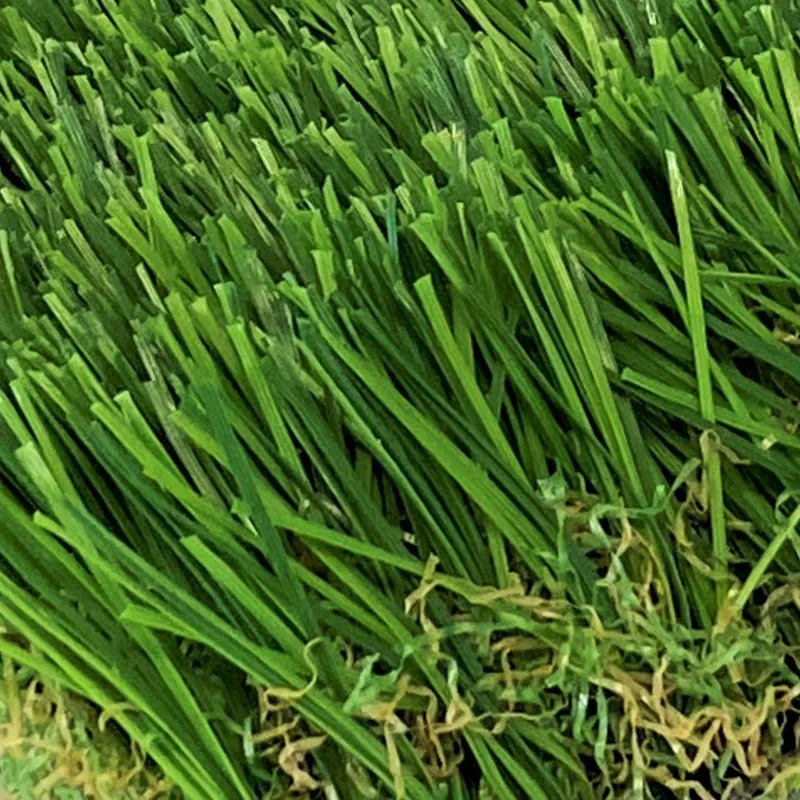
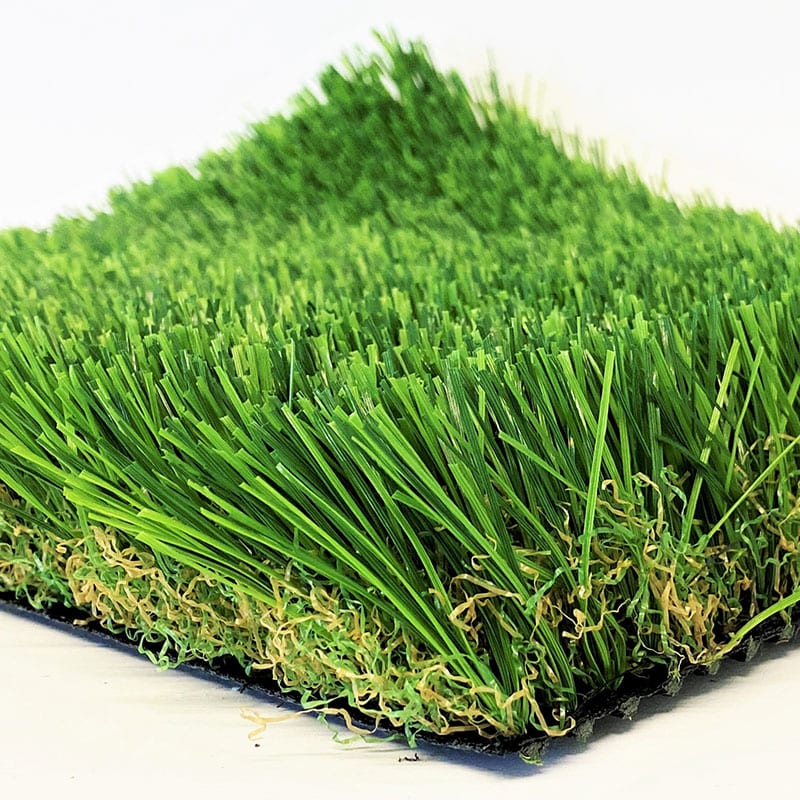
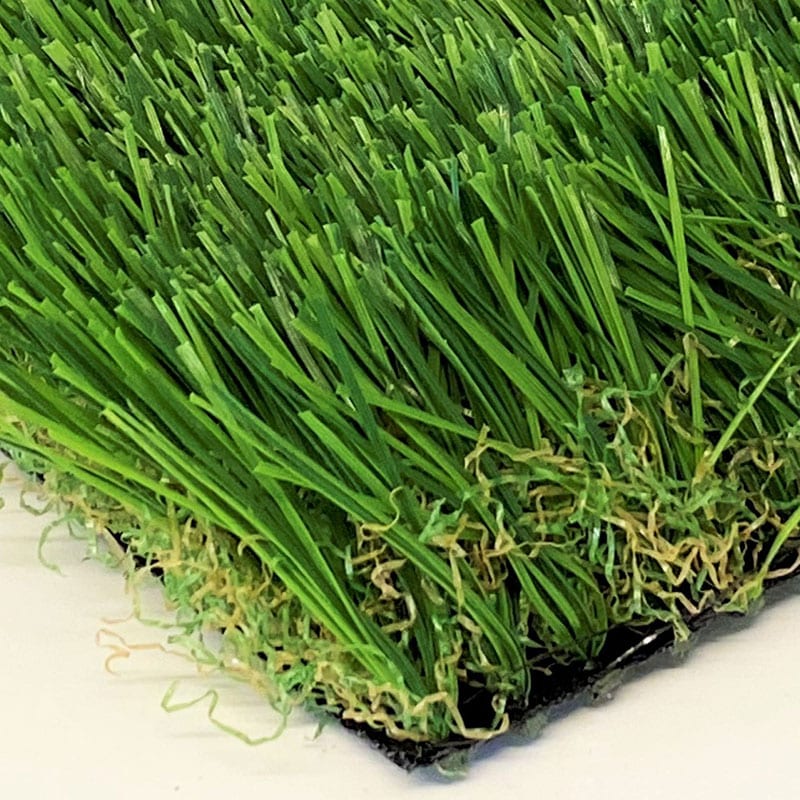
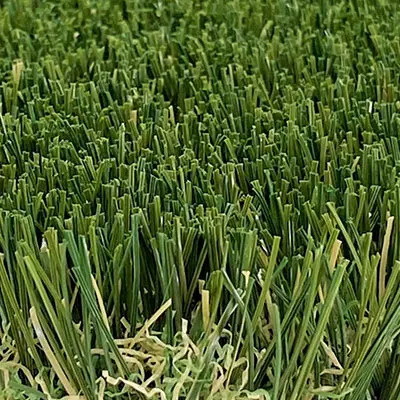
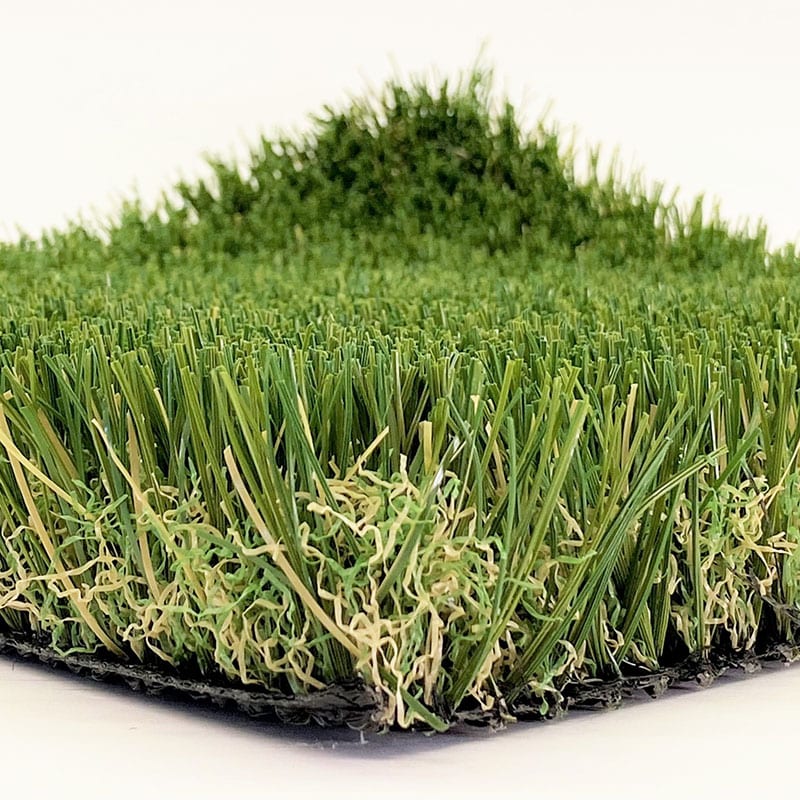
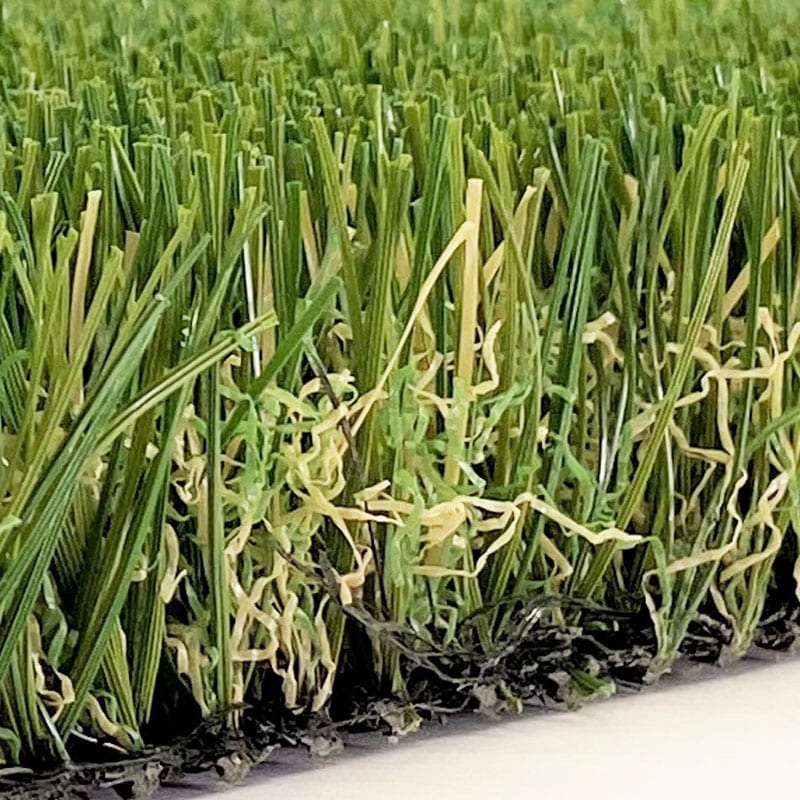
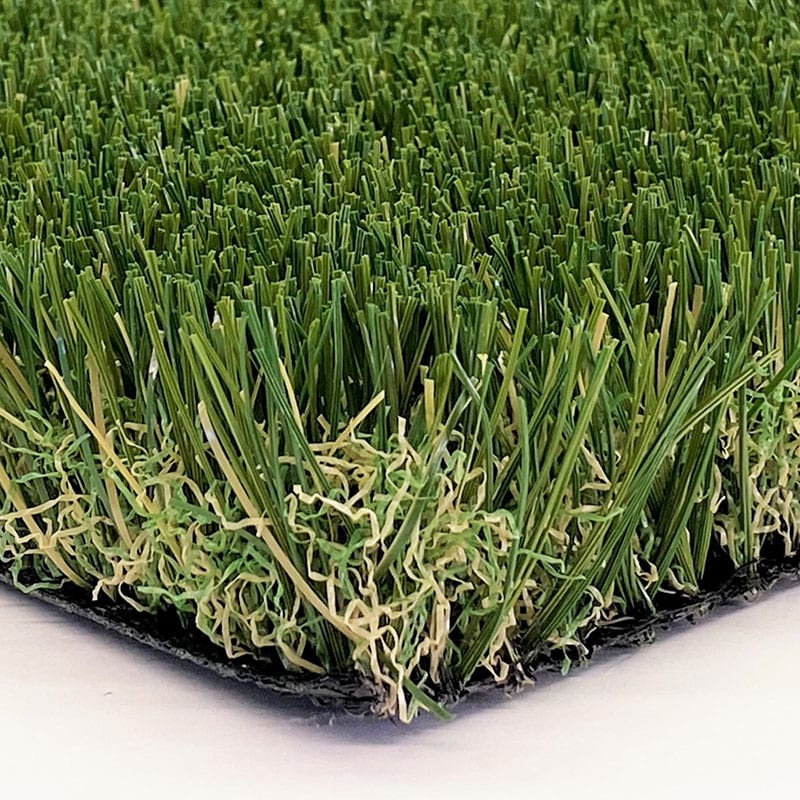
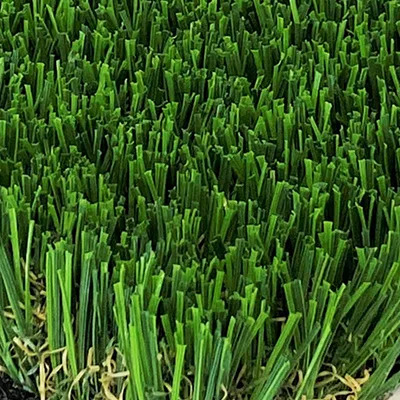
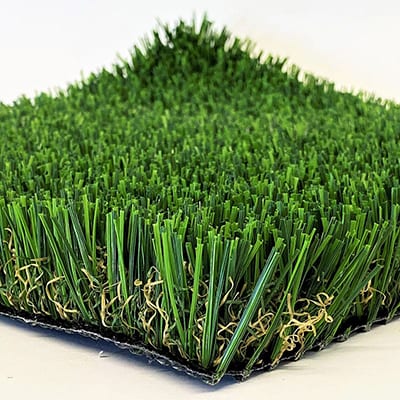
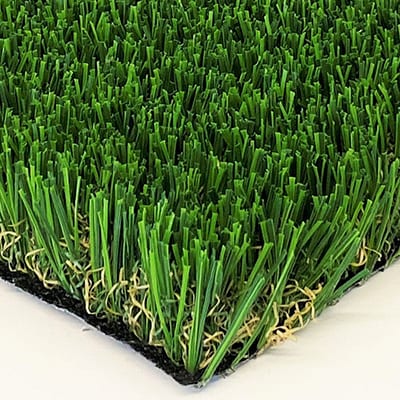
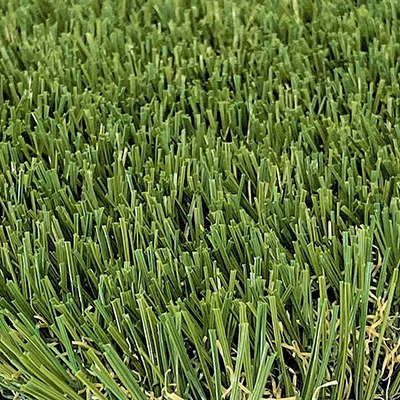
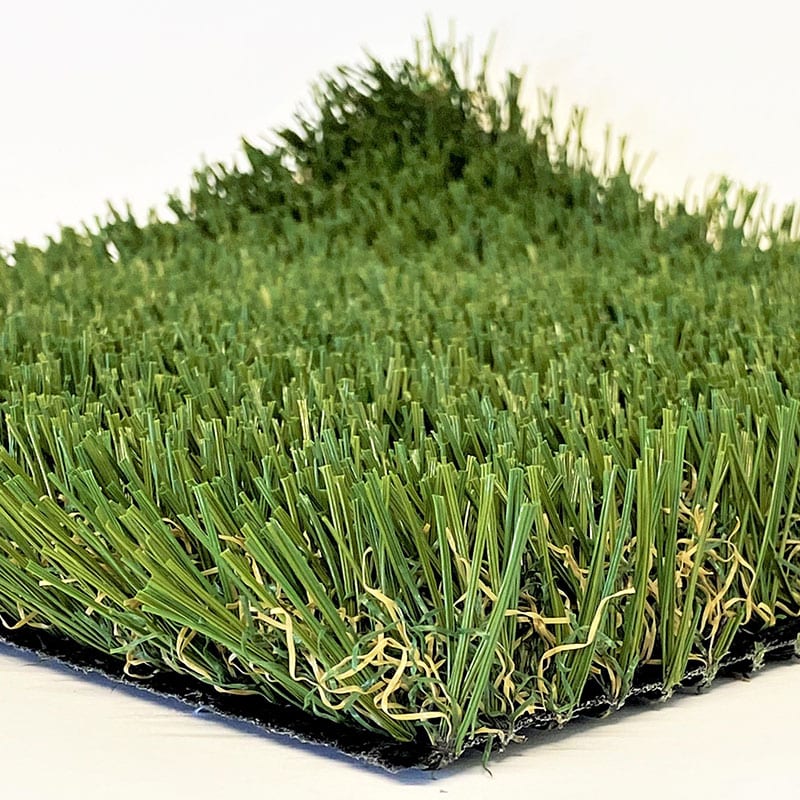
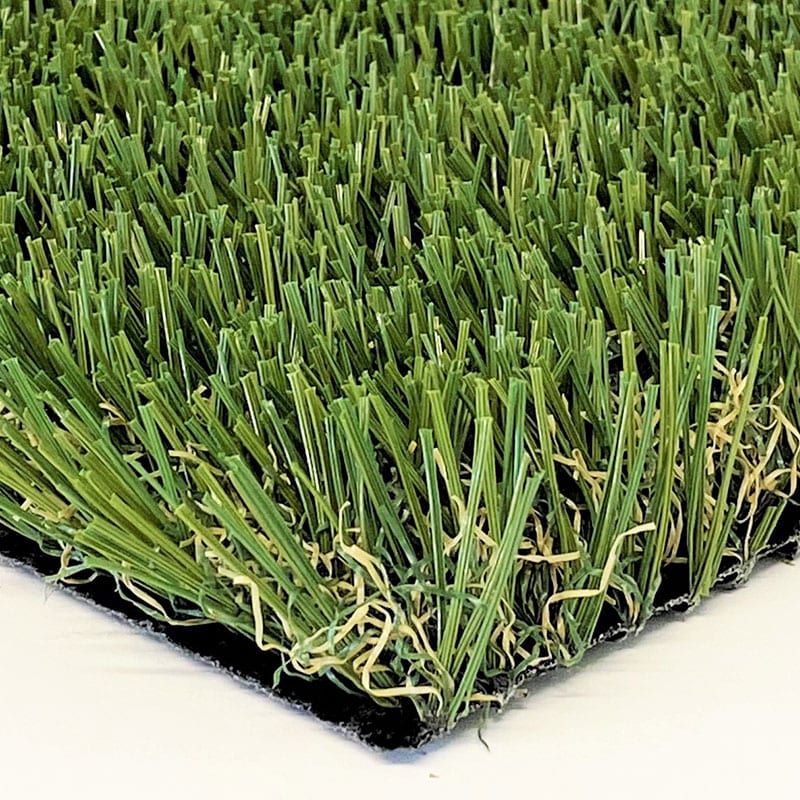
Material costs: Premium synthetic grass with quad-color technology looks better and lasts longer.
Labor and installation: Professional installation includes site preparation, base laying, and edge finishing.
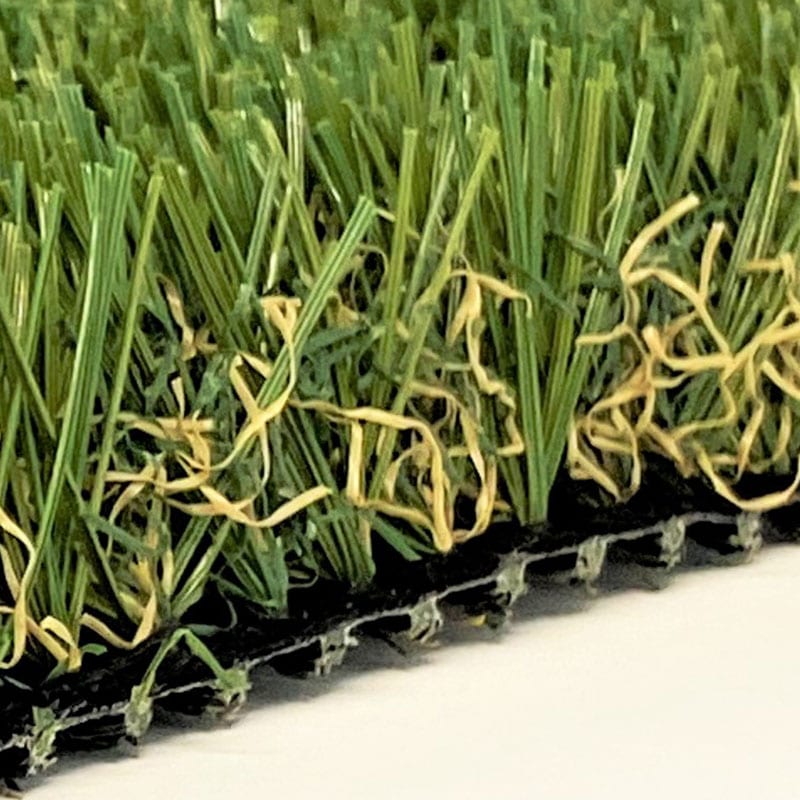
Base materials: A proper foundation with crushed stone, landscape fabric, and shock pads is essential for drainage and longevity.
Additional features: Infill materials, drainage solutions, and edging add to the total.
Integrating Maintenance Costs Into Your Financing Plan
Budget for ongoing maintenance while paying off your installation loan, especially if financing over 5+ years.
Synthetic turf requires minimal maintenance:
- Annual professional inspection and brushing: $150-$400 per year
- Infill top-up: Every 3-5 years, $200-$800
- Spot repairs: $300-$1,200 as needed
- Drainage maintenance: $100-$300 as needed
Synthetic turf maintenance costs are dramatically lower than natural grass, which requires weekly mowing, seasonal fertilizer, watering, and periodic reseeding.
Sample 5-year financing + maintenance budget:
Synthetic turf provides predictable costs and eliminates water bills and seasonal treatments.
Tax implications for commercial or home-office properties: Installation and maintenance costs may be tax-deductible for commercial properties, rental units, or dedicated home office spaces. Consult a tax professional. For residential-only installations, interest on personal loans is not tax-deductible.
Choosing the Best Artificial Turf for Your Backyard
Invest in premium synthetic grass.
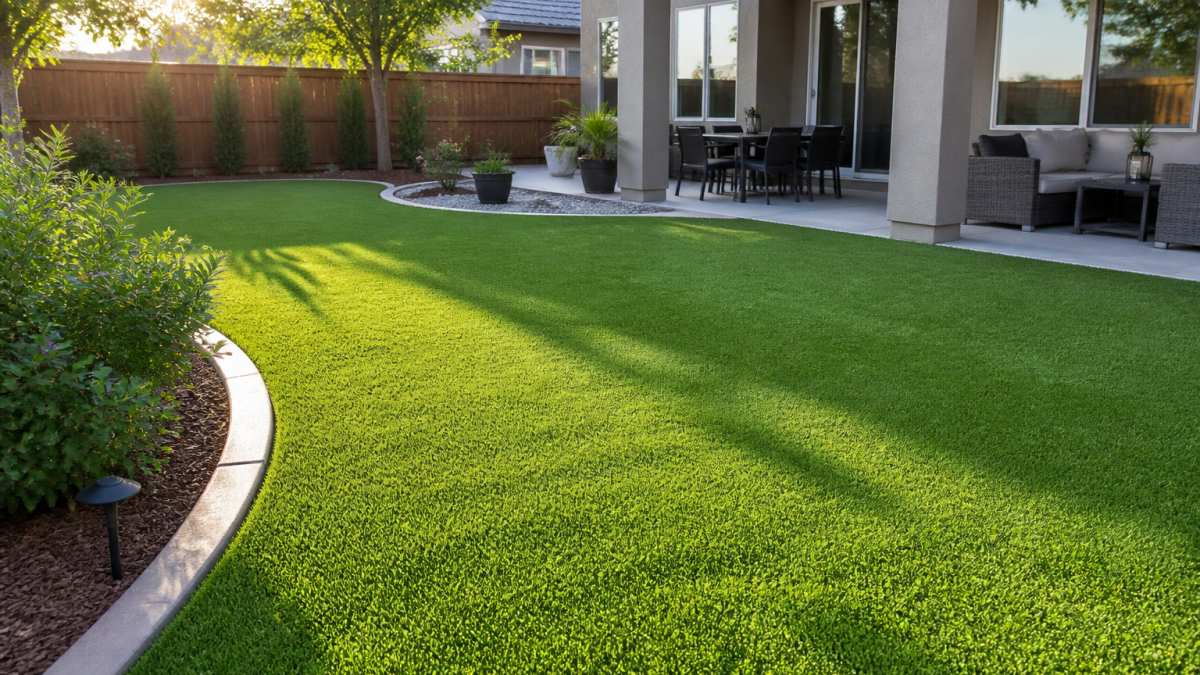
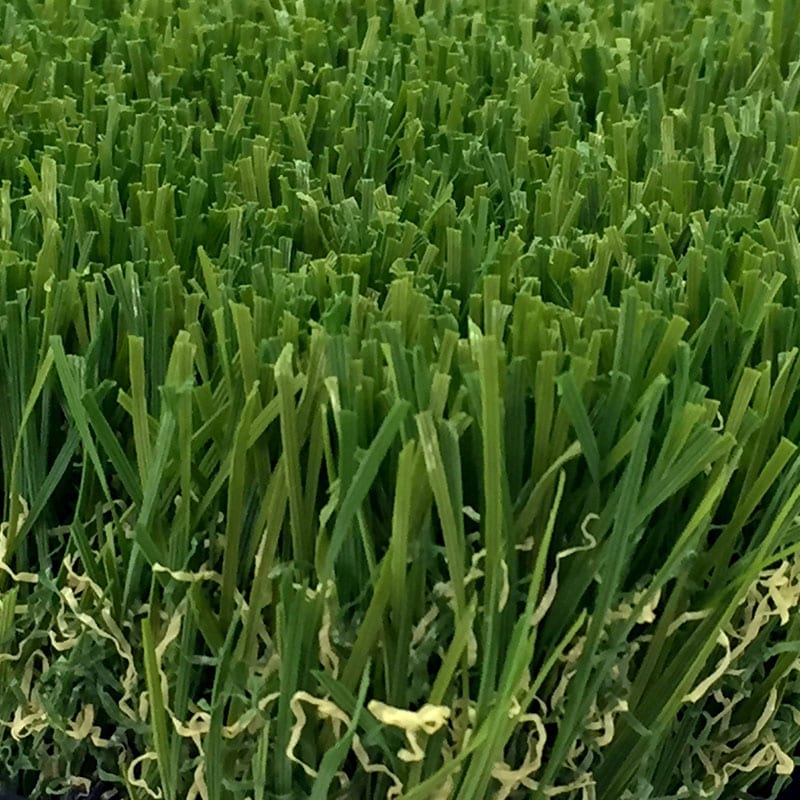
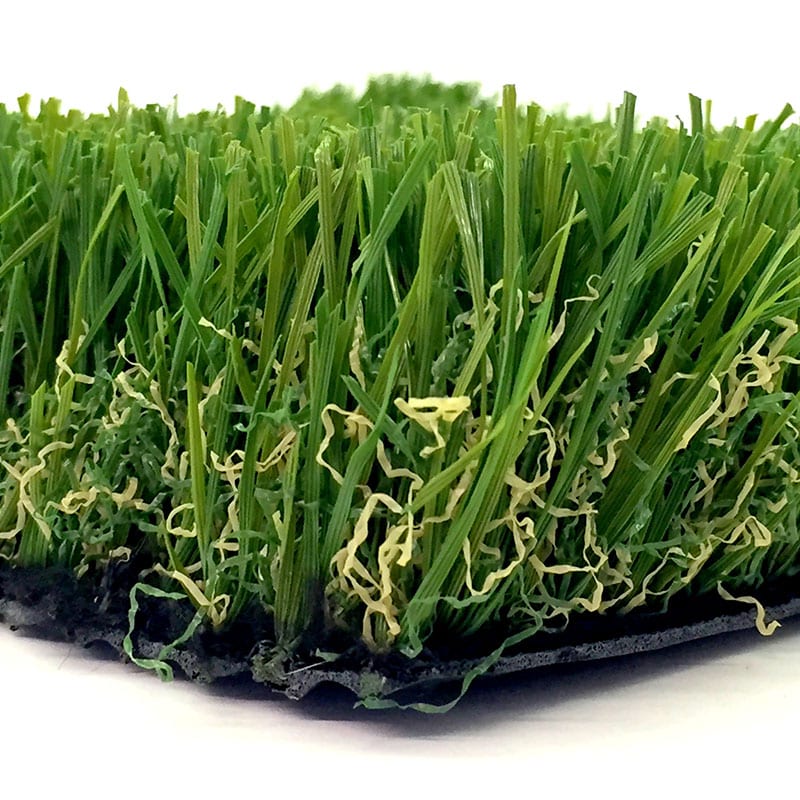
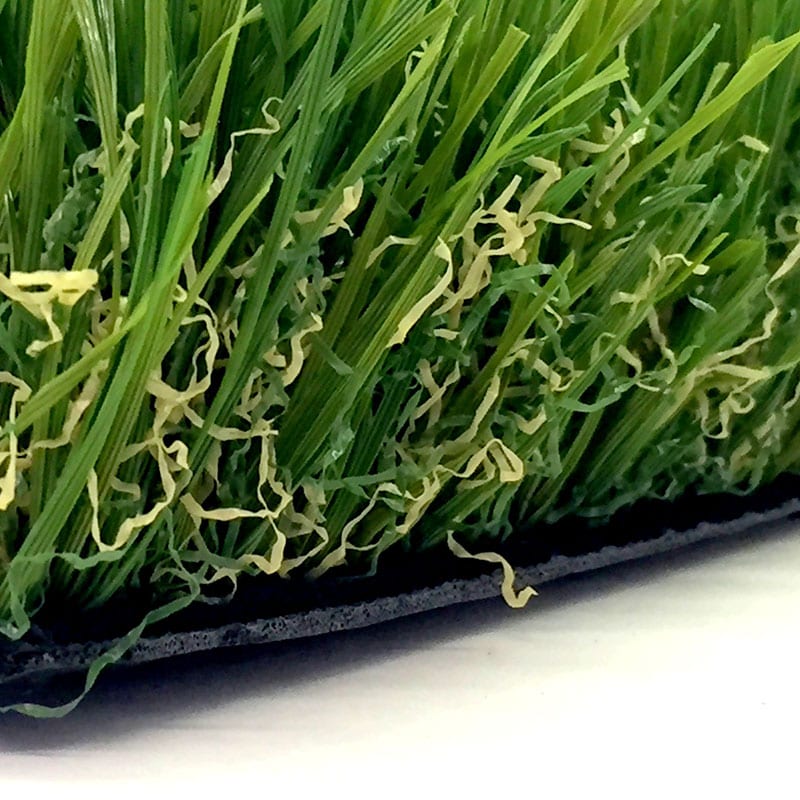
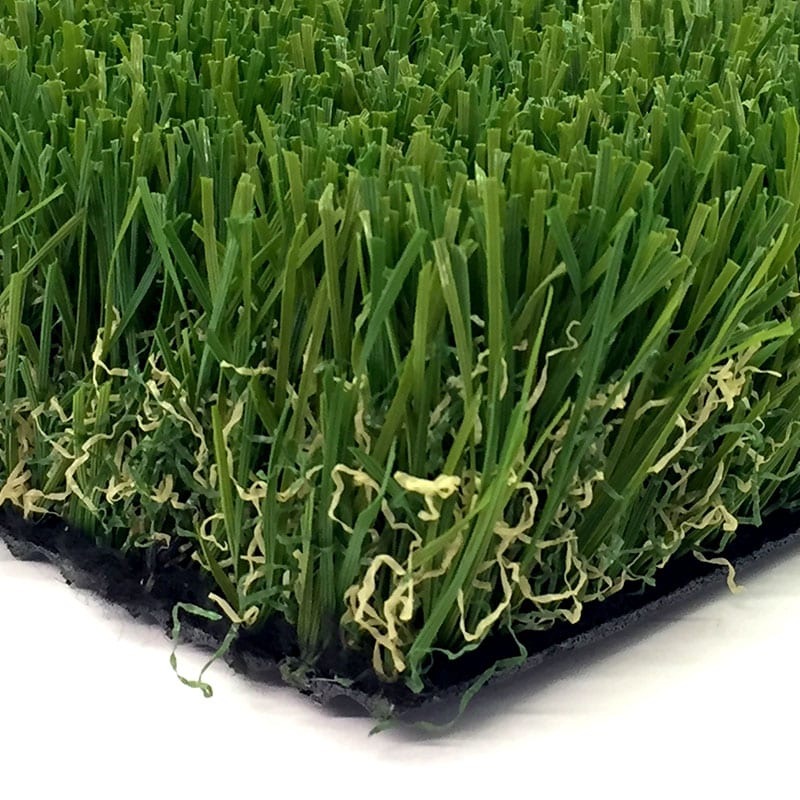
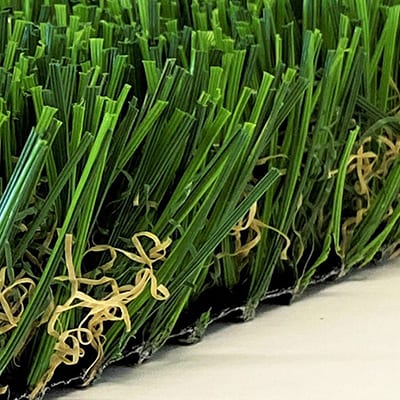
Quad-color technology: Uses four grass blade colors to replicate natural variation. It looks dramatically more realistic than single-color alternatives and justifies the higher cost.
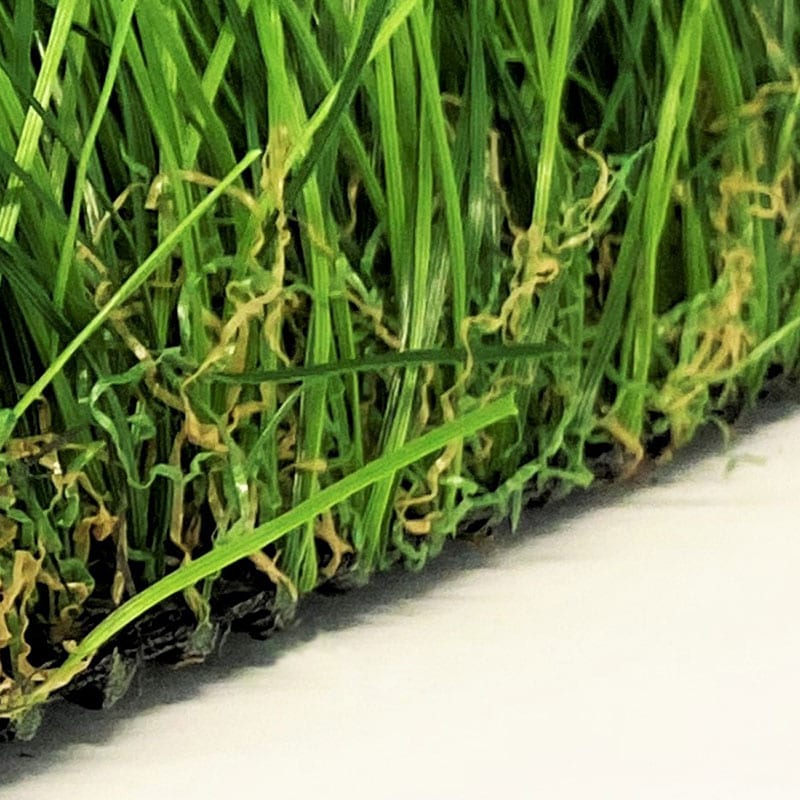
Fiber quality matters: Non-abrasive polyethylene fibers hold up better to foot traffic, pet use, and weather than cheaper polypropylene blends.
Drainage capacity: High-drainage turf prevents water pooling and extends lifespan, especially in climates with regular rainfall.
UV resilience: Quality turf resists fading and maintains color year-round. Budget turf fades within 2-3 years in direct sunlight.
Warranty coverage: An 8-year warranty indicates the manufacturer stands behind the product.
Total Cost of Ownership: Financing vs. Paying Cash
The real cost of your artificial turf project is the total money spent over the turf’s lifetime, including interest if you finance, plus maintenance, minus savings from eliminating natural grass upkeep.
The cash scenario: Paying upfront avoids interest but depletes savings that could earn returns or cover emergencies. For commercial or investment properties, you miss potential tax deductions.
The financing scenario: You pay interest but preserve emergency funds and liquid assets. Unsecured personal loans add 15-25% to the original cost; HELOCs add 8-12%.
Detailed TCO Comparison: 10-Year Horizon
Let’s work through a realistic example. Assume a $12,000 artificial turf installation for a residential property:
Scenario A: Pay Cash
- Installation cost: $12,000
- Maintenance over 10 years: $3,000
- Total out-of-pocket: $15,000
- Opportunity cost (4% annual return): ~$1,200
- True cost: ~$16,200
Scenario B: Finance via Unsecured Personal Loan
- Loan amount: $12,000 at 12% APR over 60 months
- Total interest paid: ~$1,950
- Maintenance over 10 years: $3,000
- Total out-of-pocket: $16,950
- Benefit: Savings earn 4% annually = ~$1,200
- Net cost: ~$15,750
Scenario C: Finance via Home Equity Line of Credit
- Loan amount: $12,000 at 7% APR over 60 months
- Total interest paid: ~$1,050
- Maintenance over 10 years: $3,000
- Total out-of-pocket: $16,050
- Benefit: Savings earn 4% annually = ~$1,200
- Net cost: ~$14,850
The comparison: The difference across scenarios is only $1,350 over 10 years. The real advantage of financing is flexibility and liquidity preservation.
The Maintenance Savings Advantage
Now here’s what makes artificial turf financing particularly smart: synthetic grass eliminates ongoing maintenance costs that natural grass demands. Over 10 years, the maintenance savings on natural grass easily exceed the financing costs.
Natural grass 10-year costs:
- Mowing: $12,000
- Fertilizer and treatments: $4,000
- Water: $6,000
- Aeration, reseeding, or sod: $1,500-$3,000
- Total: $23,500-$25,500
Synthetic turf 10-year costs:
- Installation: $12,000
- Financing interest (HELOC scenario): $1,050
- Maintenance: $3,000
- Total: $16,050
Savings by choosing synthetic turf with financing: $7,450-$9,450 over 10 years. This is the real ROI argument: financing premium synthetic turf pays for itself through eliminated maintenance within 5-7 years, and you come out significantly ahead by year 10.
Tax Deductibility for Commercial and Investment Properties
If you’re installing artificial turf on a commercial property, rental unit, or dedicated business space, consult a tax professional about potential deductibility. For residential properties, interest on personal loans is not tax-deductible. However, if you have a dedicated home office and install turf in that space, consult a tax professional about potential deductibility.
Financing Comparison Table
| Financing Option | Interest Rate Range | Total Interest (5-year, $12K loan) | Approval Speed | Best For | Key Consideration |
|---|---|---|---|---|---|
| Unsecured Personal Loan | 6-36% APR | $1,500-$9,600 | 1-5 days | Good credit, quick projects | Higher rates but no collateral risk |
| Home Equity Line of Credit | 4-12% APR | $600-$3,600 | 7-14 days | Substantial home equity | Lower rates but home at risk; variable rates possible |
| Dealer-Arranged Financing | 0% promo or 8-25% APR | $0 (if paid in promo period) or $2,400-$7,500 | Same day to 24 hours | Contractor partnerships | Watch promotional terms; retroactive interest if balance unpaid |
| Acorn Finance loan marketplace | Varies by lender | Varies | 60 seconds for quotes | Compare multiple offers quickly | Soft credit pull doesn’t hurt score |
| EnerBank home improvement loans | 5-29% APR | $1,500-$8,700 | 1-3 days | Specialized home improvement | Flexible repayment structures |
Bottom line: For most homeowners, the TCO advantage of synthetic turf over natural grass is so significant that the financing method matters less than the decision to install premium turf in the first place. Choose the financing option that best fits your credit profile and timeline, knowing that the maintenance savings will justify the investment within 5-7 years.
Frequently Asked Questions
Can I use a home equity line of credit for artificial turf?
Yes. A home equity line of credit (HELOC) is one of the most accessible ways to finance artificial turf installation. HELOCs typically offer lower interest rates than unsecured personal loans because they’re secured by your home’s equity. You can borrow what you need for the project and repay it over time with fixed or variable interest rates. This option works well for larger projects where the lower rates justify the added complexity of a secured loan.
What is the most affordable way to finance a landscaping project like artificial turf?
The most affordable approach depends on your credit score and project size. Homeowners with strong credit may qualify for personal loans with competitive APR rates. For larger projects, home equity lines of credit often carry the lowest interest rates. Some contractors offer dealer-arranged financing with promotional rates, including 0% options for qualified buyers. Compare multiple lenders using platforms that provide rate quotes without impacting your credit score to find the best terms for your situation.
How does artificial turf financing differ from standard personal loans?
Artificial turf financing can be structured differently depending on the lender. Some lenders specialize in home improvement projects and offer tailored terms, flexible repayment structures, or same-as-cash promotions. Standard personal loans are more generic and may carry higher interest rates. Dealer-arranged financing through turf contractors integrates directly into the purchase process, often with faster approval. The key difference is that specialized financing may offer better rates and terms specifically designed for landscaping projects.
What credit score is typically required for home improvement financing?
Most lenders prefer a credit score of 620 or higher for unsecured personal loans, though rates improve significantly with scores above 740. Home equity lines of credit typically require a score of 650 or higher. Some lenders offer options for borrowers with lower scores, but expect higher interest rates. Before applying, check your credit report for errors and consider improving your score if possible. Many lenders now use soft credit pulls for initial rate quotes, which don’t impact your score.