
Last Updated: October 25, 2026
Quick Summary
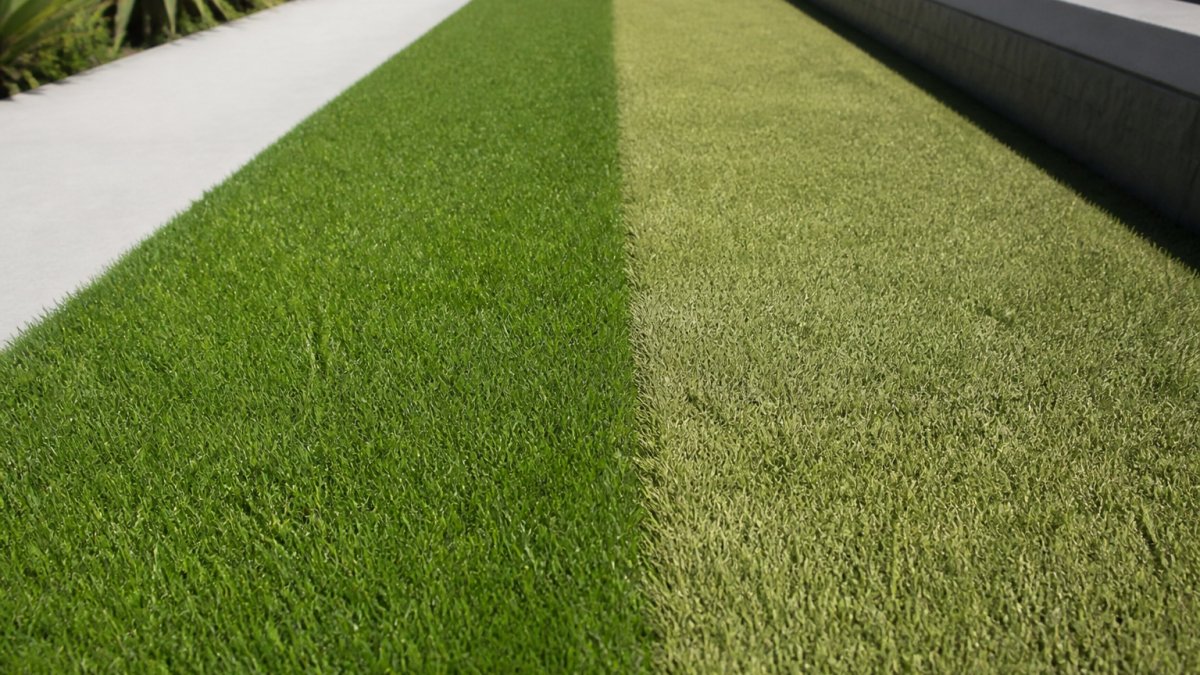
An artificial turf color fading warranty covers UV- and sun-caused color damage during normal use, but coverage varies by warranty terms. Most warranties protect against premature fading from manufacturing defects under typical conditions, while excluding fading from extreme heat, reflected sunlight, improper installation, and environmental extremes.
- Most artificial turf color fading warranties last 8 to 15 years, with coverage starting from the installation date.
- Warranties typically cover premature wear and material defects but exclude damage from reflected sunlight, concentrated heat, improper installation, and acts of nature.
- Proration clauses reduce coverage over time, for example, 100% in years 1-3 and 50% in years 7-8, so a claim’s payout depends on when it’s filed.
- Many warranties cover material only and exclude labor, removal, disposal, and reinstallation costs.
- Building an evidence file before claiming, with dated photos, maintenance logs, and installation records, is the strongest way to win a color-fading claim.
Table of Contents
- What Artificial Turf Color Fading Warranty Actually Covers
- How Long Your Artificial Grass Warranty Length Lasts
- UV Protection Artificial Turf and Fading Resistance
- Artificial Turf Warranty Exclusions You Need to Know
- How to File an Artificial Turf Warranty Claim Process
- Product vs. Installation Warranty: Which Covers What
- Getting Your Warranty Quote and Next Steps
- Frequently Asked Questions
What Artificial Turf Color Fading Warranty Actually Covers
Most warranties cover defects in materials and workmanship related to color retention, so abnormal fading from a manufacturing flaw is protected.
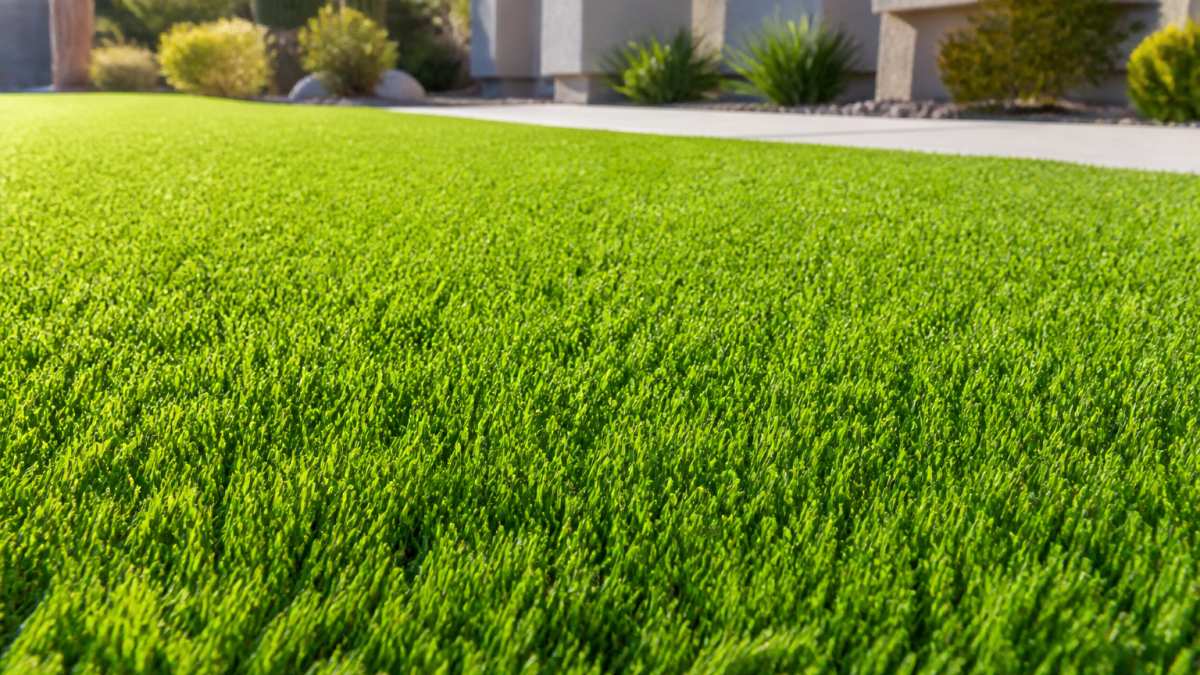
The key distinction is normal wear versus premature wear: expected color change over time versus accelerated fading that shouldn’t happen under typical conditions.
Read three sections of your warranty document: the coverage period, specific exclusions, and the claim process.
How Long Your Artificial Grass Warranty Length Lasts
Most artificial turf warranties last 8 to 15 years. Learn about artificial grass lifespan expectations to understand how long your turf will perform beyond the warranty period.
Once the warranty ends, the manufacturer has no obligation to repair fading, so know your duration before installation.
Your warranty period typically starts on the installation date, not the purchase date, keep installation records as proof of when coverage began.
Intense UV in hot, sunny climates accelerates fading. Your warranty covers premature fading, not accelerated aging from an extreme environment, a common source of denied claims.
UV Protection Artificial Turf and Fading Resistance
UV protection is built into quality artificial turf during manufacturing: fibers are treated with UV stabilizers that slow color degradation. No turf is completely UV-proof, all synthetic grass fades eventually.
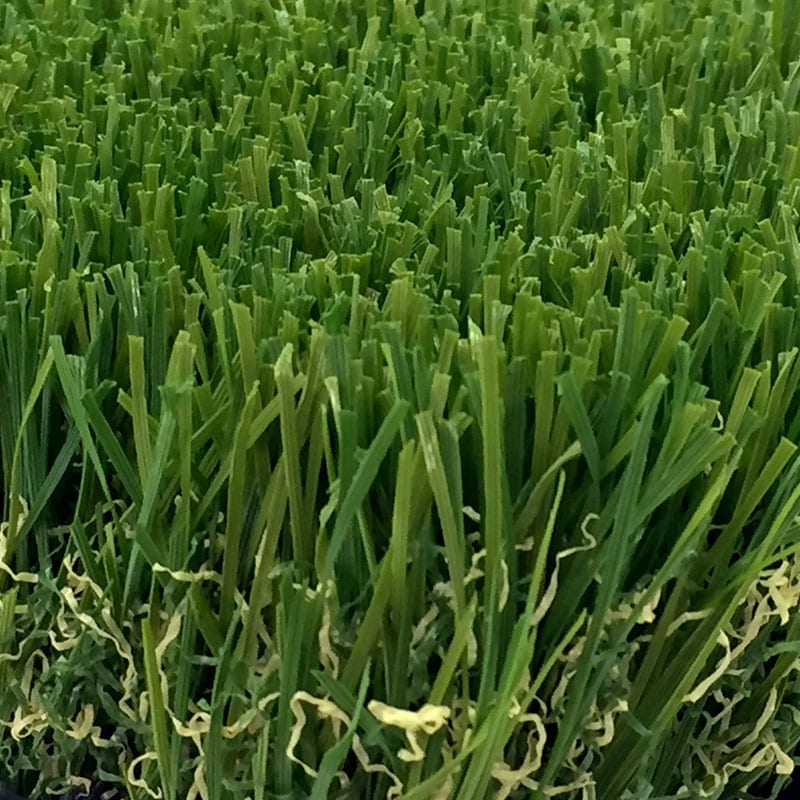
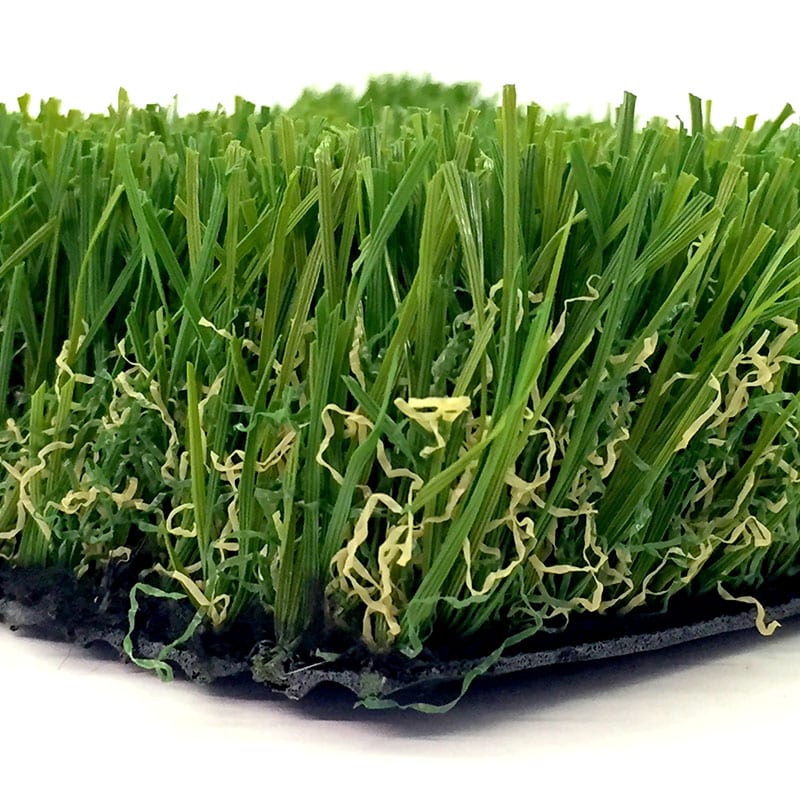
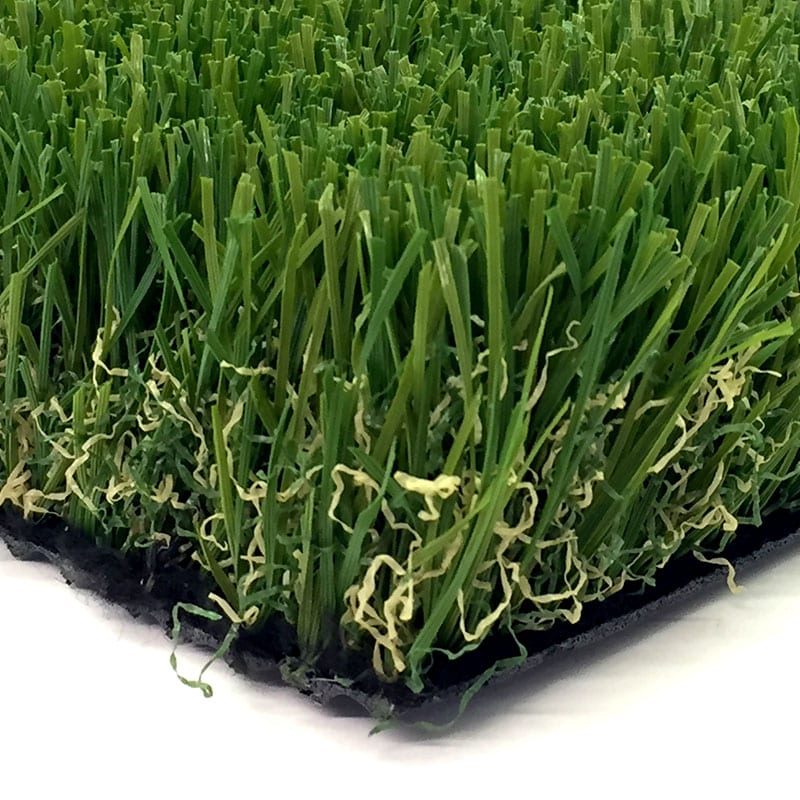
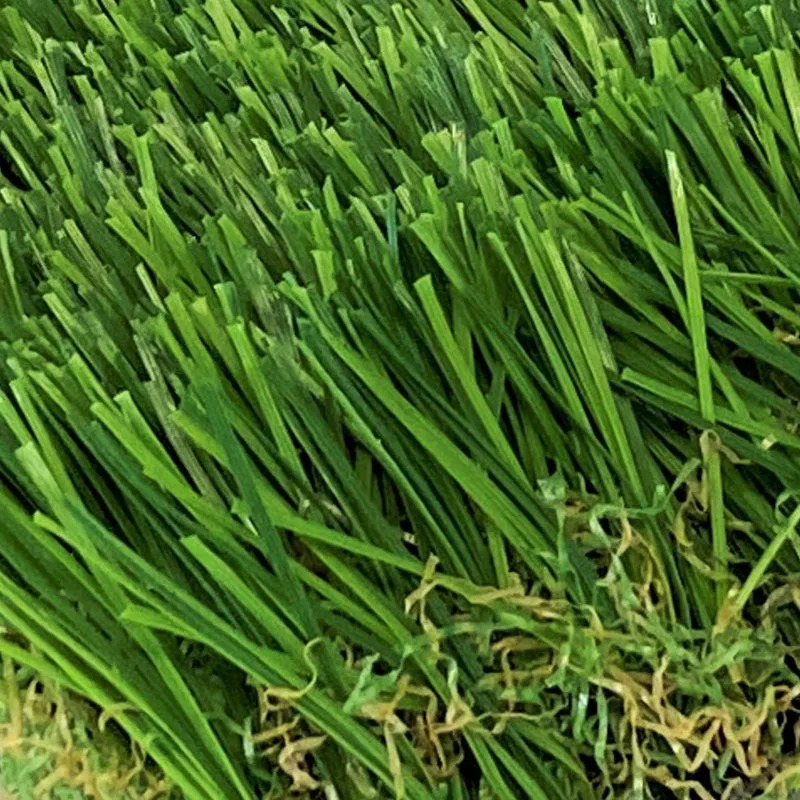
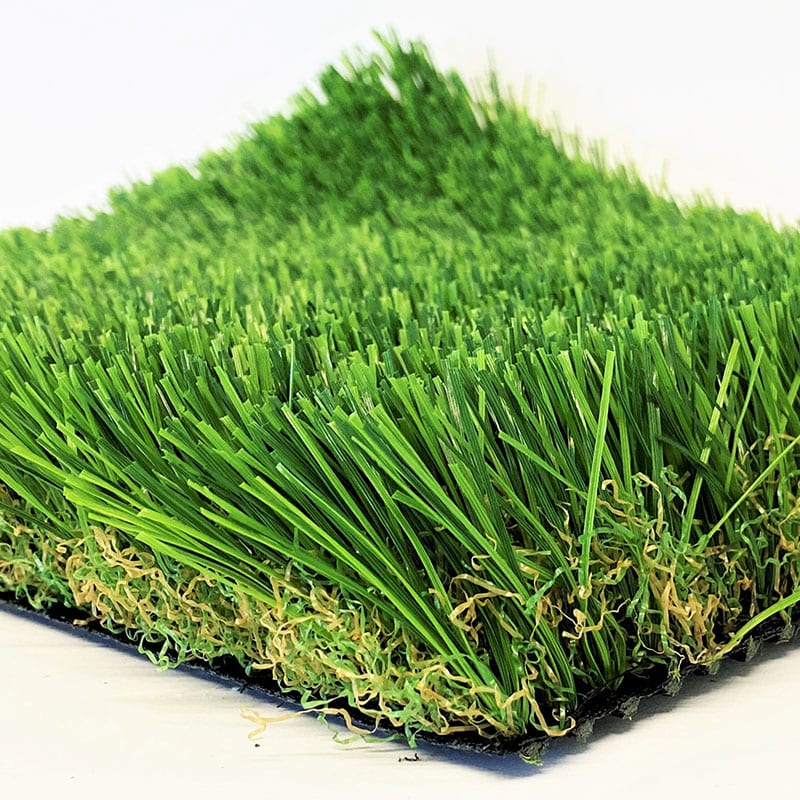
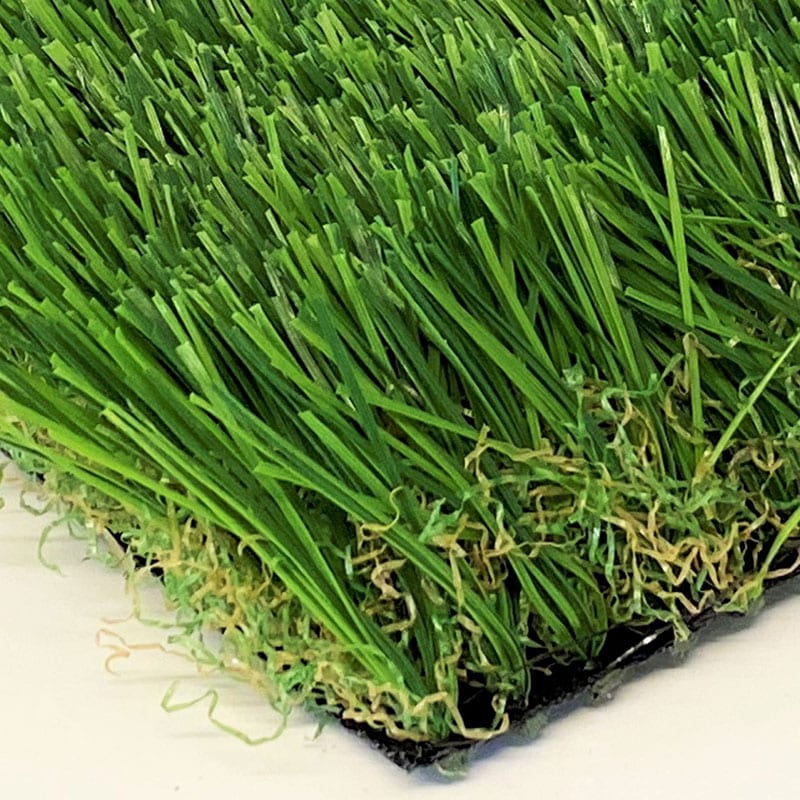
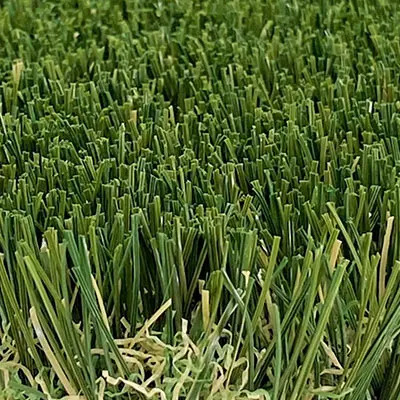
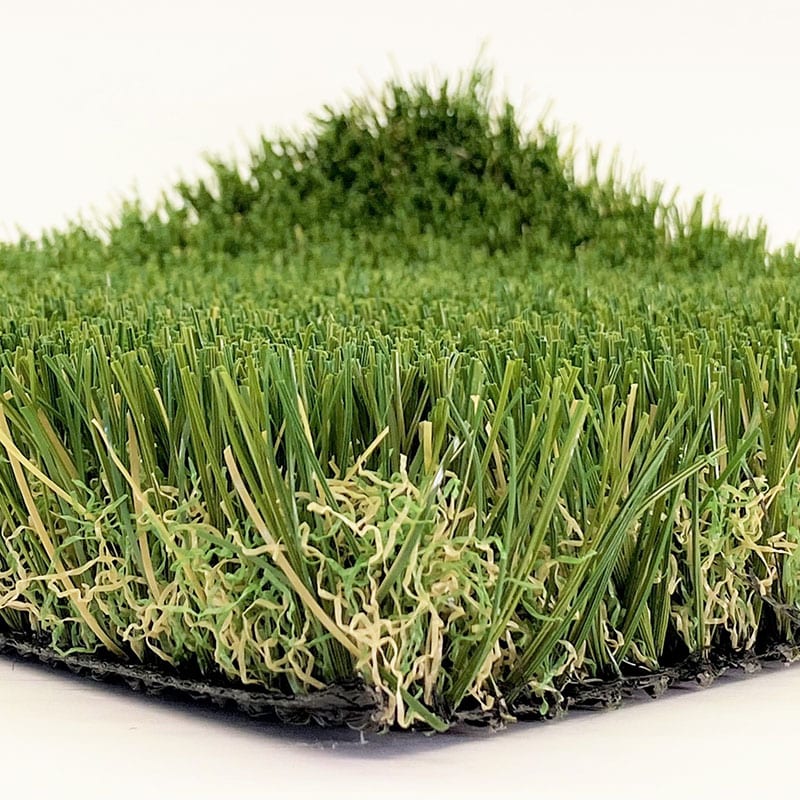
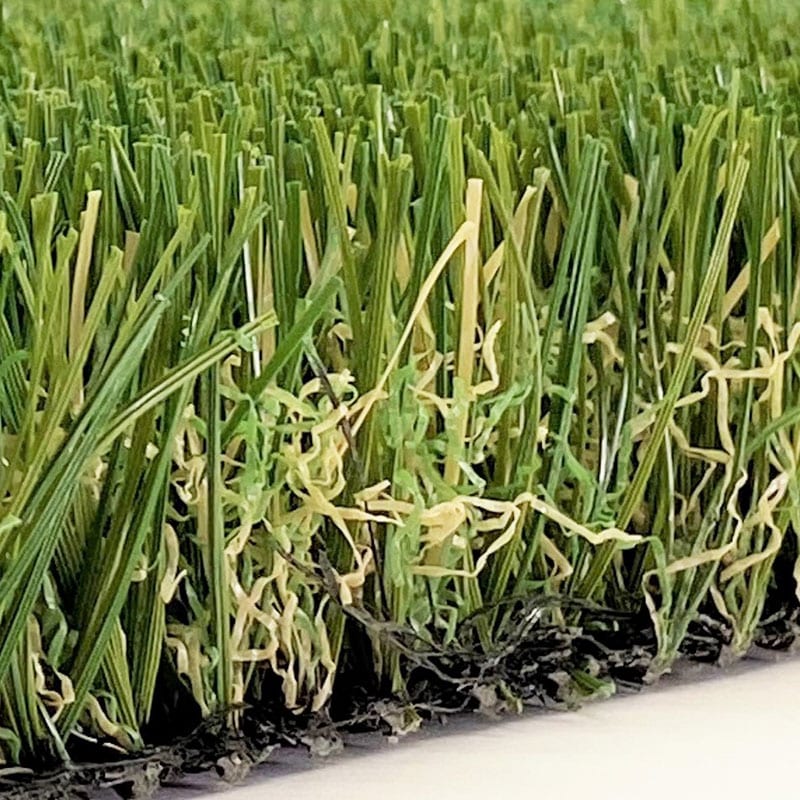
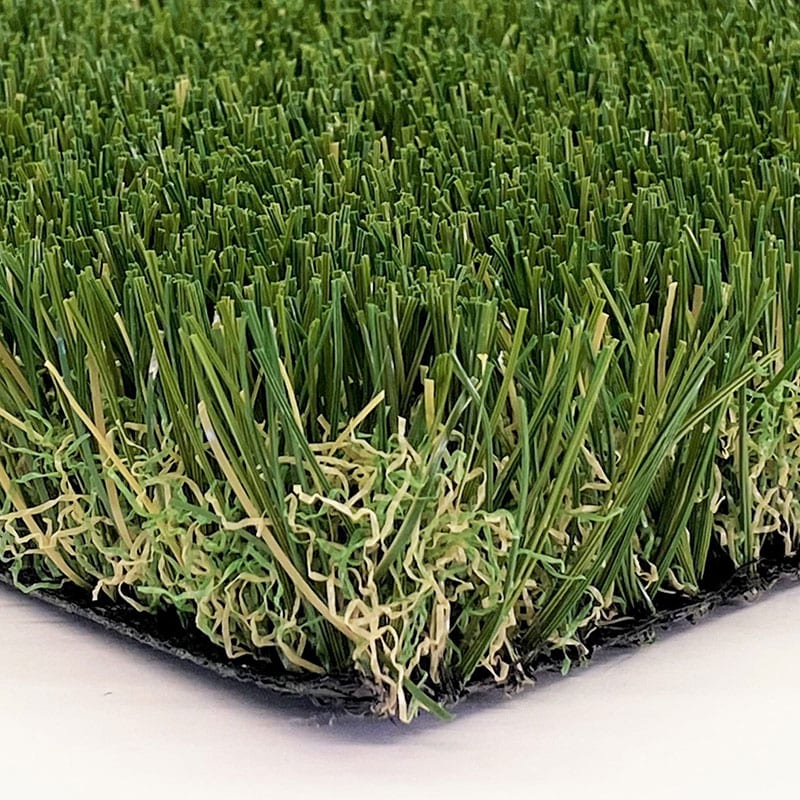
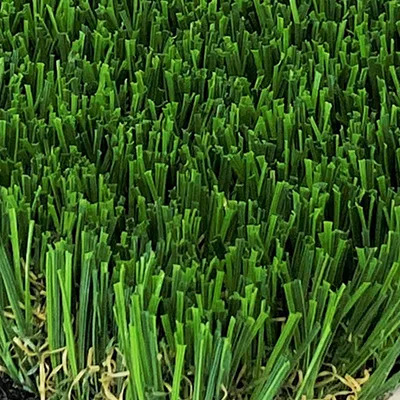
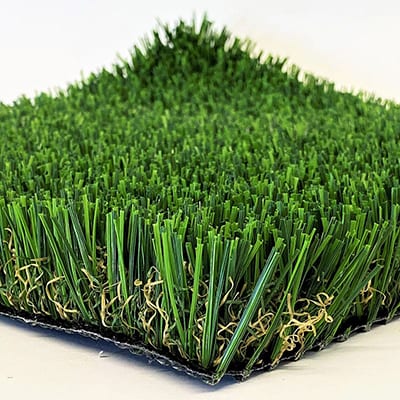
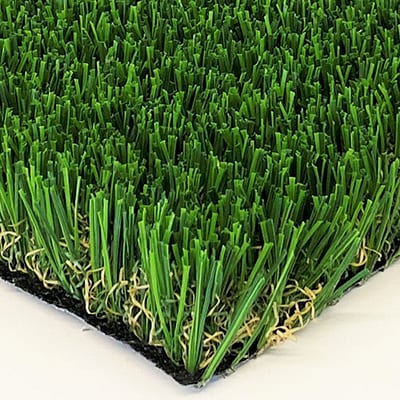
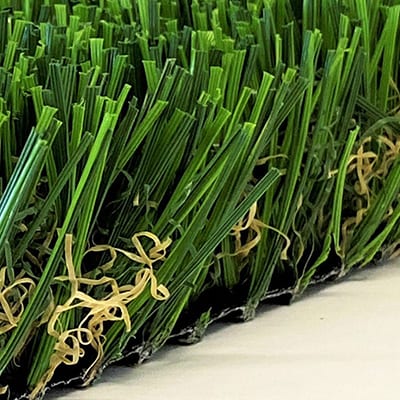
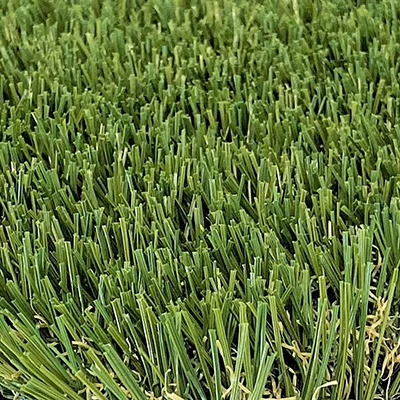
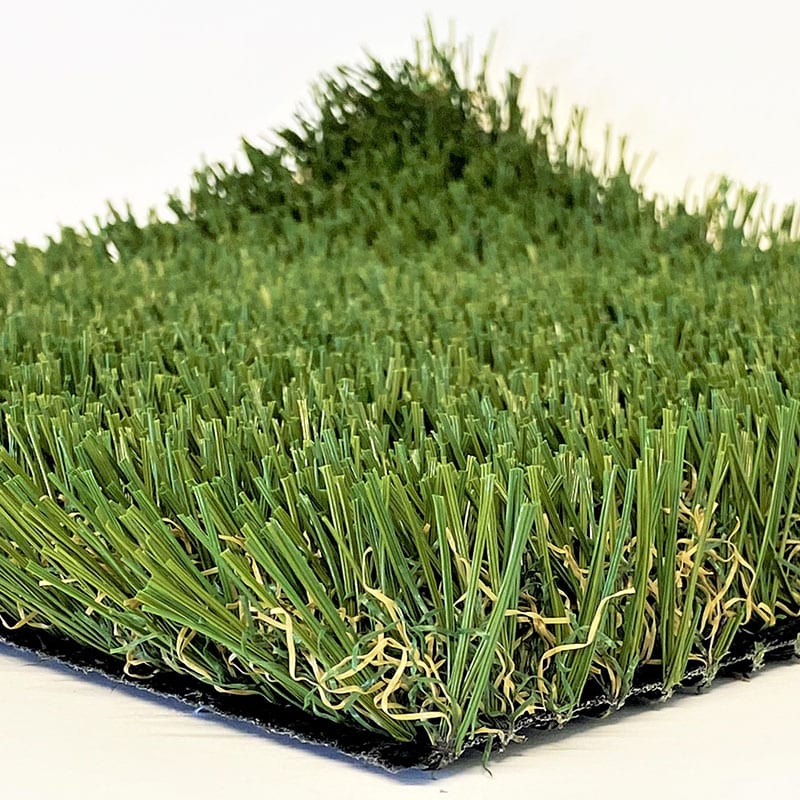
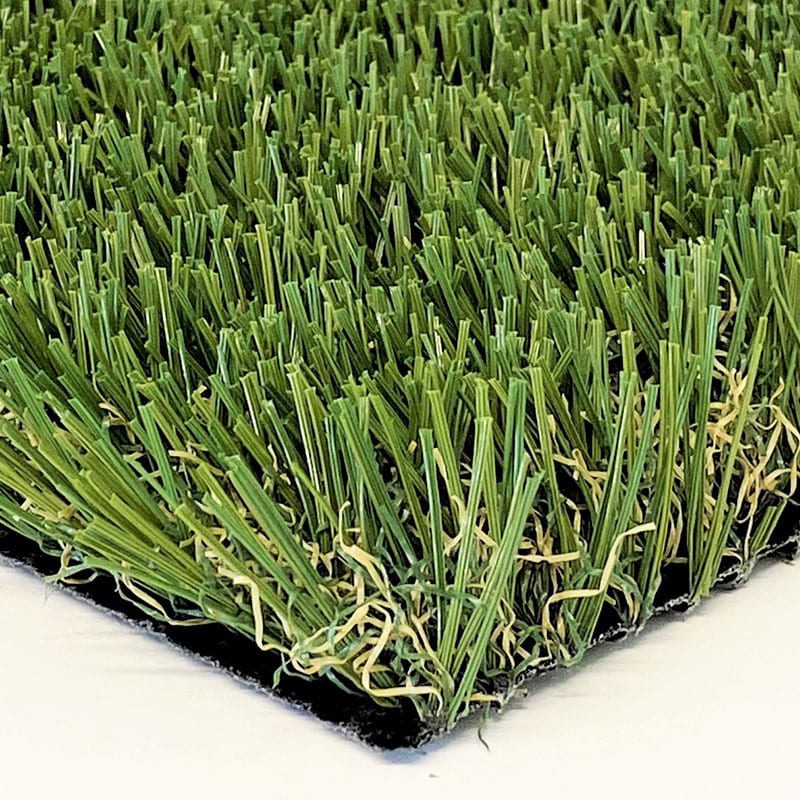
Quad-color technology blends multiple shades of green and brown, so when one shade lightens the others compensate visually.
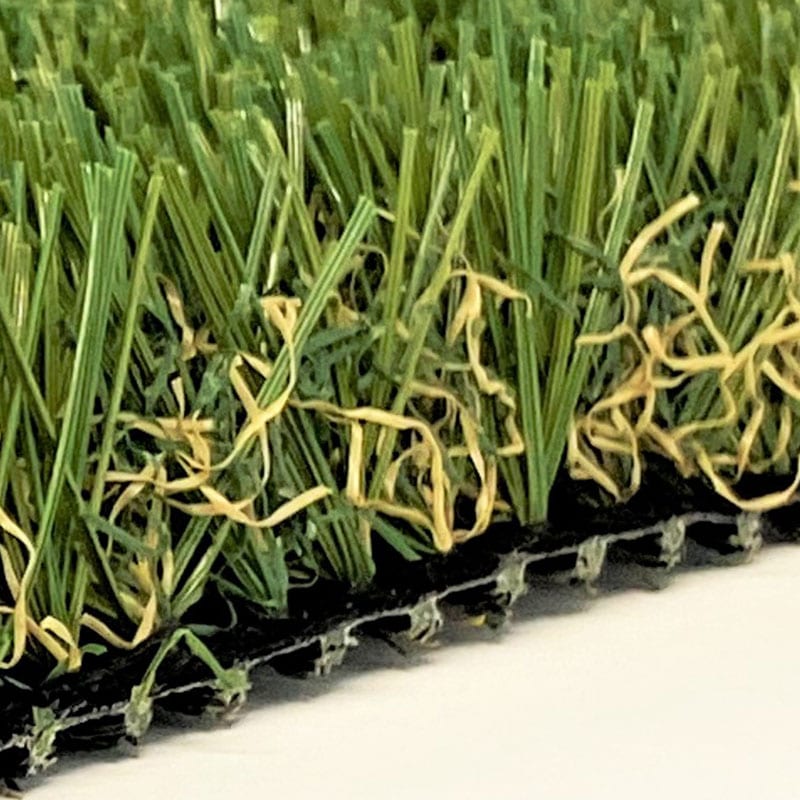
Turf that isn’t secured correctly can shift or bunch, exposing backing that breaks down faster in the sun, which is why installer warranty coverage matters as much as product coverage. artificial turf warranty exclusions explains what happens when installation goes wrong.
To maximize UV resistance, choose products engineered for your climate. Southern Artificial Turf products handle intense Southern heat and humidity while resisting UV degradation.
What Is Quad Color Technology in Synthetic Turf? explains how color technology provides better UV protection and longer-lasting color retention.
Artificial Turf Warranty Exclusions You Need to Know
Exclusions are where most color-fading claims die. Warranty documents bury them in phrases like “damage arising from conditions beyond the manufacturer’s control” or “failure to adhere to published maintenance guidelines.” If you can’t translate those phrases before signing, you can’t predict what will be paid.
Here’s how to read the exclusion section like an adjuster, by the clause language you’re most likely to encounter.
The five exclusion families that matter for color fading
**1.
2. Reflected sunlight and concentrated heat. Typical language: “damage from reflected light, magnified sunlight, or exposure to temperatures exceeding the product’s rated limits.” This is the most common denial for color claims in sunny climates.
**3.
4. Maintenance and chemical exposure. Typical language: “failure to perform required maintenance” and “damage from fertilizers, pesticides, pool chemicals, or de-icing salts.” Most warranties require periodic rinsing and forbid certain chemicals.
**5.
Exclusions that interact with proration and remedy limits
Two clauses are easy to overlook because they aren’t labeled “exclusions”:
- Proration. A warranty may state a 10-year term but pay 100% in years 1-3, 60% in years 4-6, and 30% in years 7-10. A year-8 fading claim may be approved and still leave you paying most of the replacement cost.
- Remedy limits. Many warranties state the manufacturer’s sole obligation is to supply replacement material, not labor, removal, disposal, or reinstallation. Read the remedy clause next to the exclusion clause; together they determine your real out-of-pocket cost.
A warranty can be technically valid and still pay very little. Before signing, calculate the worst-case scenario: a fading claim in the final year of coverage, with proration applied and labor excluded. If that number is unacceptable, negotiate or choose a different product.
A plain-language checklist for the exclusion section
Before you sign, confirm in writing:
- Does the warranty exclude reflected sunlight and heat concentration? If yes, identify every reflective surface near the install area.
- Who is responsible for drainage and sub-base failures, manufacturer or installer?
- What maintenance is required, how often, and what proof is accepted?
- Are pet-related discoloration and chemical exposure excluded?
If a seller cannot answer these questions in writing, treat that as a warning sign. 7 Things Artificial Grass Warranties Don’t Cover walks through additional exclusion examples and how they play out in real claims.
How to File an Artificial Turf Warranty Claim Process
A color-fading claim succeeds or fails on documentation and timing, not on how bad the fading looks. The strongest claims are built before the problem appears, with installation records, maintenance logs, and dated photos.
Step 1: Confirm which warranty you are claiming against
Color fading can be a product warranty issue (fiber or backing defect) or an installation warranty issue (poor drainage, seam failure, sub-base problems that accelerated wear). Identify the responsible party before contacting anyone. If both are plausible, notify both in writing the same day so neither can later claim they weren’t given timely notice.
Step 2: Build the evidence file before you call
Manufacturers evaluate claims against a standard of proof. Prepare a file that answers their questions before they ask:
- Proof of purchase and installation. Receipt with product name, date, and installer name; installation contract and completion date.
- Dated photos. Wide shots of the affected area, close-ups of fiber color and texture, and comparison shots of unaffected turf. Include a coin or ruler for scale.
- Lighting consistency. Photograph in indirect daylight; direct sun and shade distort color comparison.
- Maintenance log. Dates of rinsing, cleaning products used, and any repairs, this directly rebuts a maintenance-based denial.
Take the same set of photos every six months from installation onward. A dated photo series showing gradual versus sudden color change is far more persuasive than a single claim-time photo, because it distinguishes normal aging from premature failure.
Step 3: Submit the claim in writing and start the clock
Send the claim by email or certified mail for a timestamp. State the product, installation date, affected area, and the specific warranty clause you believe applies, and ask for written acknowledgment and a claim number. Most warranties require notice within a set window, commonly 30 days from discovery, so don’t wait for fading to “get worse.”
Step 4: Prepare for the inspection
An inspector typically visits within about 30 days. Be present, ask what standard they’re applying and whether they’re evaluating product defect, installation error, or an excluded external cause, and request a copy of the report. If they blame reflected sunlight or maintenance, ask for the specific measurements or observations supporting that conclusion.
Step 5: Understand the remedy math before you accept
Approval does not mean full replacement. Run the numbers:
- Proration. If the warranty pays 100% in years 1-3 and 50% in years 7-8, a year-8 approval on a $4,000 replacement yields about $2,000 in material credit.
- Labor and disposal. If the remedy is material-only, subtract removal, disposal, and reinstallation, often a substantial share of the total project cost.
- Partial repair. Many approvals cover only the affected section, which can create a visible color mismatch against older turf.
Ask for the remedy in writing, including the proration percentage applied and whether labor is included.
Step 6: Escalate if denied
A denial should state the clause relied on. Respond in writing with evidence addressing that specific clause, maintenance records or site photos, and request a second inspection or supervisor review. If manufacturer and installer blame each other, put both on written notice and ask each to confirm their position in writing; that paper trail is valuable if the dispute continues.
Realistic timeline
| Stage | Typical duration |
|---|---|
| Written acknowledgment | 7-14 days |
| Inspection | Within about 30 days |
| Decision after inspection | 7-14 days |
| Appeal or second review | 2-4 weeks |
| Total, submission to resolution | 4-8 weeks |
Expedited handling is rare. Keep up maintenance during the claim, letting the turf deteriorate while a claim is open can create a new basis for denial.
The claim is won in the evidence file, not in the phone call. Dated photos, a maintenance log, and written notice to both manufacturer and installer are the three items that most often decide the outcome.
Product vs. Installation Warranty: Which Covers What
Your warranty covers two separate things, often managed by different parties.
Product warranty covers the turf itself, fibers, backing, and seams as manufactured.
Installation warranty (or workmanship warranty) covers the installer’s work.
If turf fades prematurely due to poor installation, who pays depends on your warranty documents.
That’s why you need written documentation from both the manufacturer and the installer before work begins. Confirm:
- What the product warranty covers and for how long
- What the installation warranty covers and for how long
- Who you contact if something goes wrong
- Whether the installer backs their work separately from the manufacturer’s product warranty
Southern Artificial Turf stands behind our product. When you choose us, you get clarity on what’s covered and by whom.
Getting Your Warranty Quote and Next Steps
Understanding your warranty before installation protects you from costly surprises. Request detailed warranty documentation from each manufacturer and installer.
Ask these specific questions:
- How long is the coverage period for color fading?
- What percentage of replacement costs are covered in each year?
- What specific exclusions apply in your climate zone?
- Does the warranty cover both product defects and installation issues?
- What’s the claim process and timeline?
Compare warranties side by side. A longer warranty isn’t always better if it has more exclusions; a shorter one with fewer exclusions may protect you better.
When you’re ready to move forward, get a quote from Southern Artificial Turf. We’ll explain exactly what your warranty covers, walk you through the installation process, and ensure you understand your protection before we begin work.
Frequently Asked Questions
Does an artificial turf color fading warranty cover sun damage?
Most artificial turf color fading warranties cover fading caused by normal UV exposure over time, but they typically do not cover damage from reflected sunlight, heat concentration, or extreme thermal conditions. The distinction matters: gradual UV degradation is usually covered within the warranty period, while accelerated fading from heat sources or installation issues is often excluded. Review your specific warranty document to confirm what constitutes covered versus excluded UV-related damage.
What evidence do I need to file an artificial turf warranty claim process?
You will need proof of purchase, installation records showing the installation date and installer information, photographs of the affected area with clear color comparison to undamaged sections, maintenance records proving you followed care guidelines, and documentation of when you first noticed the fading. Some manufacturers also request weather data or climate records for your location. Having installation photos from day one provides the strongest baseline for comparison.
How long does an artificial grass warranty length typically last for color fading?
Artificial grass warranty length for color fading varies by manufacturer and product grade, typically ranging from 5 to 10 years. Premium products often include 8-year or longer warranties covering fading and fiber brittleness. The coverage period usually begins on the installation date, not the purchase date. Warranty terms may include prorated coverage in later years, meaning replacement costs decrease as the product ages.
What artificial turf warranty exclusions typically apply to fading claims?
Common artificial turf warranty exclusions for fading include damage from improper maintenance, use of harsh chemicals or bleach, pet damage or urine discoloration, vandalism or abuse, heat damage from reflected sunlight or external heat sources, and fading caused by poor installation or site conditions. Warranties also typically exclude normal wear and tear beyond the stated service life, damage from extreme weather events, and fading resulting from non-compliance with manufacturer maintenance requirements.
Your artificial turf warranty protects your investment, but only if you understand what’s actually covered. Most claims get denied because homeowners didn’t read the exclusions or didn’t maintain proper documentation. Get a detailed warranty explanation from your manufacturer and installer before signing anything. Get a Quote with Southern Artificial Turf and we’ll make sure you know exactly what you’re protected for.