
Last Updated: November 20, 2026
Quick Summary
Artificial grass resale value comes from removing recurring chores and bills from the buyer’s checklist, not from a fixed percentage bump. Turf pays off most when you install it at least a few months before listing, prioritize visible front-yard areas, and insist on proper base prep and drainage. Treat any claim of a universal artificial grass resale multiplier with suspicion.
- Turf stays green through heat, drought, and winter, which buyers notice.
- A visible seam or puddle after rain reads as a problem, not a feature.
- Time the install at least a few months before listing so infill settles.
- A dramatically low bid usually trims base prep or drainage, the first failures found.
- Disclose the turf with warranty and product details to avoid buyer surprises.
Table of Contents
- Does Artificial Turf Increase Home Value? What Buyers Actually Pay For
- Artificial Grass Curb Appeal: The First Impression That Sets Your Asking Price
- Artificial Turf Installation Cost per Square Foot and the Payback Math
- Artificial Grass Maintenance: What Sellers Must Do Before Listing
- A Resale-Focused Installation Checklist for Homeowners
- Local Market and Climate Factors That Decide Whether Turf Pays Off
- Disclosure, Appraisal, and Buyer Inspection: What to Expect at Sale
- Get a Quote and Plan Your Turf Installation Around Your Sale Timeline
- Frequently Asked Questions
Does Artificial Turf Increase Home Value? What Buyers Actually Pay For
Artificial grass resale value often comes down to whether a buyer sees a lawn they will never have to mow, water, or reseed, which is why resale can hinge on perception as much as product. Turf does not add value the way a new kitchen does. It adds value by removing a recurring chore and a recurring bill from the buyer’s mental checklist.
That distinction matters more than most sellers realize. A green lawn in July is worth something. A green lawn in July that costs nothing to keep is worth more.
Here is what buyers actually pay attention to:
- Year-round appearance. Turf stays green through heat, drought, and the dead of winter.
- Maintenance costs. No mowing, watering, fertilizing, or weed control.
- Usability. No mud, no bare patches, no “keep off the grass” season.
- Condition. Buyers notice seams, edges, and drainage first.
What buyers do not pay for is a poorly installed lawn. A visible seam or a puddle after rain reads as a problem to fix, not a feature to enjoy.
Artificial Grass Curb Appeal: The First Impression That Sets Your Asking Price
Curb appeal is where turf earns its keep fastest. A buyer forms an opinion in the first few seconds of a drive-by, before they ever see the kitchen.
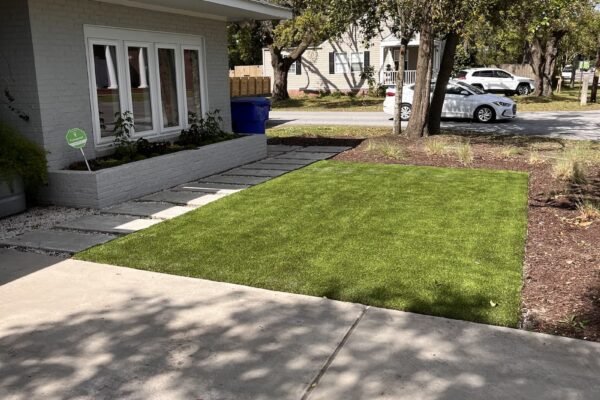
A front lawn is the largest single visual element in most listings. When it is patchy, brown, or overgrown, every photo and every showing starts at a disadvantage.
Three details carry the most weight with buyers:
- Clean edging. A crisp line between turf and beds signals a professional install.
- Defined borders. Decorative rock, pavers, or a stone edge frame the lawn and hide the perimeter.
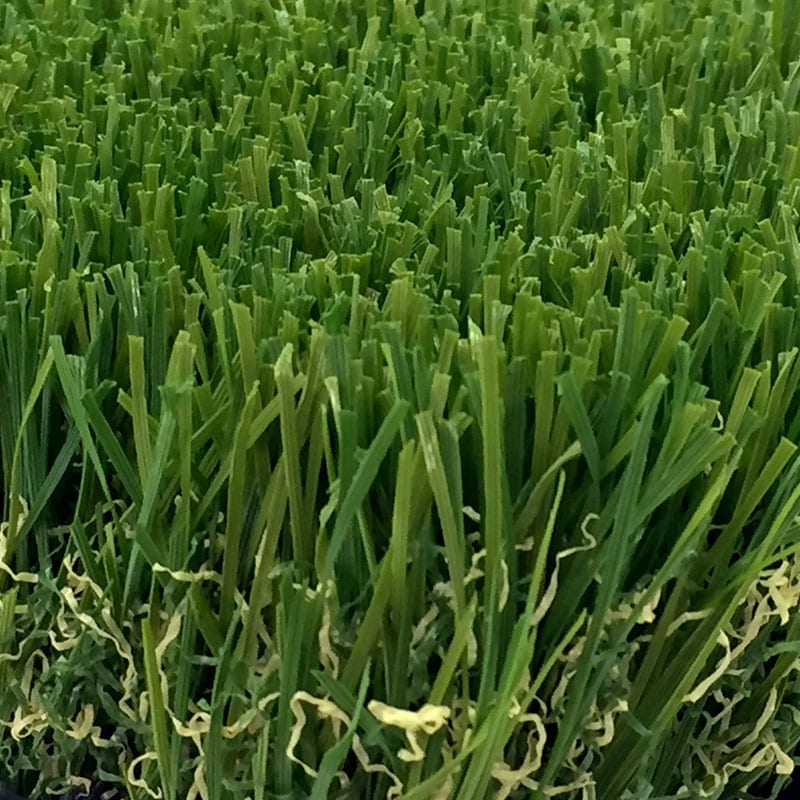
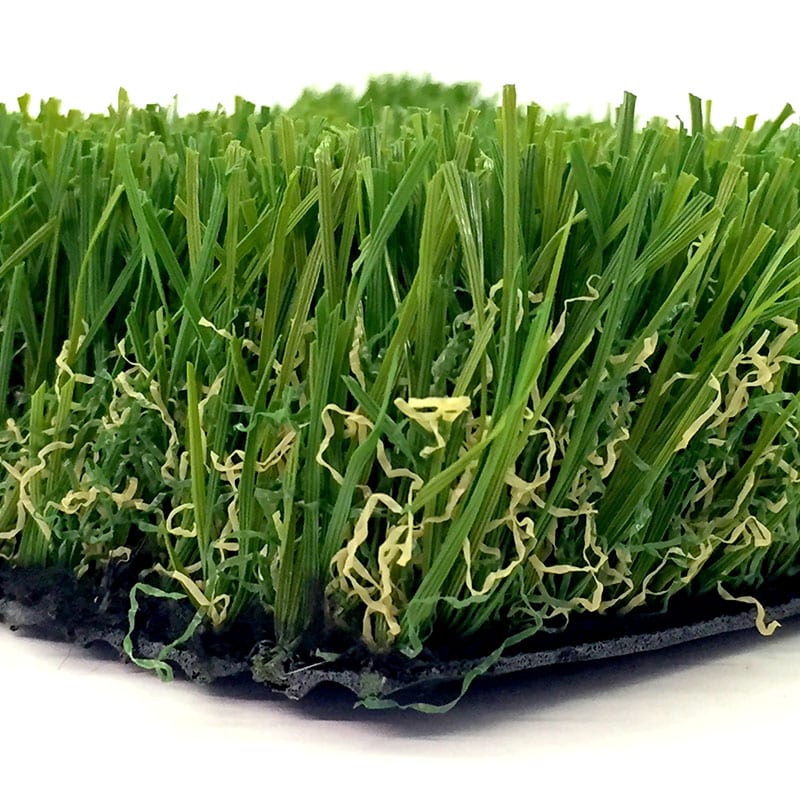
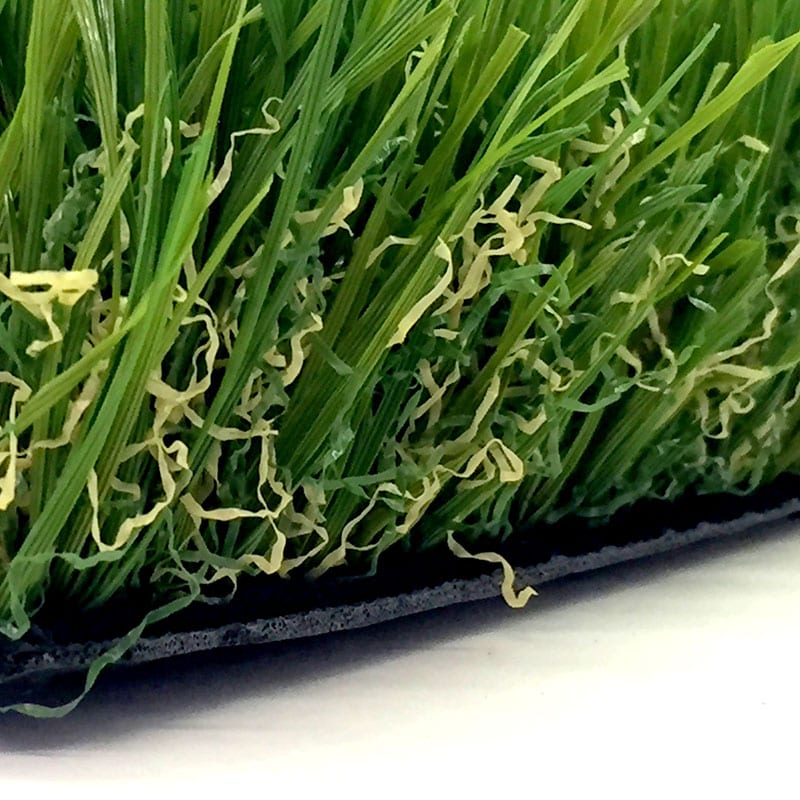
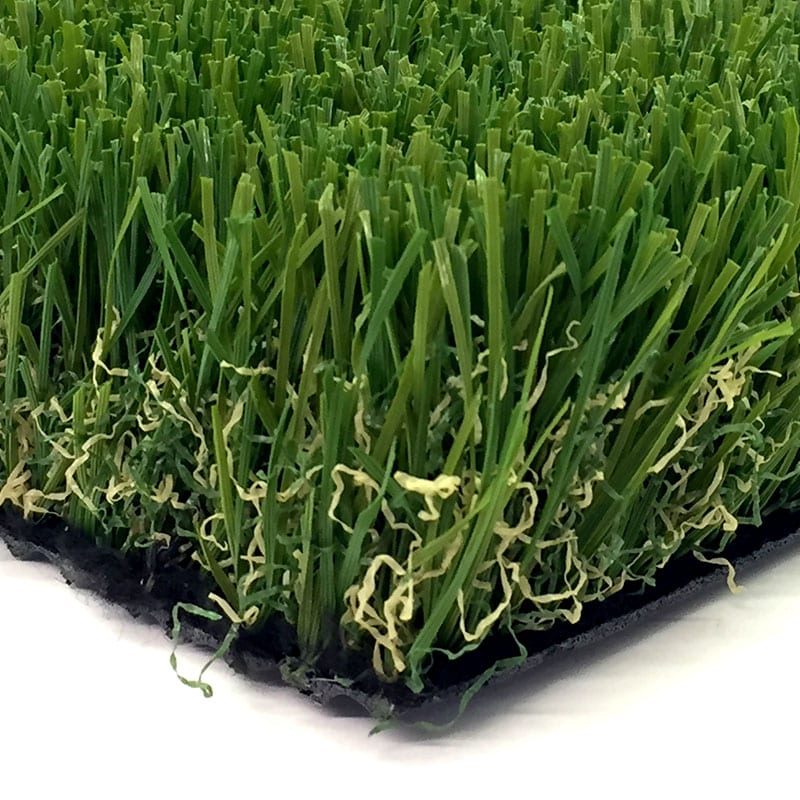
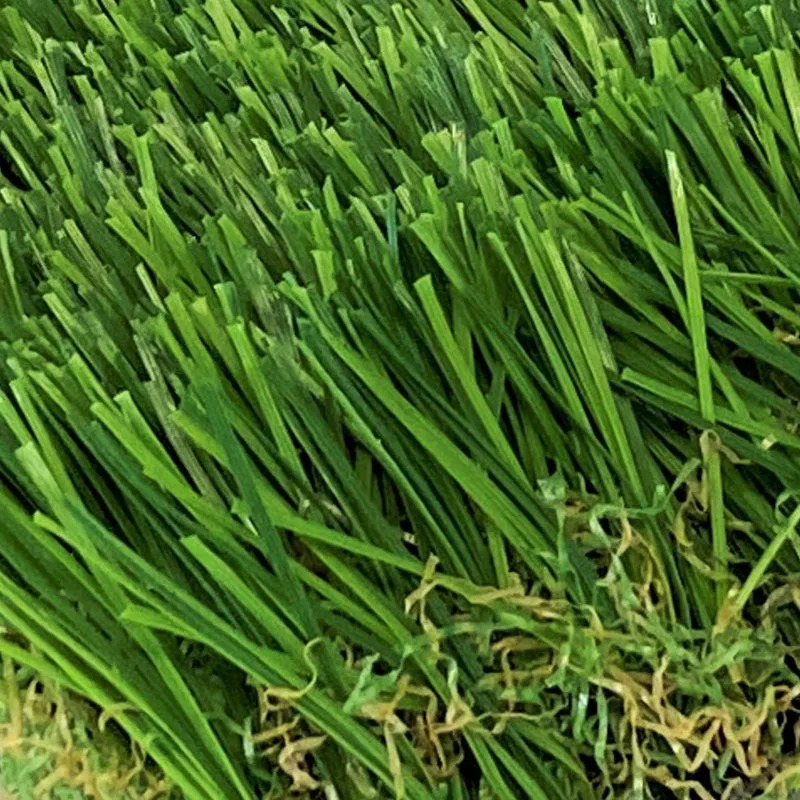
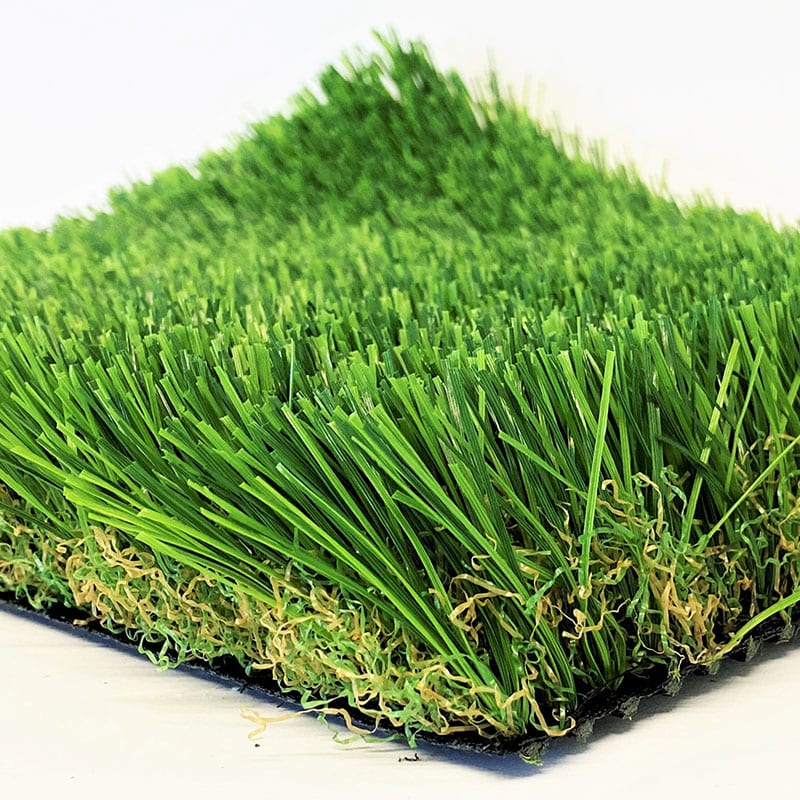
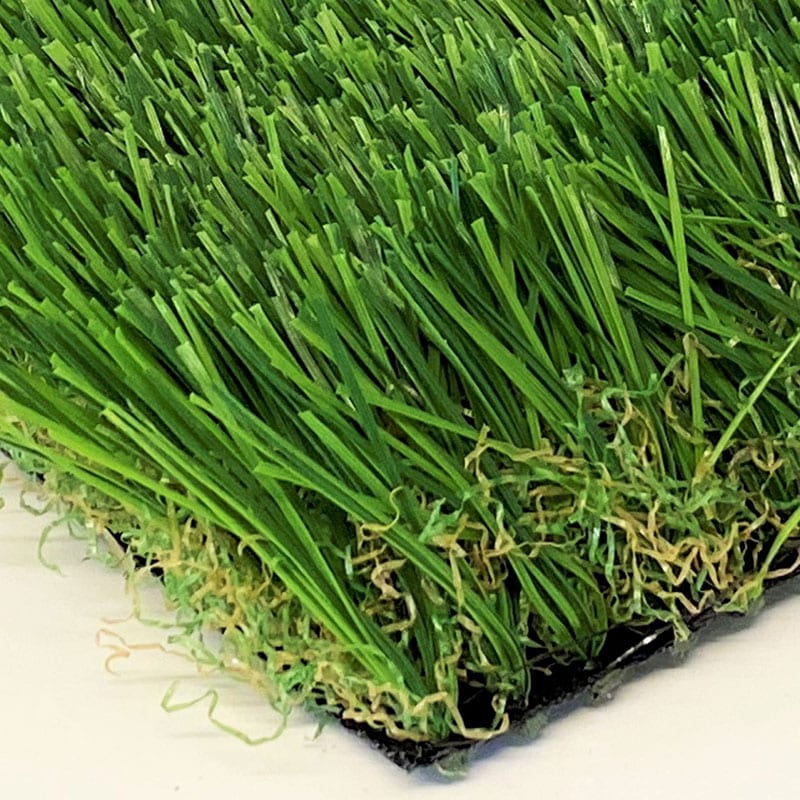
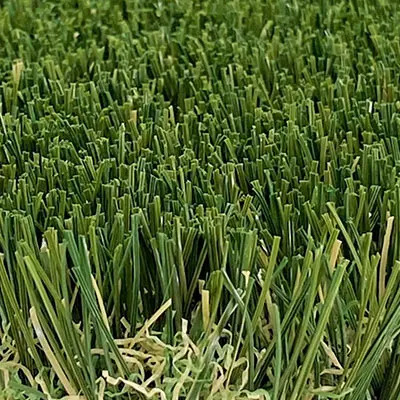
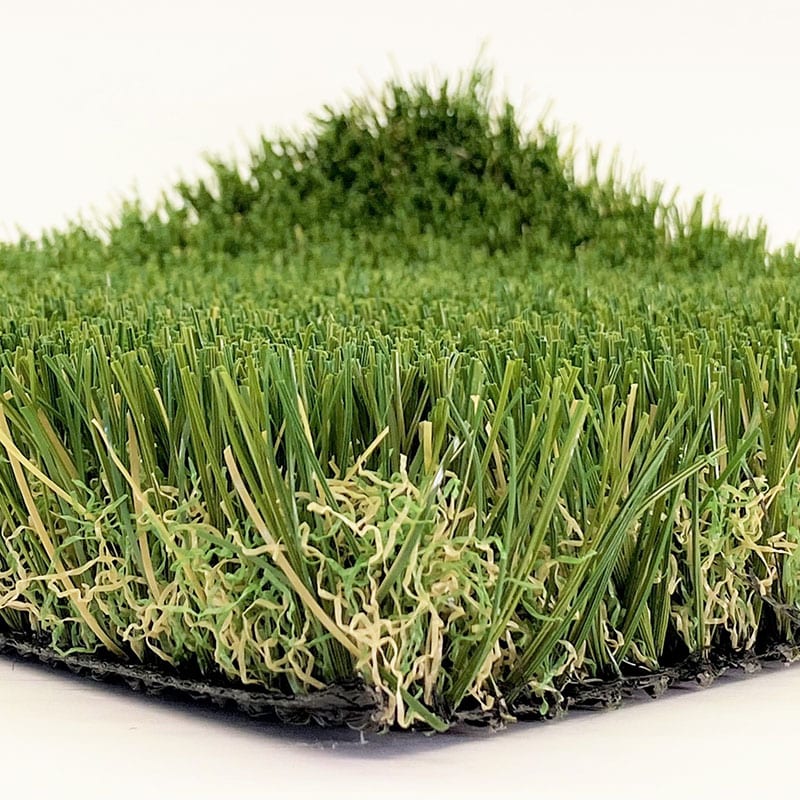
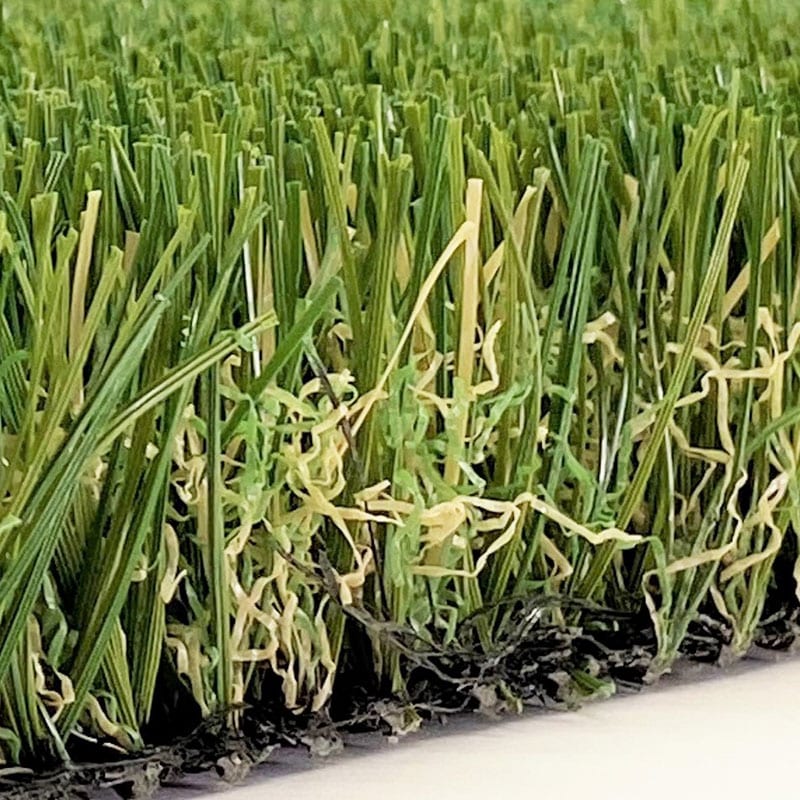
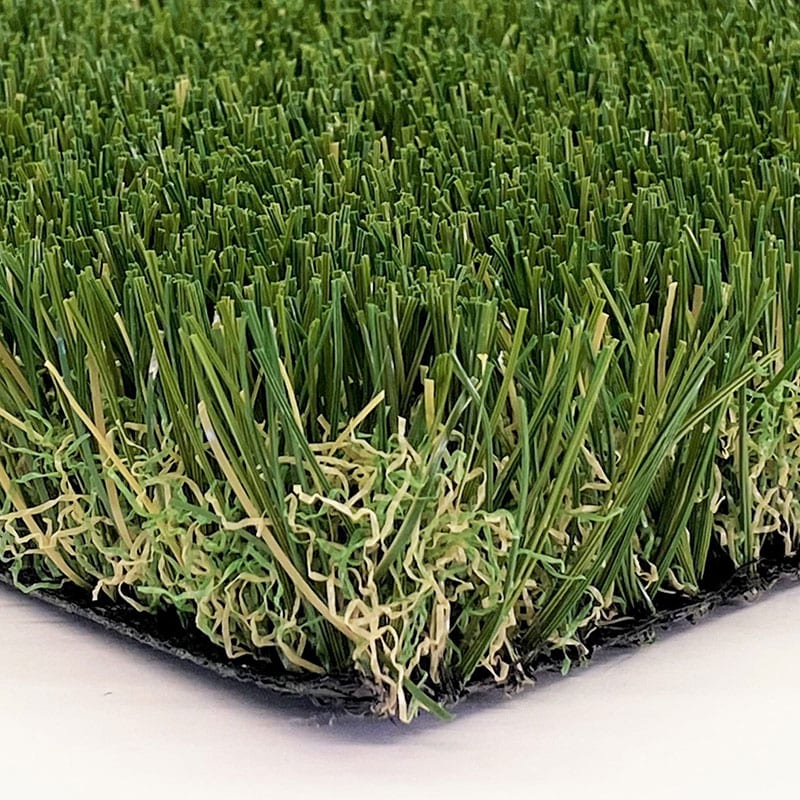
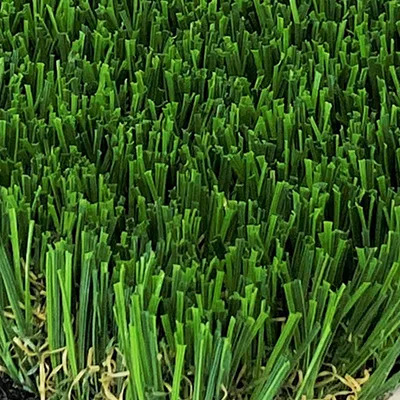
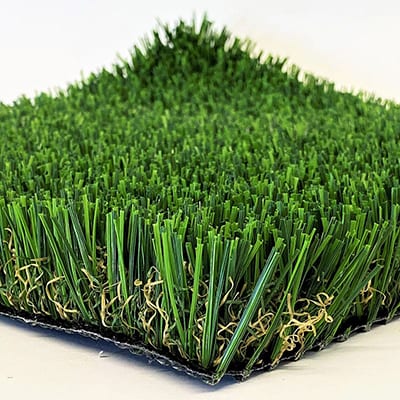
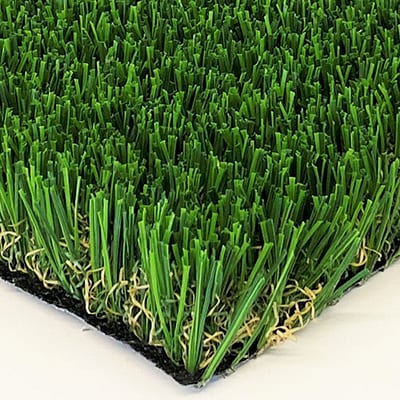
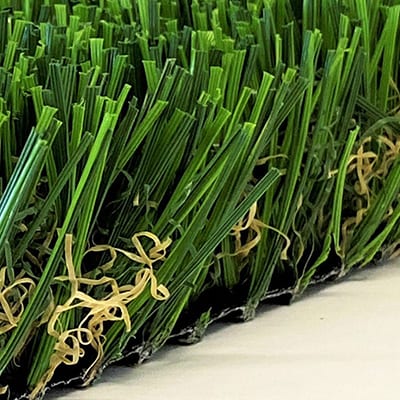
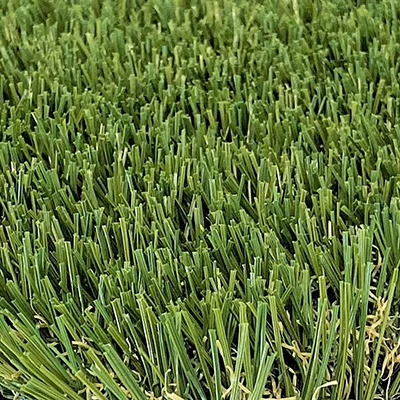
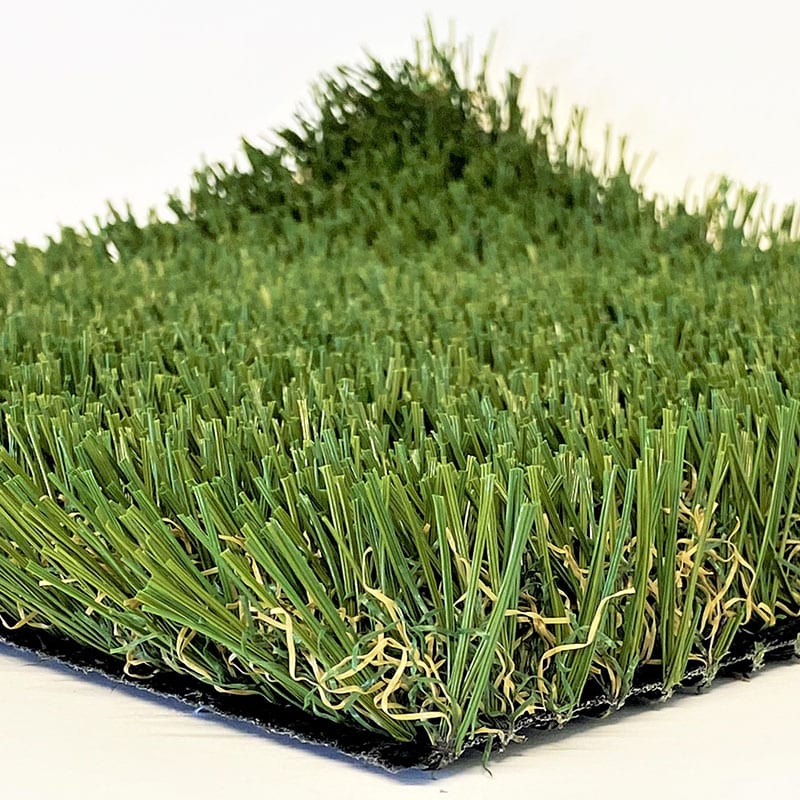
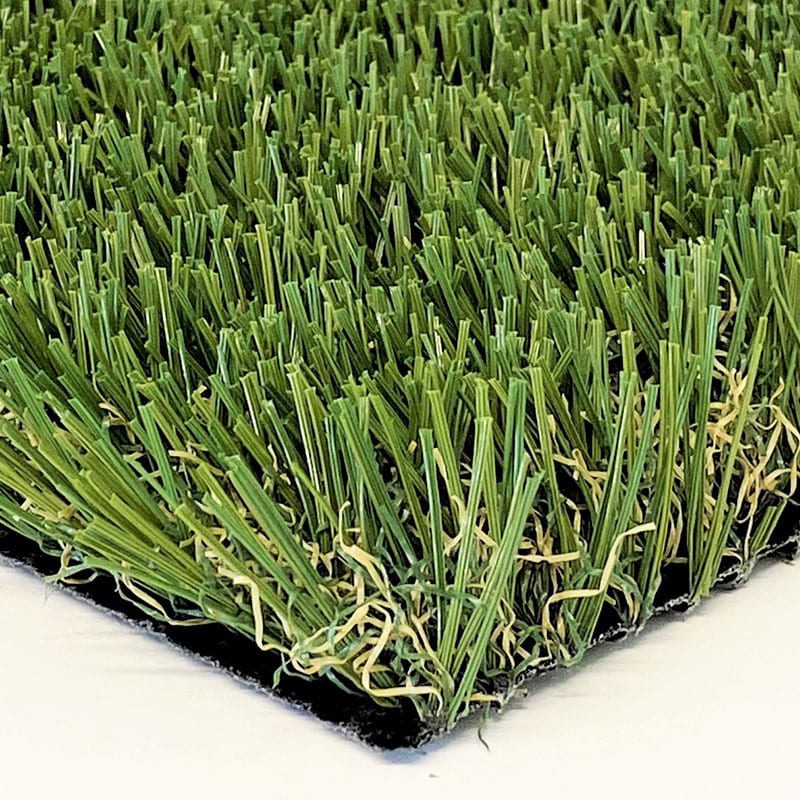
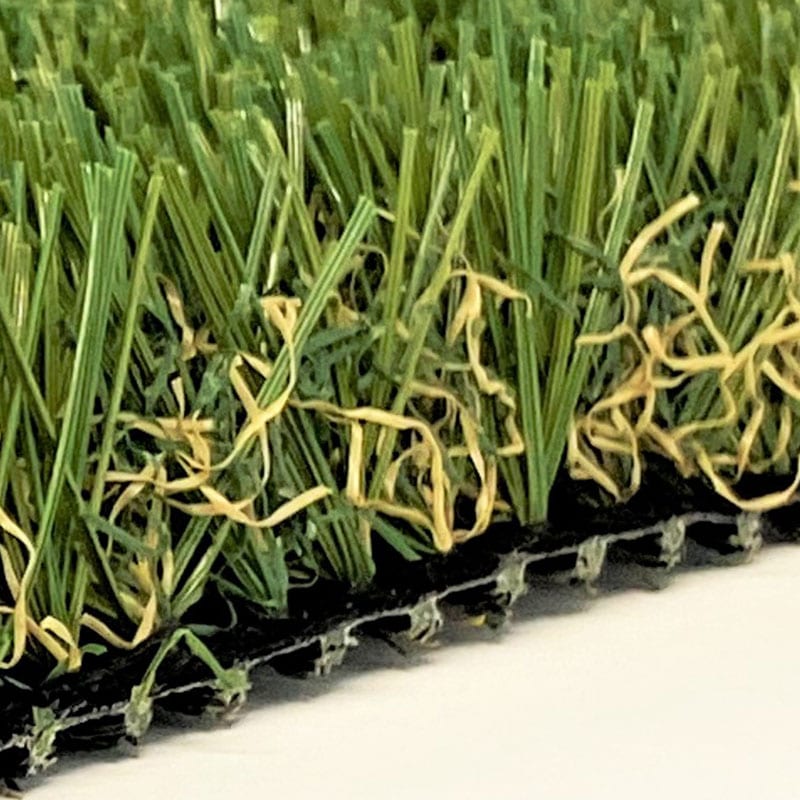
- Consistent color. Quad-color turf blends read as natural grass rather than a flat green carpet.
We tell sellers to walk their own yard from the street before listing. Whatever looks tired from that distance is what the buyer sees first. Our project gallery shows finished installations so you can see the curb appeal turf delivers.
Artificial Turf Installation Cost per Square Foot and the Payback Math
Pricing depends on site prep, turf grade, drainage work, and quantity, so each yard is quoted individually. Contact Southern Artificial Turf for current pricing or a quote. What we can explain is how the payback math works, and which line items typically move the total.
A residential install is rarely one price. It is a stack of costs, and each one changes the resale story:
- Turf material. Premium turf costs more up front but holds its appearance longer. If you are weighing the tradeoff, our guide to cheap vs premium synthetic grass breaks down where the extra money goes.
- Base prep and excavation. Removing sod, grading, and compacting a crushed-stone base is labor-heavy and is the line item sellers most often try to cut. It is also the one that determines whether the yard drains.
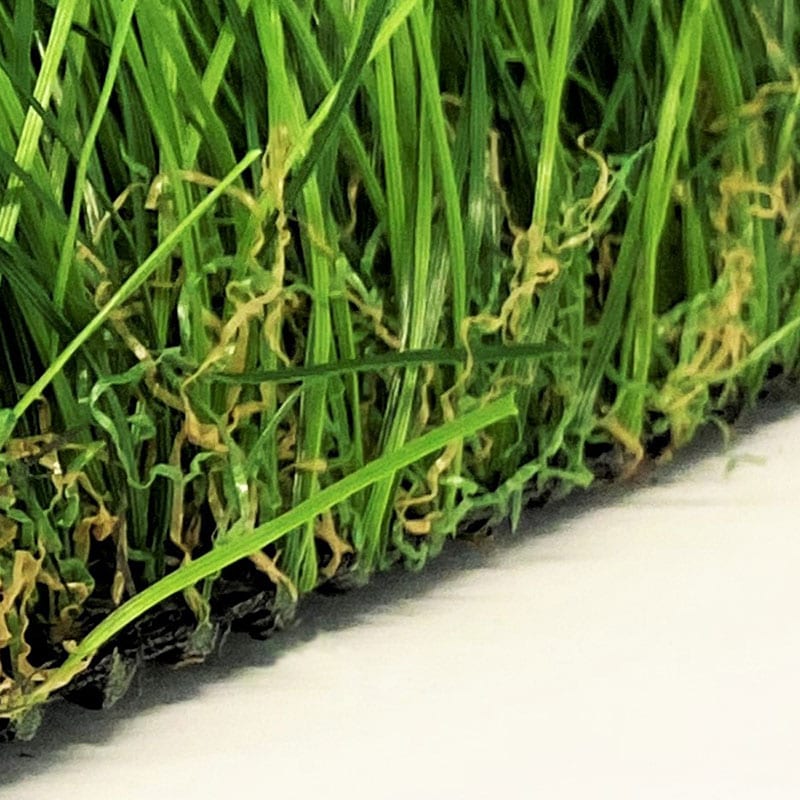
- Drainage and infill. A properly drained base with the right infill keeps fibers upright and prevents pooling. Skipping it is the fastest route to a buyer complaint.
- Edging, borders, and hardscape. Bender board, paver edging, or decorative rock finish the perimeter and protect the investment.
- Lifespan. Payback depends on how many years the surface lasts. Our article on artificial grass lifespan expectations explains what shortens or extends that window.
The Payback Math, Stated Honestly
The comparison is not turf versus free grass. It is turf versus years of water bills, mowing, fertilizer, weed control, reseeding, aeration, and the occasional full lawn replacement after drought or disease. Add those up over the life of the turf and the gap narrows considerably.
Resale outcomes depend on comparable sales, buyer preferences, and how well the install was executed, not on a universal multiplier. Treat any claim of a fixed percentage increase with suspicion.
Scenario-Based ROI: Three Yards, Three Outcomes
| Scenario | What Changed | Resale Effect |
|---|---|---|
| Small front yard, resale within a year | Turf installed only in the front, clean edging, fresh rock border | Strongest curb appeal gain per dollar spent |
| Full backyard, dogs and kids | Durable turf with high drainage, no mud, no bare patches | Broadest buyer appeal, especially with families |
| Large lot, budget install | Thin turf, rushed seams, poor base prep | Little to no gain, and buyers notice the flaws |
Before you commit, ask your installer for a line-item quote that separates material, base prep, drainage, and finishing, so you can see which costs are driving the total and where a cheaper bid is cutting corners.
Watch out: a bid that is dramatically lower than the others almost always trims base prep or drainage, and those are the two failures buyers and inspectors find first.
Artificial Grass Maintenance: What Sellers Must Do Before Listing
Artificial grass maintenance is minimal, but “minimal” is not “none,” and a neglected lawn shows. Before a showing, sellers should do a short cleanup pass.
- Rinse off dust and debris so the fibers stand up
- Brush the turf to lift matted areas, especially in high-traffic spots
- Clear leaves and twigs from seams and edges
- Check drainage after rain and note any pooling
- Wipe down adjacent hardscape and remove weeds from borders
- Confirm pet areas are rinsed and odor-free
A common mistake is skipping the brush-out. Turf that has not been brushed looks flat and worn, which reads to buyers as an old lawn. Our artificial turf maintenance tips cover the full care routine so the yard stays listing-ready.
A Resale-Focused Installation Checklist for Homeowners
If you are installing turf with a sale in mind, plan backward from the listing date. This is the checklist we walk sellers through.
- Time the install at least a few months before listing. Turf needs time for infill to settle and for the surface to look lived-in.
- Prioritize the most visible areas. Front yard and main sightlines from the house.
- Insist on proper base prep and drainage. Poor prep is the top cause of callbacks and buyer complaints.
- Match turf style to the neighborhood. A putting green in a standard subdivision can read as odd.
- Document the install. Keep the warranty, product spec, and installer details for the disclosure packet.
- Budget for edging and borders. These finish the job and protect the investment.
Local Market and Climate Factors That Decide Whether Turf Pays Off
Turf can be a practical choice where natural grass struggles. Natural lawns in hot, dry conditions generally need regular irrigation to stay green. Buyers in those markets already know what a water bill looks like in August, which is why the value impact is not universal and should never be pitched as a fixed percentage.
Climate and local rules affect four things:
- Water conservation. In drought-prone areas, a lawn that needs no irrigation is a genuine selling point. Where watering restrictions limit which days or hours a lawn can be irrigated, a buyer inherits a yard that is not exposed to those limits.
- Water cost. Where municipal water rates are high or tiered, the monthly savings a buyer can expect are easier to explain and easier to verify against the seller’s own bills.
- Heat. Buyers with pets or barefoot kids may ask about surface temperature in direct sun, so be ready to discuss shade and cooling options.
- Wear. High-traffic yards with dogs or kids tear up natural grass fast. Turf holds up where sod fails.
Local buyer preferences matter just as much, and they are the factor sellers most often skip. In some neighborhoods, turf is a selling feature. In others, buyers expect traditional landscaping and see turf as a deviation.
A useful exercise before you install: pull your own water bills for the past year and estimate what a buyer would save monthly, then compare that figure to the install cost. That gives you a defensible talking point for showings instead of a vague claim about lower maintenance.
Disclosure, Appraisal, and Buyer Inspection: What to Expect at Sale
Disclose the turf. Sellers who mention the installation up front, with the warranty and product details in hand, can avoid surprises when a buyer discovers it on their own.
That is why presentation matters more than paperwork here.
Buyers and inspectors tend to check the same things:
- Drainage and any signs of pooling
- Seam quality and edge security
- Odor in pet areas
- Remaining warranty coverage
Know what the warranty does and does not cover before a buyer asks. Our breakdown of what artificial grass warranties don’t cover is worth reading before you assemble your disclosure packet.
Get a Quote and Plan Your Turf Installation Around Your Sale Timeline
The sellers who get the most from turf are the ones who plan the install around their listing date, not the other way around. Install too late and the yard has not settled.
Southern Artificial Turf provides residential and commercial installations featuring quad-color technology, non-abrasive polyethylene fiber, and a drainage capacity of 30 inches per hour. Products come with an 8-year warranty and meet or exceed EPA standards for RCRA hazardous waste heavy metals, including lead.
If a sale is on your calendar, get the yard assessed early so the work is finished and settled well before photos are taken. Contact Southern Artificial Turf for a quote on your project.
A yard that looks finished and costs nothing to keep is one less objection at the negotiating table. Southern Artificial Turf installs turf built for heat, heavy rain, and daily wear, with quad-color fiber, fast drainage, and an 8-year warranty.
Frequently Asked Questions
Does fake grass increase property value?
It can, but the gain is rarely automatic. Real estate professionals generally credit artificial grass with stronger curb appeal and lower upkeep, which can make a home easier to sell. Whether it shows up in the appraisal depends on your local market, the quality of the install, and how buyers in your area view turf. A clean, professionally installed lawn with proper drainage and edging tends to read as a premium feature, while a patchy or poorly drained install can raise questions at inspection.
How much does it cost to install 1000 square feet of artificial turf?
Pricing depends on turf grade, site prep, drainage work, and removal of existing lawn, so there is no single figure that holds across projects. Southern Artificial Turf does not publish flat rates because every yard needs a different base and drainage plan. Request a quote with your square footage and site conditions for an accurate number. When comparing bids, check whether removal, base material, edging, and infill are included, since those line items drive much of the total.
Can artificial grass hurt a home’s resale value?
It can if the install is poor or the local market prefers natural lawns. Buyers may worry about heat, drainage, or replacement cost, and some homeowner associations restrict synthetic turf. Reduce the risk by using realistic, UV-resistant turf, installing proper drainage, and keeping documentation on the product warranty and installation. Disclosing the turf and explaining maintenance upfront also prevents surprises during inspection that could cost you at the negotiating table.
How should artificial grass be maintained before listing a home?
Treat it like any other selling feature: make it look its best. Rinse off dust and pet waste, brush up crushed pile so fibers stand upright, clear debris from drains, and refresh infill where it has settled. Check edges and seams for lifting and fix them before photos. Keep the warranty, installer details, and a short maintenance record in a folder for buyers. A tidy, well-documented lawn signals that the rest of the property was cared for too.