
Last Updated: November 4, 2026
Quick Summary
Artificial turf can help a home look better and sell faster, but it does not add a fixed, reliable dollar amount to value. Buyers respond most to a well-installed, convincing lawn that matches the rest of the property. Local comparable sales and HOA rules will decide whether it pays off.
- No reliable national figure shows a set dollar increase from artificial turf, so avoid single-number promises.
- Poor installation with seams, bare patches or drainage problems can lower perceived value at sale time.
- Build a local estimate by asking an agent whether comparable turf homes sold faster or for more.
- Subtract the water, mowing and fertilizer costs you stop paying, then multiply by your expected years in the home.
- Get HOA approval in writing before installing, since some associations restrict artificial turf outright.
Table of Contents
- Does Artificial Turf Increase Home Property Value in Practice?
- How Much Does Artificial Turf Increase Home Property Value?
- Does Artificial Grass Devalue a Property?
- Artificial Turf Installation Cost Per Square Foot
- Artificial Turf vs. Natural Grass for Resale
- Regional Market Conditions, HOA Rules and Climate in the South
- Planning Your Turf Investment Before You Buy
- Frequently Asked Questions
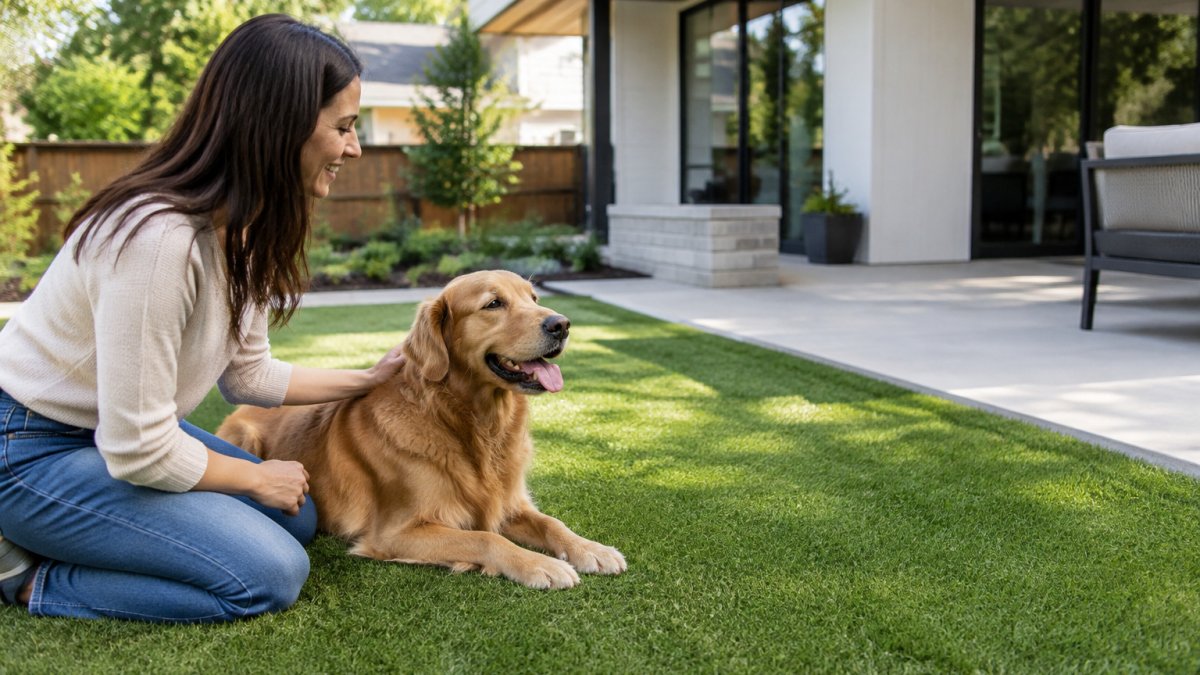
Does artificial turf increase home value? The honest answer is that it depends on the property, the market and how the turf is installed. Most homeowners in the American South ask this question because they are tired of watering, mowing and patching dead spots, and they wonder whether the upgrade will pay off when they sell. The short version: artificial turf can help a home present better, but no reliable national figure shows exactly how much value it adds, so treat any single number with caution.
Below, we walk through how buyers react to turf, where the cost and return questions get murky, how turf compares with natural grass for resale, and what local conditions in the South change the calculation. The goal is a clear picture before you commit money.
Does Artificial Turf Increase Home Property Value in Practice?
Artificial turf can support a higher sale price when it makes the yard look well kept and removes a visible problem. Buyers often respond to a green, even lawn that needs no visible upkeep.
The effect is strongest when the rest of the property matches. A turf lawn beside a neglected house, cracked driveway or overgrown beds will not carry much weight. Buyers evaluate the whole package, and the lawn is one part of it.
Keep in mind that turf does not replace a sale strategy. Appraisers and agents generally value a home based on comparable sales, size, condition and location. A lawn upgrade is more likely to help a sale move faster or win a buyer’s attention than to add a fixed dollar amount to the appraisal.
The main points on how turf affects a sale, drawn from the article:
| Factor | Effect on sale | Key condition |
|---|---|---|
| Curb appeal | Helps a home present better | Rest of property must match |
| Appraisal | Not a fixed dollar increase | Comparable sales drive value |
| Poor installation | Can lower perceived value | Seams, bare patches, drainage issues |
| Buyer preference | Some prefer natural grass | Check local buyer response |
| Documentation | Helps buyers understand the work | Keep installation records for closing |
How Much Does Artificial Turf Increase Home Property Value?
No reliable, widely accepted figure shows a set dollar increase for artificial turf across all homes, and any article that promises a precise number should be read skeptically. Local market conditions, lot size, turf grade and buyer preferences vary too much for one figure to apply broadly.
A practical framework has four steps. First, get the installed cost. Second, subtract the annual costs you stop paying: water, mowing, fertilizer, weed control, aeration and overseeding. Third, multiply those annual savings by the number of years you expect to stay. Fourth, ask a local real estate professional whether comparable homes with turf sold for more, sold faster, or drew objections.
That last step matters more than any national average. Appraisers value homes on comparable sales, size, condition and location, and a lawn is one input among many. A turf lawn is more likely to help a home sell faster or win a buyer’s attention than to move an appraisal by a fixed amount.
Watch out: a low installed price that skips base preparation, edge restraint or proper infill often shows up later as settling, weeds or drainage failure, and those flaws are exactly what buyers and inspectors flag at sale time.
Curb Appeal and Buyer Perception
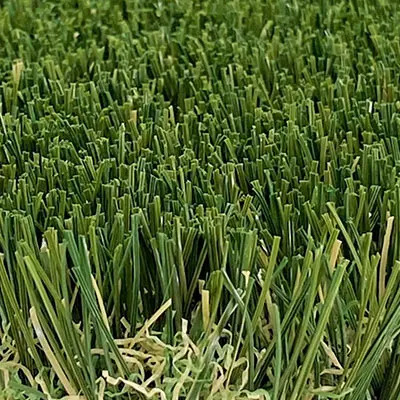
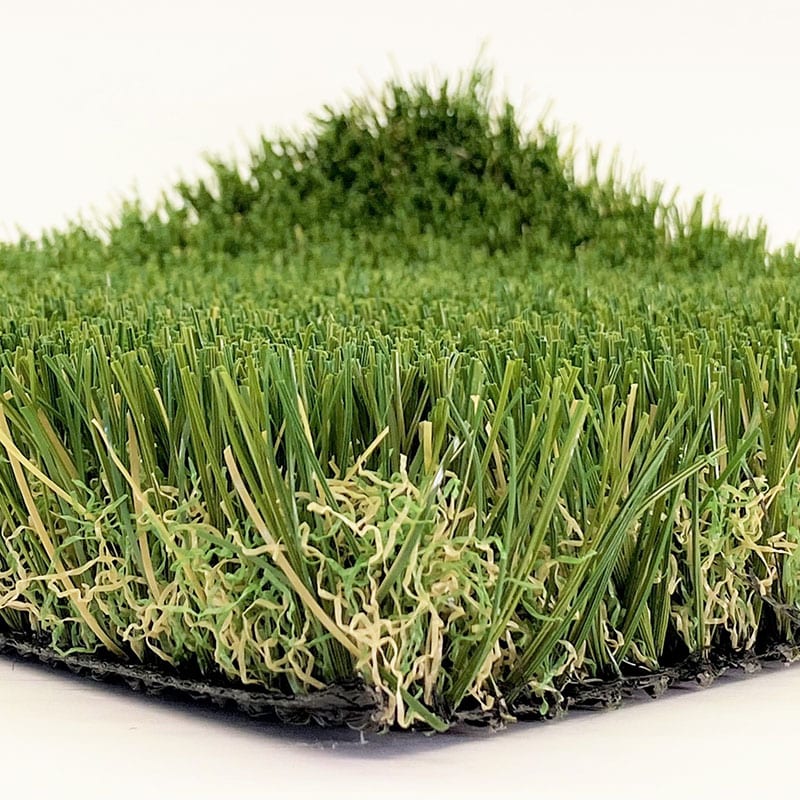
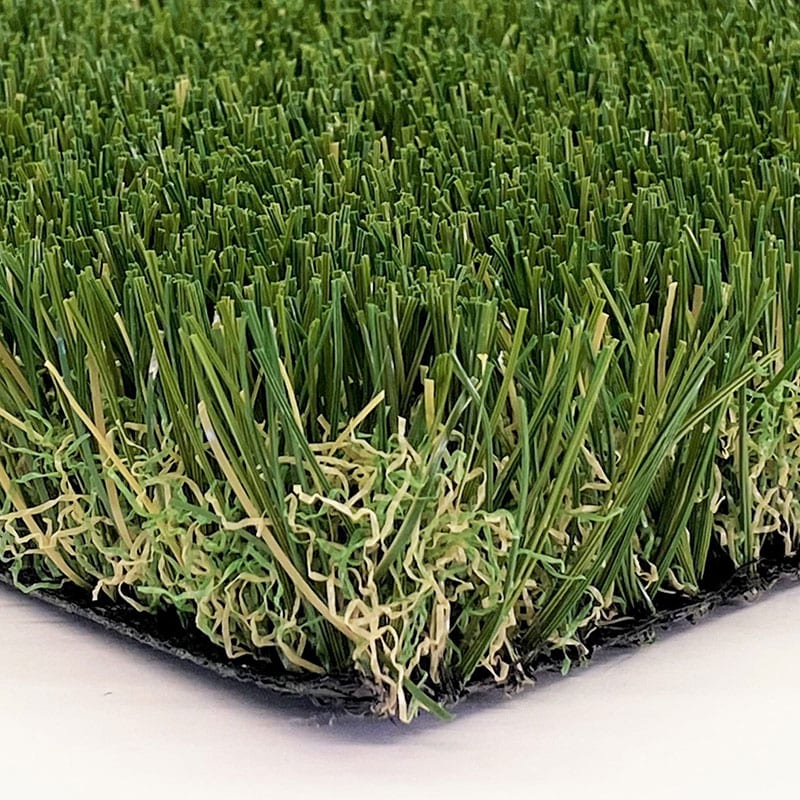
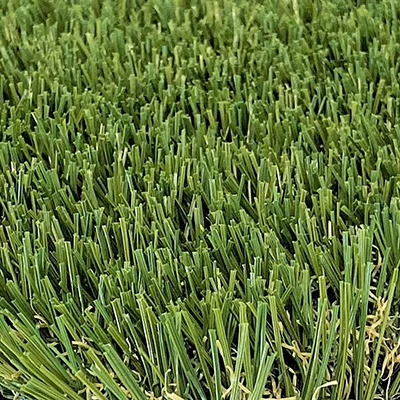
Curb appeal is where turf most often helps. A uniformly green lawn photographs well for listings and creates a positive first impression during showings. Buyers who see a healthy lawn may assume the rest of the property is cared for.
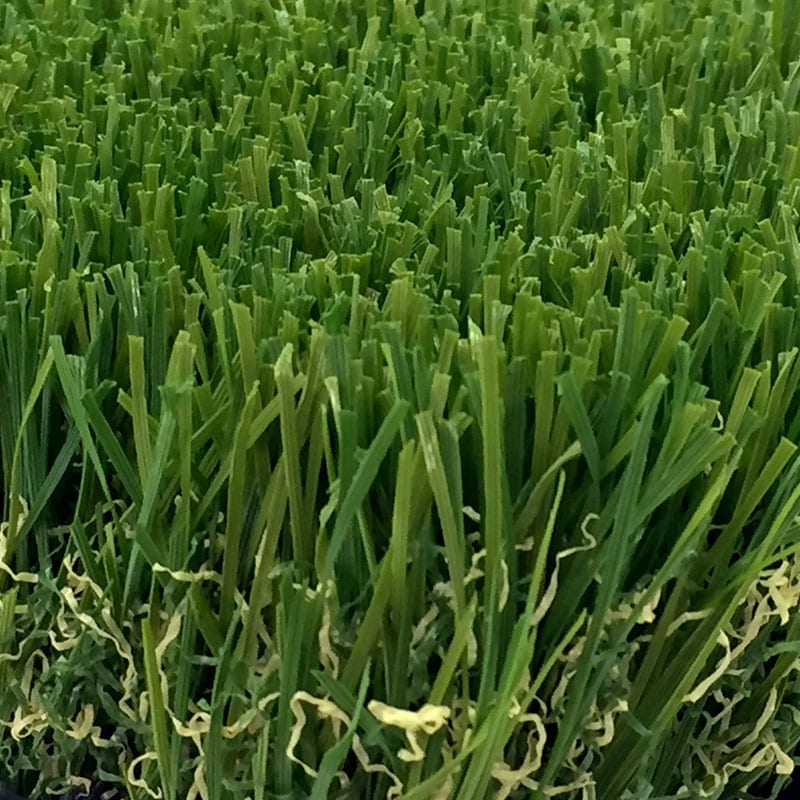
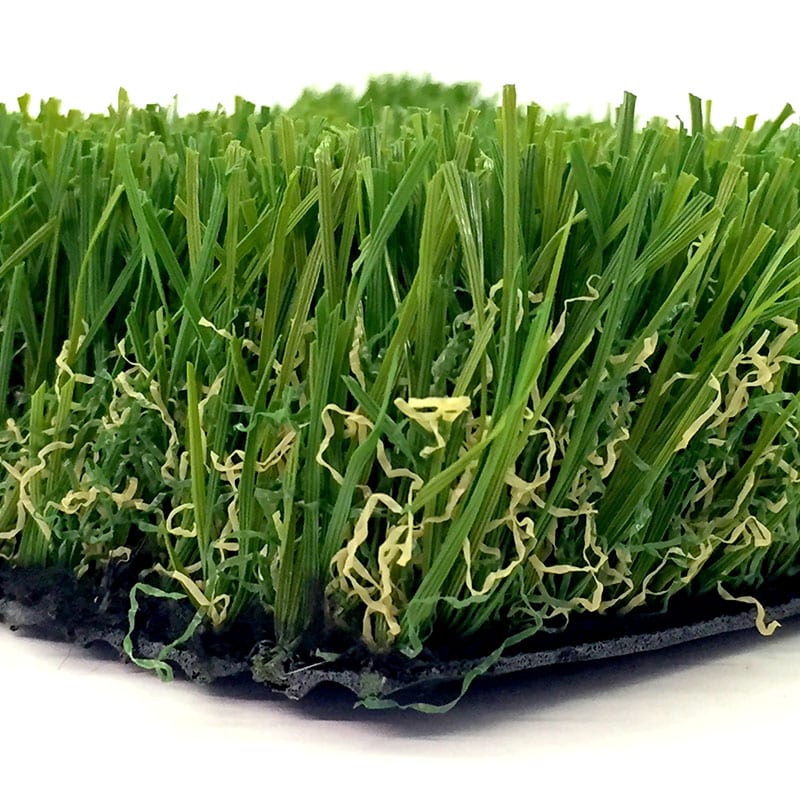
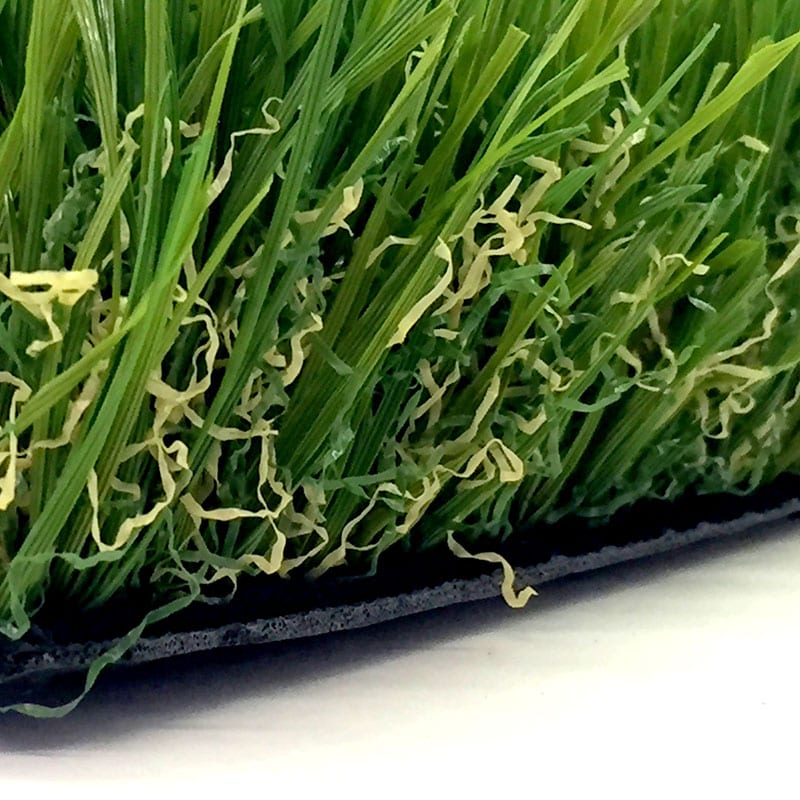
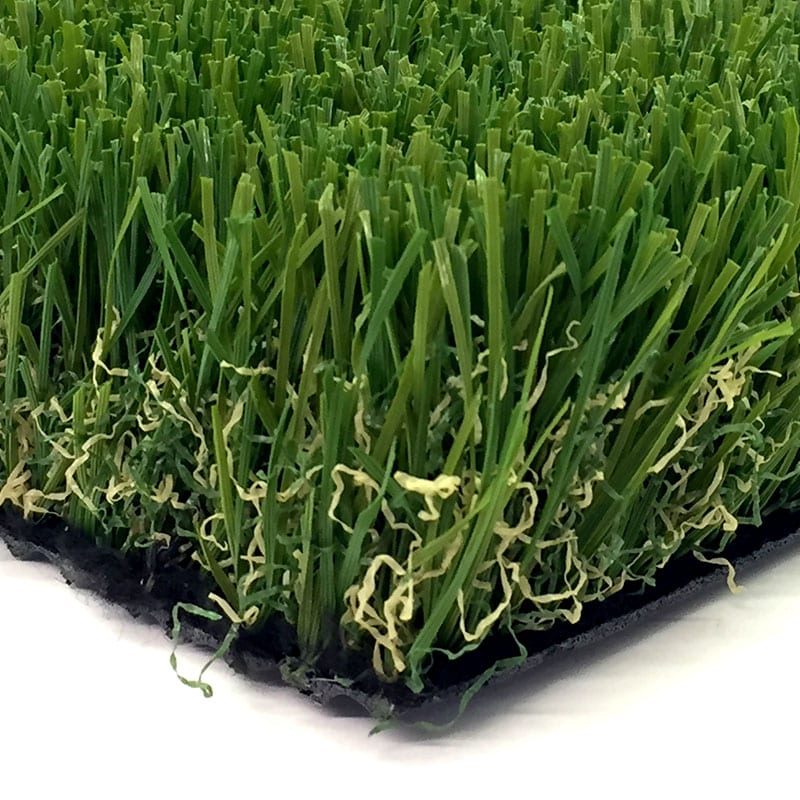
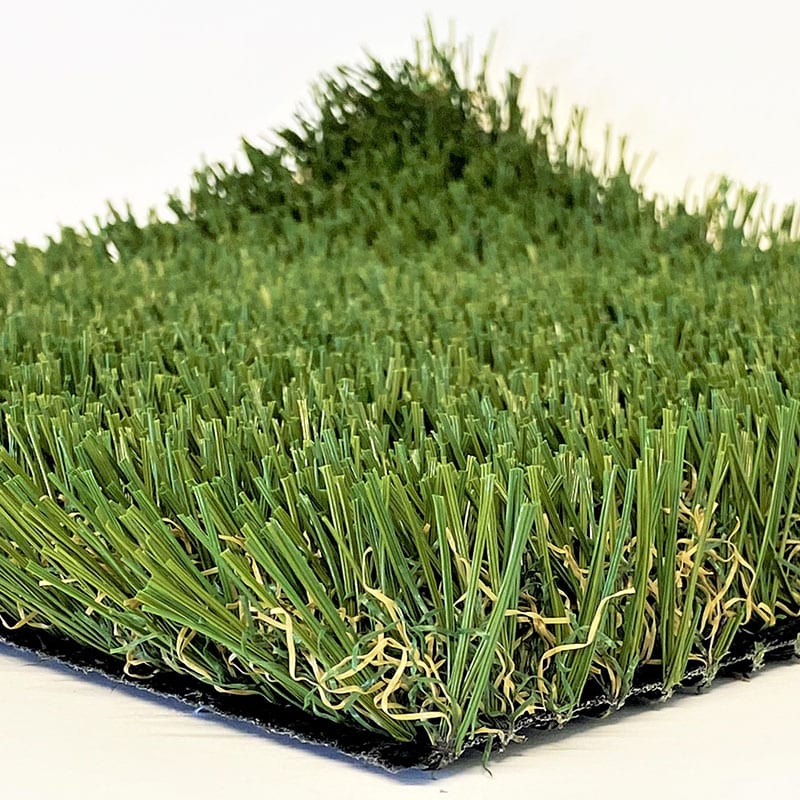
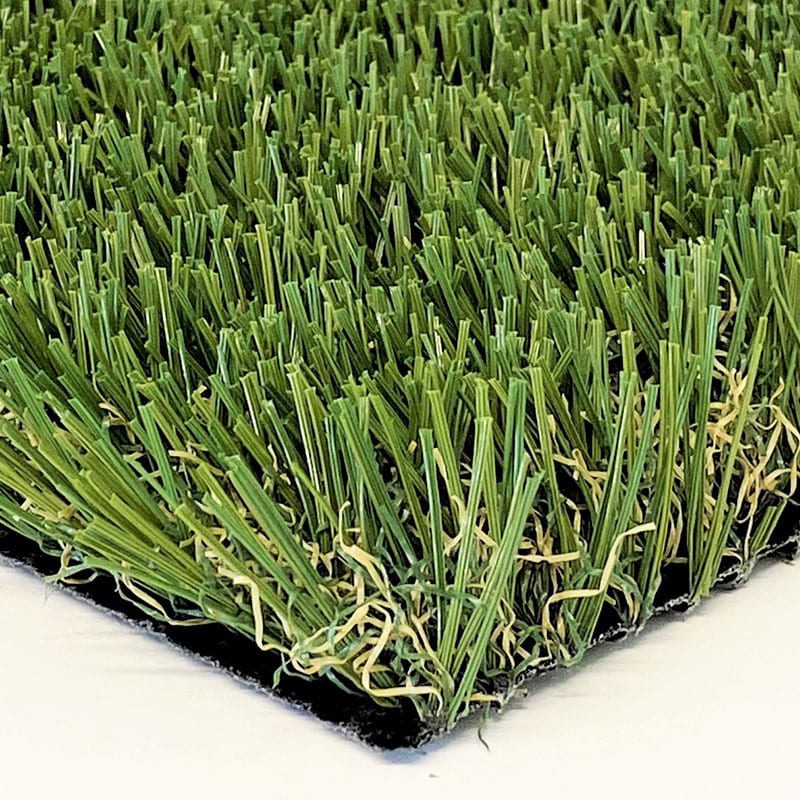
Perception can cut both ways, though. Some buyers prefer natural grass and see turf as a sign of a shortcut. Others simply want a low-maintenance yard. A practical approach is to install turf that looks convincingly natural, with realistic blade color and an even surface, so it reads as a clean lawn rather than an obvious artificial product.
Return on Investment Compared With Other Upgrades
Compared with other exterior projects, turf is a more specialized purchase. A new roof, updated kitchen or fresh exterior paint each has a well-documented track record with appraisers and buyers. Turf’s return depends on the market and on how the yard is used.
Its case is often strongest as a maintenance-saving upgrade for the current owner, with resale appeal as a secondary benefit. If you plan to live in the home for many years, the water and labor savings may matter more than the sale price. If you plan to sell within a year or two, the upgrade needs to make a strong visual impression to justify the cost.
Does Artificial Grass Devalue a Property?
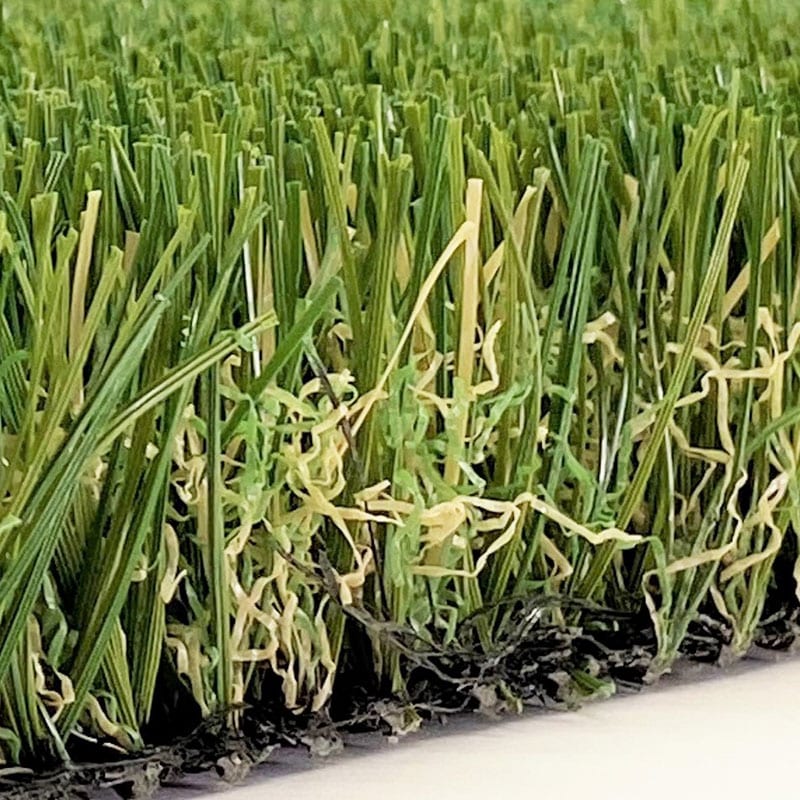
Artificial grass rarely lowers a home’s value on its own, but poor installation can. Buyers react badly to turf that shows seams, bare patches, flattened fibers, drainage problems or a faded, dull color. Those flaws suggest a cheap job, and buyers may ask for credits or walk away.
Some buyers simply prefer natural grass for gardens, pets or environmental reasons. In those cases the turf may not add value, even when it looks good. Before you install it, check your neighborhood’s preferences and talk to a local agent about how buyers in your area respond.
Warranty coverage matters as well. Clear installation records can help a buyer understand the work performed. Keep those records in a folder you can share at closing.
Artificial Turf Installation Cost Per Square Foot
Installation cost depends on the site, the turf grade, the base preparation and the amount of grading and drainage work needed. Pricing depends on quantity, site conditions and delivery. For current pricing, request a quote directly from Southern Artificial Turf, and compare the scope of any proposals you receive, not just the price.
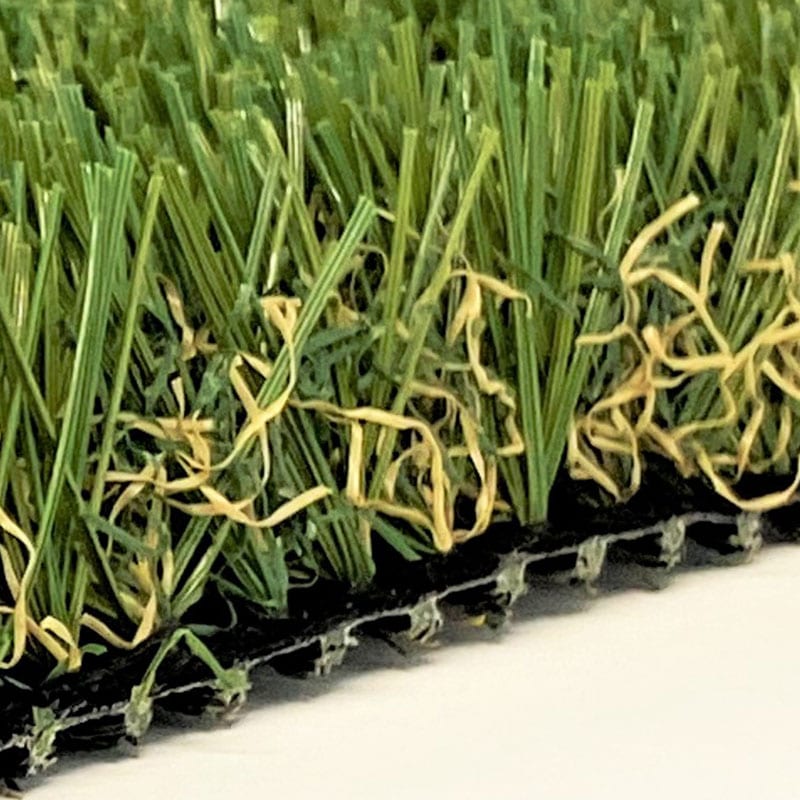
When you compare quotes, look at what is included. A low price that skips base preparation, edge restraint or proper infill can lead to settling, weeds or drainage problems later. Ask each installer what base they use, how they handle drainage and what the warranty covers. You can review turf options and grades on the turf product range page before you request estimates.
Artificial Turf vs. Natural Grass for Resale
For resale, turf and natural grass each have a case. Natural grass is familiar and expected in most neighborhoods, so it rarely draws objections. A healthy natural lawn can also match a buyer’s preference for a traditional yard. The trade-off is ongoing watering, mowing, fertilizing and weed control, which buyers may notice if the lawn looks tired at the time of sale.
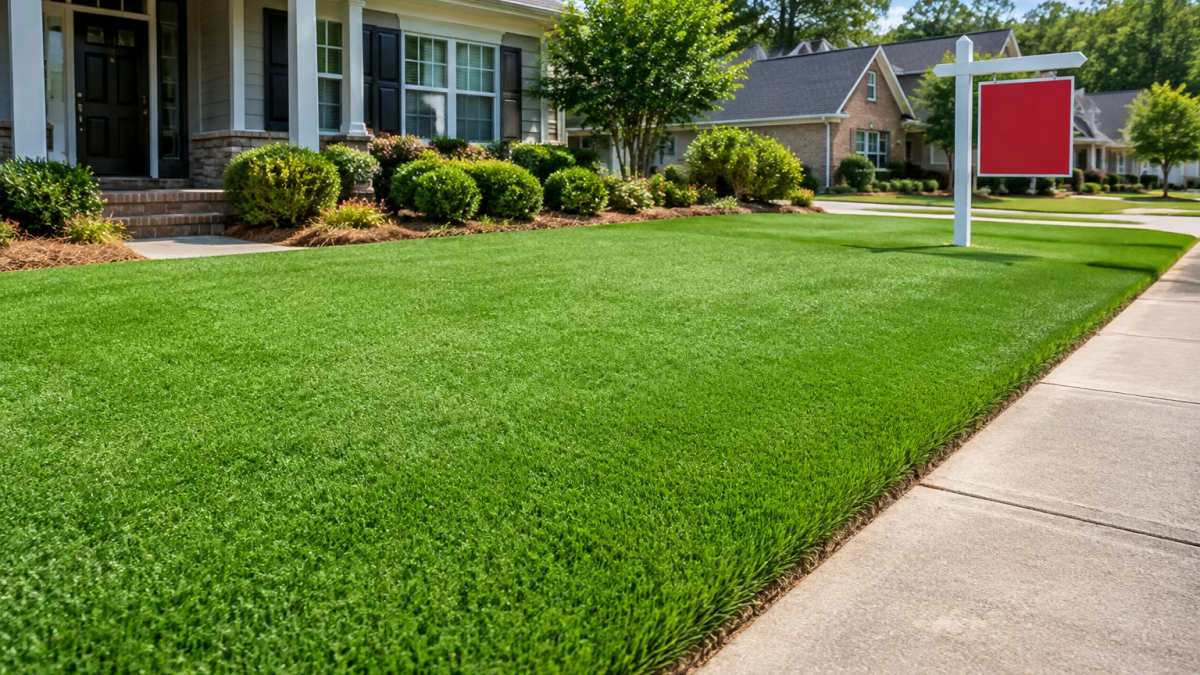
Turf offers a consistent green look year-round, with little upkeep. In a region where drought, heat or heavy use makes natural grass hard to maintain, turf can look like the better-kept option.
The choice comes down to your neighborhood and your buyers. Look at how nearby listings present their yards, and ask your agent which lawn type helps homes sell faster locally. You can also see how a finished turf lawn looks in real yards on the project gallery page, which can help you judge the result before you decide.
For a deeper look at the long-term case, read our guide on synthetic grass for putting greens: benefits vs natural. If you are considering how long an installation will last before it starts to affect a sale, our artificial grass lifespan expectations article explains what to expect. Warranty terms can also shape how buyers view a lawn, so review what artificial grass warranties don’t cover before you assume coverage will carry over to a new owner.
Regional Market Conditions, HOA Rules and Climate in the South
Local conditions shape whether turf helps a sale, and the three that matter most are climate, HOA rules and buyer sentiment in your specific market. Most articles treat these as footnotes; they are often the deciding factors.
Climate and regional variation. In hot, humid parts of the American South, a green lawn that needs little water can stand out during listing season, especially when drought restrictions limit watering.
HOA rules and legal restrictions. This is the objection buyers raise most often, and it deserves a direct answer.
Heat and drainage. Turf can run hot in direct sun, which affects comfort for children and pets during summer. Ask the installer how the surface performs in high temperatures and UV exposure.
Buyer sentiment. There is no substitute for local evidence. Ask a real estate professional how buyers in your neighborhood have responded to turf-lawn homes, whether they sold faster, sold at a premium, or drew objections during negotiation.
Watch out: an HOA approval that exists only as a verbal okay from a board member is not protection, get it in writing and keep it with your closing documents.
Planning Your Turf Investment Before You Buy
Start by deciding how long you plan to stay in the home. If you expect to stay many years, focus on the maintenance savings and the look you enjoy. If you may sell soon, focus on how the lawn will photograph and how buyers in your area react to turf.
Next, gather local information. Ask a real estate professional whether turf-lawn homes in your neighborhood have sold faster or at higher prices, and check any HOA or local rules. Then request quotes from installers and compare the scope of each proposal, including base preparation, drainage, warranty and cleanup.
Finally, keep records. Save quotes, installation details, warranty documents and photos of the finished lawn. Those records help you explain the upgrade to a buyer and can support your position if a buyer questions the work.
Frequently Asked Questions
How much does artificial turf increase home property value?
Artificial turf can add value when it looks well maintained and fits the home, but the amount varies by market, lot and buyer. Appraisers generally value a home on comparable sales and do not add a fixed amount for turf. A yard that looks ready to use and needs no watering or mowing may appeal to some buyers, while a poor installation or a worn surface can lower interest. For a realistic estimate, ask a local real estate professional how similar homes with turf have sold in your neighborhood, and compare that with the installed cost of your project.
Does artificial grass devalue a property?
Artificial grass is unlikely to devalue a property when it is professionally installed, clean and in good condition. Problems tend to arise with visibly faded, seamed or patchy turf, or with turf installed over poor drainage that leaves a standing odor or moisture issue. Some buyers prefer natural lawns, so a yard with synthetic grass may appeal to a smaller group. Checking HOA rules before installation also helps avoid a resale complication.
What does artificial turf installation cost per square foot?
Installation cost depends on the square footage, the base preparation required, drainage work, the turf product selected, and local labor rates. Southern Artificial Turf does not publish a standard per-square-foot price, since pricing depends on quantity, site conditions and delivery. Request a site-specific quote to get accurate figures for your yard, and ask what base preparation, drainage and infill are included.
Is artificial turf better than natural grass for resale?
Artificial turf may appeal to buyers in yards that struggle with mud, bare patches or heavy foot traffic, because the lawn can stay green without watering or mowing. In shaded or well-established yards with healthy natural grass, a real lawn may appeal more to buyers who value a traditional look. The better choice depends on your local market, your yard and how your home is likely to be marketed when you sell.
Ready to see whether turf fits your yard and your plans? Southern Artificial Turf offers residential and commercial installations built for durability, with quad-color technology, an 8-year warranty and drainage capacity of 30 inches per hour. Request a quote from Southern Artificial Turf to get a site-specific estimate and a clear picture of what your yard could look like.