
Table of Contents
- Why Permeable Artificial Grass Outperforms Traditional Options on Rooftops
- Drainage Systems for Rooftop Artificial Grass: How Water Flows Away
- Preventing Mold Under Rooftop Turf Through Proper Installation and Maintenance
- Weather Resistance and UV Durability in Extreme Climates
- Artificial Grass Installation on Concrete Decks: Process and Structural Considerations
- Fire Safety, Building Codes, and Load-Bearing Requirements
- Low-Maintenance Benefits and Long-Term Cost Savings
- Conclusion
- Frequently Asked Questions
Last Updated: September 25, 2026
Why Permeable Artificial Grass Outperforms Traditional Options on Rooftops
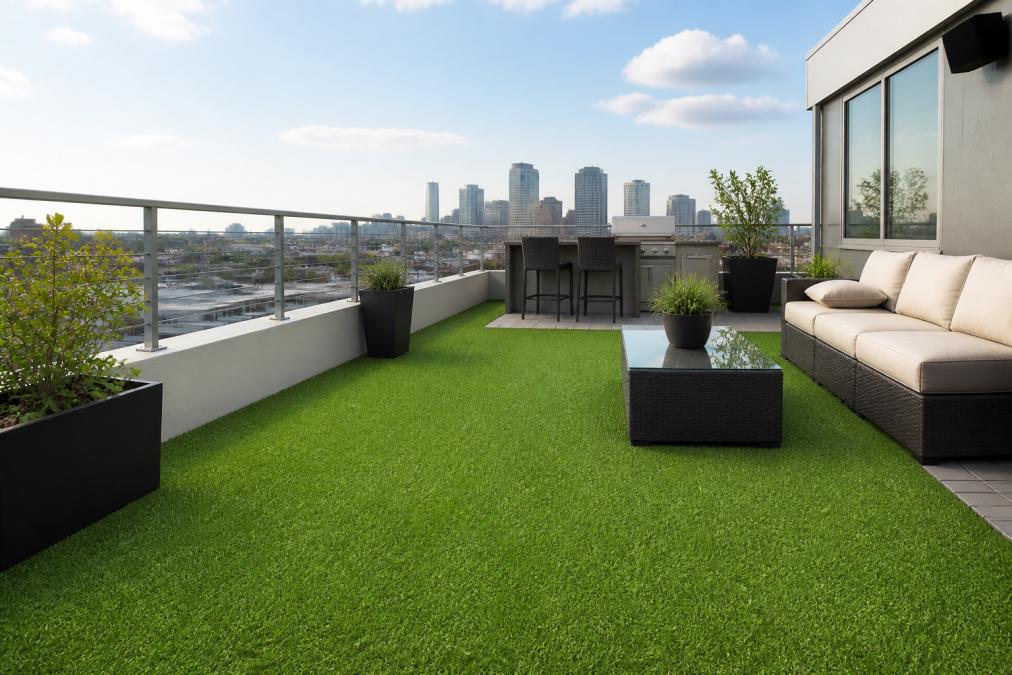
Rooftop installations demand a different approach than ground-level landscaping: water pooling becomes a structural liability, UV exposure accelerates degradation, and weight constraints make every material choice critical. A permeable artificial grass rooftop solves these problems.
Traditional artificial turf traps moisture beneath the membrane, creating conditions for mold and deterioration. Permeable artificial grass solves this by design: water flows directly through the turf backing into drainage systems, protecting your roof while delivering aesthetic benefits.
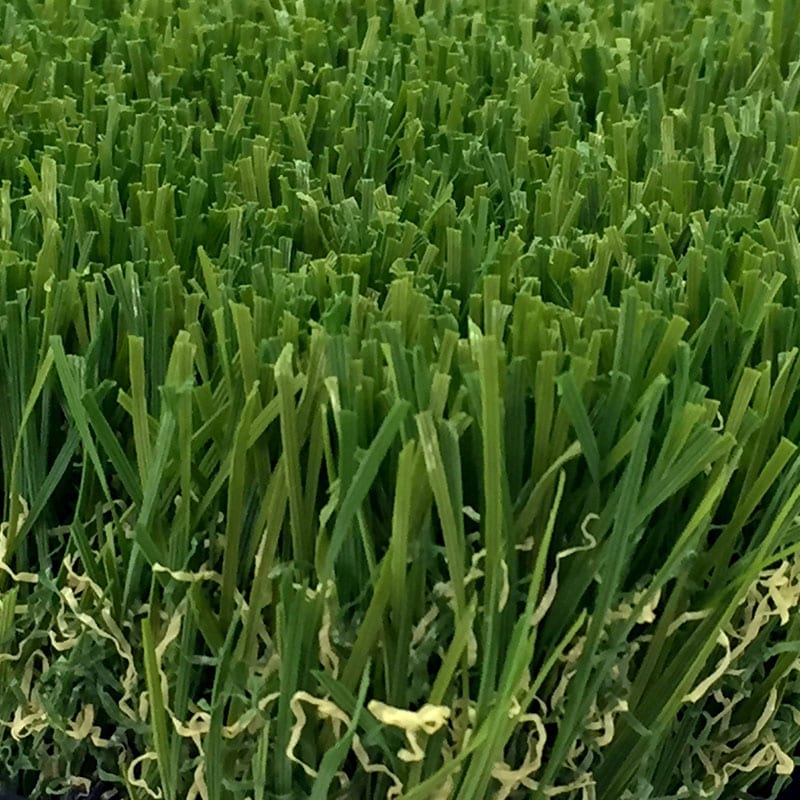
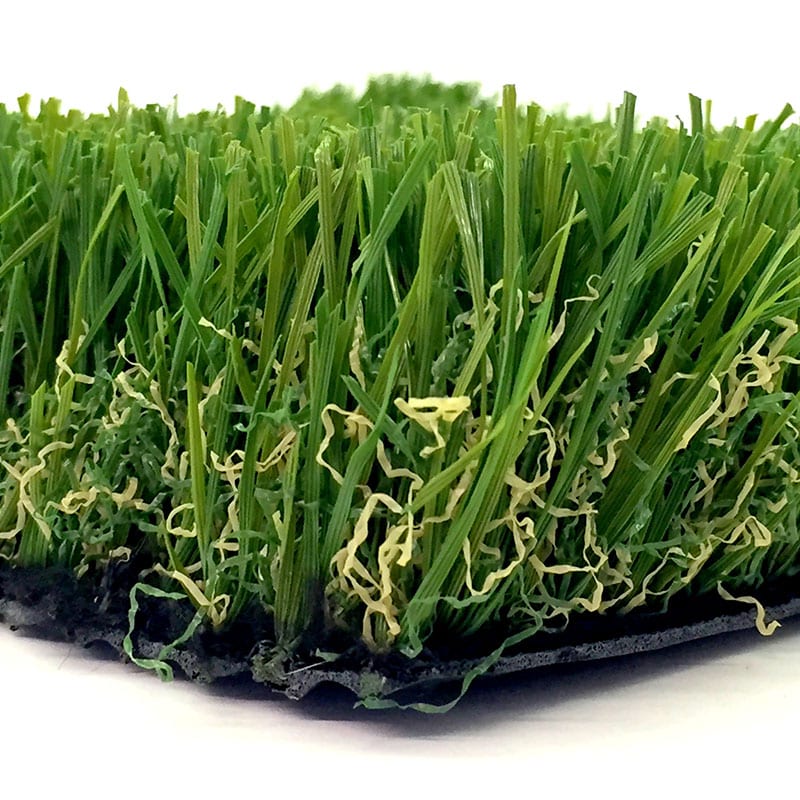
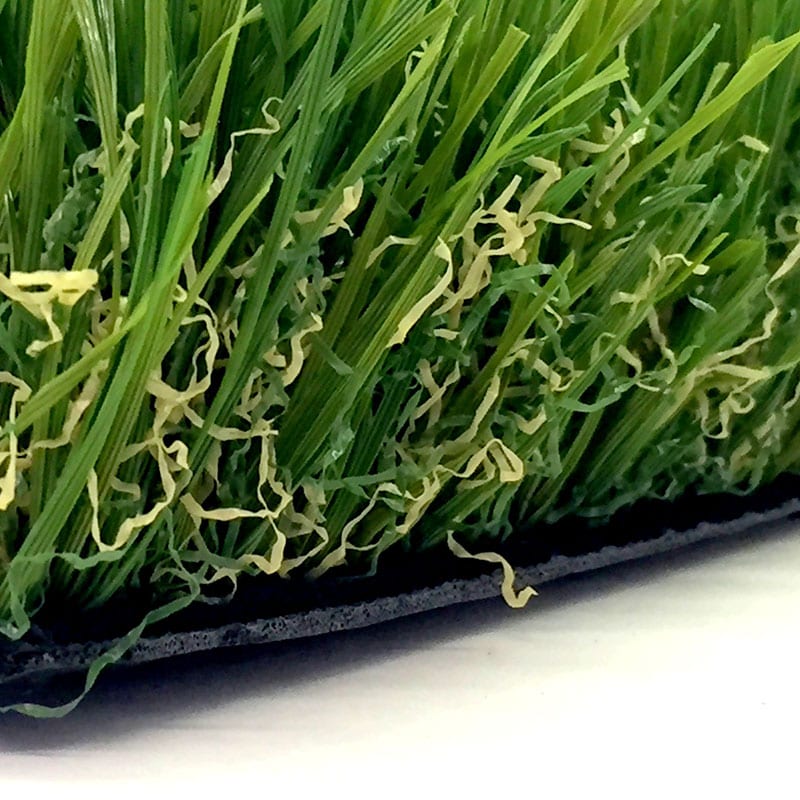
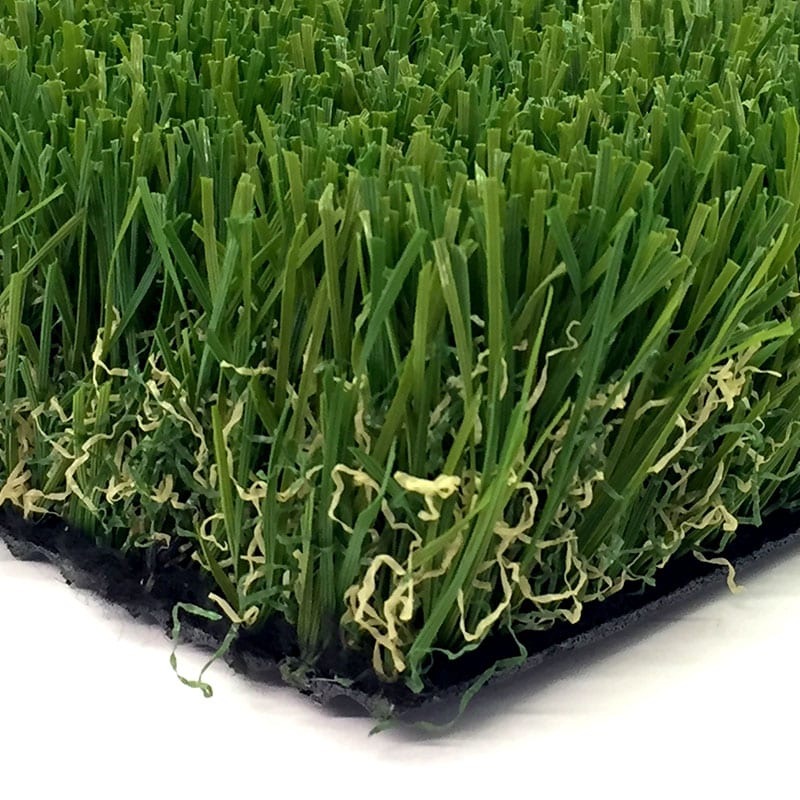
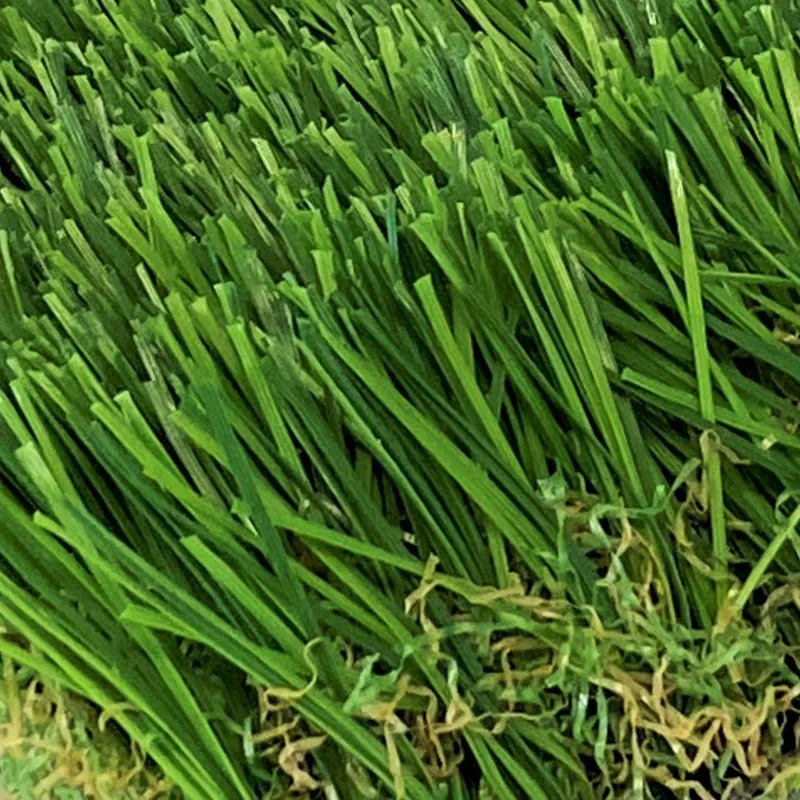
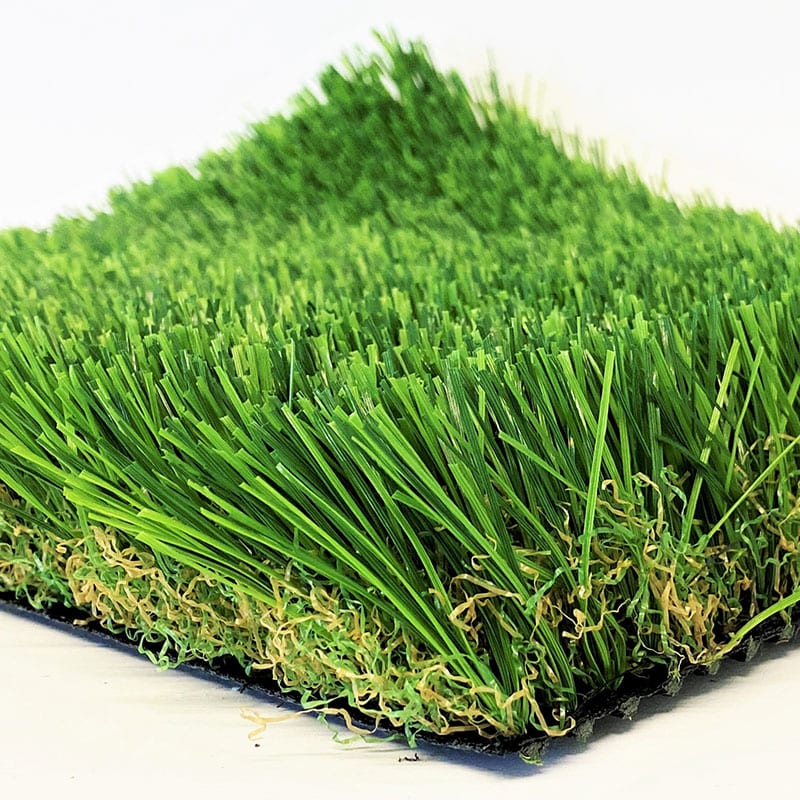
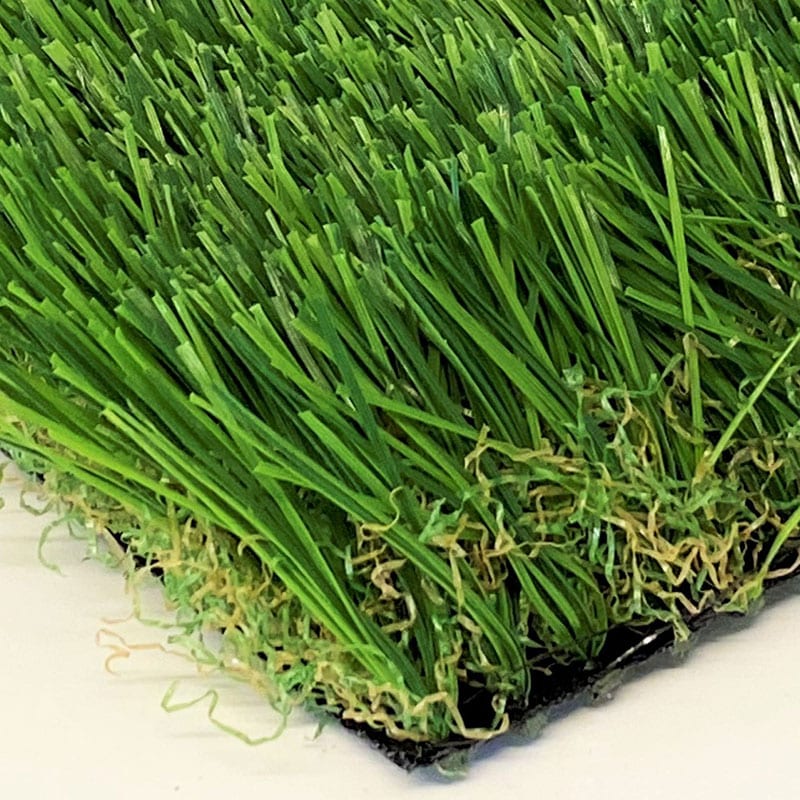
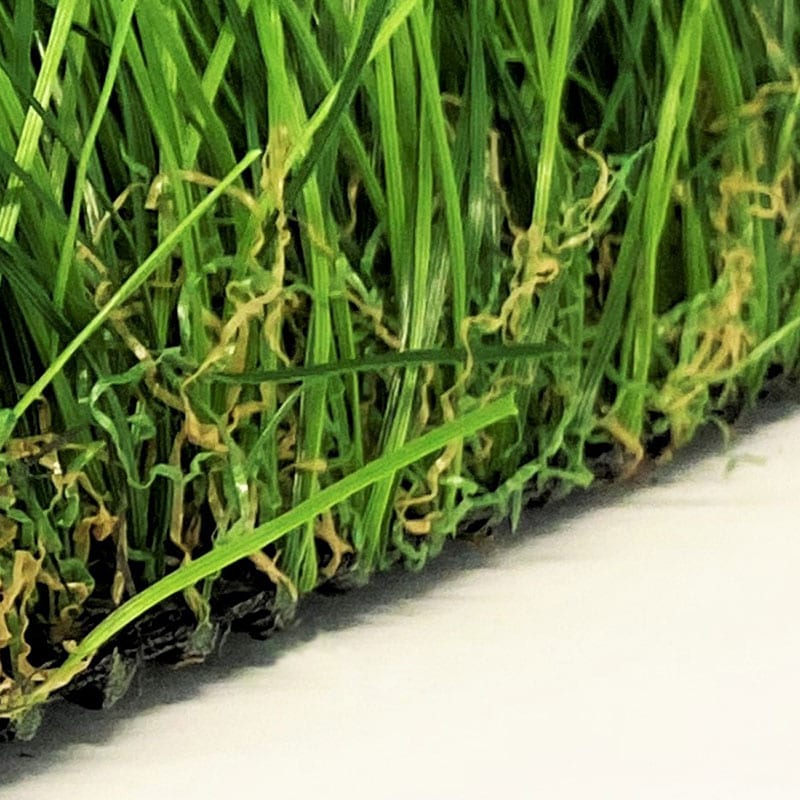
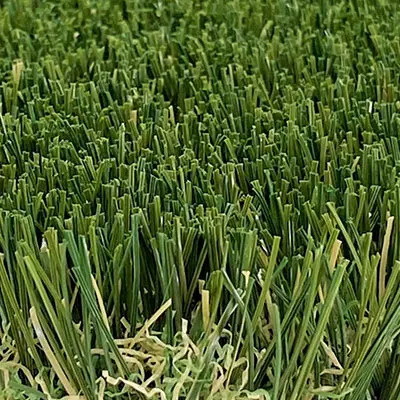
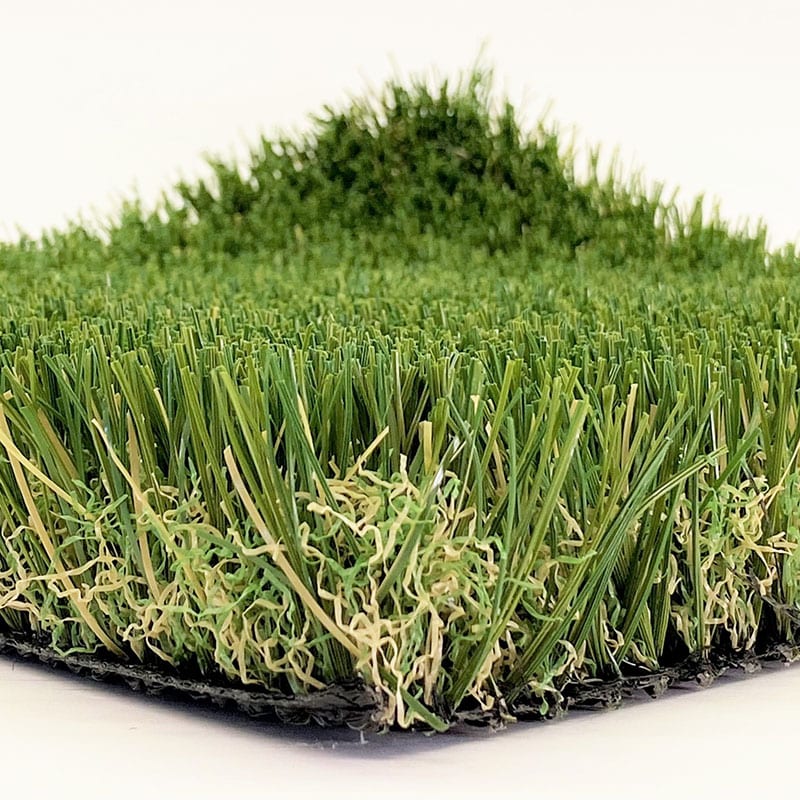
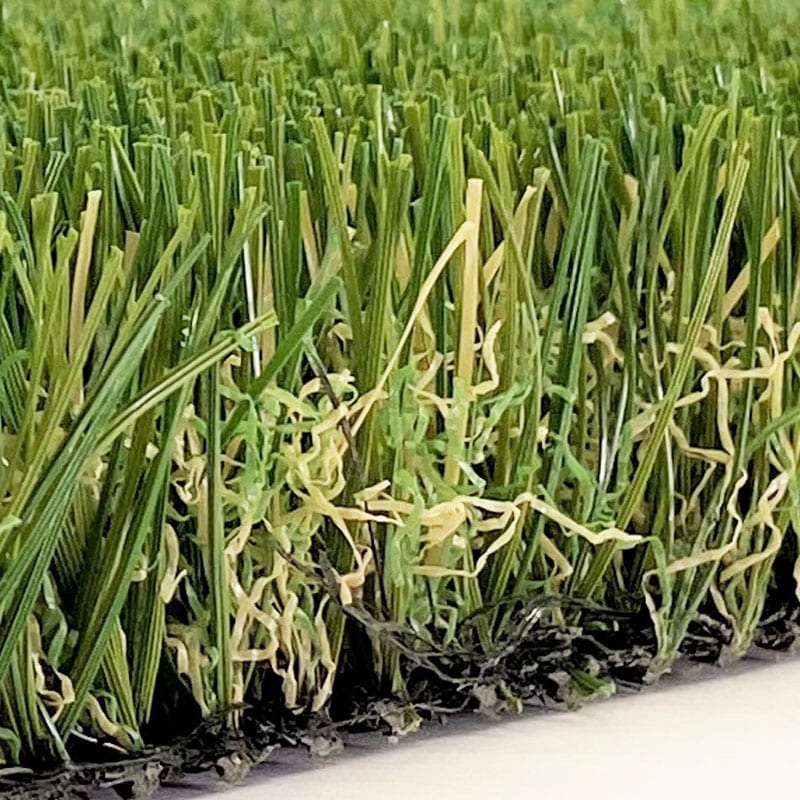
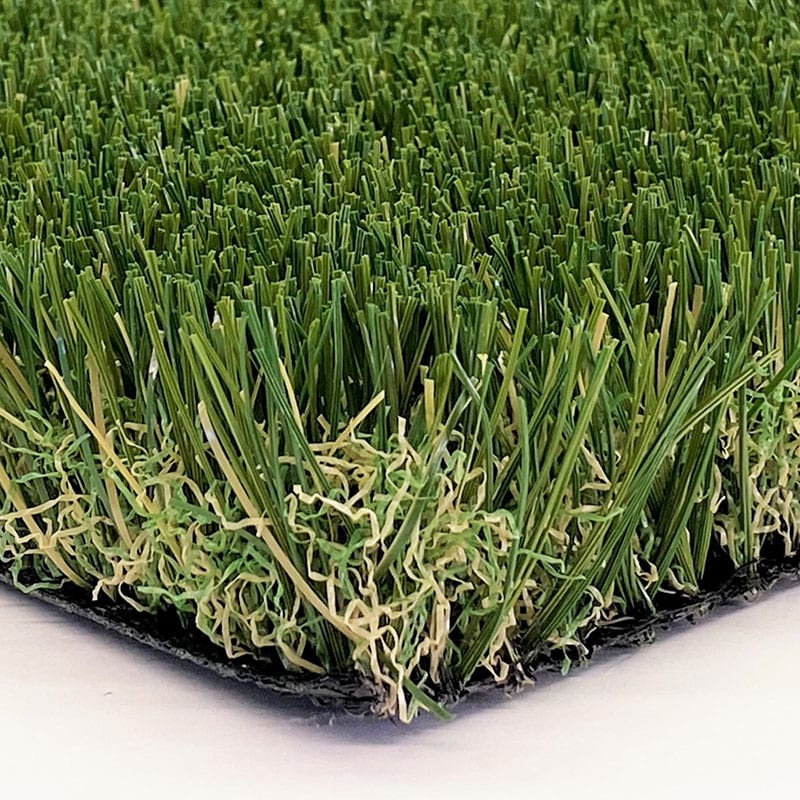
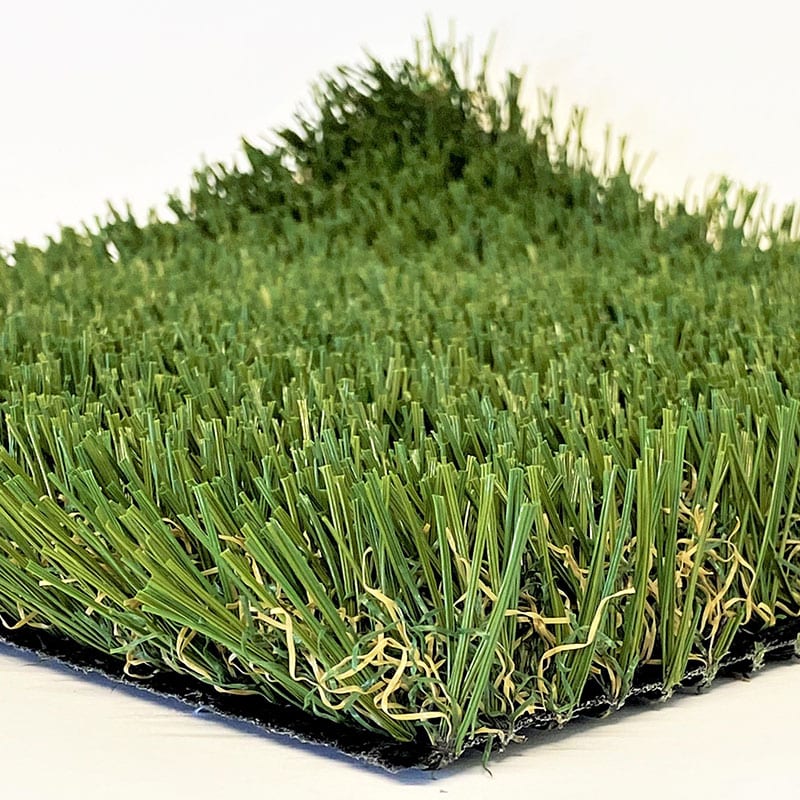
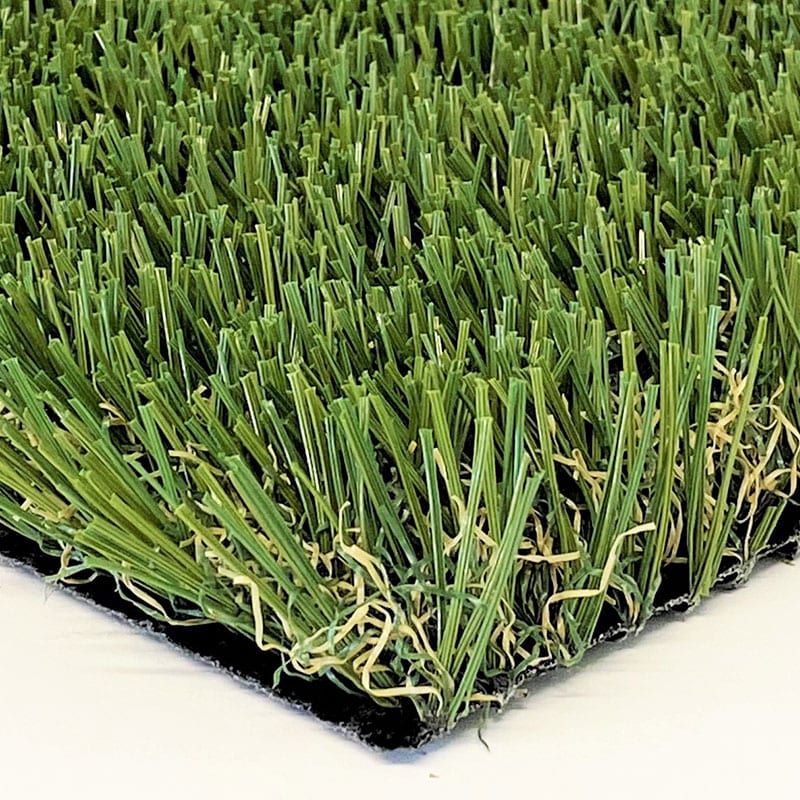
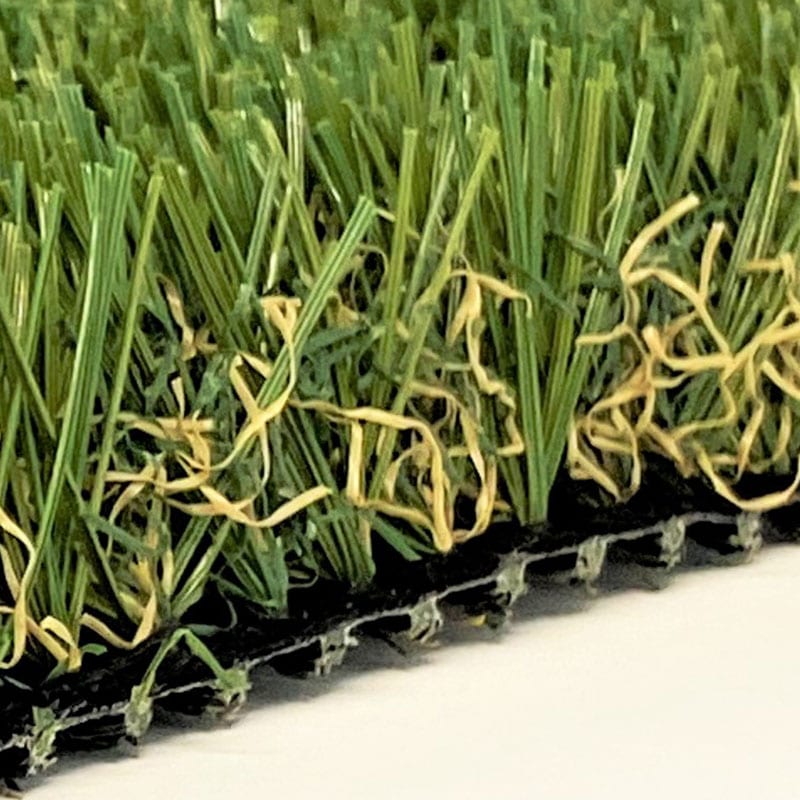
Permeable turf differs in three ways: geotextile backing that filters sediment while allowing water through, engineered fiber density that maintains appearance without blocking flow, and a sub-base drainage system that channels water away from the membrane.
This distinction determines whether your rooftop stays protected or becomes a maintenance nightmare. A properly installed permeable system operates for years with minimal intervention, while traditional turf requires constant vigilance against moisture and costly membrane repairs.
A permeable artificial grass rooftop protects the underlying roof membrane by allowing water to drain through the turf backing instead of pooling underneath, eliminating mold growth and extending the life of your waterproofing system.
Drainage Systems for Rooftop Artificial Grass: How Water Flows Away
The drainage capacity of your rooftop system determines whether water moves away from the membrane or sits trapped underneath. Southern Artificial Turf’s premium installations feature 30 inches per hour drainage capacity.
Rain passes through the pile fibers, reaches the geotextile backing layer which filters debris, then flows into the sub-base drainage layer. Engineered panels or gravel channel water horizontally toward the roof’s drainage points and into the building’s existing drainage system.
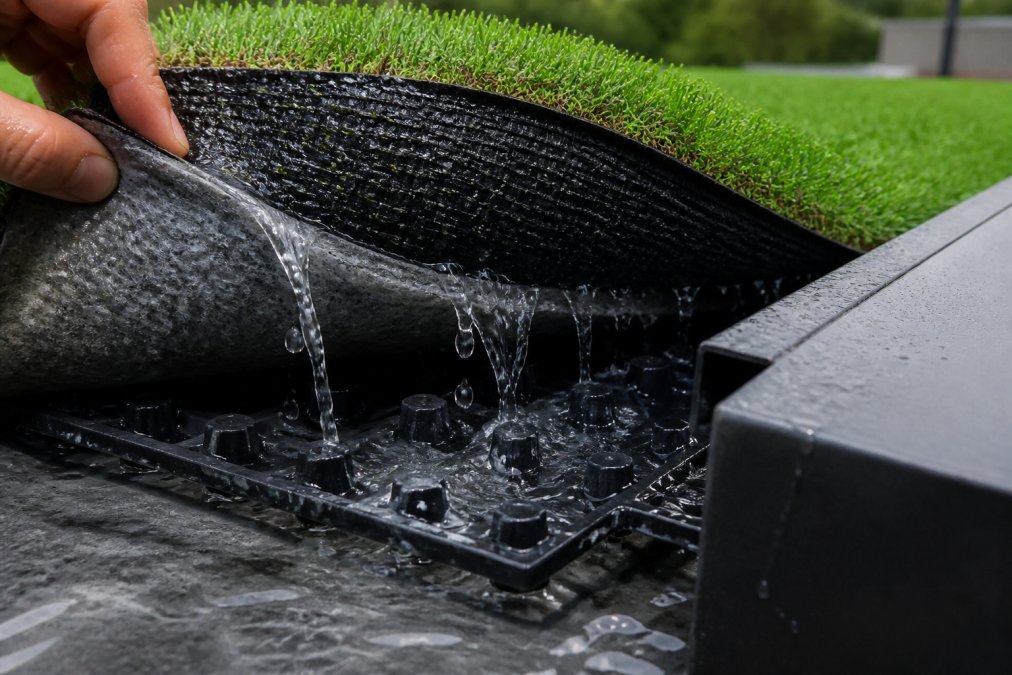
The critical variable is pitch. Even a slight slope, typically 1-2 percent grade, helps gravity move water laterally across the sub-base layer toward drainage points. Without adequate pitch, water can still pool in low spots. This is why structural considerations matter before installation begins.
Many installers assume the roof’s existing slope is sufficient, but it often isn’t. Proper installation includes assessing the roof’s actual grade and adding sub-base materials strategically to create the necessary slope for fast drainage.
Geotextile fabric prevents infill migration while maintaining water permeability. Lower-quality fabrics clog over time; premium installations use fabrics rated for high water flow and rooftop durability.
Check your roof’s actual slope with a level before installation. Many rooftops that appear flat actually have 0.5-1% grade. Knowing this lets your installer optimize sub-base placement and confirm drainage will work as designed.
Preventing Mold Under Rooftop Turf Through Proper Installation and Maintenance
Mold thrives in moisture and darkness. Permeable artificial grass eliminates standing water, but installation method and maintenance discipline determine whether mold stays away.
The roof membrane must be clean and dry before sub-base installation. Proper installation includes thorough membrane inspection and cleaning, plus a moisture barrier if needed.
Sub-base material selection is critical. Engineered drainage panels allow water flow; gravel requires careful compaction. Dense materials trap moisture and defeat the purpose of a permeable system.
Maintenance focuses on preventing debris accumulation. Regular sweeping removes leaves and organic matter; most rooftop decks need sweeping once or twice monthly.
Air circulation inhibits mold growth. Premium installations include ventilation pathways in sub-base design to ensure drainage systems can breathe.
If you notice any soft spots, discoloration, or odor under the turf, that’s a sign moisture is accumulating. Address it immediately by checking drainage pathways for clogs and ensuring water can flow freely to roof drains.
Weather Resistance and UV Durability in Extreme Climates
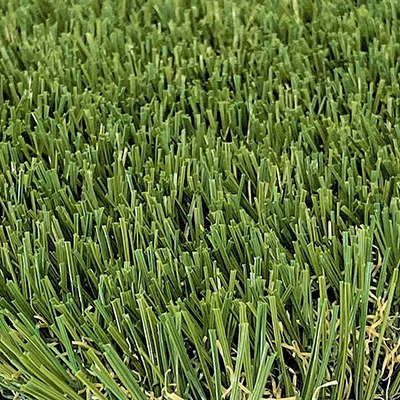
Rooftop exposure means unrelenting UV radiation and temperature swings. Southern Artificial Turf’s 100% non-abrasive polyethylene fiber with quad-color technology prevents the faded, monochromatic look that develops when UV degrades standard turf.
UV stabilization is critical. Inferior fibers become brittle and lose tensile strength under sustained exposure. Premium fibers maintain structural integrity under intense sun and wind loads.
Rooftop temperatures swing 40+ degrees between day and night. Quality synthetic fibers accommodate thermal expansion without cracking; cheaper alternatives develop stress fractures at the fiber-backing junction.
In humid climates, water absorbed by fibers can freeze and cause splitting. Proper drainage prevents this by ensuring water moves through the system rather than being absorbed.
The real-world durability test comes during extreme weather. Hail can damage any rooftop material, but quality synthetic turf resists puncture and tearing better than natural grass or inferior synthetic alternatives. High winds don’t tear properly installed permeable turf because the installation method, using adhesive and seaming techniques designed for rooftop conditions, creates a secure bond that doesn’t lift or separate.
Never assume standard artificial grass marketed for lawns will perform on a rooftop. Rooftop UV exposure is 30-40% more intense than ground level. Turf not specifically engineered for rooftop conditions will fade and degrade within 3-5 years, requiring costly replacement.
Artificial Grass Installation on Concrete Decks: Process and Structural Considerations
Concrete rooftop decks present unique installation challenges because they’re unforgiving. Unlike soil-based installations where you can adjust grade and add materials, concrete is fixed. The installation must work with what exists, which means understanding the deck’s condition before work begins.
The process starts with a structural assessment. A professional installer evaluates the concrete for cracks, spalling, and drainage patterns. Existing water damage or structural issues must be addressed before turf installation, not hidden beneath it. A failed concrete deck will eventually fail whatever sits on top.
Surface preparation is non-negotiable. The concrete must be clean, dry, and relatively level. High-pressure washing removes dirt, algae, and contaminants. Any cracks wider than 1/8 inch should be sealed to prevent water from flowing underneath the turf installation. This seems like a minor detail, but it directly impacts whether water drains as designed or gets trapped between the concrete and turf backing.
The sub-base installation on concrete differs from soil installations. You can’t compact gravel into place because there’s no soil to anchor it. Instead, engineered drainage panels or modular sub-base systems sit directly on the concrete. These systems are designed to distribute weight evenly, prevent water from pooling on the concrete surface, and create the necessary slope for drainage.
Load-bearing capacity becomes relevant here. A typical rooftop can support 40-50 pounds per square foot of additional weight. Permeable turf, backing, and sub-base materials together typically weigh 15-25 pounds per square foot, leaving adequate safety margin. However, if the rooftop has existing equipment, HVAC units, or other installations, the structural engineer needs to confirm that adding turf won’t exceed capacity.
Seaming and adhesive selection are critical on concrete decks. Movement and temperature cycling stress seams more on rigid concrete than on flexible soil. Premium installations use seaming methods and adhesives specifically rated for rooftop exposure and thermal cycling.
The installation timeline matters for concrete decks. Concrete can hold moisture even after it appears dry. Many professionals recommend waiting 28 days after concrete curing before installing turf to ensure moisture has fully dissipated. Rushing this step creates conditions for mold and membrane failure.
Fire Safety, Building Codes, and Load-Bearing Requirements
Building codes vary by jurisdiction, but most municipalities have specific requirements for rooftop installations that include fire safety ratings, load capacity verification, and drainage standards. These aren’t suggestions, they’re legal requirements that affect your building’s insurance, liability, and resale value.
Fire safety is the primary concern. Most building codes require rooftop materials to meet Class A fire ratings, meaning they don’t contribute to fire spread and don’t release excessive smoke or toxic gases when exposed to flame. Standard artificial turf often fails these tests. Fire-rated synthetic turf is manufactured with flame-retardant additives that meet or exceed these standards.
The load-bearing requirement connects to structural integrity. A rooftop has a design load capacity, the maximum weight it can safely support. This includes the building’s permanent installations plus any temporary additions. Adding turf, sub-base, and backing materials increases the load. A structural engineer should verify that the addition doesn’t exceed capacity. For most residential rooftops, the weight is negligible, but commercial or multi-story buildings may require engineering verification.
Building permits are required in most jurisdictions for rooftop work.
Low-Maintenance Benefits and Long-Term Cost Savings
The maintenance advantage of permeable artificial grass compounds over time. Natural grass on a rooftop requires mowing (which is dangerous and impractical), watering (which adds weight and moisture concerns), fertilizing (which adds chemicals), and constant attention to bare patches and disease. Permeable artificial grass eliminates all of this.
Over 20 years, permeable artificial grass costs significantly less than maintaining natural grass or replacing failed turf installations every few years, even before accounting for water savings, labor reduction, and the elimination of irrigation infrastructure.
Conclusion
Permeable artificial grass for rooftop decks solves problems that traditional landscaping either creates or ignores: water management, durability under extreme exposure, structural safety, and maintenance burden. The engineering is sound, the performance is proven, and the long-term economics are compelling.
Frequently Asked Questions
Why is drainage critical for rooftop artificial grass installations?
Rooftops have nowhere for water to go naturally. Without proper drainage, water pools on the surface, creating standing water that promotes mold and mildew growth, damages the roof membrane, and causes structural stress. Permeable artificial grass with a 30-inch-per-hour drainage capacity helps move water away from the roof surface and through the sub-base system. This is especially important in humid climates where moisture accumulates quickly.
Does mold grow under artificial turf on rooftops?
Mold can develop under rooftop turf if moisture becomes trapped between the turf backing and the roof membrane. This happens when drainage is poor or the sub-base doesn’t allow water to flow freely. Permeable backing with geotextile fabric and proper installation prevents this by allowing water to drain vertically rather than pooling. Regular cleaning and ensuring adequate airflow around the installation also reduce mold risk significantly.
What’s the difference between permeable and non-permeable artificial grass for rooftops?
Permeable artificial grass has a backing and sub-base that allow water to pass through, while non-permeable options trap water on the surface. For rooftops, permeable is essential because water has no natural slope to run off. Non-permeable turf would create puddles, damage the roof membrane, and require constant manual drainage. Permeable systems handle the drainage automatically, making them the only practical choice for flat rooftop applications.
How long does permeable artificial grass last on a rooftop?
High-quality permeable artificial grass designed for rooftop use typically lasts for years with proper maintenance. UV-stabilized polyethylene fibers resist fading and breakdown from sun exposure, while the permeable backing resists moisture damage and rot. Durability depends on climate conditions, installation quality, and maintenance frequency. Regular cleaning and inspection extend the lifespan significantly by preventing debris buildup and addressing drainage issues early.