
Table of Contents
- What to Expect From Synthetic Turf in Indoor Sports Facilities
- Types of Synthetic Turf Fibers and Their Performance
- Padded Nylon Turf Benefits for Athletes
- Synthetic Turf Safety Standards for Athletes
- Shock Absorption and Padding Systems
- Indoor Gym Turf Installation Cost and Durability
- Maintenance Requirements and Long-Term Value
- Comparing Synthetic vs. Natural Surfaces for Indoor Use
- Frequently Asked Questions
Last Updated: September 21, 2026
What to Expect From Synthetic Turf in Indoor Sports Facilities
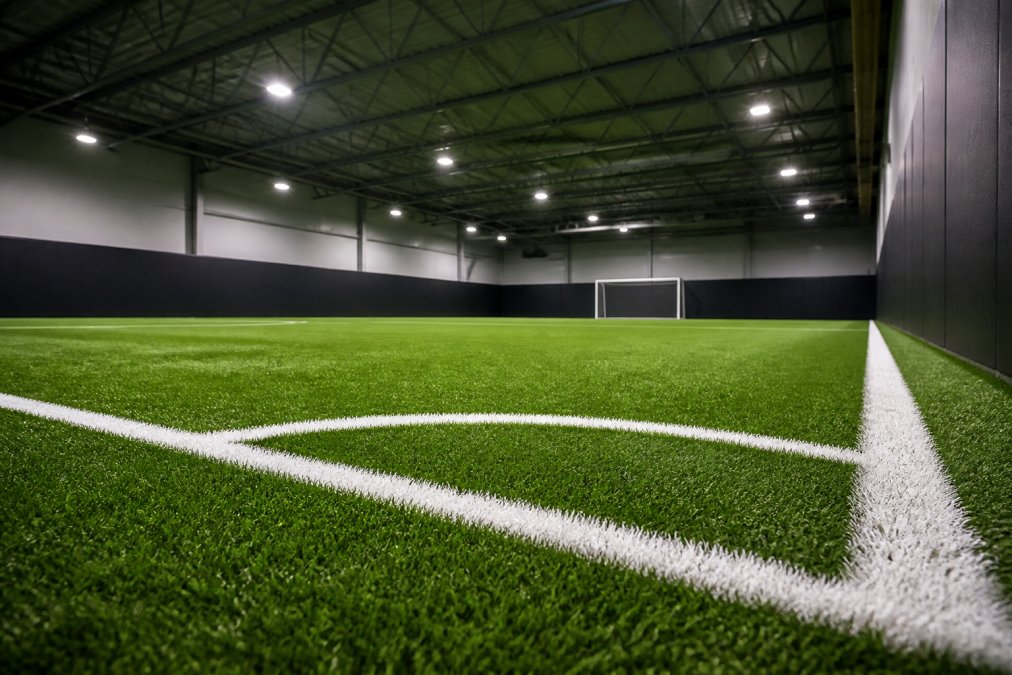
Synthetic turf for indoor sports facilities now delivers consistent playing surfaces, measurable safety benefits, and performance metrics that rival natural grass in controlled environments. At Southern Artificial Turf, we understand what separates high-performing installations from disappointing ones.
Quality synthetic turf indoor sports systems handle heavy traffic, maintain consistent ball roll and traction, and reduce injury risk. Understanding fiber composition, padding depth, and maintenance demands upfront prevents costly mistakes.
This guide covers fiber types, safety standards, and financial considerations for upgrading gyms, building training centers, or replacing worn natural grass.
The most common mistake facility managers make is choosing turf based on price alone without testing how it performs under your specific sport’s demands. Investing in quality fiber and proper padding typically extends the lifespan by 50% or more.
Types of Synthetic Turf Fibers and Their Performance
Synthetic turf fibers fall into two primary material categories: polyethylene and nylon. Each has distinct performance characteristics, cost profiles, and durability trajectories that determine how well they perform under the demands of indoor sports.
Polyethylene is softer and resists abrasion better, delivering a feel closer to natural grass. Non-abrasive fibers reduce friction burns during sliding or diving, important for high-contact sports. The tradeoff: higher cost per square foot and faster degradation under UV exposure from skylights.
Nylon fibers are engineered for durability and resilience, maintaining consistent pile height after heavy traffic and handling rotational traction better for quick directional changes. Downside: stiffer feel and more friction during slides.
Polyethylene vs. Nylon: Material Comparison
Polyethylene suits high-contact sports like rugby and football; nylon prioritizes durability. Many premium installations blend both, using polyethylene in high-contact zones and nylon in transition areas.
| Fiber Type | Best For | Durability | Comfort | Cost Per Sq. Ft. | Maintenance |
|---|---|---|---|---|---|
| Polyethylene | High-contact sports | 8-10 years | Excellent | $5.00+ | Moderate |
| Nylon | Heavy traffic, durability | 10-12 years | Good | $4.00-6.00 | Low |
| Blend (PE + Nylon) | Multi-sport facilities | 10+ years | Very Good | $5.50+ | Moderate |
Monofilament vs. Slit-Film Construction
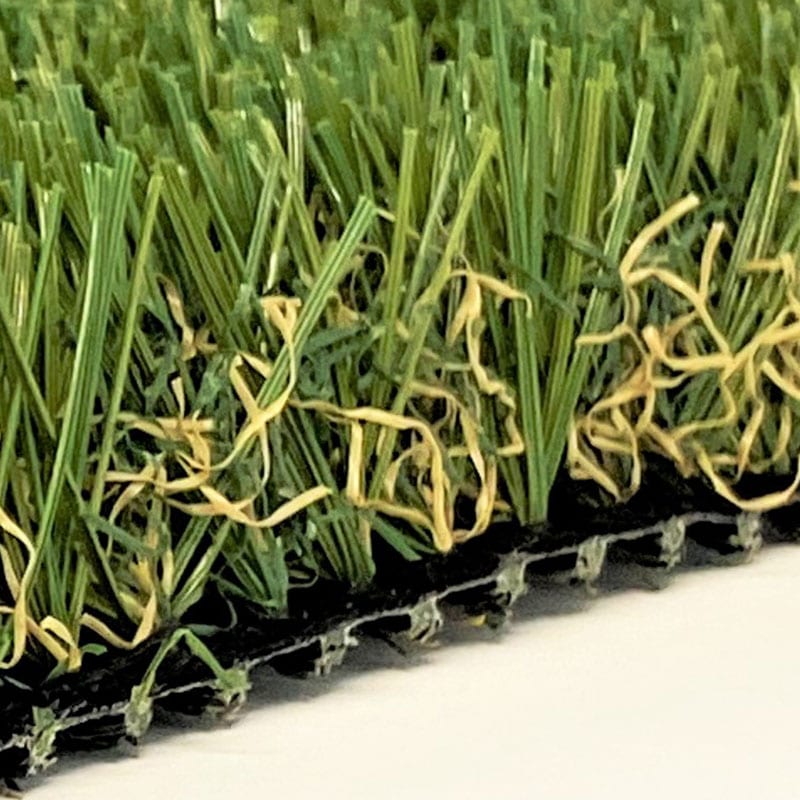
Monofilament fibers are individual strands that stand upright but compress easily and don’t recover quickly, making surfaces less consistent over time. They’re cheaper to produce, which is why budget systems use them.
Slit-film fibers are thin ribbons that create denser, more stable surfaces, recovering faster after compression. They cost more upfront but deliver better ball roll consistency and player safety for indoor sports.
Padded Nylon Turf Benefits for Athletes
Padded nylon turf reduces impact forces on joints by absorbing shock through a 12-20mm padding layer beneath the fiber, lowering injury risk during high-intensity activity.
In sports like basketball and volleyball involving repetitive jumping and cutting, quality padding reduces peak impact forces compared to unpadded surfaces, reducing overuse injuries.
Padded nylon turf improves ball response by absorbing and releasing energy predictably, creating uniform playing surfaces. Athletes report better confidence and more consistent performance metrics.
The ideal padding thickness for indoor sports is 12-16mm. Thinner padding (under 10mm) doesn’t provide meaningful shock absorption. Thicker padding (over 20mm) can feel spongy and reduce stability for lateral movements, increasing ankle strain. The sweet spot balances impact protection with surface responsiveness.
Synthetic Turf Safety Standards for Athletes
Safety standards for synthetic turf indoor sports facilities are set by ASTM International and ISO, testing shock absorption, surface hardness, friction, and rotational traction.
Key safety metrics include:
- Shock absorption (force reduction index): How much impact energy the surface absorbs. Higher values mean more protection.
- Rotational traction: The resistance to twisting forces. Too much traction can cause knee injuries; too little causes slipping.
- Friction coefficient: Measured as the Coefficient of Restitution (COR). Affects ball bounce and player sliding safety.
- Tuft bind: How securely fibers are anchored to the backing. Loose fibers can pull free and create tripping hazards.
Southern Artificial Turf’s polyethylene fiber systems meet or exceed EPA standards for RCRA hazardous waste heavy metals, including lead, a critical consideration for facilities where children train. Many budget systems don’t undergo this level of testing, leaving facility managers unaware of potential contamination risks.
When evaluating synthetic turf for your facility, request documentation showing compliance with ASTM F1836 (standard for synthetic turf systems) and ASTM F1951 (shock absorption testing). These certifications confirm the surface has been independently tested and meets baseline safety requirements.
Shock Absorption and Padding Systems
Shock absorption systems are the foundation of safe synthetic turf indoor sports installations. The padding layer directly beneath the fiber determines how much impact energy reaches an athlete’s joints and how quickly the surface recovers after each footstep.
Modern padding systems use either closed-cell foam or rubber crumb infill (or combinations of both). Closed-cell foam provides consistent, predictable shock absorption across the entire surface. Rubber crumb, recycled rubber particles mixed with a binder, offers similar protection but requires periodic raking to maintain even distribution and prevent compaction in high-traffic zones.
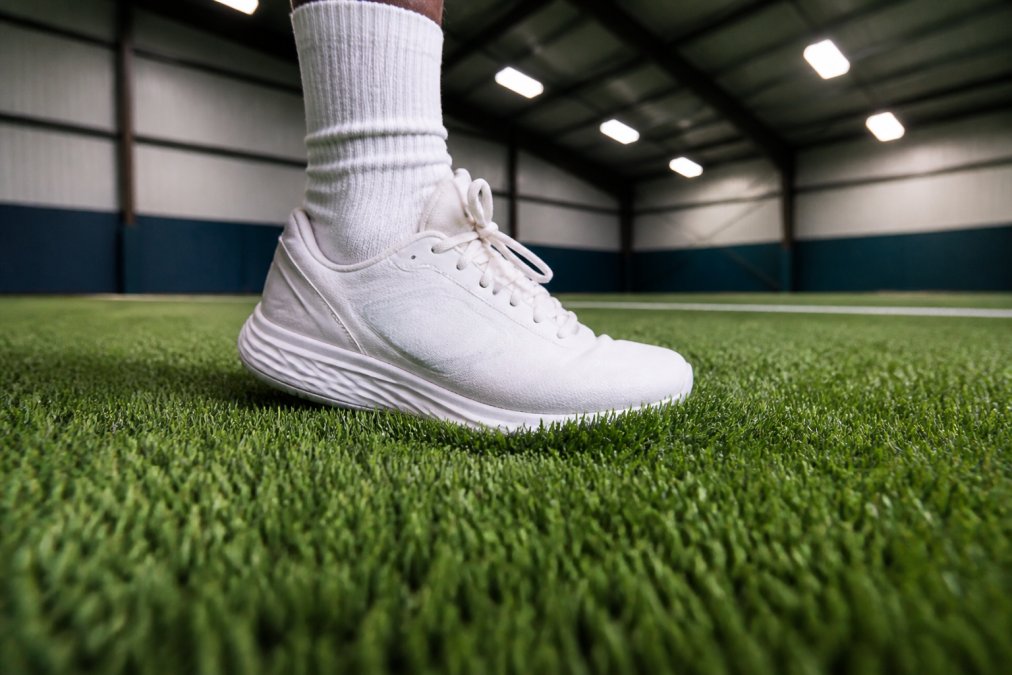
The thickness and density of the padding layer determine how much force reduction occurs. A 12mm system with standard density provides baseline protection. A 16mm system with higher density offers superior shock absorption for high-intensity sports.
One often-overlooked consideration: padding durability. Over time, foam compresses and loses resilience. Quality systems maintain a high percentage of their original shock absorption properties after years of heavy use. Budget systems may drop lower, which means the surface becomes progressively harder and less protective as the facility ages.
Non-infill turf systems, high-density fiber without additional padding, are sometimes marketed as low-maintenance alternatives. While they do reduce maintenance demands, they sacrifice shock absorption. These systems work in strength-and-conditioning gyms where athletes perform sled work and agility drills on stable surfaces. They’re not suitable for sports requiring impact protection.
Indoor Gym Turf Installation Cost and Durability
Installation cost for synthetic turf indoor sports facilities varies based on square footage, sub-base preparation, and whether you’re replacing existing flooring or building on new concrete. Professional installation services vary in cost depending on labor rates in your region and site complexity.
The sub-base preparation is critical and often underestimated. A proper installation requires:
- Concrete surface inspection and repair (filling cracks, leveling uneven areas)
- Moisture barrier installation to prevent water damage
- Proper drainage system setup (critical for indoor facilities where spills and humidity are concerns)
- Seaming and edge finishing
Cutting corners on sub-base preparation is a common source of early failure. Poor drainage leads to water pooling beneath the turf, which degrades the backing and creates soft spots. Uneven sub-base causes wrinkles and premature wear in high-traffic areas.
Durability depends on fiber quality, padding system, and usage intensity.
Maintenance Requirements and Long-Term Value
Synthetic turf for indoor sports facilities requires less maintenance than natural grass, but it’s not maintenance-free. Regular care extends lifespan and maintains performance consistency.
Essential maintenance tasks include:
- Weekly brushing: Restore fiber pile height and remove debris. Use a stiff-bristled brush or mechanical sweeper designed for synthetic turf (avoid metal bristles that can damage fibers).
- Monthly deep cleaning: Vacuum or sweep thoroughly to remove dust, sweat residue, and biological growth. In humid climates, this prevents mold and mildew.
- Quarterly infill inspection: If the system uses rubber crumb infill, check for compaction and uneven distribution. Rake high-traffic areas to redistribute material.
- Annual professional cleaning: Use a specialized machine that lifts debris from deep within the pile without damaging fibers.
Comparing Synthetic vs. Natural Surfaces for Indoor Use
Natural grass in indoor facilities faces inherent challenges: limited light, high humidity, and concentrated foot traffic. Even with grow lights and climate control, maintaining healthy natural grass indoors requires significant ongoing investment and expertise.
| Factor | Natural Grass Indoors | Synthetic Turf Indoors |
|---|---|---|
| Light Requirements | High (grow lights needed) | None |
| Watering Needs | Frequent | None |
| Maintenance Hours/Year | 100+ | 20-40 |
| Durability (Years) | 2-3 | 8-12 |
| Shock Absorption | Varies by season | Consistent |
| Surface Consistency | Uneven | Uniform |
| Initial Cost | Lower | Higher |
| 10-Year Total Cost | Higher | Lower |
Frequently Asked Questions
What is the best type of synthetic turf fiber for indoor sports facilities?
Polyethylene turf is widely preferred for indoor sports because it offers a soft, non-abrasive surface that reduces friction burns while maintaining high durability under heavy foot traffic. Nylon turf provides excellent resilience and abrasion resistance but can feel stiffer. For facilities prioritizing athlete comfort and injury prevention, polyethylene with adequate foam padding delivers the best balance of performance and safety.
How do padded nylon turf benefits compare to standard surfaces for training?
Padded nylon turf benefits include superior impact attenuation, which lowers leg injury risk during high-intensity training. The padding absorbs shock that would otherwise transfer to joints and muscles, while nylon’s fiber resiliency maintains consistent surface performance even under heavy use. This combination is especially valuable for strength training and agility work where athletes experience repeated impacts.
What synthetic turf safety standards for athletes should I verify before installation?
Look for turf systems tested for rotational traction (ASTM F2381), shock absorption (ASTM F355), and surface consistency (ASTM F1679). Verify that the product meets or exceeds EPA standards for hazardous waste heavy metals, particularly lead content. Confirm the turf has been evaluated for lower leg injury risk and that the padding system provides adequate impact attenuation for your specific sport.
How much does indoor gym turf installation cost compared to material alone?
Material costs vary depending on the system chosen. Professional installation adds labor and sub-base preparation, bringing total installed costs to a higher figure depending on facility size, site conditions, and drainage requirements. Pricing depends on quantity, dates, and delivery, contact Southern Artificial Turf for a current quote tailored to your project.
Does indoor synthetic turf require rubber infill, or are non-infill systems better?
Non-infill turf works well for strength and conditioning gyms where sled work and agility training are priorities, offering easier maintenance and a cleaner environment. Infill systems (sand or rubber) provide better shock absorption and ball roll consistency, making them preferred for multi-sport facilities. Your choice depends on your facility’s primary use and maintenance preferences.