
Table of Contents
- Why Artificial Turf Maintenance Matters More Than You Think
- How to Clean Artificial Grass: Debris, Rinsing, and Brushing
- Your Artificial Grass Maintenance Checklist: Weekly, Monthly, and Seasonal
- How to Remove Pet Odor from Artificial Grass
- Artificial Turf Infill Maintenance: Inspection and Replenishment
- Choosing Turf-Safe Tools and Cleaners (What to Avoid)
- Troubleshooting Drainage, Heat, and Wear Issues
- Conclusion: Building a Year-Round Turf Care Routine
- Frequently Asked Questions
Last Updated: October 12, 2026
Why Artificial Turf Maintenance Matters More Than You Think
Artificial turf maintenance is the routine care that keeps synthetic grass looking natural and lasting for years.
Synthetic grass is low-maintenance, not no-maintenance. A few minutes each week prevents problems that cost real money later, like clogged drainage, compacted fibers, and stubborn pet odors.
Below, we break down how to clean artificial grass, what to check each season, and which tools to avoid.
Turf fails from neglect, not from wear. Weekly debris removal and brushing do more for lifespan than any deep cleaning.
How to Clean Artificial Grass: Debris, Rinsing, and Brushing
Cleaning artificial grass comes down to three steps: remove debris, rinse the surface, and brush the fibers upright.
Removing Leaves, Branches, and Litter
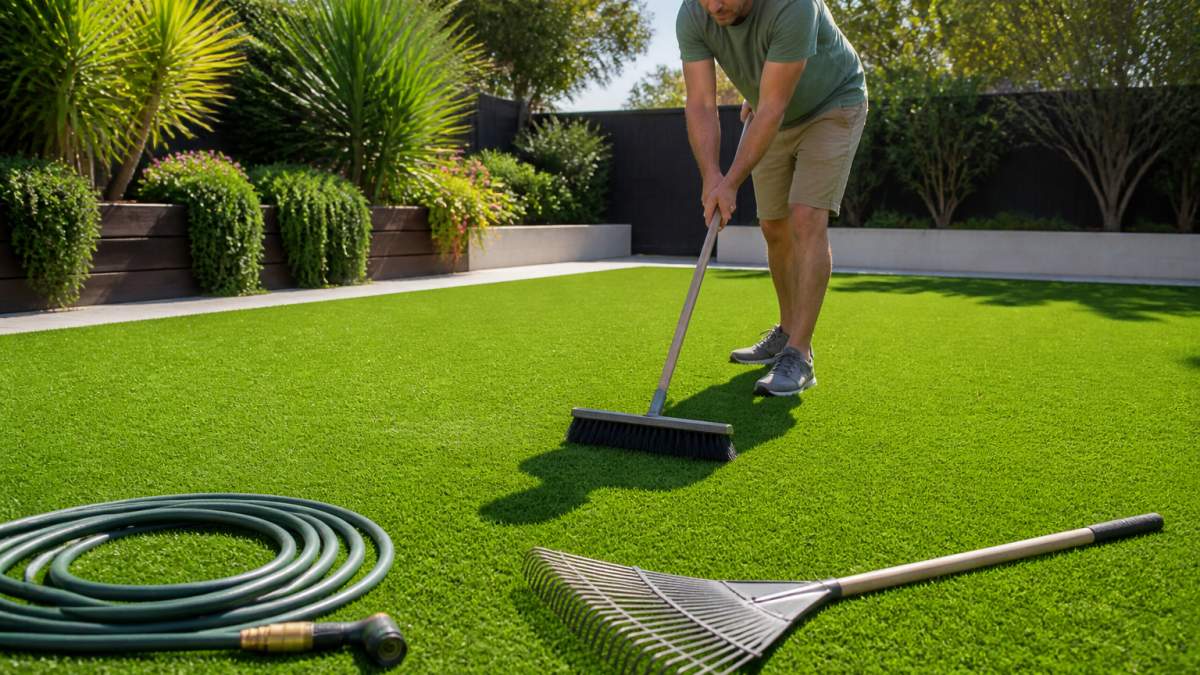
Clear the surface first. Leaves, branches, and litter block airflow and trap moisture, inviting mold and mildew. Use a leaf blower on low or a flexible rake for larger debris, and a stiff-bristled brush for small litter. Do not let wet leaves sit on the turf; they stain and mat the fibers.
Rinsing and Brushing to Lift Turf Fibers
Rinse the turf with a garden hose to wash away dust, pollen, and loose dirt; a light spray is enough. For high-traffic areas, follow with a stiff-bristled brush, sweeping against the grain to lift flattened blades. A weekly rinse and brush in warm months keeps the lawn looking new.
Your Artificial Grass Maintenance Checklist: Weekly, Monthly, and Seasonal
A simple schedule keeps artificial grass maintenance from piling up.
| Frequency | Task | Why It Matters |
|---|---|---|
| Weekly | Remove leaves, branches, and litter | Prevents stains and moisture buildup |
| Weekly | Rinse with a garden hose | Washes away dust, pollen, and dirt |
| Monthly | Brush high-traffic areas | Lifts flattened fibers for a natural look |
| Monthly | Spot-clean spills and stains | Stops set-in marks |
| Seasonal | Inspect infill and drainage | Catches problems before they spread |
Brush when the turf is dry. Wet fibers clump and resist lifting, so you get less fiber recovery for the same effort.
How to Remove Pet Odor from Artificial Grass
Removing pet odor from artificial grass starts with prompt cleanup: pick up solid waste right away, then rinse the area. For lingering smells, apply a mild soap or diluted vinegar solution, let it sit, then rinse thoroughly.
An antimicrobial treatment helps on heavily used turf. If the smell returns, check the infill; waste can settle below the surface and needs a deeper clean. Protective mats near doors reduce tracking and deep cleaning.
Artificial Turf Infill Maintenance: Inspection and Replenishment
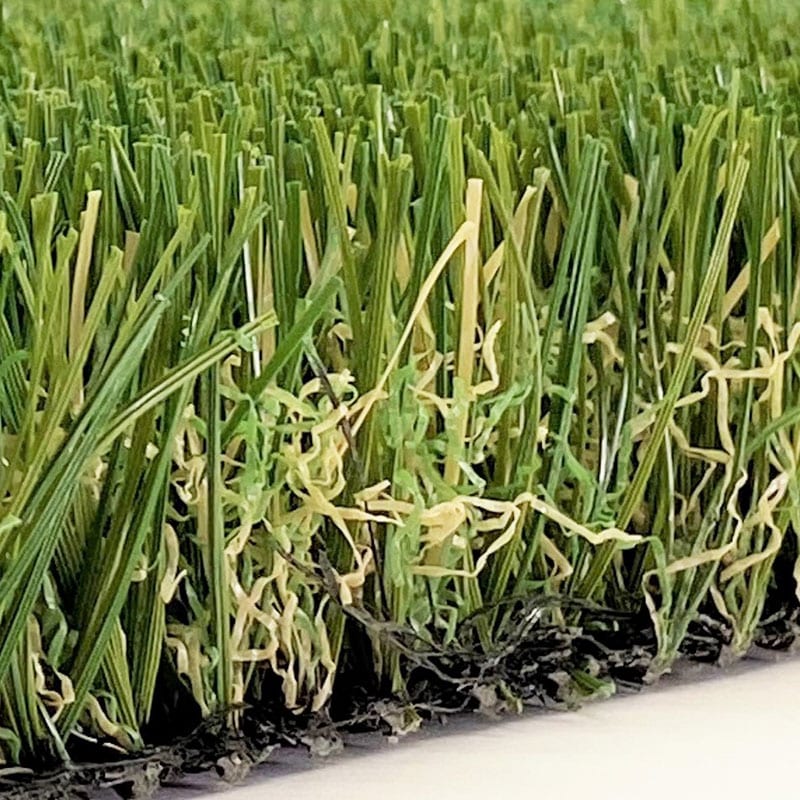
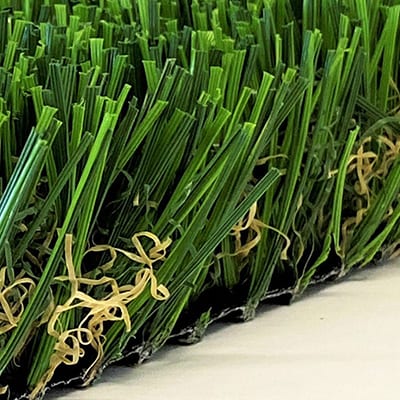
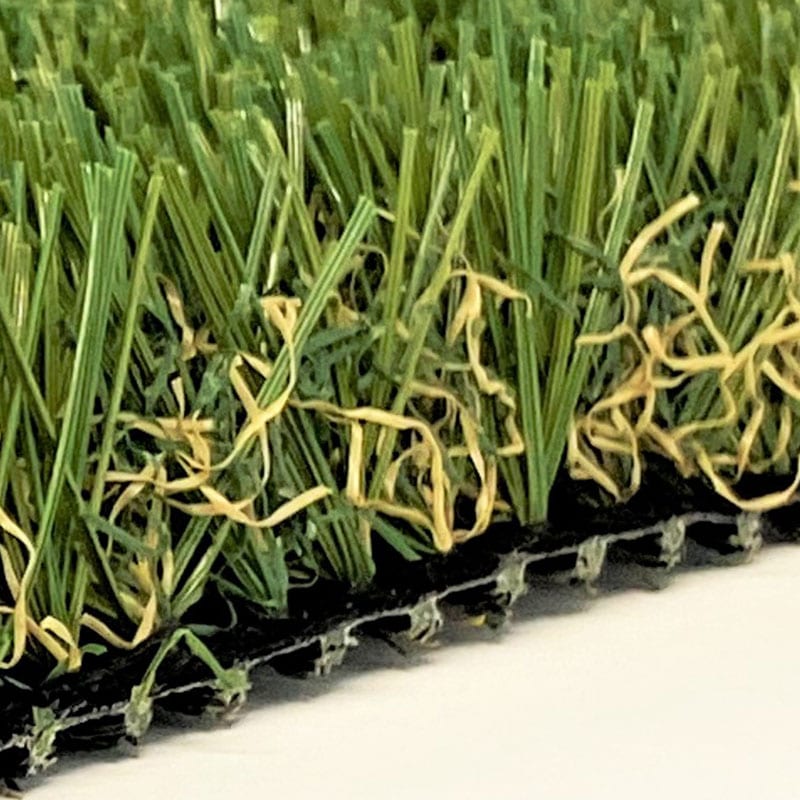
Infill is the layer of sand, silica, rubber crumb, or coated material between the blades. It holds fibers upright, adds weight so the turf does not shift, and gives a more natural feel underfoot. When infill is low or uneven, blades splay flat, the backing takes more foot traffic, and drainage slows.
How to Inspect Infill
Check infill every three to four months, and monthly in high-traffic zones like entryways, play areas, and pet relief spots. Push a finger or blunt probe straight down between the blades: on most residential turf, infill should sit roughly one-third to one-half of the way up the blade height. If you feel the backing with light pressure, it is too low; if infill spills over the tips when you brush, it is too high.
Look for these warning signs during inspection:
- Bare patches where the backing shows through between fibers
- Mounded areas where infill has drifted against a wall, curb, or seam
- Hard, crusted zones where infill has compacted and no longer moves underfoot
Redistributing and Replenishing
Redistribute before you add. A stiff-bristled brush or power broom worked in overlapping passes pushes drifted infill back toward low spots; work against the grain so bristles reach the base.
When redistribution is not enough, top off with the same infill type the turf was installed with. Mixing materials, say, rubber crumb over a silica base, changes the surface feel, drainage rate, and heat profile, and can void a manufacturer’s warranty.
Replenish infill on a dry, mild day. Damp infill clumps, sticks to bristles, and settles unevenly, which leaves you with the same low spots you started with.
Infill and Drainage
Infill is part of the drainage system. Water moves through the blade layer, past the infill, through the backing’s perforations, and into the base aggregate below. When infill compacts into a crust, that first step slows and water backs up. Puddling that clears within an hour or two usually means compacted infill, brush it loose and recheck. Puddling that lingers for hours points to the base or backing, so have a professional inspect the installation.
Infill by Turf Type and Use
The right infill depends on how the lawn is used:
- Silica sand is common in landscaping and low-traffic lawns. It is inexpensive, drains well, and gives a firm, tidy surface, but it does not cushion falls as well as rubber.
- Coated silica adds a dust suppressant and a cooling treatment, which helps in hot, sunny yards where surface temperature is a concern.
- Rubber crumb is typical for play areas and pet zones. It cushions impact and holds up to heavy use, but it can run warmer in direct sun and needs more frequent redistribution.
For pet areas, choose an infill that resists odor and rinses clean. For play areas, prioritize impact attenuation. For landscaping, drainage and appearance matter most. Matching infill to use pays off for the life of the turf.
Choosing Turf-Safe Tools and Cleaners (What to Avoid)
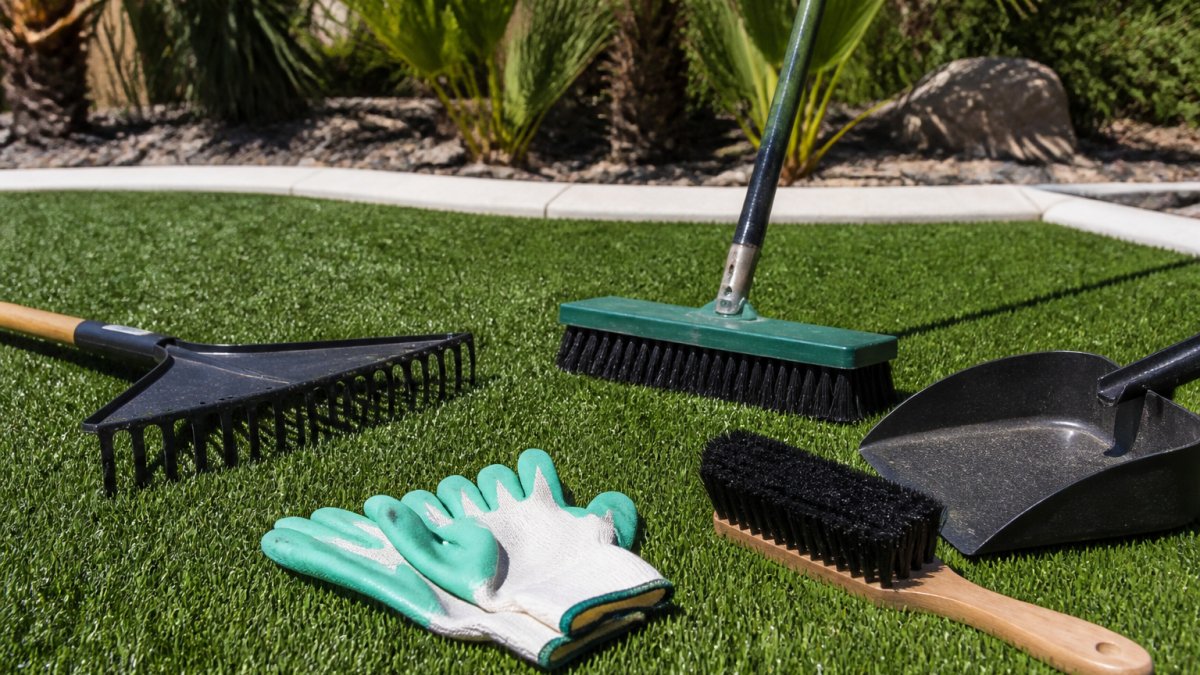
Turf-safe tools protect the fibers and backing. A stiff-bristled brush, flexible rake, leaf blower on low, and garden hose handle most jobs.
What to avoid matters just as much:
- Metal bristles, which scratch and tear fibers
- Harsh chemicals, bleach, and harsh cleaners that break down backing
- High-pressure washers, which can blast infill out of place
- Motor oil and solvent spills left to sit
For spills and stains, use a mild soap or diluted vinegar and rinse well. If you need a turf-safe cleaner, check the label first. For guidance on safe products, the EPA Safer Choice program lists cleaners reviewed for safety.
Troubleshooting Drainage, Heat, and Wear Issues
Most turf problems announce themselves early. Here is how to diagnose the three most common trouble categories, drainage, heat, and wear, and which fixes need a professional.
Drainage Troubleshooting
Start with timing. After heavy rain or a long rinse, note how long water stands:
- Clears in under an hour: normal for most installations. No action needed.
- Clears in one to three hours: likely compacted infill or surface debris. Brush the area, clear any leaves or matted fibers, and recheck after the next rain.
- Lingers more than three hours, or pools in the same spot every time: the base layer, the backing perforations, or a drainage channel is blocked. This is a repair issue, not a maintenance issue.
Walk the lawn and look for these warning signs:
- Low spots that hold water in a defined bowl shape, often a base compaction problem
- Seam separation, where two rolls of turf have pulled apart and water funnels into the gap
- Compacted infill that feels hard and crusty underfoot and does not loosen with brushing
- Soft, spongy areas that squish when stepped on, which can indicate a saturated base
If you find seam separation or a persistent low spot, do not fix it by adding infill, it will not correct a base problem and can make the low spot worse. These repairs involve lifting the turf, re-grading or re-compacting the base, and re-seaming, and are best handled by an installer.
Never use a high-pressure washer to clear a drainage problem. The pressure blasts infill out of the blade layer and can tear the backing, turning a slow-draining lawn into a permanently damaged one.
Heat Management and Surface Temperature
Synthetic turf absorbs and re-radiates heat, so on a hot, sunny day it runs noticeably warmer than natural grass, concrete, or shaded ground.
A few practical habits keep the surface safer:
- Check before use. Touch the surface with the back of your hand before letting kids or pets on it during peak sun. If it is uncomfortable to hold your hand there for a few seconds, it is too hot for bare feet and paws.
- Rinse to cool. A quick pass with a garden hose lowers surface temperature for a while. It is a temporary fix, not a permanent one, but it is effective for immediate use.
- Add shade. A shade sail, umbrella, or strategically placed tree canopy reduces direct sun on the turf and lowers surface temperature more consistently than rinsing.
- Time activity. Early morning and evening are the coolest windows. Schedule heavy play and pet time outside peak afternoon heat.
For pet owners, this matters beyond comfort. Hot turf can burn paw pads, and dogs often will not show discomfort until damage is done. For families with young children, the same caution applies to bare feet and hands.
Wear and Fiber Recovery
Wear shows up as flattened patches in the same traffic lanes: paths between a door and a gate, around a grill or play set, and pet relief zones. Most wear is recoverable.
Work through this sequence:
- Brush the area against the grain with a stiff-bristled brush. This lifts flattened blades and is the single most effective fix for mild wear.
- Check infill depth in the worn area. Low infill is a common cause of persistent flattening because blades have nothing to stand up against.
- Redistribute or top off infill if the level is low, then brush again.
- Recheck after a week. If the patch stays flat after brushing and correct infill, the backing or base may be compressed, and the area may need professional attention.
For high-traffic zones, a preventive routine beats reactive repair. Catching wear early is how you protect the EPA guidance on artificial turf and environmental safety standards your turf was built to meet, and it is far cheaper than replacing a section of turf later.
Conclusion: Building a Year-Round Turf Care Routine
The challenge with any synthetic lawn is staying consistent. A weekly rinse, a monthly brush, and a seasonal infill check keep turf looking natural for years, not months.
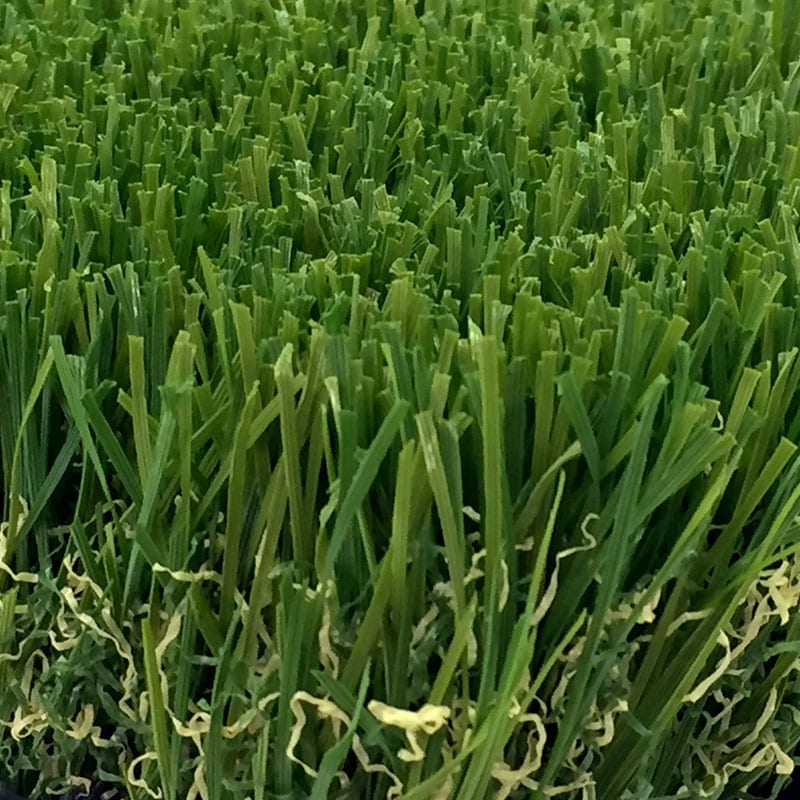
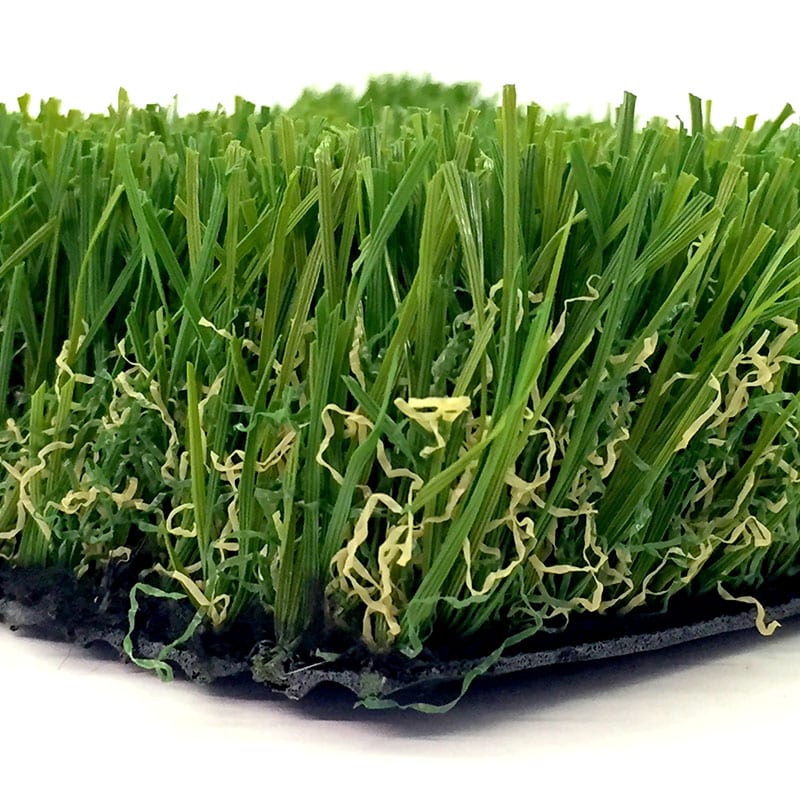
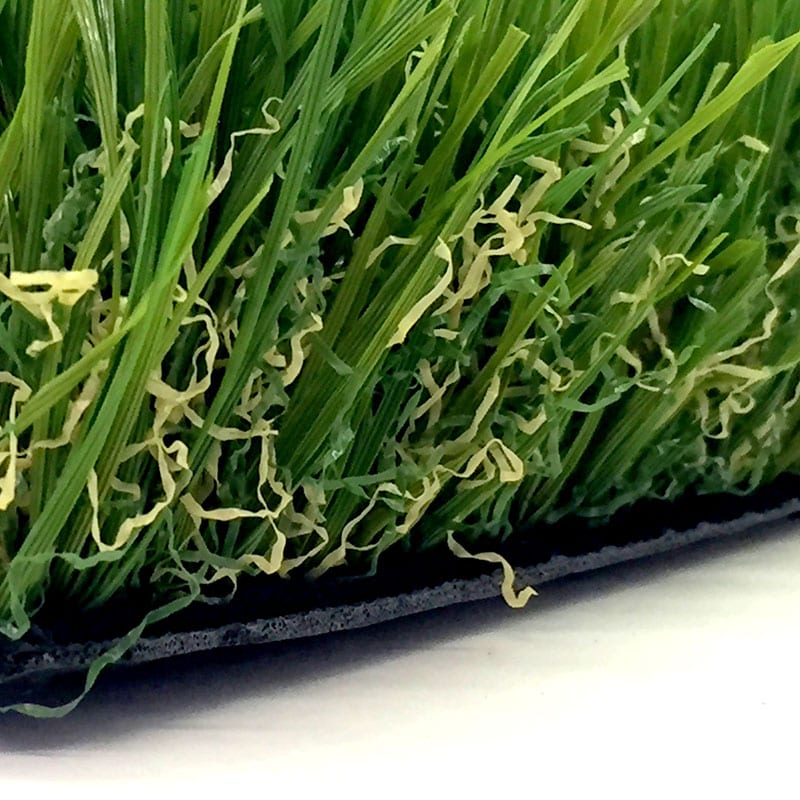
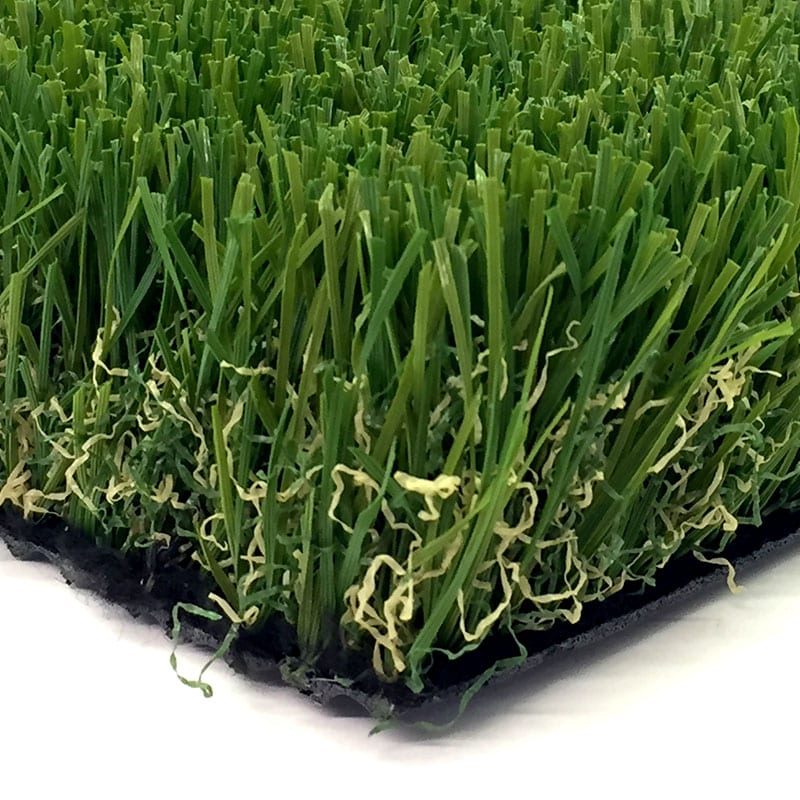
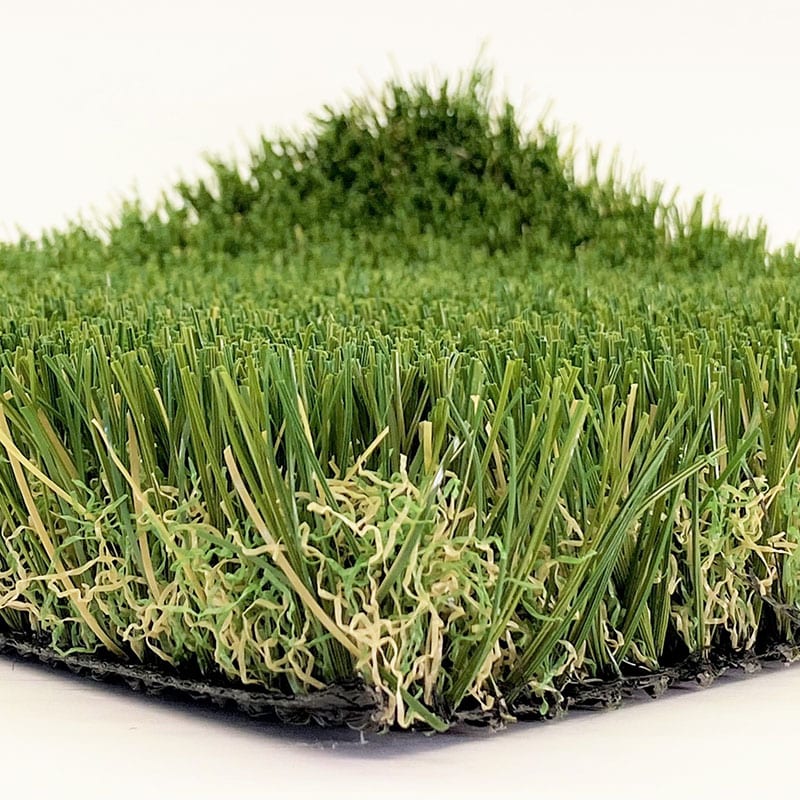
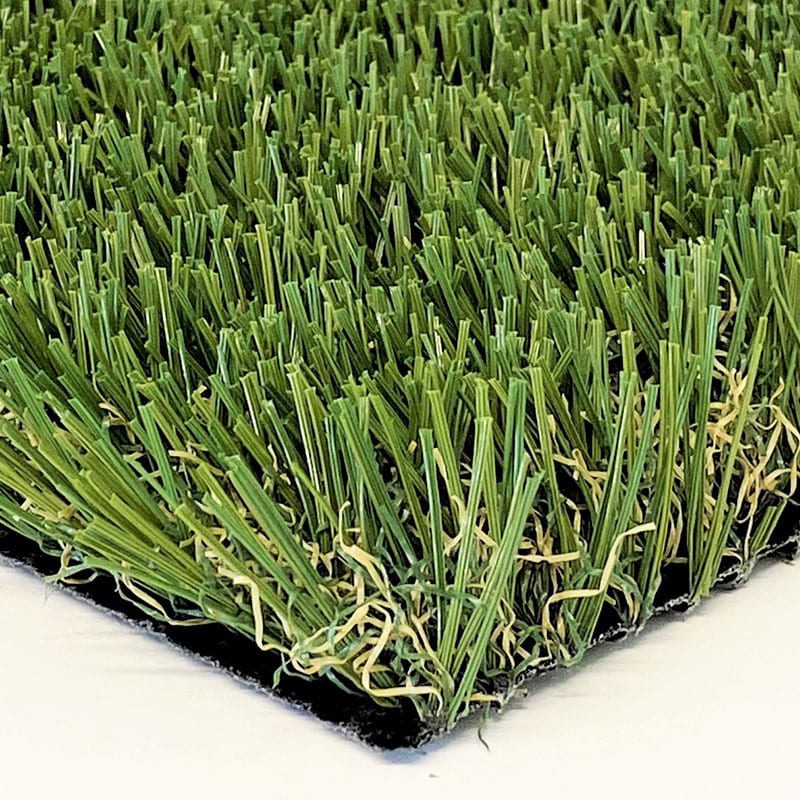
Our turf uses quad-color technology and 100% non-abrasive polyethylene fiber for a soft, real look.
Get a quote from Southern Artificial Turf and build a lawn that stays green and clean all year.
Frequently Asked Questions
Can you use a power washer on artificial grass?
A power washer can be used on artificial turf, but only on the lowest pressure setting and with the nozzle kept at least 12 inches from the surface. High pressure can lift the backing, dislodge infill, and fray the fibers. For most routine cleaning, a garden hose with a spray nozzle is safer and just as effective at rinsing away dust, pollen, and loose dirt. Reserve the power washer for stubborn stains or deep cleaning once or twice a year.
How often should you clean artificial grass?
Rinse and brush high-traffic areas weekly, and do a full rinse of the entire surface every two to four weeks. Remove leaves, branches, and litter as they appear, especially after storms. Deep clean with mild soap or diluted vinegar two to three times a year, or after heavy pet use. In humid Southern climates, check for mold and mildew monthly, since shade and moisture create the conditions they need.
What is the best thing to clean fake grass with?
For everyday cleaning, water is usually enough. For stains and spills, mix a few drops of mild dish soap with warm water, or use a 50/50 solution of white vinegar and water. Apply with a soft brush, then rinse thoroughly. Avoid harsh chemicals, bleach, and metal-bristled brushes, which can damage turf fibers and backing. A turf-safe cleaner formulated for synthetic grass is a reliable option when you want extra cleaning power without risk.
How do you remove pet odors from artificial turf?
Remove solid waste promptly, then rinse the area with water. For lingering odor, apply a 50/50 mix of white vinegar and water, let it sit for 10 to 15 minutes, and rinse well. Enzyme-based pet odor eliminators break down the uric acid crystals that cause smell and work better than soap alone. If odor persists, check the infill, since it can trap residue. Replenishing or replacing infill in pet areas often solves recurring odor problems.