
Last Updated: October 22, 2026
Quick Summary
To maintain artificial turf hot weather pets, remove solid waste daily, rinse high-use areas with light water spray to remove urine and bacteria, and cool the surface during peak heat hours (2-4 PM) to prevent paw burns. Hot weather accelerates bacterial growth and raises surface temperatures above 140°F, requiring more frequent cleaning than standard care.
- Remove solid pet waste immediately multiple times daily, as bacteria multiply rapidly above 80°F and create ammonia and hydrogen sulfide gases within hours
- Rinse high-use zones daily in early morning before 9 AM and add a second rinse in late afternoon during extreme heat above 95°F
- Apply enzymatic cleaner weekly and alternate with diluted white vinegar rinses 3-4 times weekly to control odor without overusing any single product
- Cool turf surface with light water spray during 2-4 PM peak heat, and use shade structures to reduce surface temperature by 30-50°F
- Check surface temperature before your dog goes outside; if you cannot hold your hand on it for 5 seconds, it is too hot for paws
Table of Contents
- Why Hot Weather Demands Different Artificial Turf Care for Pets
- Daily Pet Waste Removal and Rinsing
- How to Clean Artificial Grass with Dogs Using Pet-Safe Methods
- How to Remove Dog Urine Smell from Artificial Turf
- How to Cool Artificial Grass in Summer Heat
- Choosing Pet-Safe Artificial Grass Cleaner and Products
- Establishing a Heat-Aware Maintenance Schedule
- Troubleshooting Common Hot-Weather Pet Turf Problems
- Frequently Asked Questions
Why Hot Weather Demands Different Artificial Turf Care for Pets
To maintain artificial turf hot weather pets requires a different approach than standard care: synthetic grass heats up rapidly, pet waste breaks down faster (creating odor and bacteria issues), and your dog’s paws are at risk from surface temperatures that cause discomfort or injury.
With the right strategy, your turf stays fresh, cool, and safe.
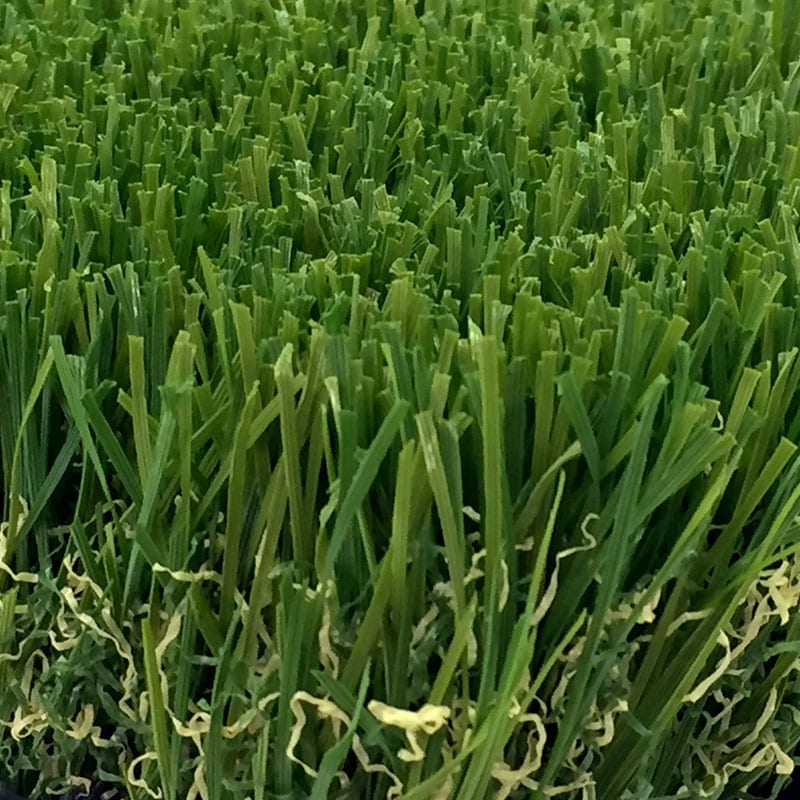
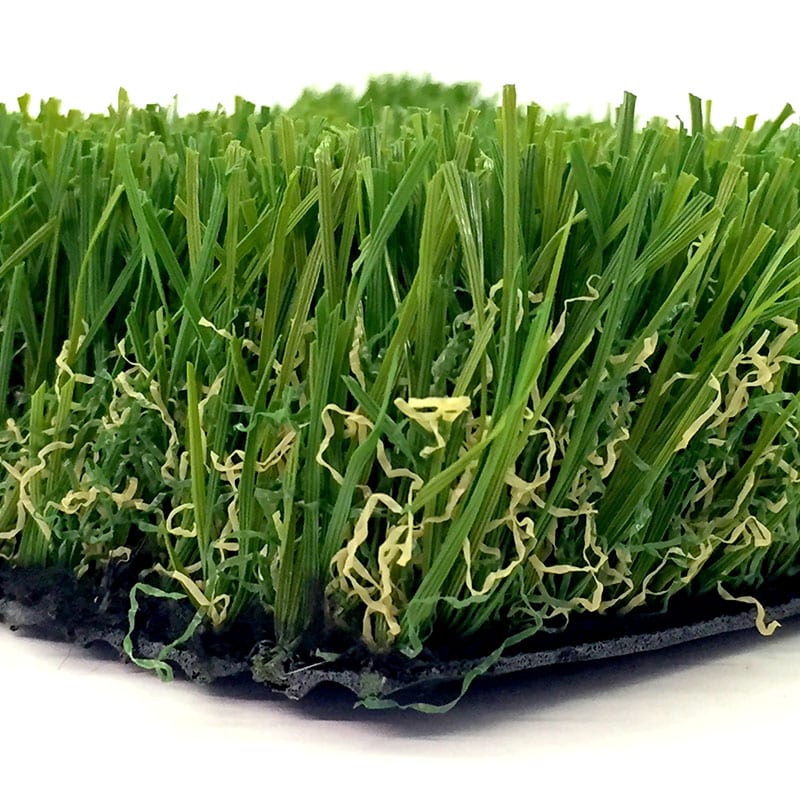
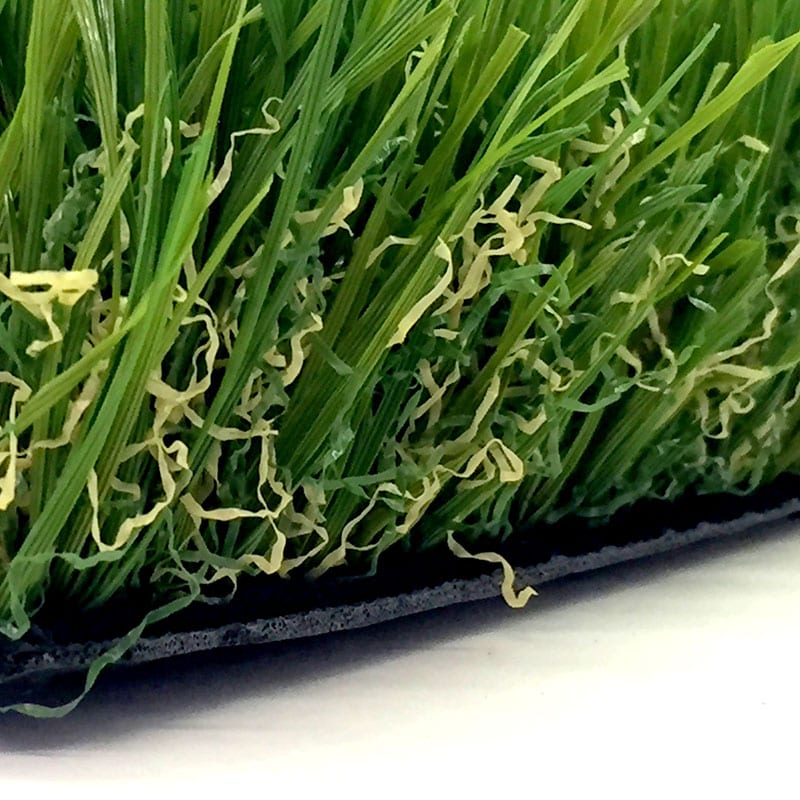
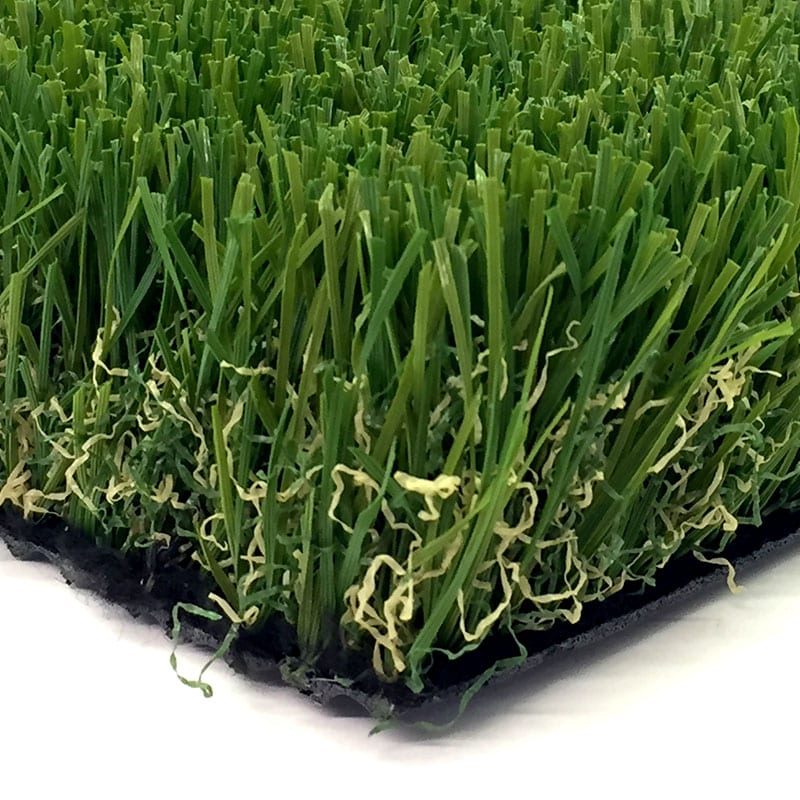
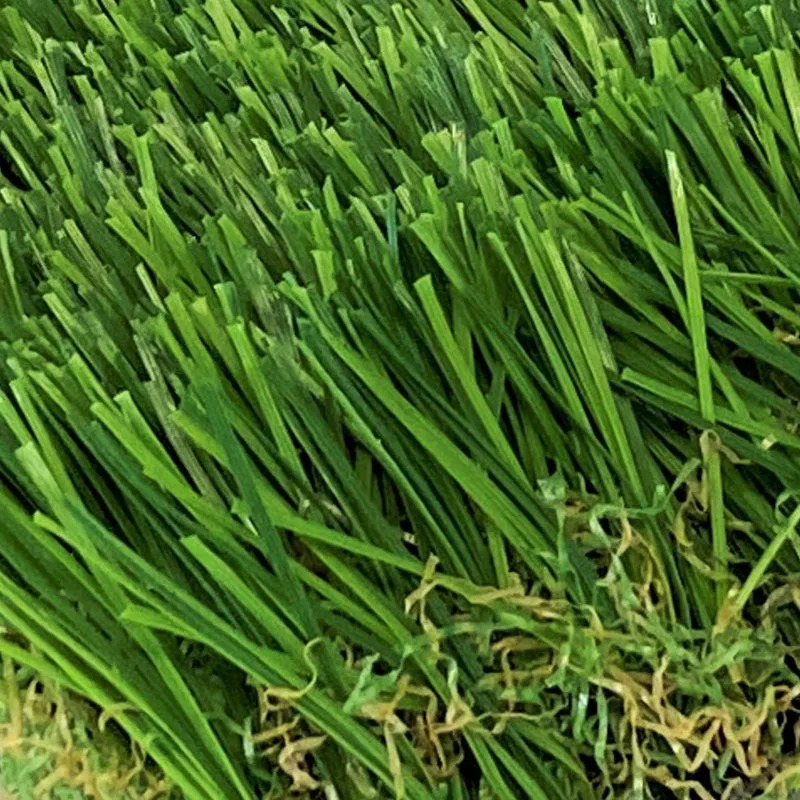
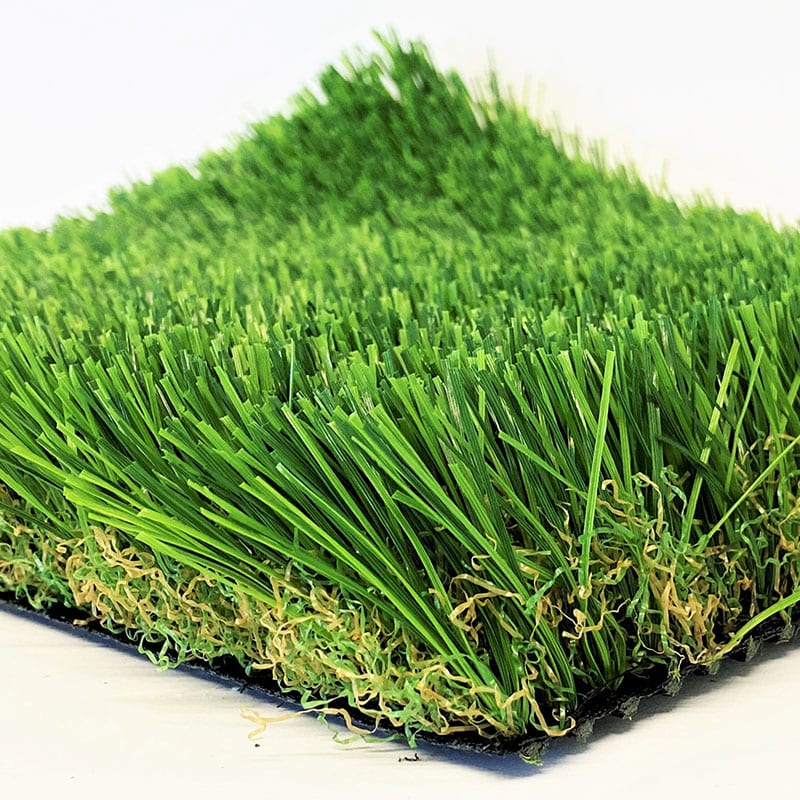
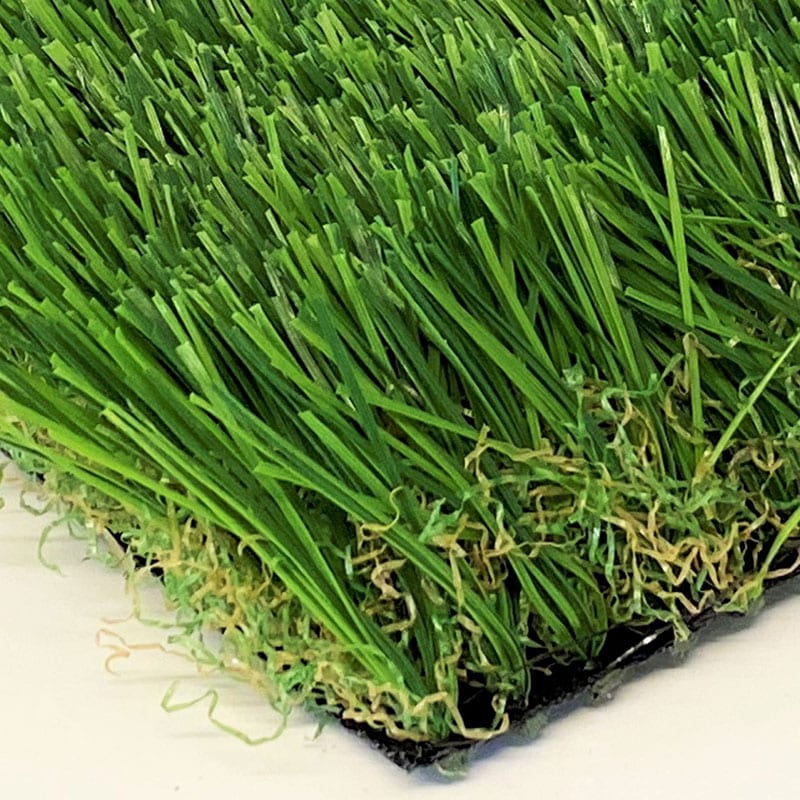
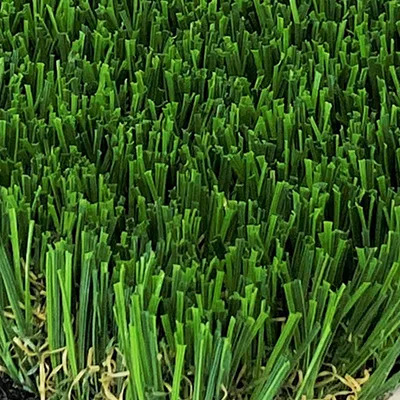
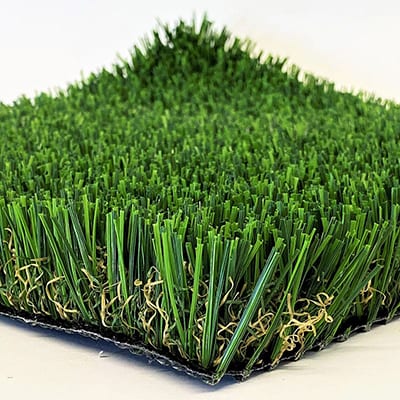
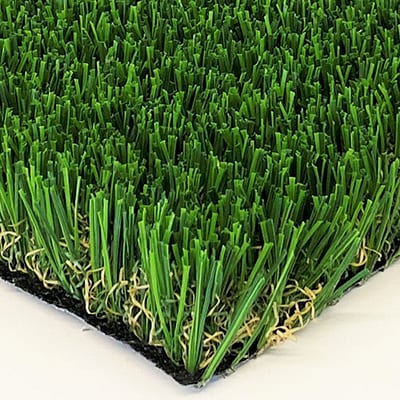
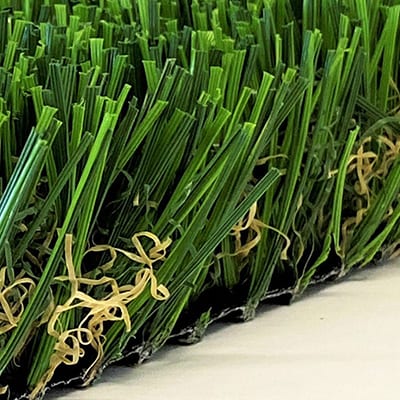
The core challenge isn’t the turf itself. Our quad-color polyethylene fiber and advanced drainage system handle heat and pet use exceptionally well. The issue is that most pet owners apply the same maintenance schedule year-round, and in summer that fails.
Here’s what changes:
- Daily cleaning becomes more urgent due to faster bacterial growth
- Rinsing frequency doubles or triples to manage odor and urine salts
- Surface temperature monitoring prevents paw burns
- Deodorizing shifts from monthly to weekly or bi-weekly
- Water cooling becomes essential during peak heat hours
Daily Pet Waste Removal and Rinsing
Remove solid pet waste immediately, every day. In hot weather, this is the foundation of odor control.
Bacteria multiply rapidly above 80°F. Waste left for even a few hours creates ammonia and hydrogen sulfide gases that smell intense and attract more bacteria.
After removing solids, rinse that spot with a light spray from your garden hose to remove residual bacteria and prevent odor hotspots.
For urine, rinse daily in the early morning or evening, spraying the high-use zones where your dog typically urinates.
The practical sequence:
- Remove solid waste immediately (multiple times daily if needed)
- Rinse that spot lightly with water
- Once daily, rinse all high-traffic areas with a light spray
- In extreme heat (above 95°F), add a second rinse in late afternoon
The key is light watering, not soaking: remove urine salts and bacteria without creating standing water or oversaturating the infill. Southern Artificial Turf‘s 30 inches per hour drainage capacity handles regular rinsing without pooling.
Early morning rinsing is best. Water your turf before 9 AM when temperatures are still mild. This cools the surface, removes overnight urine accumulation, and gives the turf time to dry before peak heat hits.
How to Clean Artificial Grass with Dogs Using Pet-Safe Methods
Cleaning artificial grass with dogs requires products that won’t harm paws, skin, or eyes. Many standard turf cleaners are safe for humans but irritating to pets.
The safest approach: diluted white vinegar or enzymatic pet-safe cleaners. Both break down urine salts and odor-causing bacteria without toxins.
White vinegar method:
Mix one part white vinegar with three parts water. Spray on problem areas and let sit 10-15 minutes. The vinegar smell fades as it dries, and it neutralizes ammonia-based odors. It’s food-grade, pet-safe, and inexpensive.
Enzymatic cleaner approach:
Pet-safe enzymatic cleaners contain bacteria and enzymes that eat organic matter (urine, feces residue, bacteria). They’re formulated for pet areas and won’t irritate paws or skin.
Avoid these:
- Bleach or ammonia-based cleaners (toxic to pets)
- Heavy-duty degreasers (irritate paws and eyes)
- Phenol-containing products (poisonous to dogs)
- Strong essential oil products (many are toxic to pets)
Always rinse thoroughly after applying any cleaner, and let the turf dry completely before letting your dog back on it to prevent tracking residue or slipping.
For routine hot-weather maintenance, alternate vinegar rinses (3-4 times weekly) with enzymatic cleaner applications (once weekly) to keep odor controlled without overusing any single product.
Never use undiluted vinegar, it can damage synthetic fibers over time and is too harsh for pets. Always dilute at least 1:3 with water. Test any new cleaner on a small hidden area first to confirm it doesn’t discolor your turf.
How to Remove Dog Urine Smell from Artificial Turf
Dog urine odor in artificial turf comes from fresh urine and accumulated urine salts in the infill. Removing the smell requires addressing both.
Fresh urine smell fades with rinsing and enzymatic treatment.
For fresh urine (within 24 hours):
Rinse the spot thoroughly, apply an enzymatic cleaner, let it work 20-30 minutes, then rinse again. This removes the urine and the bacteria that cause smell.
For old, stubborn odor:
Saturate the area with diluted white vinegar (1:3) or an enzymatic cleaner designed for pet urine.
Prevention is easier than removal:
- Rinse high-use areas daily
- Apply enzymatic cleaner weekly during hot months
- Ensure proper drainage (standing water traps odor)
- Monitor for wet spots that indicate drainage issues
If odor persists despite regular cleaning, the problem may be inadequate drainage or infill saturation. Consult a professional installer. Southern Artificial Turf’s installation includes proper base preparation and drainage design.
The smell you notice isn’t just urine, it’s bacteria thriving in warm, moist conditions. Daily rinsing removes the moisture that bacteria need to survive. This single habit eliminates 80% of odor problems.
How to Cool Artificial Grass in Summer Heat
Artificial grass surface temperatures can exceed 140°F on a 90°F day, hot enough to cause paw pad burns.
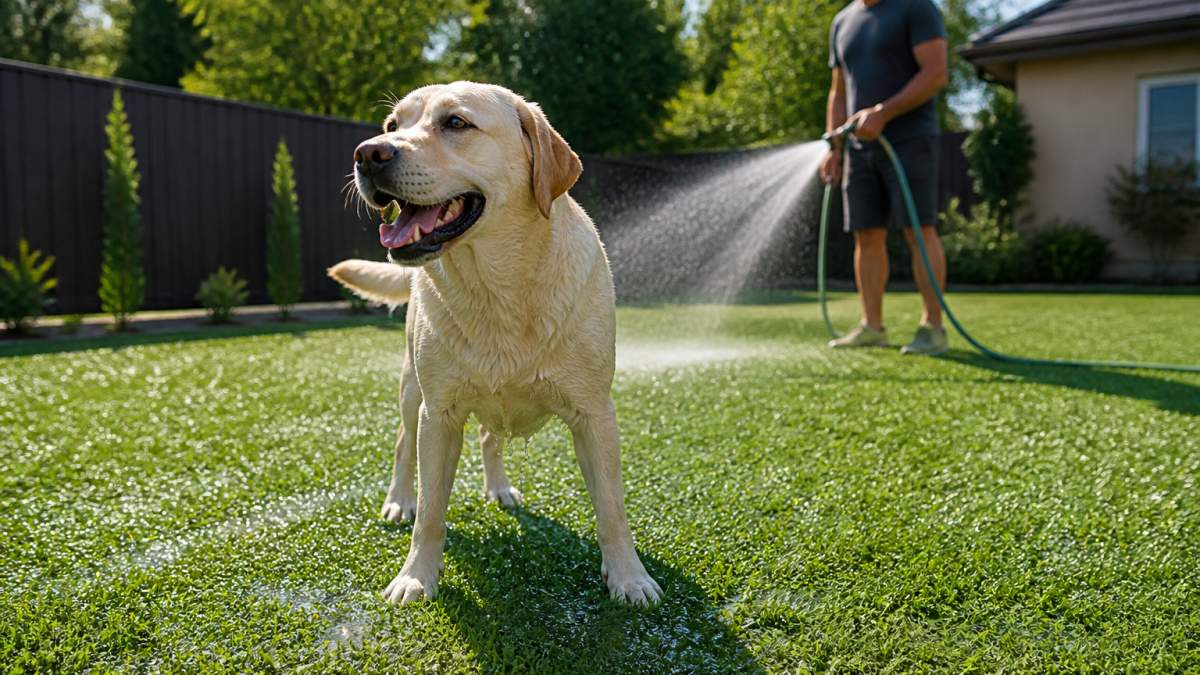
Water cooling is the most effective method. A light spray reduces surface temperature by 20-40°F in minutes as water absorbs heat and evaporation adds cooling.
Apply water cooling during the hottest part of the day, typically 2-4 PM, spraying lightly and focusing on zones where your dog spends the most time.
Shade is your second line of defense. Position shade structures (umbrellas, shade cloth, trees) over high-use areas.
Timing matters. Cool the turf before your dog goes outside, not after.
Daily rinsing, strategic shade, and spot cooling during peak heat keep your turf safe and comfortable for pets even in intense Southern summers.
Choosing Pet-Safe Artificial Grass Cleaner and Products
Not all artificial grass cleaners are safe for pets.
Pet-safe cleaner categories:
Enzymatic cleaners designed specifically for pet areas are the best choice.
Vinegar-based solutions are inexpensive and safe.
Baking soda is useful as a deodorizer but not a cleaner.
Products to avoid:
Heavy degreasers and industrial cleaners often contain surfactants and solvents that irritate pet skin and eyes.
Essential oil-based cleaners sound natural but many oils are toxic to dogs (tea tree, eucalyptus, lavender, peppermint).
Application best practices:
Always dilute concentrated products according to label instructions.
Test any new product on a small, hidden area first.
Rinse thoroughly after applying any cleaner.
Apply cleaners in early morning or late evening when temperatures are mild.
Southern Artificial Turf’s non-abrasive polyethylene fiber is compatible with all pet-safe cleaners.
Enzymatic cleaners work best when applied to damp turf. Rinse the area lightly first, then apply the cleaner. The moisture helps the enzymes penetrate the infill where urine salts hide.
Establishing a Heat-Aware Maintenance Schedule
Your maintenance routine must shift when you maintain artificial turf hot weather pets, since heat accelerates bacterial growth, increases odor, and raises surface temperature.
Daily tasks (non-negotiable in hot weather):
- Remove solid pet waste immediately, multiple times if needed
- Rinse high-use zones with light water spray
- Check surface temperature with your hand; cool if needed
Weekly tasks:
- Apply enzymatic cleaner to problem areas or entire yard
- Inspect drainage for standing water or wet spots
- Check infill level; top up if needed (heat can compress infill slightly)
Bi-weekly tasks (add these during peak heat):
- Deep rinse of entire yard with moderate water pressure
- Deodorize with vinegar or enzymatic spray
- Monitor for odor hotspots or drainage issues
Monthly tasks:
- Visual inspection for damage, wear, or infill displacement
- Rake or brush turf gently to restore fiber texture
- Check for algae or mold growth in shaded areas
Seasonal adjustments:
In spring and fall (mild temperatures), you can reduce frequency.
In winter (if applicable to your region), frequency drops further. Cold slows bacterial growth and reduces odor. Daily waste removal remains important, but rinsing can be weekly.
In summer (your critical season), stick to the daily and weekly schedule above. If temperatures exceed 95°F regularly, add a second daily rinse in late afternoon.
Tracking and adjustments:
Keep a simple log of cleaning dates and odor levels to identify patterns.
If odor persists despite following this schedule, the problem is likely drainage or infill saturation. Contact a professional to assess your installation.
| Task | Frequency (Hot Weather) | Purpose |
|---|---|---|
| Remove solid waste | Daily, multiple times | Prevent bacterial growth and odor |
| Rinse high-use areas | Daily (AM and PM in extreme heat) | Remove urine, cool surface |
| Enzymatic cleaning | Weekly | Break down urine salts and bacteria |
| Check surface temperature | Before dog goes outside | Prevent paw burns |
| Deep rinse entire yard | Bi-weekly | Flush out salt buildup in infill |
| Inspect drainage | Weekly | Prevent standing water and odor |
Troubleshooting Common Hot-Weather Pet Turf Problems
Even with a solid routine, hot-weather pet turf can develop problems.
Persistent odor despite regular cleaning:
This usually means urine salts are trapped in the infill.
Standing water or wet spots that won’t dry:
This indicates a drainage problem.
Turf fibers matting down or looking worn:
Heavy pet traffic combined with heat can compress fibers.
Infill level dropping or shifting:
Heat, heavy rain, and pet activity can displace infill.
Discoloration or staining:
Most staining on quality turf is temporary. Rinse with water first.
Odor returning quickly after cleaning:
You’re not removing the root cause: urine salts in the infill.
If odor or drainage problems persist after 2-3 weeks of consistent treatment, stop troubleshooting and contact a professional. The issue may be installation-related, and DIY solutions won’t fix it. A professional can assess your base layer, drainage system, and infill to identify the problem.
Hot-weather pet turf care isn’t complicated, but it requires consistency and attention to heat.
Frequently Asked Questions
Does synthetic turf get hot enough to burn a dog’s paws?
Yes. In direct sunlight, artificial grass surface temperature can exceed 140°F on hot days, which can cause paw pad burns after just seconds of contact. Dogs show signs of discomfort by limping, licking paws excessively, or refusing to go outside. Test the turf by placing your hand on it for 5 seconds, if you cannot hold your hand there comfortably, it is too hot for your pet. Rinse the turf with cool water before letting your dog outside, and provide shaded areas or bring pets indoors during peak heat hours (10 a.m. to 4 p.m.).
How often should I rinse artificial grass used by pets in hot weather?
In hot weather, rinse your artificial turf at least once daily in the morning or evening to remove pet waste, urine salts, and bacteria buildup. During peak summer heat, consider a second light rinse in the afternoon to cool the surface and reduce odor. Weekly deeper rinsing with a garden hose (not a pressure washer) helps flush residue through the drainage layer. Increase frequency if you have multiple pets or notice odors developing, as heat accelerates bacterial growth and urine salt accumulation.
What is the best pet-safe artificial grass cleaner to use?
Use enzyme-based cleaners specifically formulated for pet urine on synthetic turf, or dilute white vinegar with water (1:3 ratio). Avoid bleach, ammonia, and harsh chemicals that can damage the polyethylene fibers and harm your pet. Apply the cleaner to affected areas, let it sit for 10-15 minutes, then rinse thoroughly with cool water. For daily maintenance, plain water rinses are often sufficient. Always test any new product on a small, inconspicuous area first, and ensure the turf dries completely to prevent bacteria growth.
How can I cool artificial turf before letting my pet outside on hot days?
The most effective cooling method is light watering with a garden hose 15-30 minutes before your pet goes outside. A brief rinse can lower surface temperature by 20-30°F. You can also create shaded zones using umbrellas, shade cloths, or by positioning play areas near trees. Ensure your turf installation has proper drainage (30 inches per hour capacity) so water does not pool. For extreme heat days, limit outdoor time to early morning or evening hours when temperatures are cooler and the turf surface has had time to cool naturally.