
Last Updated: November 9, 2026
Quick Summary
Comparing artificial turf brands fairly means lining up the same specifications side by side: face weight, pile height, blade shape, backing, drainage rate, warranty terms, and independent test results. Ask each brand for face weight, pile height, fiber material, drainage rate, and warranty exclusions in writing, then compare every brand on the same sheet.
- Face weight is the fiber weight per square yard in ounces, but it alone does not settle the brand question.
- W-shaped and S-shaped blades catch light at different angles and break up flat plastic sheen.
- For pet areas, look for soft polyethylene fibers, a measured drainage rate, and a permeable backing.
- Most turf warranties exclude damage from improper installation, pet waste, burns, and chemical spills.
- Score each brand on wear, UV exposure, drainage, heat performance, and fiber recovery after infill settling.
Table of Contents
- How to Compare Artificial Turf Brands on Equal Terms
- Face Weight and Pile Height: Artificial Turf Face Weight Explained
- Blade Shape, Color and Thatch: What Separates Realistic Turf From Plastic-Looking Turf
- Artificial Turf Installation Cost 2026: What Drives the Number
- Best Artificial Turf for Dogs and Other Specific Use Cases
- Warranty Fine Print, Testing and Total Cost of Ownership
- A Brand-by-Brand Look at the Options on the Market
- Get a Quote From Southern Artificial Turf
- Frequently Asked Questions
How to Compare Artificial Turf Brands on Equal Terms
Comparing artificial turf brands fairly means lining up the same specifications side by side: face weight, pile height, blade shape, backing, drainage rate, warranty terms, and independent test results.
Below, we show you exactly how to read a turf spec sheet, what the numbers actually mean, and where cheap turf hides its shortcuts.
Artificial turf is a manufactured surface of synthetic fibers stitched into a backing layer, designed to mimic natural grass without watering, mowing, or fertilizing.
Start with three questions for any brand: What fiber is it made of? How is it backed and drained? What does the warranty exclude? Answer those before you look at a single color swatch.
Face Weight and Pile Height: Artificial Turf Face Weight Explained
Face weight is the weight of the fiber per square yard of turf, measured in ounces, and it tells you how much material sits above the backing.
A heavy face weight with short, stiff fibers can feel worse underfoot than a lighter turf with well-shaped blades.
Here is how we would read a spec sheet:
- Check face weight first to gauge material volume.
- Compare pile height against your use case, since pets and kids need different profiles.
- Confirm fiber material, because polyethylene resists wear and stays softer than older nylon options.
- Look at backing and drainage before you fall in love with the color.
If you want the deeper walkthrough on matching pile height to your yard, read our guide on how to choose the right artificial grass pile height.
Why Face Weight Alone Does Not Settle the Brand Question
Two brands can print identical face weights and perform completely differently. Fiber shape, UV stabilization, and how tightly the yarn is tufted all change the outcome. A brand that publishes full specifications is telling you it has nothing to hide.
Blade Shape, Color and Thatch: What Separates Realistic Turf From Plastic-Looking Turf
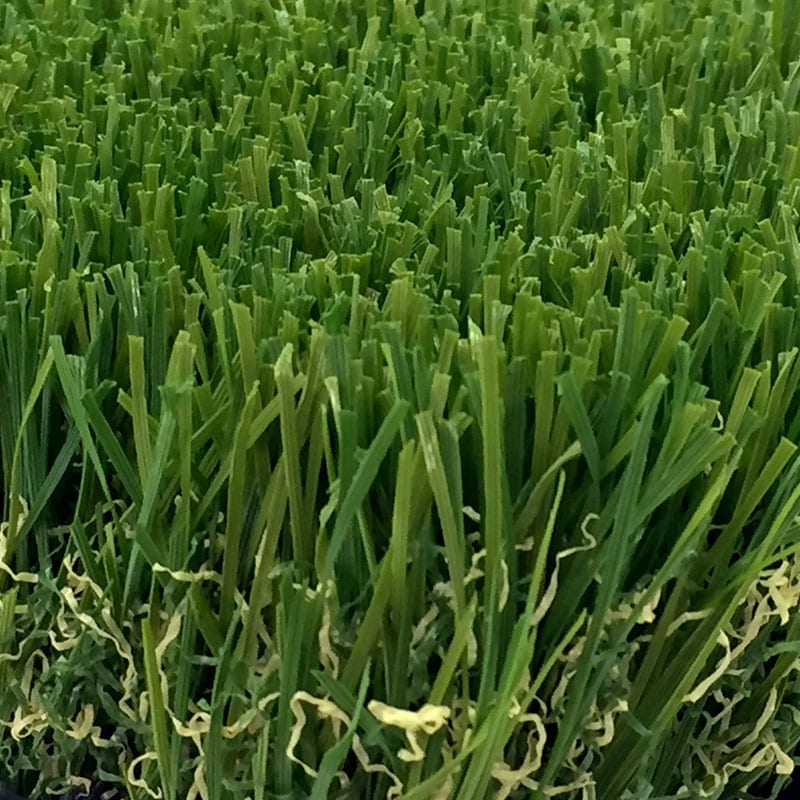
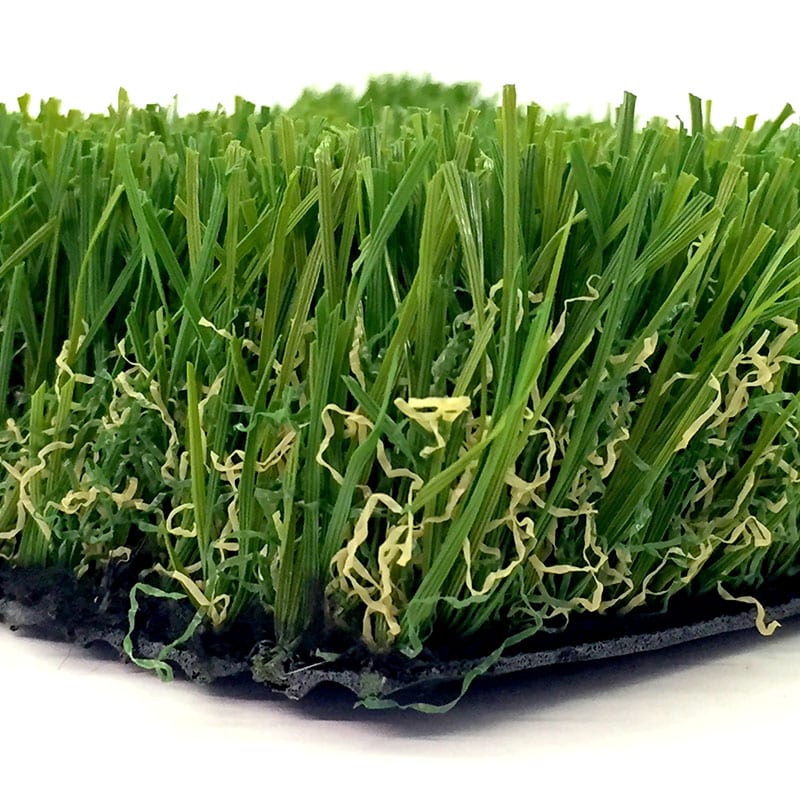
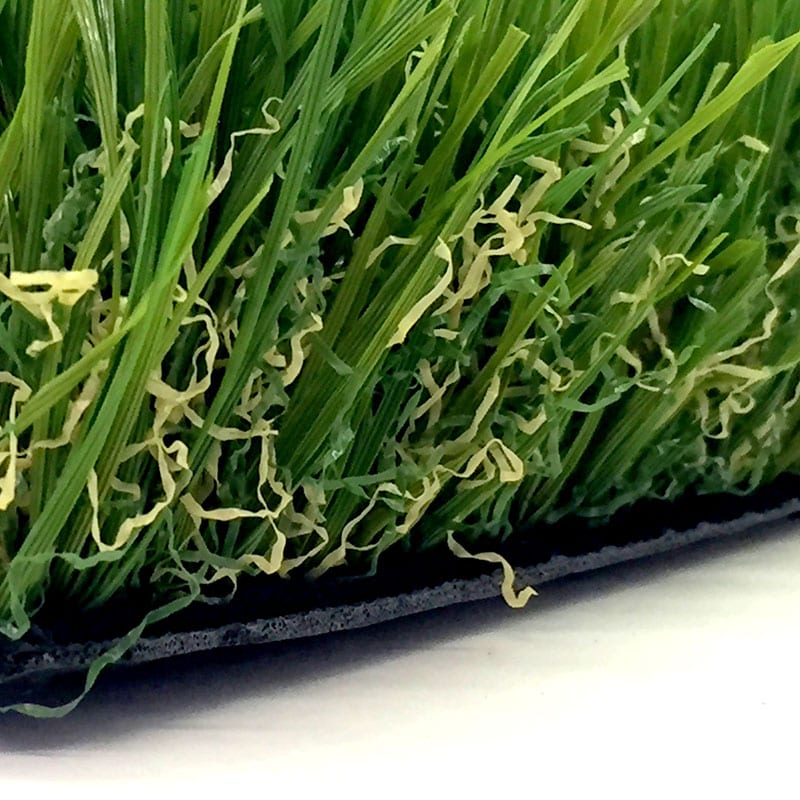
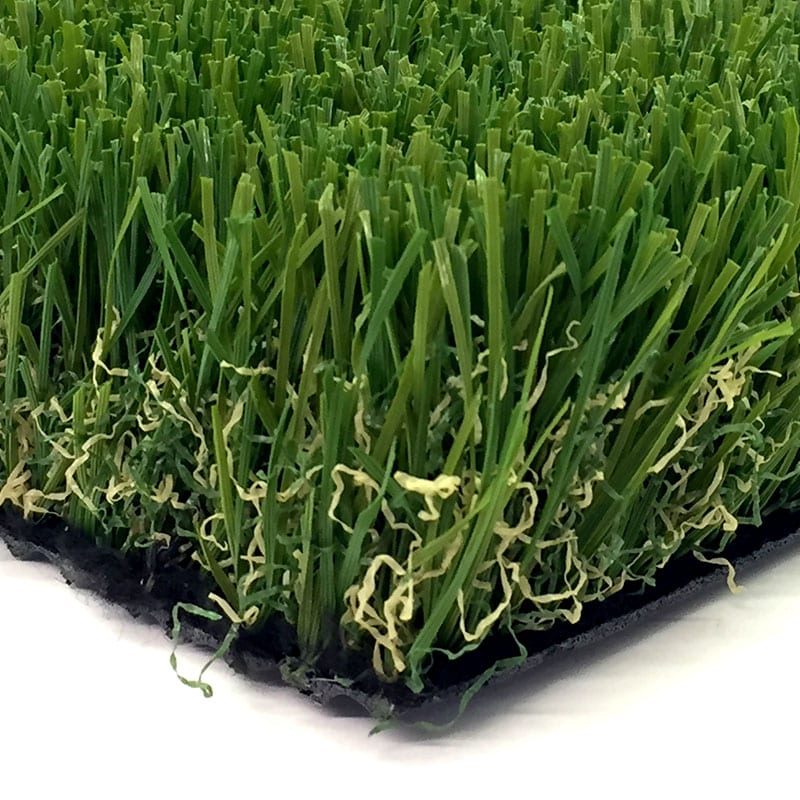
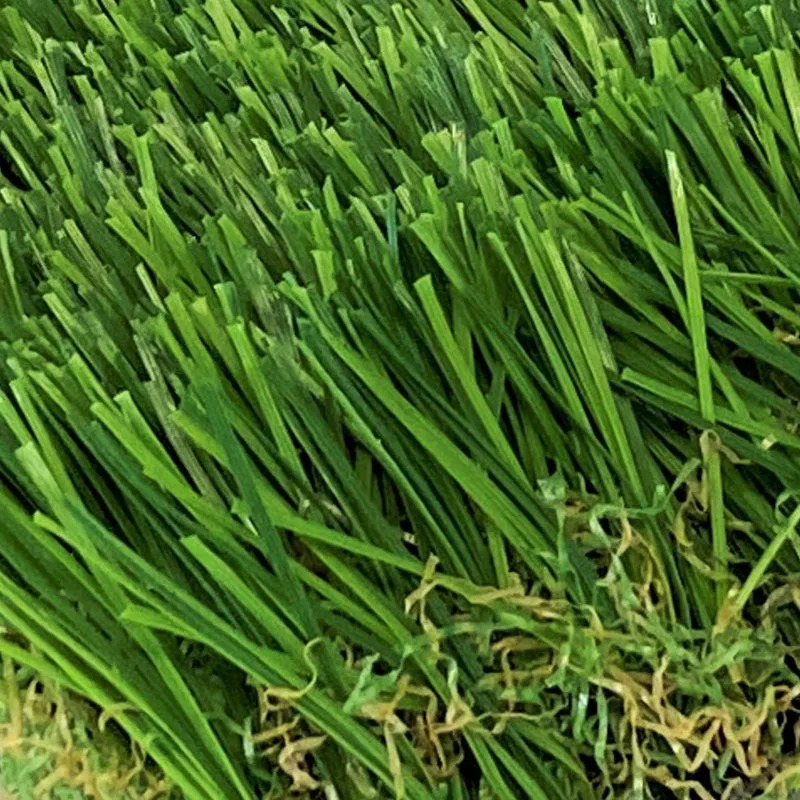
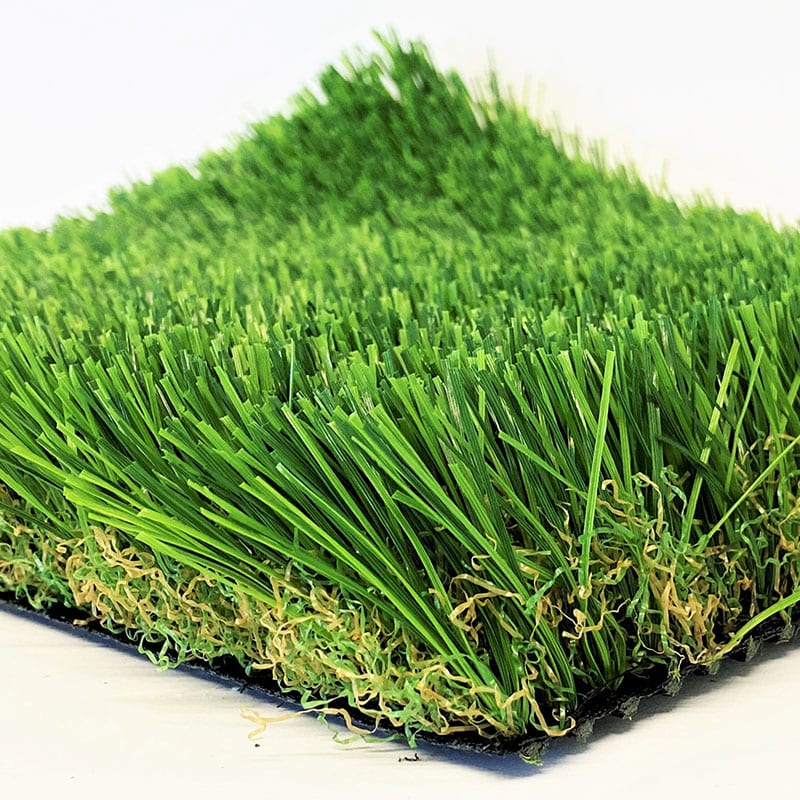
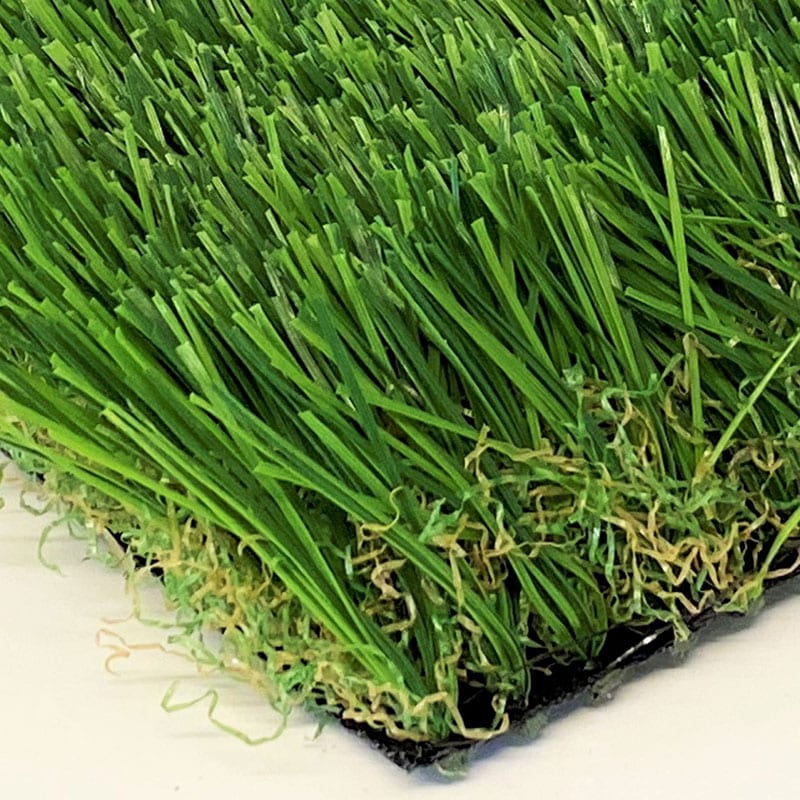
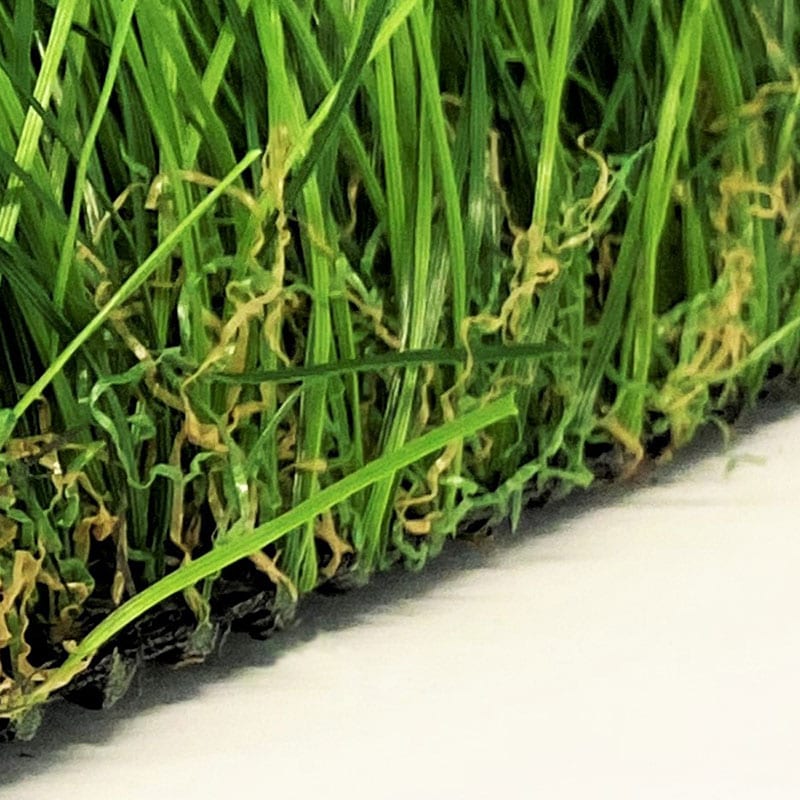
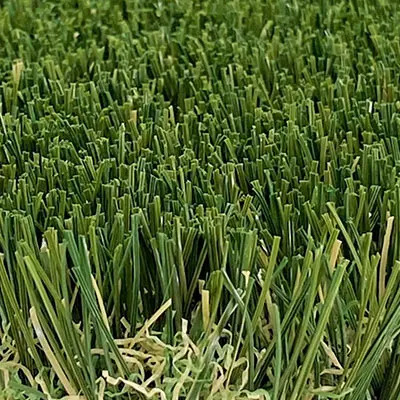
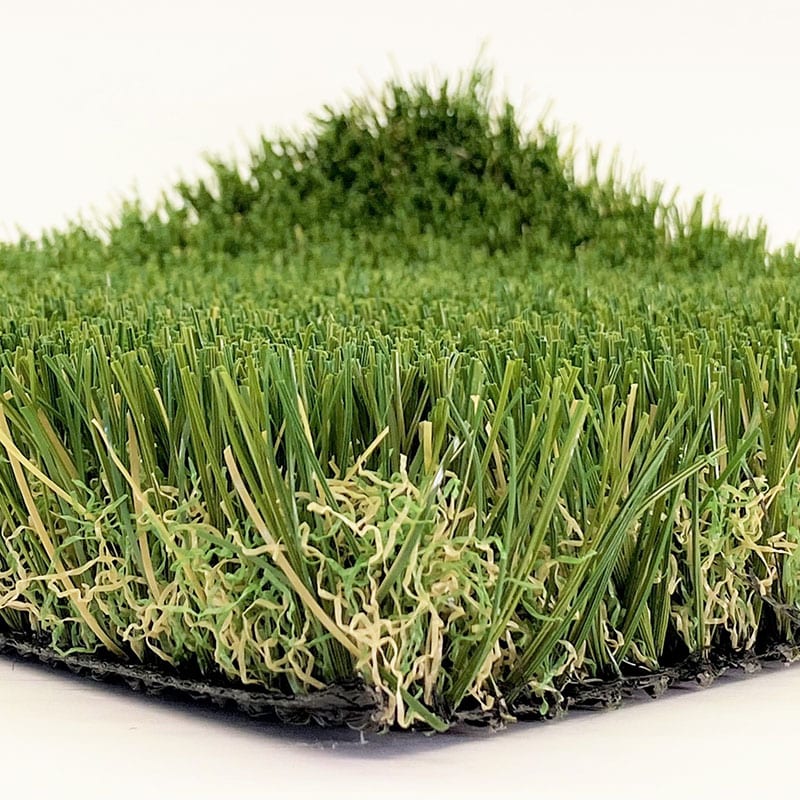
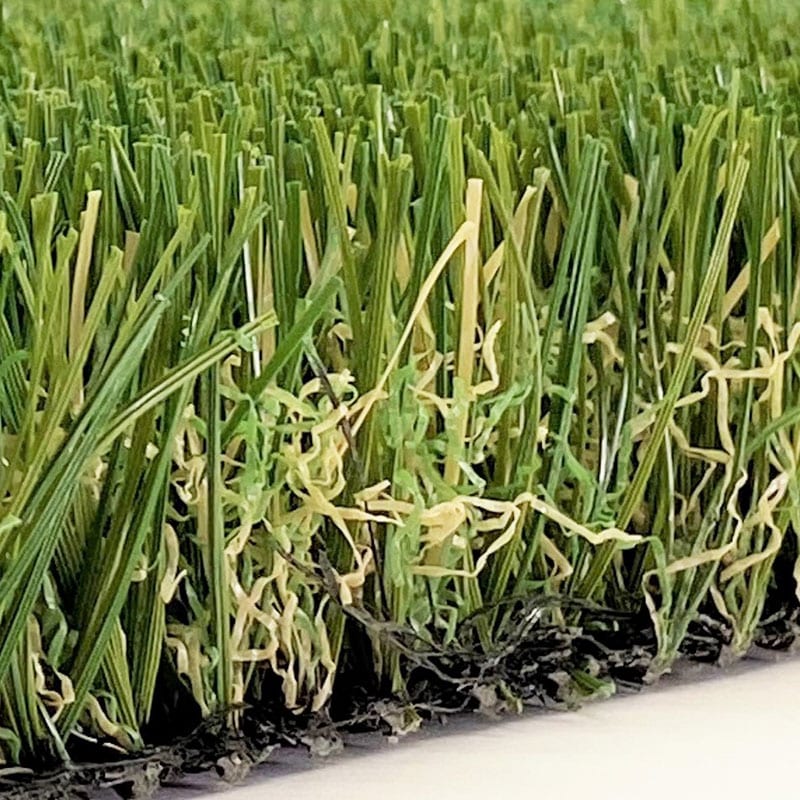
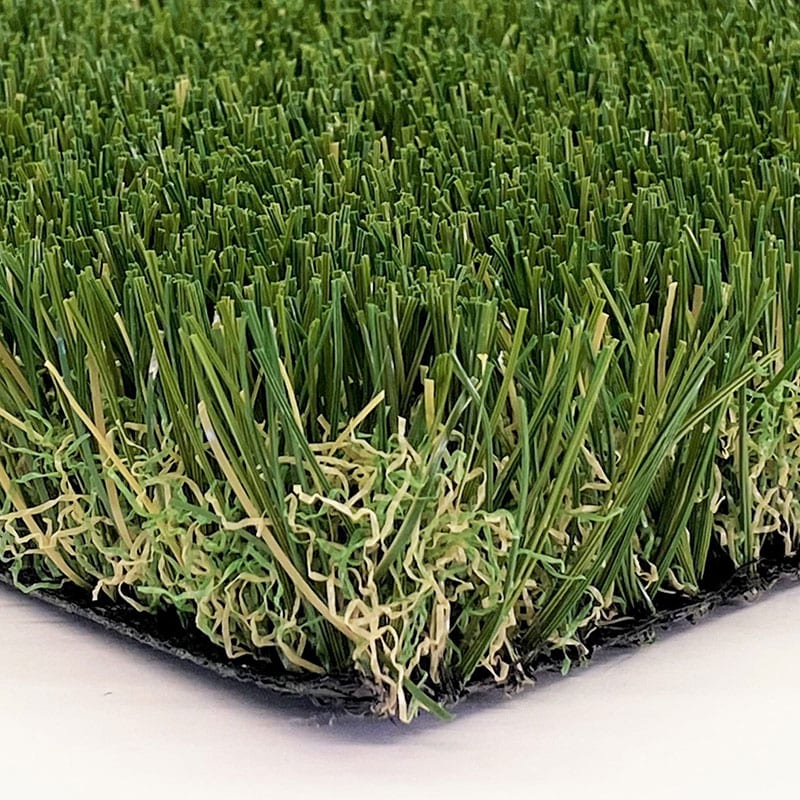
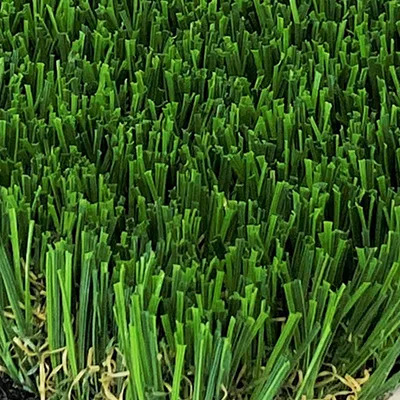
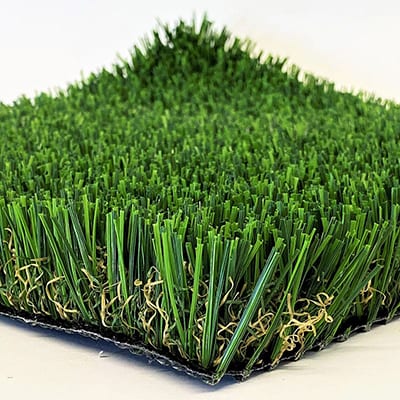
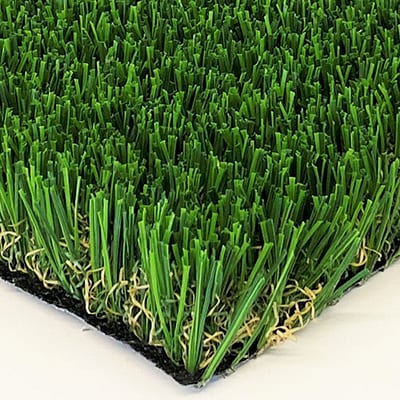
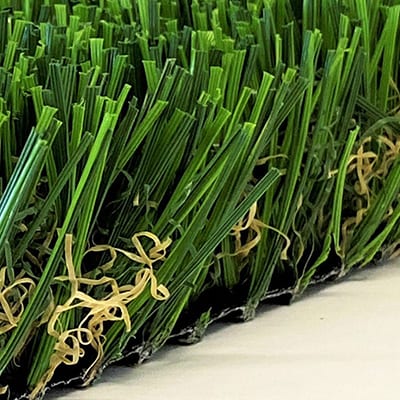
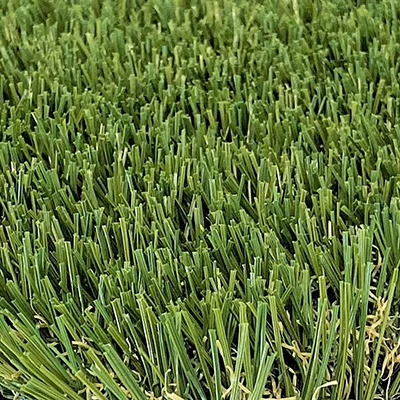
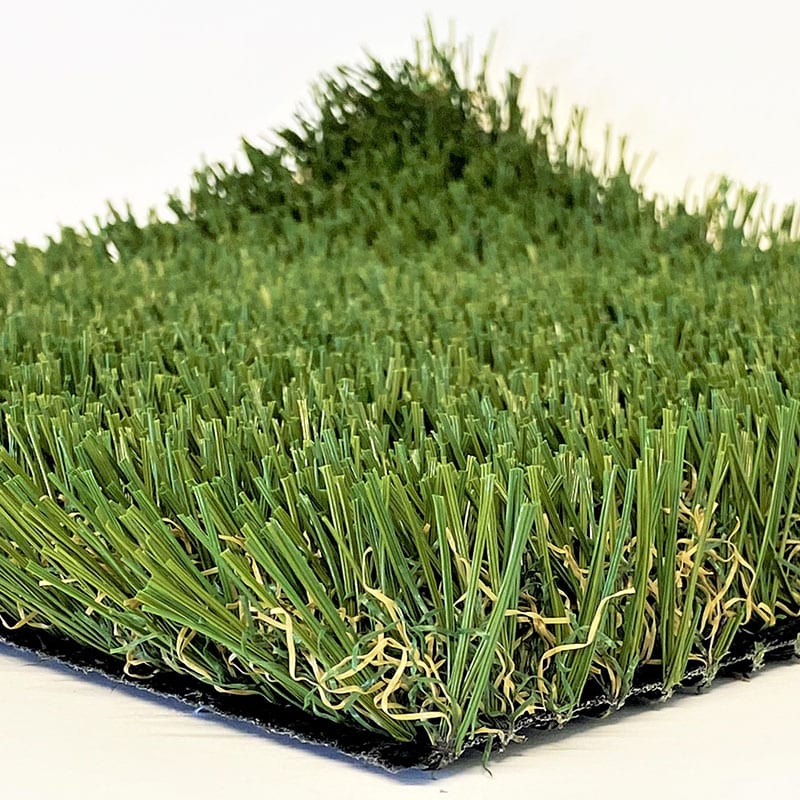
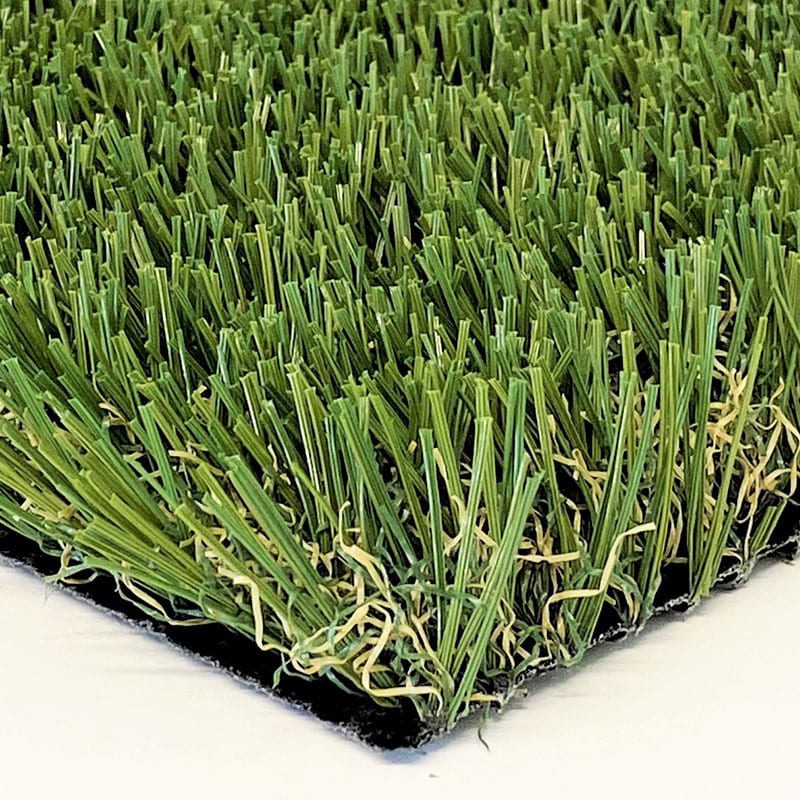
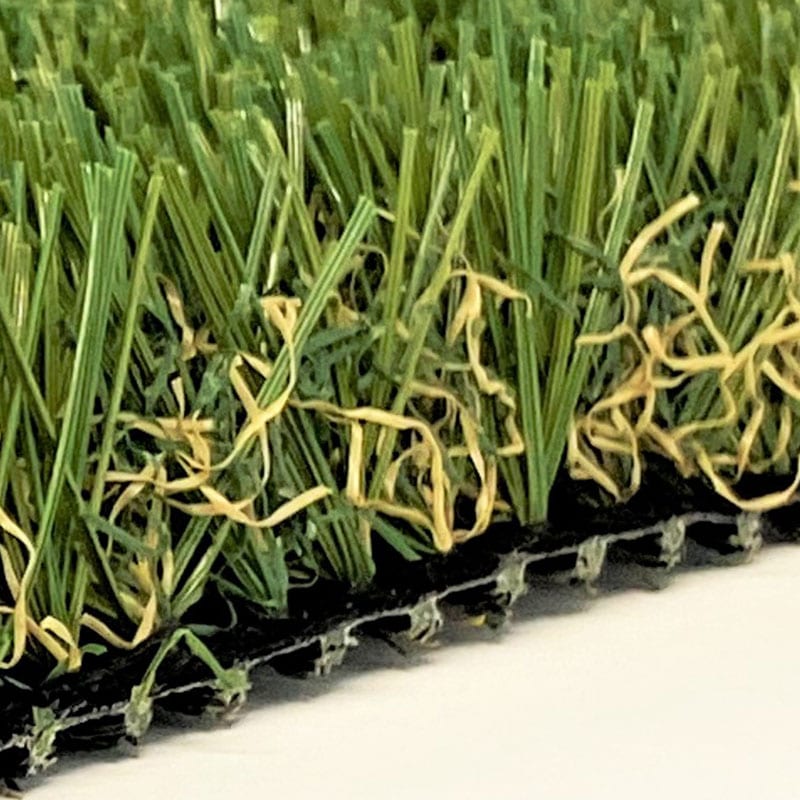
Realism comes down to three construction details: blade shape, multi-tone color, and a curly thatch layer. Flat, single-color blades read as plastic from across the street. Shaped blades with varied tones and a brown or green thatch underneath read as grass.
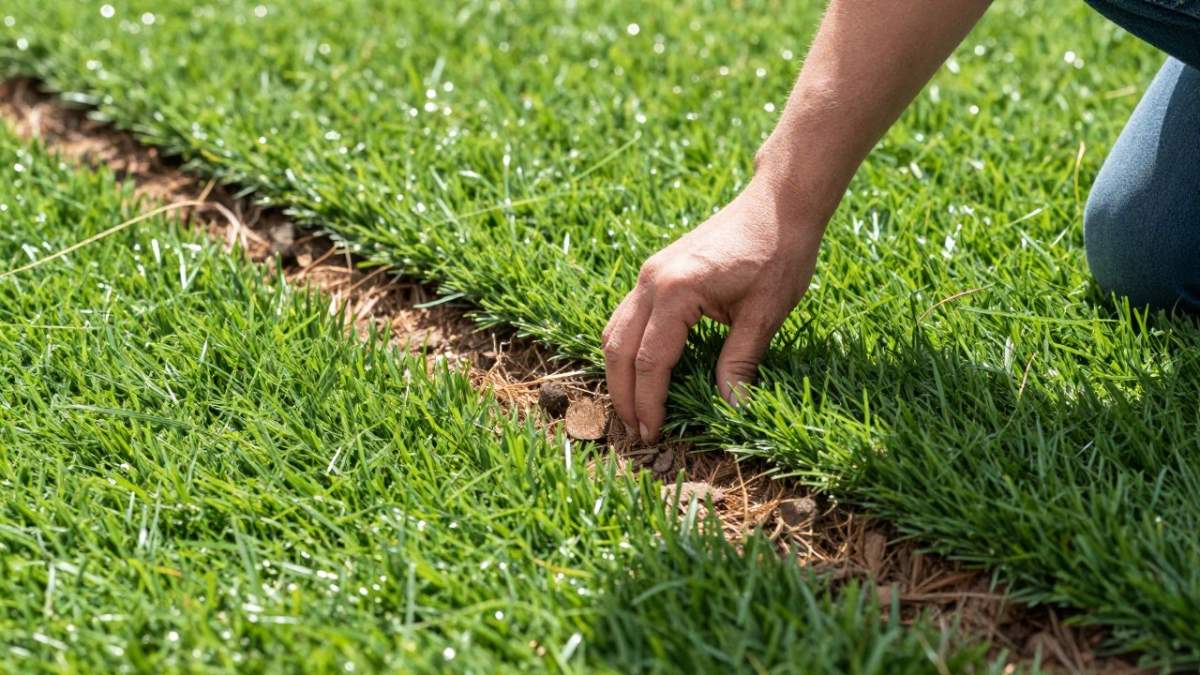
W-shaped and S-shaped blades catch light at different angles, which breaks up the flat sheen that gives fake turf away. Multi-tone coloring adds depth.
Our own turf uses quad-color technology to mimic the natural variation in real grass. To understand how that coloring works and why it matters when judging realism, see what quad color technology means in synthetic turf.
Artificial Turf Installation Cost 2026: What Drives the Number
Installed cost depends on several project conditions, and current prices are best confirmed through a quote from Southern Artificial Turf.
Here is where the money actually goes, and how each line item scales:
- Removal and disposal: Tearing out existing lawn, roots, and old hardscape, then hauling it away. This scales with access, a backyard reachable only through a side gate costs more in labor hours than a front yard a skid steer can reach.
- Base preparation: Excavation to the right depth, crushed stone, and compaction. Base is usually the largest single line after material, and it scales with square footage and how unstable the existing soil is. Clay soils and slopes add work.
- Drainage: Grading, perforated edge drainage, and sometimes a French drain. Flat lots and high-water-table lots cost more because water has to be moved rather than shed.
- Turf material: Face weight, fiber quality, roll width, and pile height drive the per-square-foot material price. Wider rolls mean fewer seams and less waste; narrow rolls mean more seaming labor.
- Labor: Cutting, seaming, infill placement, and power-brooming. Seaming is skilled work and is priced per linear foot, so a yard with many angles and obstructions costs more than a simple rectangle.
Because installation is a construction project priced by site conditions, each project is quoted individually.
When comparing quotes, ask each installer to specify base depth, old-lawn removal, and drainage work in writing.
For a side-by-side look at what price tiers actually buy, read cheap vs premium synthetic grass.
Best Artificial Turf for Dogs and Other Specific Use Cases
The best artificial turf for dogs needs three things: non-abrasive fiber, fast drainage, and a backing that resists odor. Dog claws shred cheap turf. Urine pools when drainage is slow. Both problems come down to construction, not brand marketing.
For pet areas, look for soft polyethylene fibers, a drainage rate measured in inches per hour, and a permeable backing. Our turf drains at 30 inches per hour and uses 100% non-abrasive polyethylene fiber.
Playgrounds, putting greens, and commercial spaces each pull different specs to the front. Small yards have their own constraints, and our roundup of artificial grass options for small yards covers product picks for tight spaces and pets.
Warranty Fine Print, Testing and Total Cost of Ownership
A warranty is only as good as its exclusions.
Total cost of ownership means adding the purchase price, installation, infill top-ups, cleaning, and eventual replacement, then comparing that against years of mowing, watering, and fertilizing.
Watch out: a long warranty from a brand with vague claim terms can leave you paying for replacement yourself. Our breakdown of what artificial grass warranties don’t cover lists the exclusions to check first.
Independent testing is the other piece. Ask whether a brand’s turf has been tested for heavy metals and UV stability.
A Brand-by-Brand Look at the Options on the Market
Brand comparisons only work if you can see the same specs for every option. The table below is deliberately built around the fields a buyer can actually verify, and the column that matters most is the last one: how much the brand publishes.
| Product | Positioning | Key Specs Available | Best For |
|---|---|---|---|
| Southern Artificial Turf | Premium, quad-color | 8-year warranty, 30 in/hr drainage, 100% non-abrasive polyethylene, quad-color fiber | Yards, pets, playgrounds |
| Oasis 85UF | Budget residential | Limited specs published | Cost-focused lawns |
| Oasis 100UF | Residential lawn | Limited specs published | Comparing lawn options |
| Viva 111UF | Premium luxury | Limited specs published | Premium-positioned lawns |
| INTEGRITURF | Brand roundup entry | Contact for pricing | General outdoor spaces |
What most comparisons miss is how little spec data some brands publish. When a product lists no face weight, no drainage rate, and no warranty terms, you cannot compare it fairly. Ask for the full specification sheet before you commit.
A Standardized Way to Score Any Brand
That is the gap we want to close. Instead of asking which brand is “best,” score each candidate on the same five checks and compare the scores:
- Wear and fiber recovery: Does the brand publish results for repeated foot traffic and how quickly fibers spring back? A turf that mats down and stays down has failed regardless of face weight.
- UV exposure: Look for UV-stabilized fiber and any published colorfastness or fading data. Sun exposure is the slow killer of cheap turf.
- Drainage: Ask for a rate in inches per hour, not a vague “drains well.” A published rate lets you compare brands on the same scale.
- Heat performance: Darker, denser turf gets hotter underfoot. Ask whether the brand offers a heat-reflective or lighter-toned option for full-sun yards.
- Fiber recovery after infill settling: How the surface behaves after the infill compacts tells you more about long-term feel than the showroom sample.
A brand that answers all five with numbers is telling you it has nothing to hide. A brand that answers none is telling you something too.
Total Cost of Ownership, Not Sticker Price
Product price is the smallest part of the real comparison. Total cost of ownership adds the installed cost, base preparation, infill top-ups, cleaning, repairs, and eventual replacement, then compares that against years of mowing, watering, and fertilizing. A cheaper turf that mats or fades in a few summers costs more per year than a premium turf that holds its shape.
Climate-Specific Performance
A turf that performs in a mild, dry climate may fail in intense sun, heavy rainfall, or freeze-thaw cycles. Heat and UV drive fading and fiber degradation; rainfall and humidity drive drainage and odor problems; freeze-thaw cycles stress the base and seams. Ask each brand how its product is specified for your conditions, and treat a single national recommendation with suspicion.
Warranty Fine Print and Claim Experience
Compare exclusions, prorating, installation requirements, and the claim process, not just the length. A long warranty with vague claim terms can leave you paying for replacement yourself. Ask in writing what voids coverage and how a claim is actually filed.
Get a Quote From Southern Artificial Turf
Comparing artificial turf brands comes down to specs, not samples. Ask for face weight, pile height, fiber material, drainage rate, and warranty exclusions in writing, then compare every brand on the same sheet.
Southern Artificial Turf builds turf for yards, pet areas, playgrounds, and commercial spaces.
Get started with Southern Artificial Turf and compare your options on facts, not marketing claims.
Most homeowners start this process with a muddy yard and a sample they liked online.
Frequently Asked Questions
What is the best brand of artificial turf for residential use?
There is no single best brand for every yard. Compare artificial turf brands on face weight, blade shape, backing, drainage and warranty terms before you decide. A brand that publishes independent test results and backs its product with a clear written warranty is a safer bet than one that only shows photos. For most homeowners, the right choice is the brand whose specification sheet matches how the lawn will actually be used, whether that is pets, kids or a putting green.
Why is face weight an important factor when comparing turf brands?
Face weight measures how much fiber sits in a square yard of turf, and it is one of the few numbers you can compare across artificial turf brands without guessing. Higher face weight usually means denser fiber and better wear resistance, but it also affects price and heat retention. Ask for the face weight in writing, then check pile height alongside it. A heavy face weight on a short pile behaves very differently from the same weight on a tall, soft blade.
Which artificial turf is the most realistic looking?
Realism comes from three things: blade shape, color variation and thatch. Brands that use multi-tone color, a mix of W-shaped and S-shaped blades, and a curly thatch layer look closer to natural grass than single-color turf. Ask to see a full-size sample in daylight rather than a small swatch. Southern Artificial Turf uses quad-color technology and a non-abrasive polyethylene fiber to replicate the look and feel of natural grass, which is worth checking against any sample you are shown.
What is the best artificial turf for dogs?
The best artificial turf for dogs has short, dense blades, a strong backing and drainage that clears liquid fast. Non-abrasive polyethylene fiber is gentler on paws than some alternatives, and a permeable backing stops urine from pooling. Southern Artificial Turf rates its drainage at 30 inches per hour, which matters for households with multiple dogs. Check the warranty too, since pet damage and odor claims are often excluded or limited in the fine print.
How much does artificial turf installation cost in 2026?
Pricing depends on square footage, site prep, drainage work, infill choice and the brand you select, so no honest figure covers every yard. Installation cost also includes removal of existing grass, base material and compaction, which are often quoted separately. Ask each installer for a line-item quote rather than a single number. Southern Artificial Turf can give you a current quote based on your specific space and use case.