
Last Updated: November 10, 2026
Quick Summary
The best synthetic turf for a high school football field is the one that handles daily practice, game-day traffic, and weather for years. Compare polyethylene and nylon fibers, infill and shock pad choices, drainage capacity, and warranty terms in writing. Judge total cost over about fifteen years, not just the upfront bid.
- Judge turf on fiber design, infill choice, and base construction, not color alone.
- Request line-item bids separating base work, drainage, turf supply, infill, and any shock pad.
- A cheaper system with heavier maintenance can cost more over fifteen years.
- Read warranty exclusions before comparing warranty lengths.
- Ask for test methods and third-party reports behind any safety or traction claims.
Table of Contents
- Types of Turf Football Fields: Fibers, Infill and System Construction
- Comparing the Leading Synthetic Turf Systems for High School Play
- Artificial Turf Football Field Cost: Upfront Price and Lifecycle Spending
- Player Safety, Traction and Durability Under Heavy Use
- Football Field Turf Buying Guide: Specifications and Procurement Checklist
- Synthetic Turf Maintenance for Football Fields and Your Next Step
- Frequently Asked Questions
Choosing the best synthetic turf for high school football fields is a different decision than choosing turf for a backyard or a sports facility used by adults.
Most of the marketing you will read about turf focuses on appearance.
Football places specific demands on a field. Linemen plant and drive, receivers cut hard, and tackling happens on the surface itself. A turf that feels soft in a showroom can feel very different after thousands of footfalls.
Schools also operate on a different calendar than homeowners. A field may sit idle for weeks in summer and then run at full capacity every afternoon in the fall.
Types of Turf Football Fields: Fibers, Infill and System Construction
The fiber, infill, and base layers work together. Changing one changes how the others perform. Before comparing brands, it helps to understand what each layer does and where the trade-offs sit.
Polyethylene Versus Nylon Fibers
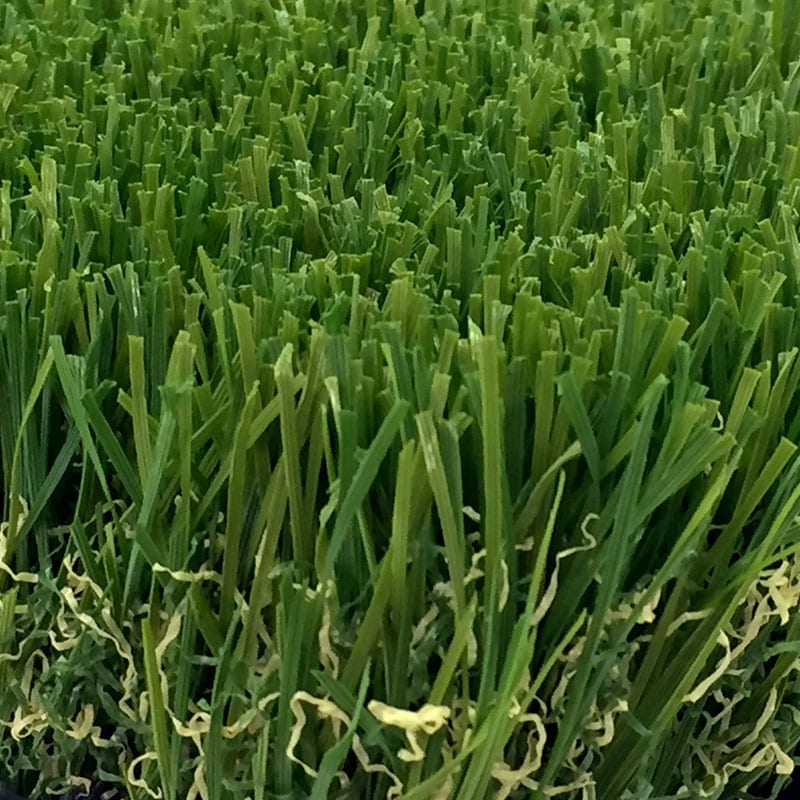
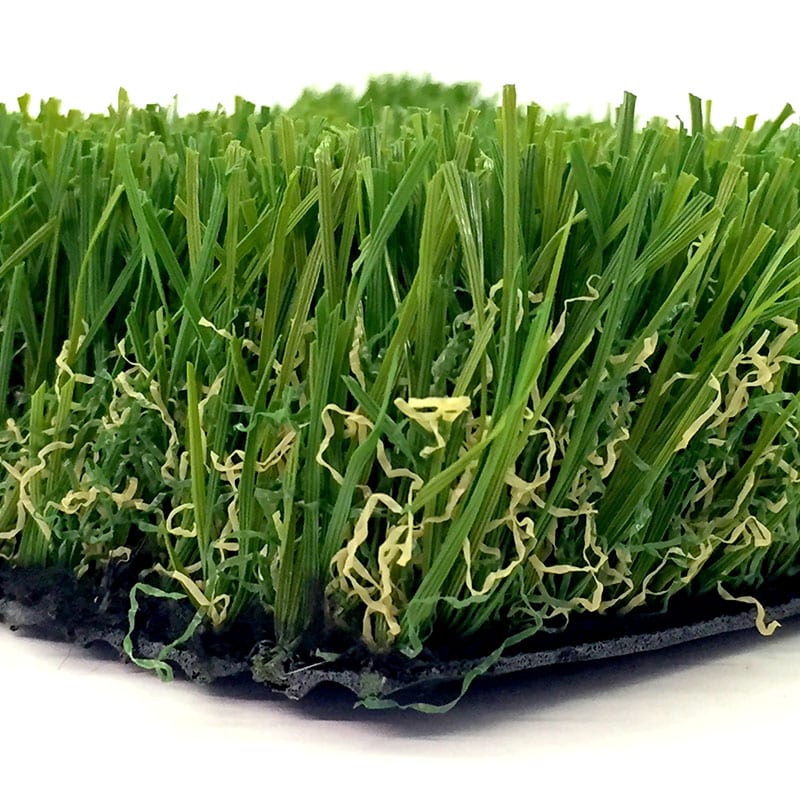
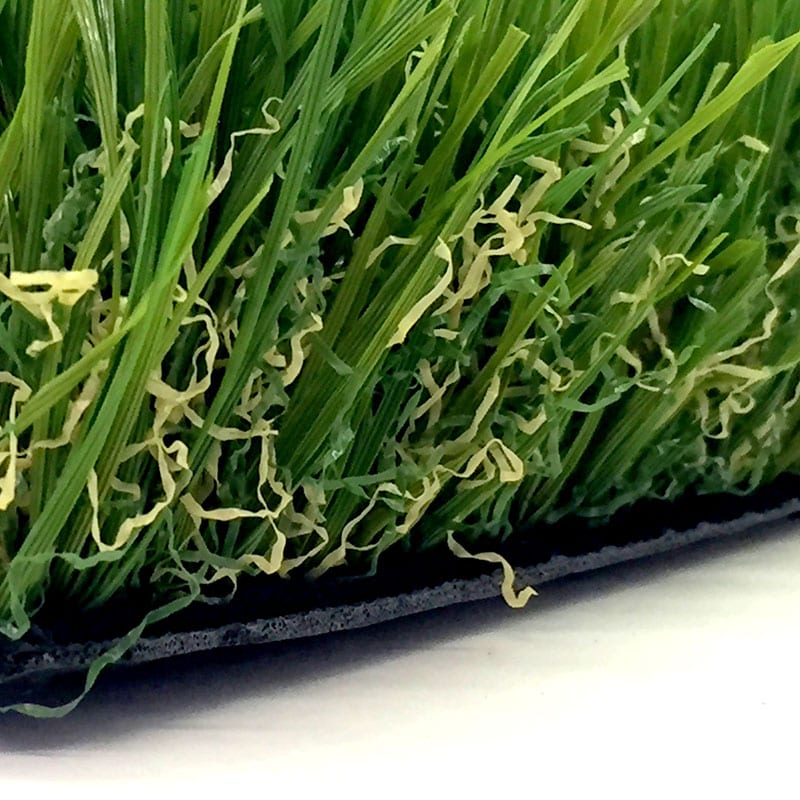
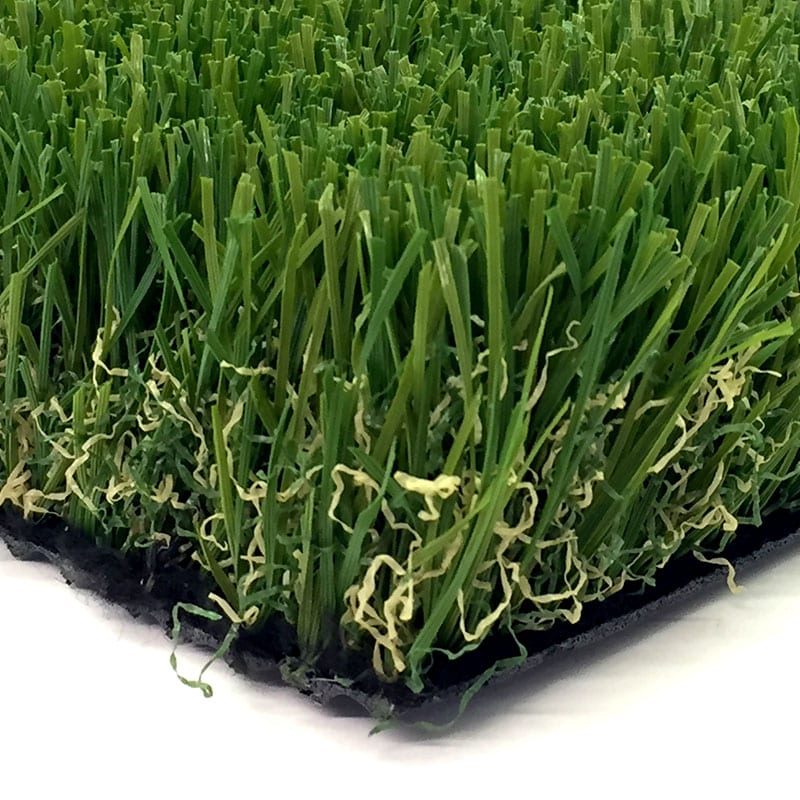
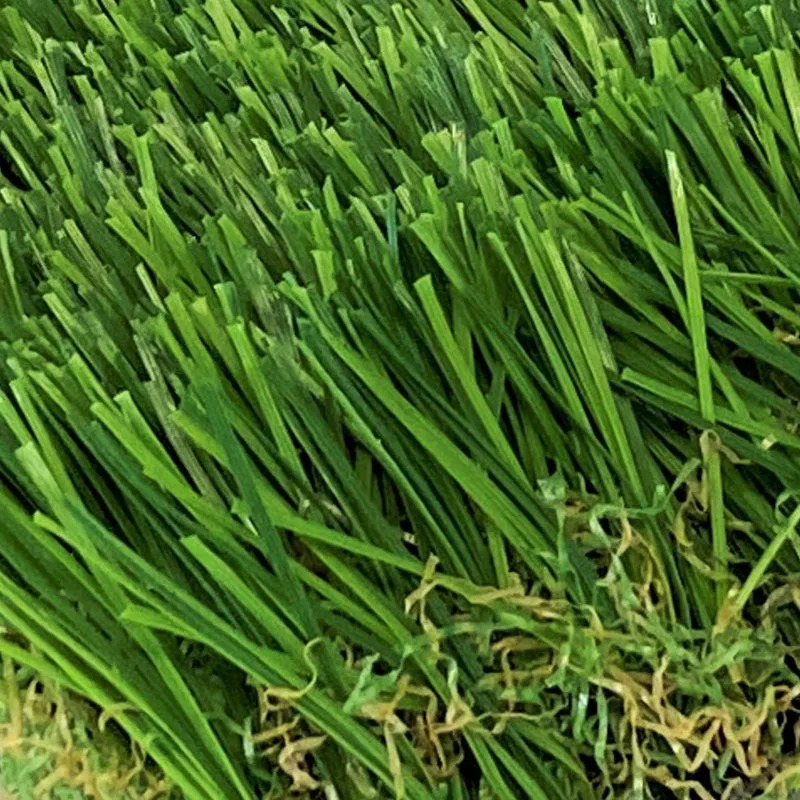
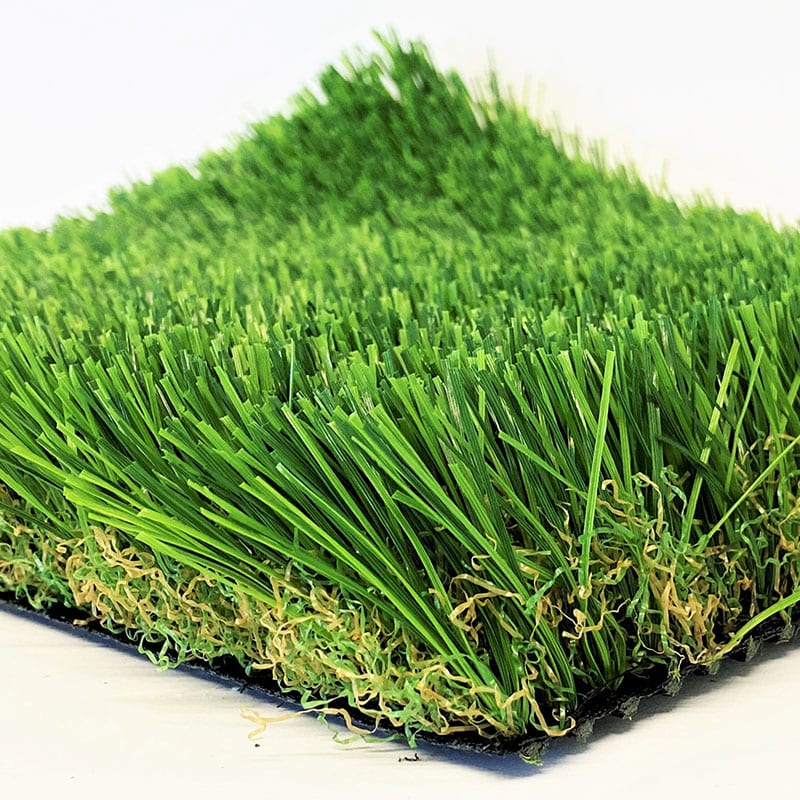
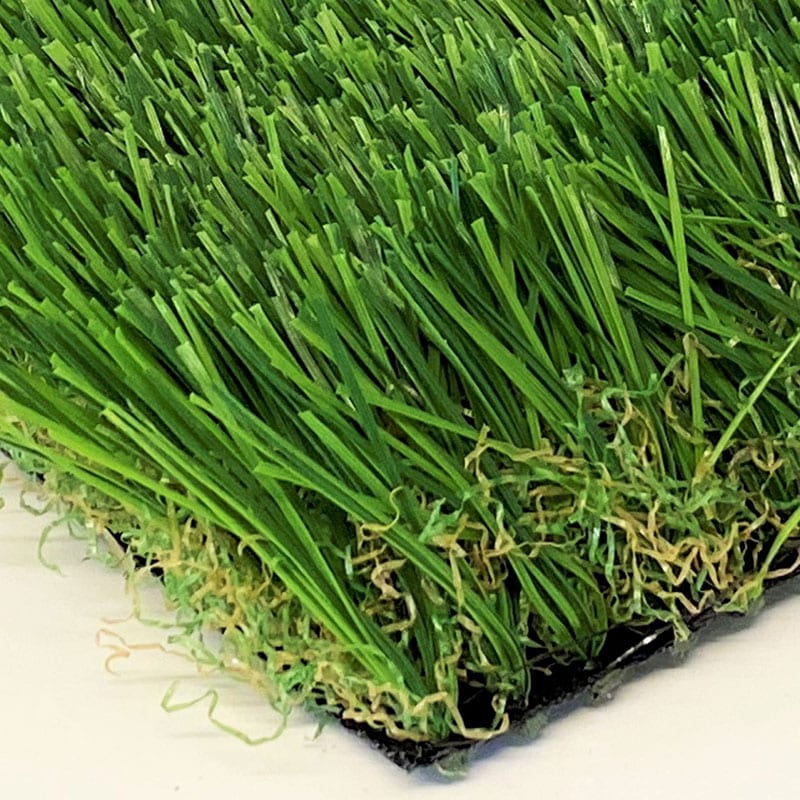
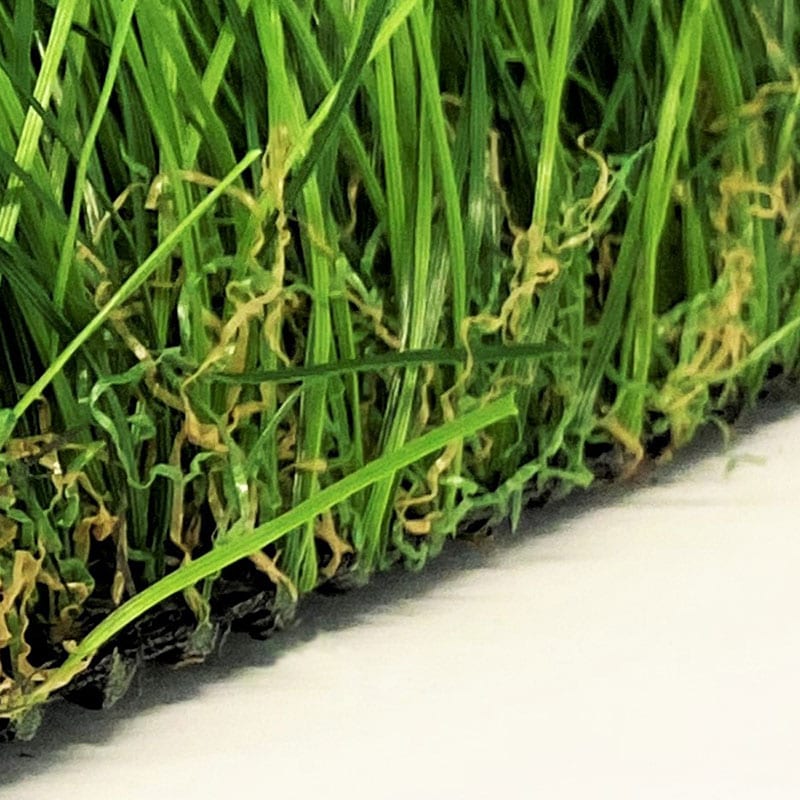
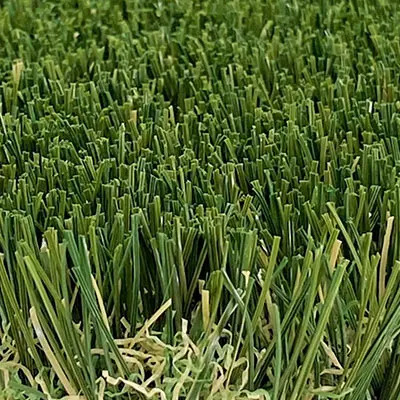
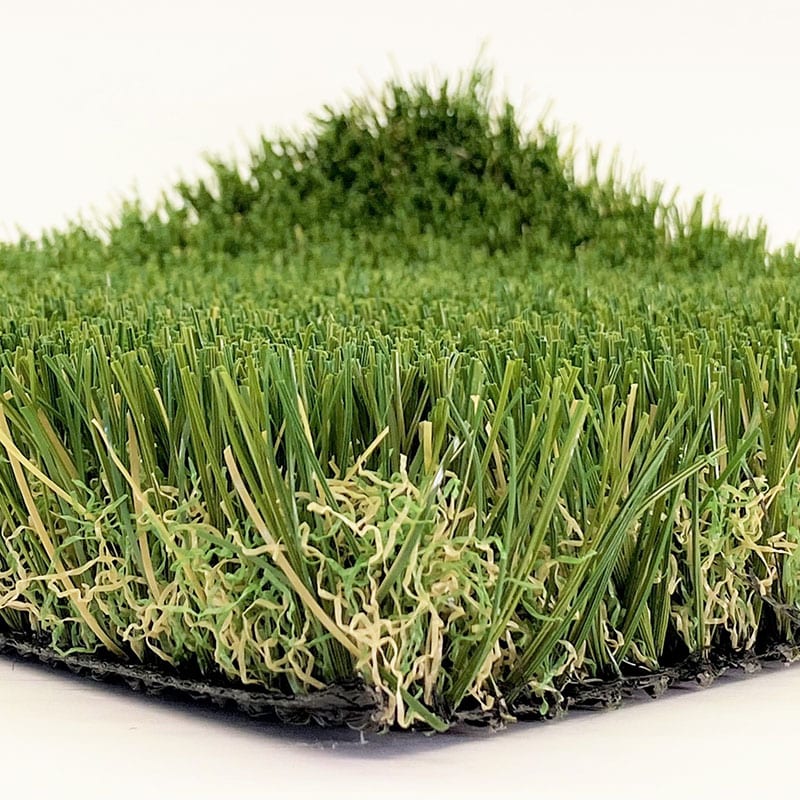
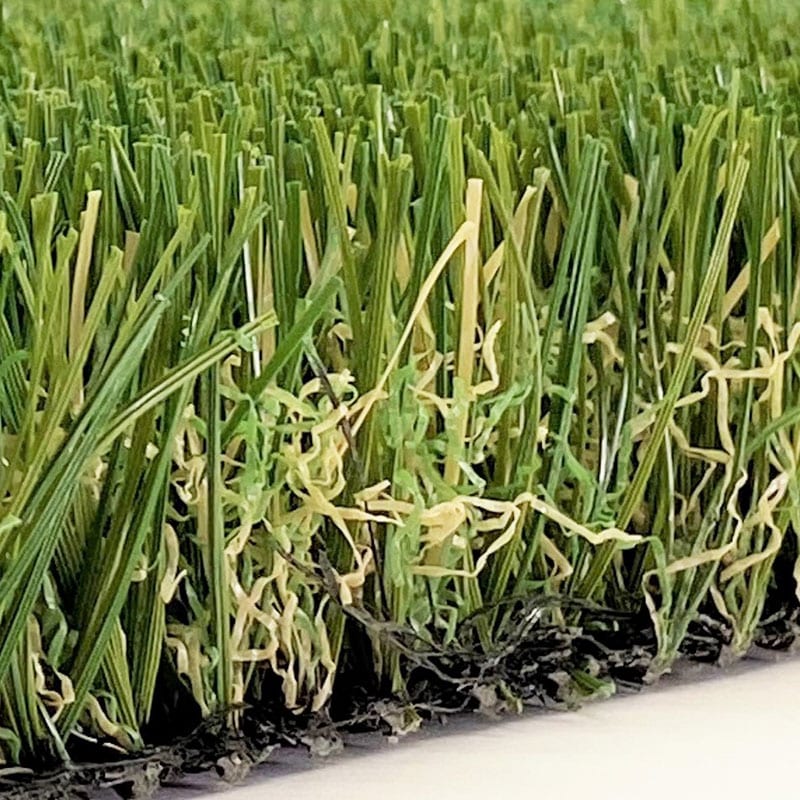
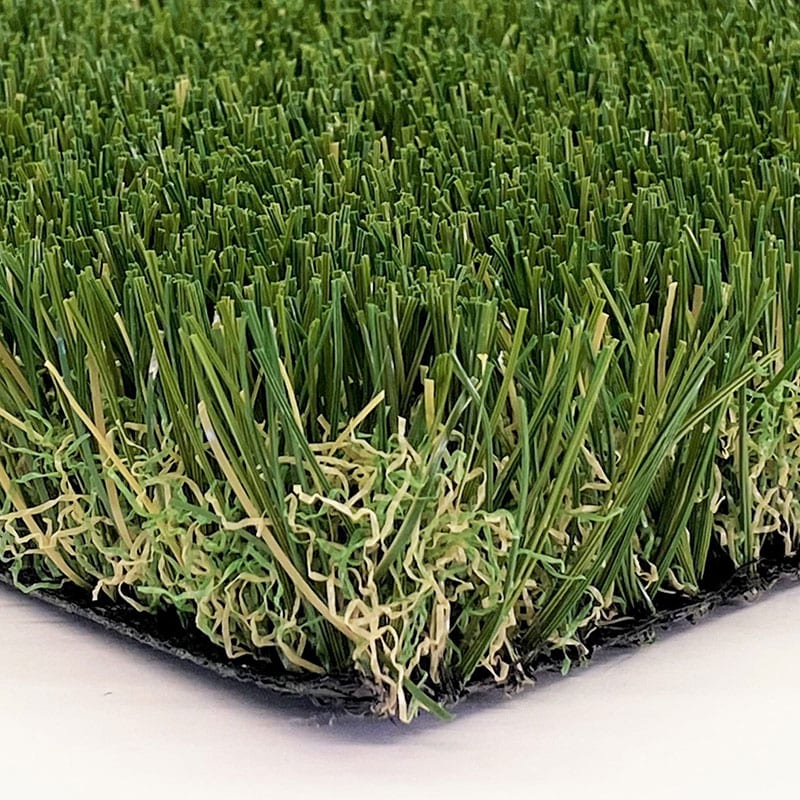
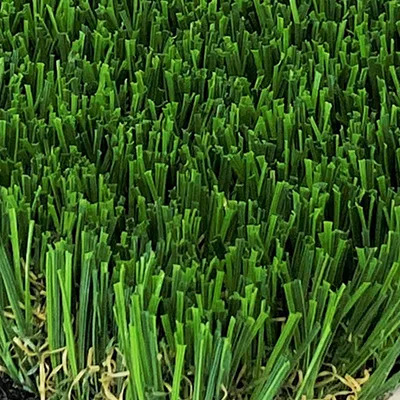
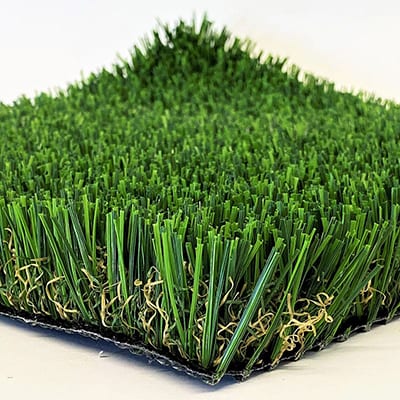
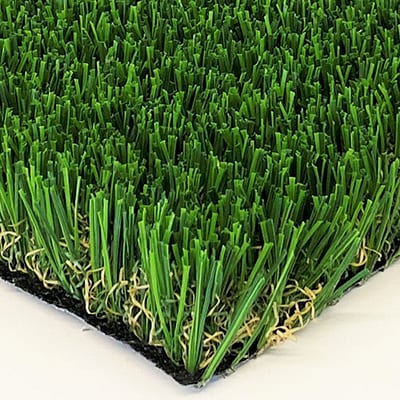
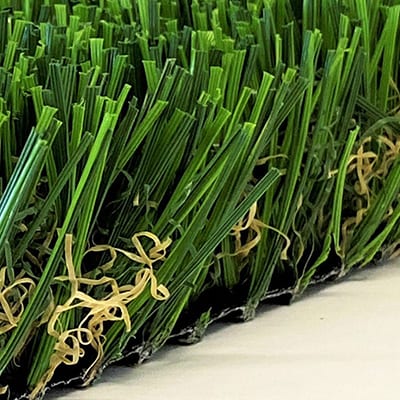
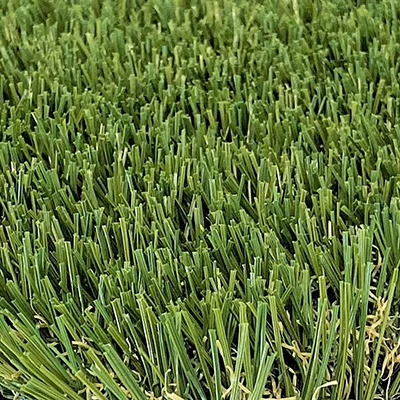
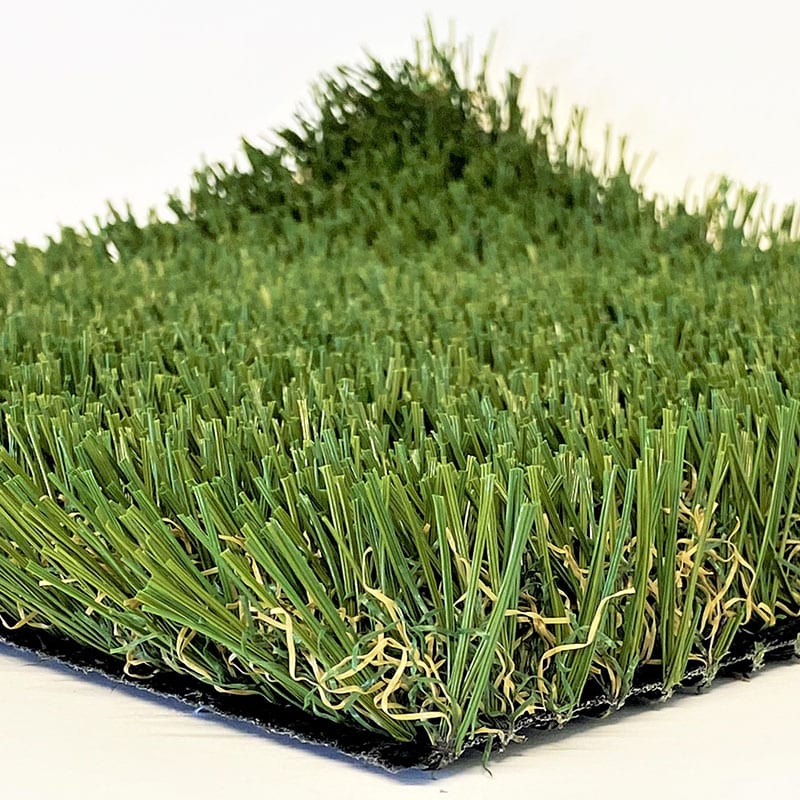
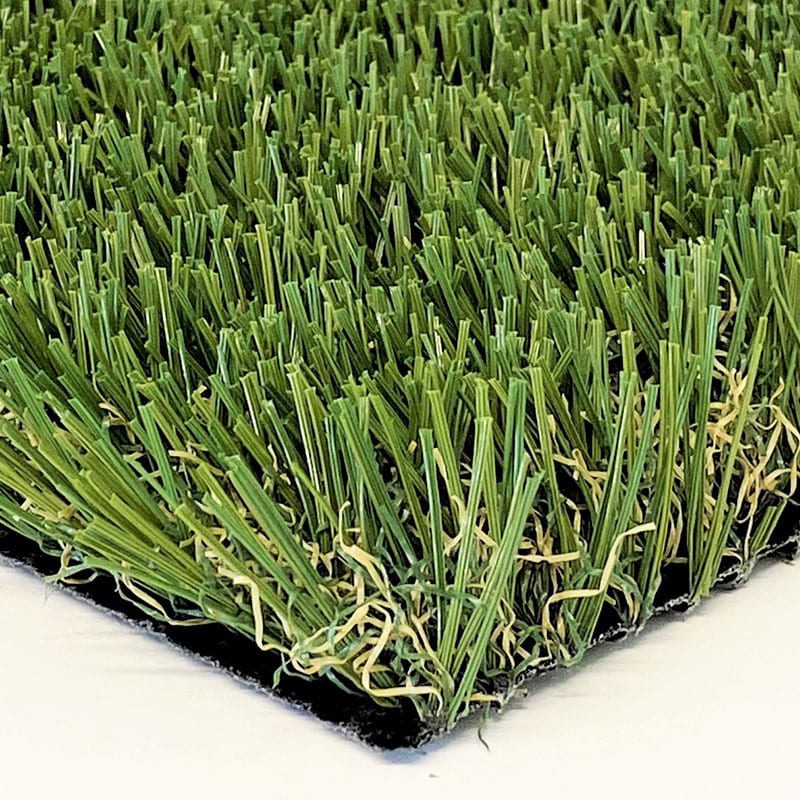
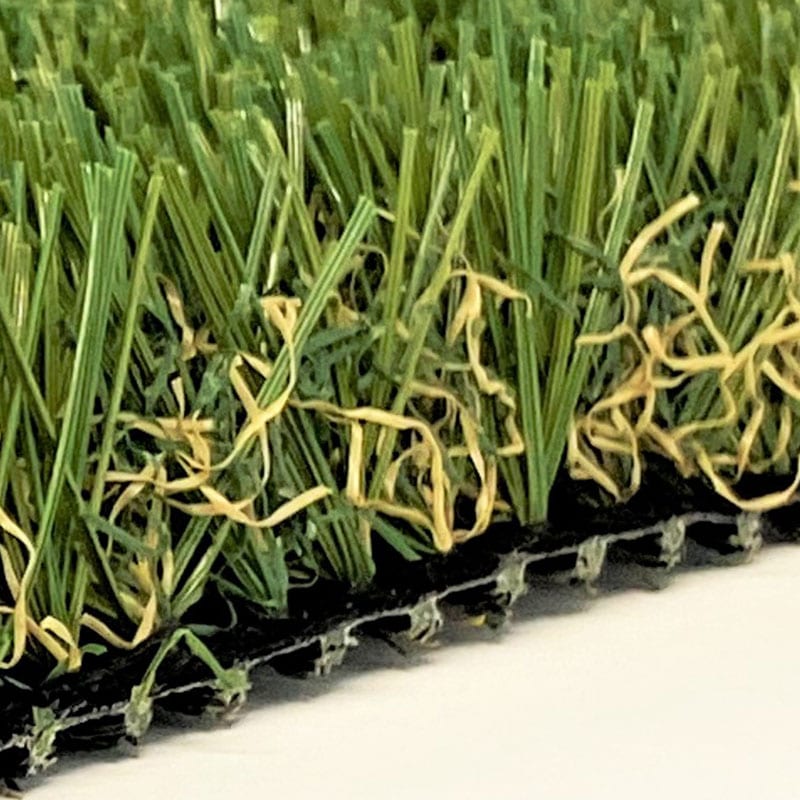
Polyethylene fibers are the most common choice for school football fields. They are generally softer underfoot and tend to be easier on joints during repeated cuts and falls. Nylon fibers are often described as more resilient and strong, which can matter on high-traffic areas, though they usually come at a higher price. Compare polyethylene and nylon fibers side by side to see how they differ in wear and cost. Our own turf uses non-abrasive polyethylene fiber.
Infill and Shock Pad Systems
Infill is the granular material spread between the fibers. It keeps the blades upright, supports the feel of the surface, and affects how a ball bounces. Shock pads sit beneath the turf in some systems and add cushioning for impact. Not every school needs a shock pad, but the decision should be made deliberately during the design stage, since adding one later is difficult. Ask any supplier to state the infill type, its depth, and whether a shock pad is part of the quoted system.
Comparing the Leading Synthetic Turf Systems for High School Play
Several manufacturers present their systems for football fields and high school use. Compare each one on the specifications and warranty terms it provides in writing.
Southern Artificial Turf offers a system with a non-abrasive polyethylene fiber, a drainage capacity of 30 inches per hour and an 8-year warranty.
Be cautious when comparing published claims. Request specification sheets and warranty terms in writing before deciding.
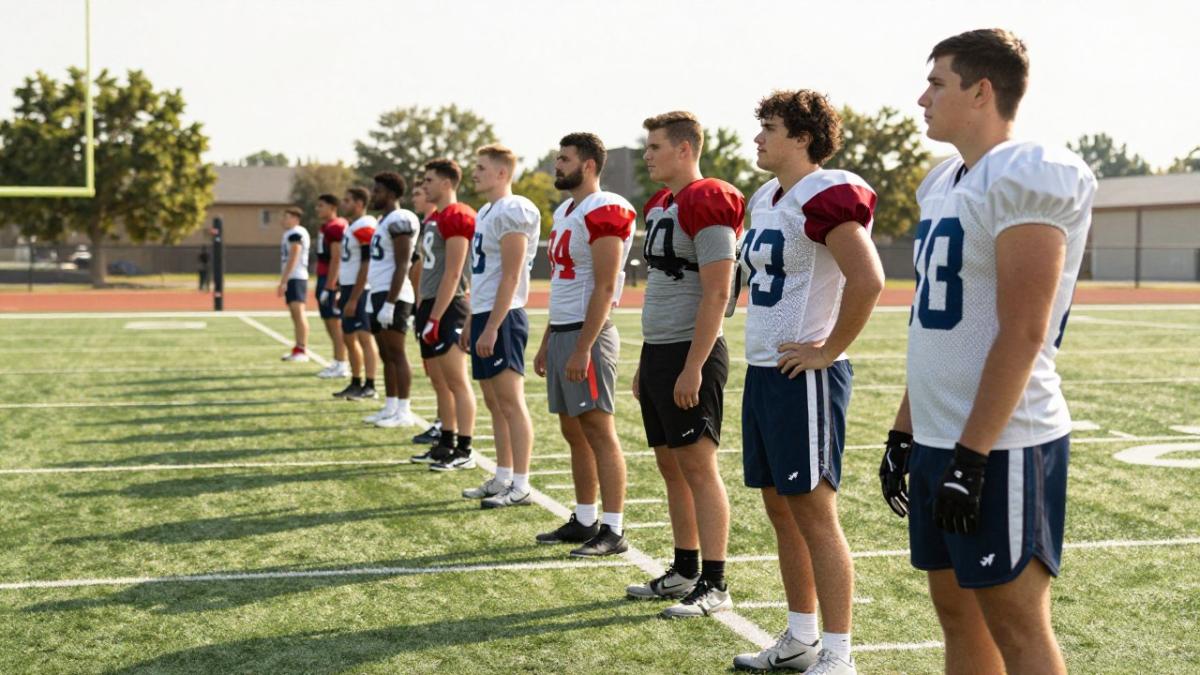
The article names one system’s published specifications, which can be checked against written documents before a decision.
| Item | Value | Note |
|---|---|---|
| Fiber | Non-abrasive polyethylene | Confirm in written specification sheet |
| Drainage capacity | 30 inches per hour | Manufacturer claim; request written data |
| Warranty | 8 years | Review terms in writing |
Artificial Turf Football Field Cost: Upfront Price and Lifecycle Spending
Most school boards first see a single installed-cost number, and that number is the least reliable basis for comparing turf systems. A realistic comparison spreads the cost of each option across the years the field will actually be in service. The upfront figure is only one line in that calculation.
What Drives the Installed Price
Field dimensions and the number of striped sport layouts affect the total square footage and the amount of infill required. Base preparation, which includes excavation, grading, and the aggregate layers beneath the turf, is often the largest single variable on a site with poor native soil.
Because these variables differ between sites, a published per-square-foot figure rarely matches a school’s actual bid. Request line-item bids that separate base work, drainage, turf supply, infill, and any shock pad. Line items make it possible to see which parts of two proposals are genuinely comparable and which are not.
Building a Lifecycle Cost Model
A practical lifecycle model for a high school field covers roughly fifteen years and includes five categories:
- Installed capital cost: the accepted bid, including base work and drainage.
- Routine maintenance: labor and materials for brushing, debris removal, infill redistribution, and periodic inspection.
- Repair reserve: an allowance for seam repairs, localized fiber replacement in high-wear zones such as the hash marks and goal-line areas, and damage from weather or equipment.
- Replacement reserve: the expected point at which the fiber or infill will need renewal. The warranty term sets a floor for this estimate, but the actual service life depends on use intensity, climate, and maintenance discipline.
- Comparison baseline: for natural grass, the recurring costs of water, mowing, fertilizer, aeration, reseeding, and the off-season periods when the field is unusable.
A cheaper system with a shorter warranty and heavier maintenance can cost more over fifteen years than a higher-priced system with a longer warranty and lower upkeep. The model makes that trade-off visible. Ask each supplier to state expected service life in years and to describe what the warranty covers, including whether it is prorated and whether labor is included.
Watch out: Warranty Language Varies
Warranty terms often cover fiber defects but exclude wear, UV degradation beyond a stated threshold, or damage from improper maintenance. Read the exclusions before comparing warranty lengths, since a longer nominal warranty with broad exclusions may protect the district less than a shorter one with clear coverage.
Funding the Project
Districts typically finance turf through general obligation bonds, capital improvement budgets, lease-purchase agreements, or booster and community contributions. Each source has different approval timelines and different constraints on what the funds can cover. See how cheap and premium synthetic grass options compare on upfront price before setting a budget target. Present the lifecycle model alongside the capital request so the board can see the annual cost implied by each option, not only the upfront total. Review a cost-benefit analysis framed for municipal buyers to see how institutions weigh these figures.
Player Safety, Traction and Durability Under Heavy Use
Player safety on synthetic turf is a function of how the surface interacts with cleats and bodies, and that interaction is set by fiber, infill, and base working together. Read guidance on preventing common injuries on artificial sports surfaces for practical steps schools can take. Manufacturer materials often present safety as a single headline figure. A school evaluating turf should instead ask which measurements were taken, under what conditions, and by whom.
Measures That Describe Surface Behavior
Two families of measurement are commonly discussed in turf evaluation. The first concerns shock absorption and impact attenuation, which describe how much of a fall’s force the surface returns to the body. The second concerns traction, which describes the force needed for a shoe to rotate or slide on the surface.
Traction is not simply a matter of more grip being better. High rotational traction can increase loading on knees and ankles during planted cuts, while a surface with very low traction raises slip risk. Designers therefore aim for a middle range that allows controlled movement.
Independent Evidence Versus Manufacturer Claims
Manufacturer pages commonly cite favorable performance results, and some of those results come from in-house testing. This does not make them wrong, but it means they should be treated as starting points. When evaluating a claim, ask whether the test was performed by an accredited third-party laboratory, whether the protocol is named, and whether the data covers the system being sold rather than a similar product line. Peer-reviewed research on turf and injury exists, but findings vary by sport, age group, and surface type, and no single study settles the question for every high school program. A reasonable position is to weigh manufacturer data, third-party test reports, and the field’s own experience with comparable installations.
How Wear Shows Up Over Time
Durability is visible in wear patterns, and high-use zones follow predictable locations. The hash marks, the goal-line areas where linemen repeatedly drive, and the sideline sections near the bench tend to show fiber matting and infill migration first. Ask suppliers how the fiber resists crush and matting, what infill maintenance is needed to keep the surface consistent, and whether damaged sections can be replaced without disturbing the full field. Sectional repairability is a practical advantage for a school that cannot afford to close the entire field for a long period.
Heat and Drainage Affect Safety Too
Surface temperature rises substantially in sun, and a system that becomes hot during late-summer practice is less comfortable and can contribute to heat-related problems if practices are not scheduled and monitored carefully. Light-colored infill and fiber options and shade planning are among the variables schools can consider. Drainage matters for safety as well: a field that holds standing water after a storm is either unplayable or becomes slippery, and the time to recover depends on the base design and the rated drainage capacity. Request the tested drainage rate and the base specification together, since a high rate on the surface means little if the sub-base cannot carry water away.
Watch out: Maintenance Drives Long-Term Performance
A system that performs well when new can change character if infill levels drop or fibers mat down through neglect. Build a maintenance schedule into the bid and budget, and record inspection results so the district can show the warranty holder that the field was maintained as specified.
Football Field Turf Buying Guide: Specifications and Procurement Checklist
Use this checklist when you prepare a request for proposals or compare bids:
- Fiber type and pile height, with written specification sheets
- Infill type and depth
- Shock pad included or excluded, and why
- Drainage rate and base construction details
- Warranty length and what it covers
- Certification to recognized quality standards, and RCRA heavy metal testing results
- Installation timeline and how it fits your school calendar
- Maintenance requirements and recommended service schedule
- References from comparable high school installations
Southern Artificial Turf’s materials meet or exceed EPA standards for RCRA hazardous waste heavy metals, including lead.
Synthetic Turf Maintenance for Football Fields and Your Next Step
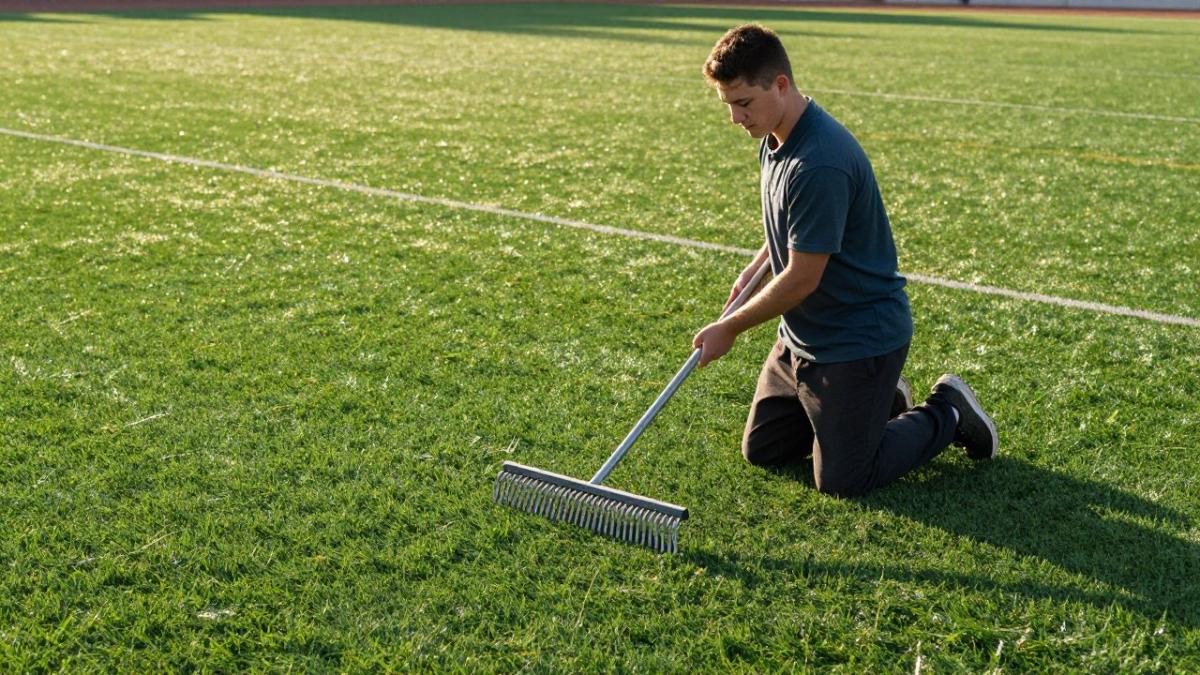
Synthetic turf needs far less upkeep than natural grass. It eliminates the need for watering, mowing, or fertilizing. Routine care usually means brushing the fibers, removing debris, and keeping infill levels even, with periodic inspection of seams and high-wear areas. Follow a practical step-by-step guide to cleaning artificial turf for upkeep between scheduled service. Following the manufacturer’s maintenance schedule protects the warranty.
When you are ready to move forward, start by requesting specification sheets and a written quote for your field size. Contact Southern Artificial Turf for a quote.
Frequently Asked Questions
What is the best artificial turf for a football field?
No single system is best for every school. For high school football, compare fiber type, infill system, shock pad and warranty against your budget and climate. Polyethylene fibers are widely used because they are softer on athletes, while nylon is more resilient under heavy use. Request product specifications and independent performance data from each manufacturer, then match the system to how many hours per week the field will be used and what the local weather demands.
How much does artificial turf cost for a high school football field?
Pricing depends on field dimensions, system specification, quantity of materials, base preparation, drainage work, delivery and installation conditions. Southern Artificial Turf does not publish fixed field prices for this type of project. Contact the team for a quote based on your site and specifications, and compare the total lifecycle cost, including expected replacement timing and maintenance, rather than only the installed price.
How long does synthetic turf last on a high school football field?
Lifespan depends on the fiber, infill, installation quality and how heavily the field is used. Look for a written warranty and ask the manufacturer what wear performance it has tested. Regular brushing, debris removal, infill top-ups and prompt repair of seams or damaged areas extend the usable life of the field and protect the performance of the surface for athletes.