
Table of Contents
- Is Synthetic Grass Safe for Small Children: What Parents Need to Know
- Chemical Safety: PFAS, Lead, and Heavy Metals in Synthetic Turf
- Synthetic Turf Heat Safety for Children
- Bacterial Growth, Hygiene, and Sanitization
- How to Clean Artificial Grass for Kids
- Artificial Grass vs Natural Grass for Playgrounds
- Installation Standards and Fall Safety
- Long-Term Durability and Microplastics Concerns
- Frequently Asked Questions
Last Updated: September 23, 2026
Is Synthetic Grass Safe for Small Children: What Parents Need to Know
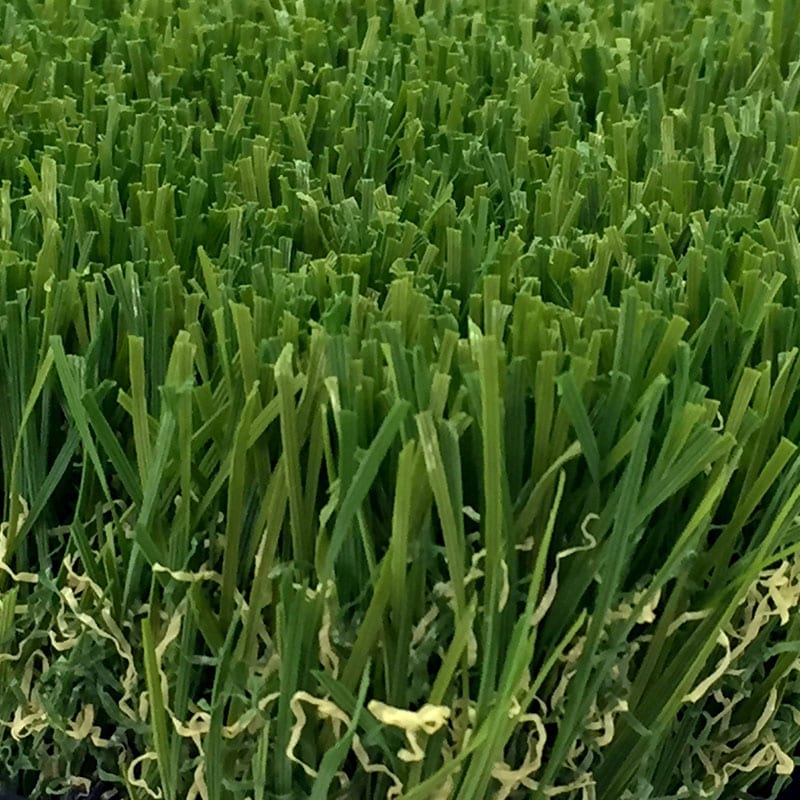
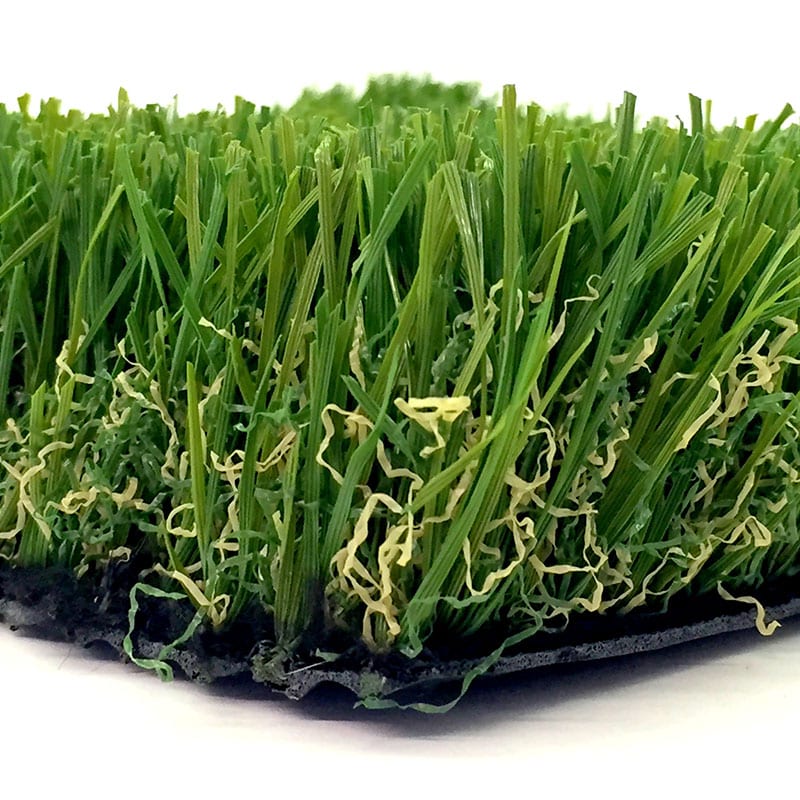
Synthetic grass safety depends on material choices, installation quality, and maintenance. At Southern Artificial Turf, we’ve designed our products with child safety as a core consideration, using 100% non-abrasive polyethylene fibers and meeting or exceeding EPA standards for heavy metals including lead. Below, we’ll walk you through the specific safety factors that actually matter when deciding if synthetic grass is right for your family.
Quick Safety Summary:
- Chemical exposure risk depends on infill material and fiber composition
- Heat retention is real but manageable with proper installation
- Bacterial growth is preventable through regular cleaning
- Professional installation and quality materials significantly reduce safety concerns
- is synthetic grass safe for small children ultimately comes down to choosing the right product and maintaining it properly
Chemical Safety: PFAS, Lead, and Heavy Metals in Synthetic Turf
The most common concern involves chemical exposure. Modern synthetic grass eliminates PFAS and heavy metals when properly manufactured, but the infill material is where the real distinction lies.
Quality synthetic grass fibers (polyethylene and polypropylene) are lead-free and PFAS-free by design. The infill material, what sits between and on top of the grass blades, is where chemical exposure risk concentrates.
Infill Material Safety Comparison:
Recycled Crumb Rubber Infill (traditional, cost-effective)
Recycled crumb rubber comes from shredded tires and can contain heavy metals (zinc, lead) and PAHs (the EPA). While the EPA has not classified it as hazardous, pediatric health organizations have raised concerns about long-term exposure, particularly for young children who mouth materials. Crumb rubber carries the highest chemical exposure risk of all infill options. If you choose it, request third-party testing documentation showing heavy metal levels and PAH concentrations.
Sand-Based Infill (silica sand or coated sand)
Silica sand is inert and chemically stable, making it safer than crumb rubber. The primary concern is silica dust inhalation during installation and maintenance. Coated sand reduces dust further. Sand drains well, stays cooler, and introduces minimal chemical risk, though it provides less shock absorption than crumb rubber.
Organic/Bio-Based Infill (cork, coconut husk, recycled plant material)
Organic infill options made from cork, coconut husk, or plant-based materials eliminate chemical contamination entirely and are safe for children who mouth materials. They stay cooler than crumb rubber but cost 20-40% more and last 5-10 years versus 10-15 years for crumb rubber or sand systems.
Hybrid Systems (combination of materials)
Some premium installations use a hybrid approach: a lower layer of crumb rubber for shock absorption combined with a top layer of sand or organic material to minimize direct skin contact with rubber. This approach balances safety, performance, and cost, though it increases installation complexity.
How to Evaluate Infill Safety:
When evaluating is synthetic grass safe for small children, ask your installer: (1) What infill material is included? (2) If crumb rubber, request third-party test reports for heavy metal levels and PAH concentrations. (3) If sand, confirm it’s washed silica sand or coated sand. (4) If organic, verify the material source and expected lifespan. (5) Can you request a different infill material than the default?
If your installer offers only one option and won’t discuss alternatives, that’s a sign they’re prioritizing cost over customization.
Dermal exposure risk from modern synthetic grass fibers is minimal when manufactured to current standards. Ingestion risk primarily affects toddlers who mouth materials, so choosing safer infill matters more than the fiber itself. For children under 3, organic or sand infill is the safer choice despite higher cost.
Always request a Safety Data Sheet (SDS) or third-party testing report from your installer, specifically for the infill material. Reputable companies provide this documentation without hesitation. If a manufacturer won’t share infill test results, that’s a red flag, it often means they’re using lower-cost crumb rubber and don’t want scrutiny.
Synthetic Turf Heat Safety for Children
Synthetic grass absorbs and retains more heat than natural grass. Surface temperatures can reach 140-160°F on hot days, compared to 80-90°F for natural grass, creating discomfort and potential burn risk for barefoot children.
Heat retention depends on fiber color, infill type, drainage design, and climate. Proper drainage systems (like Southern Artificial Turf’s 30 inches per hour capacity) allow air circulation underneath the turf, reducing heat buildup. Lighter-colored infills and UV-resistant fibers also minimize the problem.
In warm climates, choose synthetic grass with heat-reduction features. Ask your installer about infill options designed for heat mitigation.
Encourage children to wear shoes during peak heat hours (10 AM to 4 PM), and rinse the surface with a hose before playtime to cool it down.
Dark-colored synthetic grass in direct sunlight can become uncomfortably hot for bare feet within 30 minutes on summer days above 90°F. This isn’t just discomfort, prolonged contact can cause minor burns on sensitive skin. Choose lighter infill colors and verify heat-reduction features before installation.
Bacterial Growth, Hygiene, and Sanitization
Both natural and synthetic grass harbor bacteria and pathogens. Synthetic grass doesn’t dry out the same way, so moisture can linger and bacteria accumulate without proper maintenance.
Bacteria thrive in warm, moist environments without air circulation. Proper drainage capacity (like Southern Artificial Turf’s 30 inches per hour) ensures water moves through the system rather than pooling.
Establish a cleaning routine: sanitize synthetic grass every 2-4 weeks by rinsing with a hose and applying a child-safe disinfectant spray designed for synthetic turf.
How to Clean Artificial Grass for Kids
Cleaning synthetic grass for children requires products and methods that eliminate bacteria without introducing new chemical hazards. The process is straightforward but consistency matters.
Basic cleaning routine:
- Weekly: Rinse with a garden hose to remove debris and dust
- Bi-weekly: Spray with a child-safe disinfectant designed for synthetic turf (avoid bleach-based cleaners)
- Monthly: Deep clean with a specialized synthetic turf cleaner and allow to dry thoroughly
- After heavy rain: Rinse to prevent standing water and bacterial growth
Synthetic grass maintenance is lighter than fertilizing, mowing, and treating natural grass for weeds and pests. Choose a product that doesn’t require harsh chemicals.
For families with pets, rinse the area immediately after accidents, then sanitize weekly to prevent ammonia buildup and odor.
Invest in a synthetic turf-specific cleaner rather than using household products. These are formulated to kill pathogens without degrading the fibers or leaving residues that could irritate children’s skin. Budget for this as part of your maintenance plan.
Artificial Grass vs Natural Grass for Playgrounds
Natural grass stays cooler and biodegrades naturally, but requires pesticides and fertilizers that introduce chemical exposure, wears down in high-traffic areas, and becomes muddy and wet in many climates.
Synthetic grass provides consistent playing surface, eliminates chemical lawn treatments, and requires no mowing or fertilizing. For playgrounds, it’s increasingly the safer choice because installation standards are higher and maintenance protocols are established.
| Factor | Synthetic Grass | Natural Grass |
|---|---|---|
| Chemical exposure | Controlled (if properly manufactured) | Pesticides and fertilizers required |
| Surface consistency | Uniform year-round | Degrades in high-traffic areas |
| Heat retention | Higher (manageable with design) | Lower, stays cooler |
| Bacterial risk | Requires active cleaning | Naturally lower but still present |
| Maintenance burden | Low (cleaning only) | High (mowing, fertilizing, weeding) |
| Mud and standing water | Eliminated | Common in wet climates |
The choice depends on your climate, how intensively the space will be used, and your tolerance for maintenance.
Installation Standards and Fall Safety
Professional Installation Standards:
DIY Installation: Cost Savings vs. Safety Risks
Base Preparation Failures
Most DIY installations skip or under-do base compaction. Professional installers use plate compactors to achieve 95%+ compaction density, essential for stability and drainage. An under-compacted base causes the turf to shift under children’s weight, creating uneven surfaces and trip hazards.
Cost-Benefit Analysis:
When DIY Might Be Acceptable:
Questions to Ask Professional Installers:
- Do you follow ASTM F1936 or F1292 standards? (Ask for documentation.)
- What base preparation equipment do you use, and what compaction density do you achieve?
- Can you provide impact attenuation test results or calculations for the installed system?
- What is your warranty on seaming and drainage? (Reputable installers warranty seams for 5+ years.)
- Do you carry liability insurance? (This matters if installation defects cause injury.)
- Can you provide references from customers with young children? (Call them and ask about durability and safety.)
DIY synthetic grass installation is tempting to save money, but failure to compact the base, install adequate drainage, or create proper seams creates safety hazards that far exceed the installation savings. Professional installation is worth the investment when children’s safety is at stake. If cost is a barrier, consider a smaller installation area or phased approach rather than compromising on installation quality.
Long-Term Durability and Microplastics Concerns
As synthetic grass ages, fibers degrade and shed microplastics. This is a real concern, but the timeline and impact depend on product quality and maintenance.
Frequently Asked Questions
Does synthetic grass contain lead or PFAS?
Quality synthetic grass products are manufactured to be lead-free and non-toxic. Products meeting EPA standards for RCRA hazardous waste testing ensure heavy metals are below safety thresholds. However, infill materials vary by manufacturer. When selecting synthetic grass safe for children, verify that the product meets EPA standards and uses non-toxic polyethylene or polypropylene fibers. Always request documentation of third-party testing results from your installer.
What is the downside of artificial grass for small children?
Surface temperature is the primary concern in direct sunlight, especially in warm climates where synthetic grass can reach 140°F or higher. Children can experience discomfort or heat-related issues if exposed for extended periods. Additionally, improper installation or maintenance can lead to bacterial accumulation and drainage issues. Choosing quality materials with proper drainage (30 inches per hour capacity minimum) and scheduling regular sanitization reduces these risks significantly.
Does mold grow under artificial grass?
Mold and mildew can develop if drainage is inadequate or if moisture accumulates beneath the turf. Proper installation with adequate base preparation and drainage systems prevents moisture buildup. Regular cleaning and allowing the surface to dry between uses are essential maintenance steps. High-quality installations include drainage capacity specifications and proper grading to prevent standing water.
How does synthetic grass compare to natural grass for playground safety?
Synthetic grass offers consistent shock absorption and fall protection when properly installed with appropriate underlayment, meeting ASTM standards for impact attenuation. Natural grass compacts over time, reducing cushioning, and can harbor bacteria, pesticide residue, and allergens. Synthetic grass eliminates pesticide exposure and provides uniform play surface safety, though surface temperature management and proper maintenance are critical for child safety.