
Table of Contents
- Why Blade Shape Matters More Than Color
- Common Artificial Turf Blade Shapes and What They Do
- How V-Shaped Artificial Grass Blades Change the Look and Feel
- How Mixed Blade Shapes Work Together in One Lawn
- Realistic Artificial Grass: Judging a Sample Before You Buy
- Matching Blade Shapes to Foot Traffic and Wear
- Synthetic Turf for Putting Greens: Why Shape and Density Matter
- Trade-Offs, Installation, and Maintenance of Mixed-Blade Turf
- Frequently Asked Questions
Last Updated: October 20, 2026
Why Blade Shape Matters More Than Color
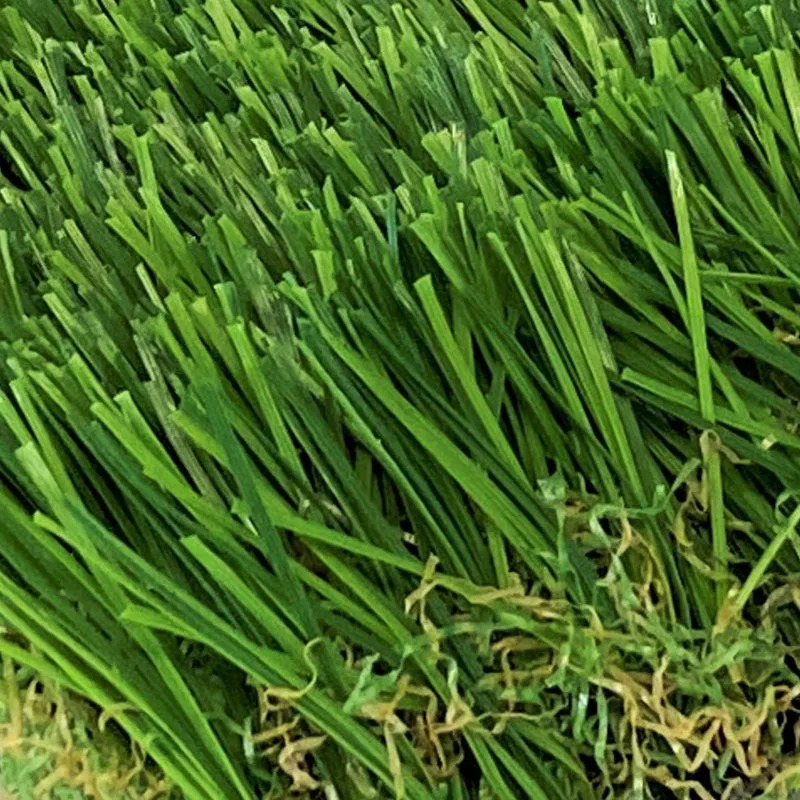
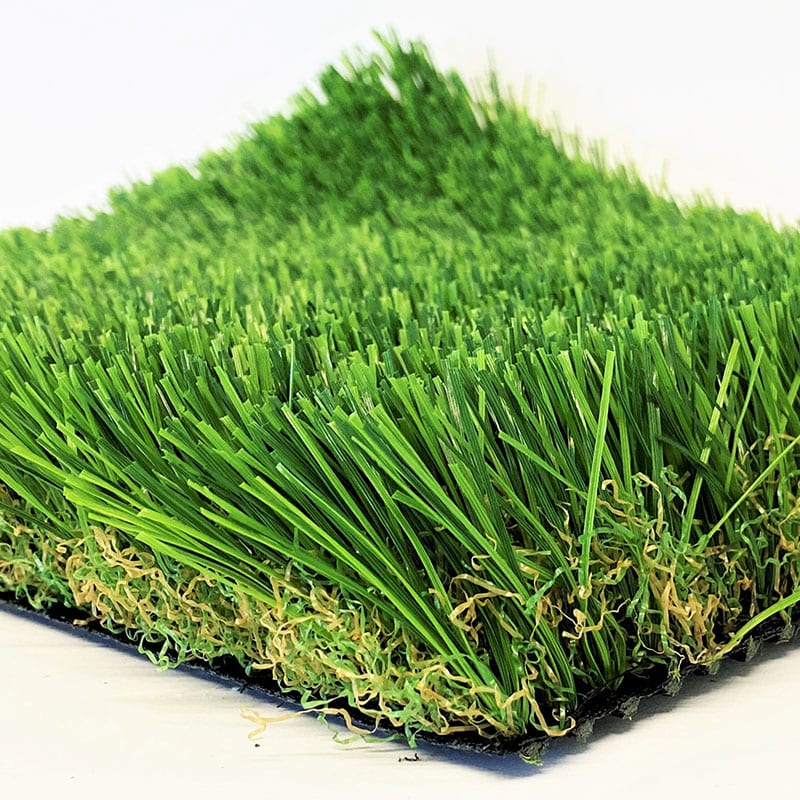
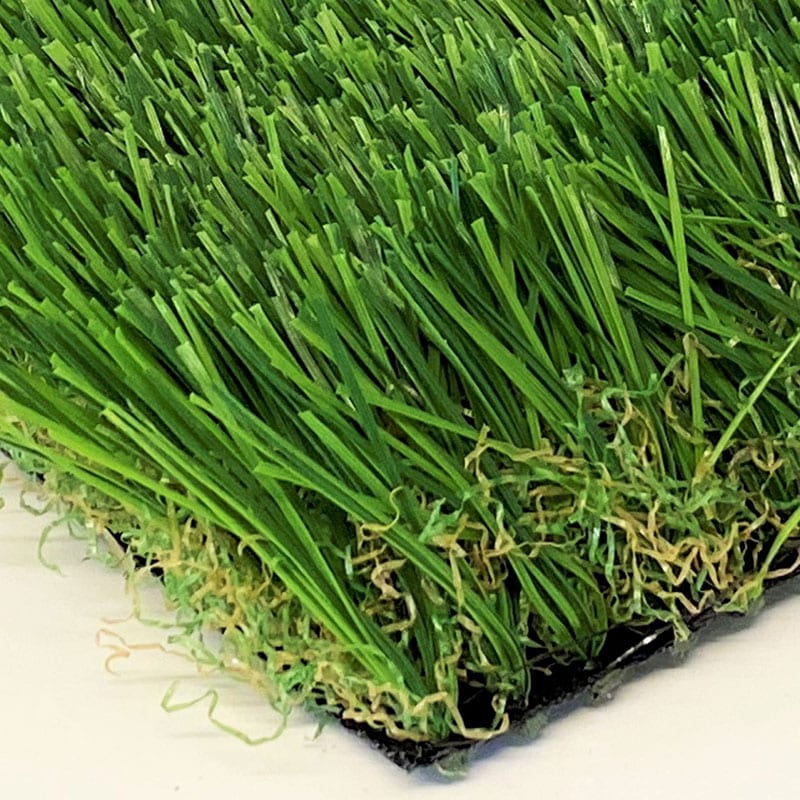
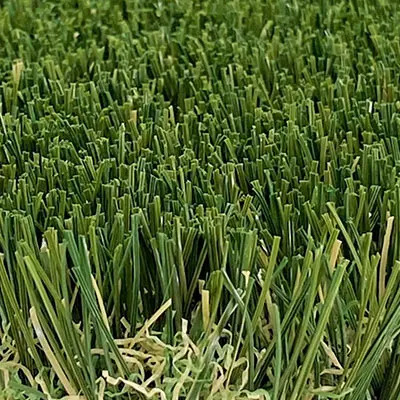
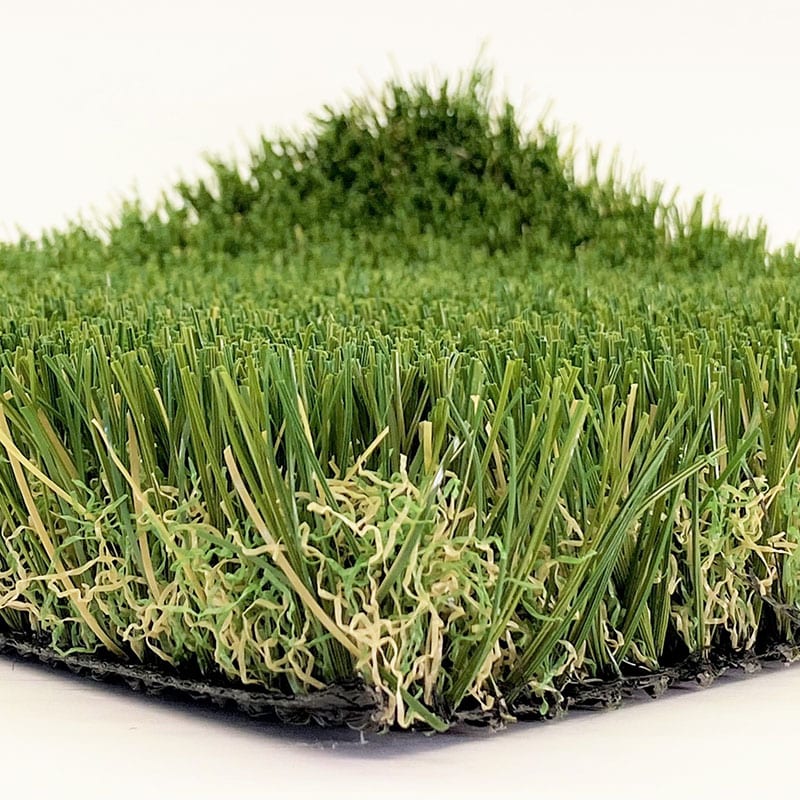
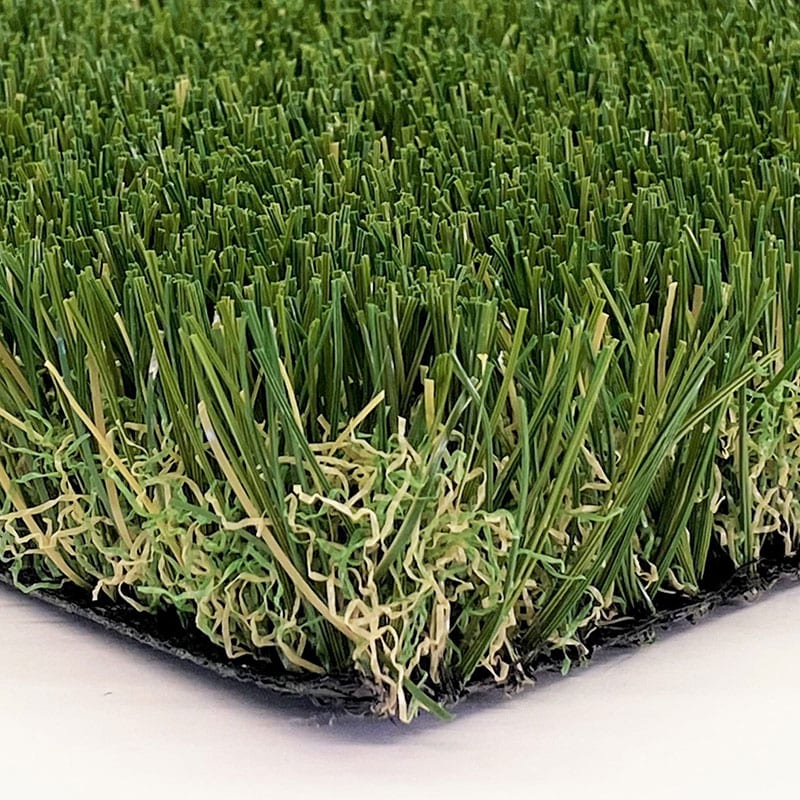
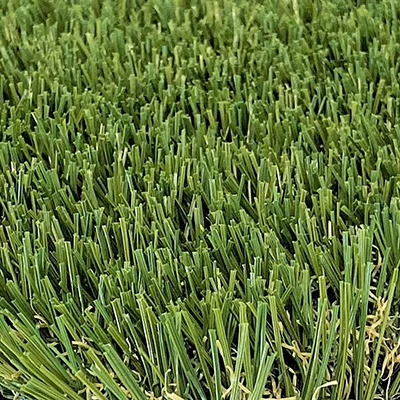
Most buyers judge artificial grass by color alone. That is the wrong test. The benefits of mixed blade shapes for realistic turf start with structure, not shade.
Blade shape controls three things color cannot:
- How light reflects off the surface
- How the turf springs back after foot traffic
- How much visual texture you see up close
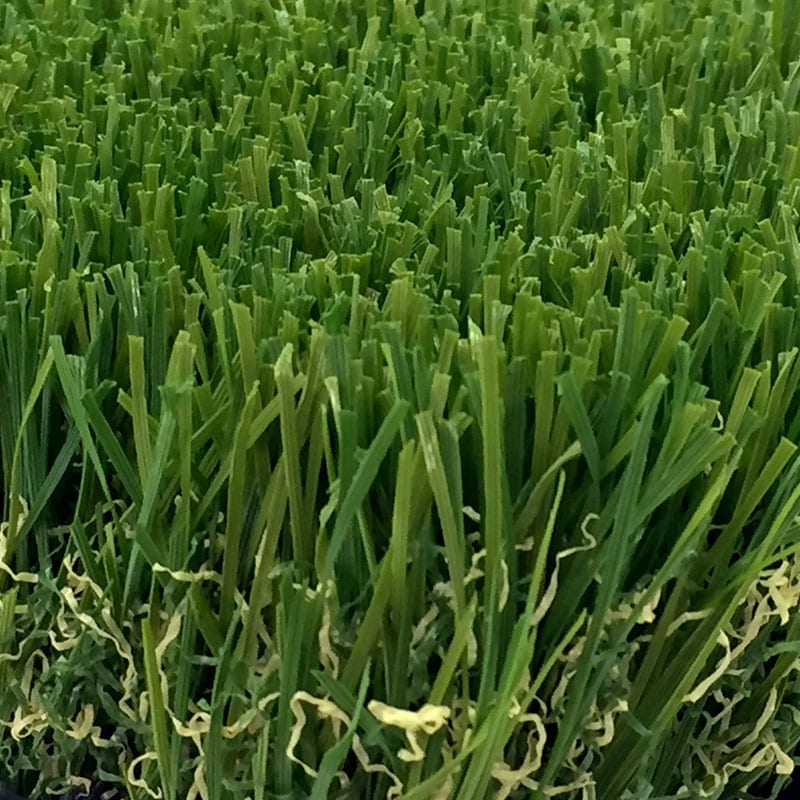
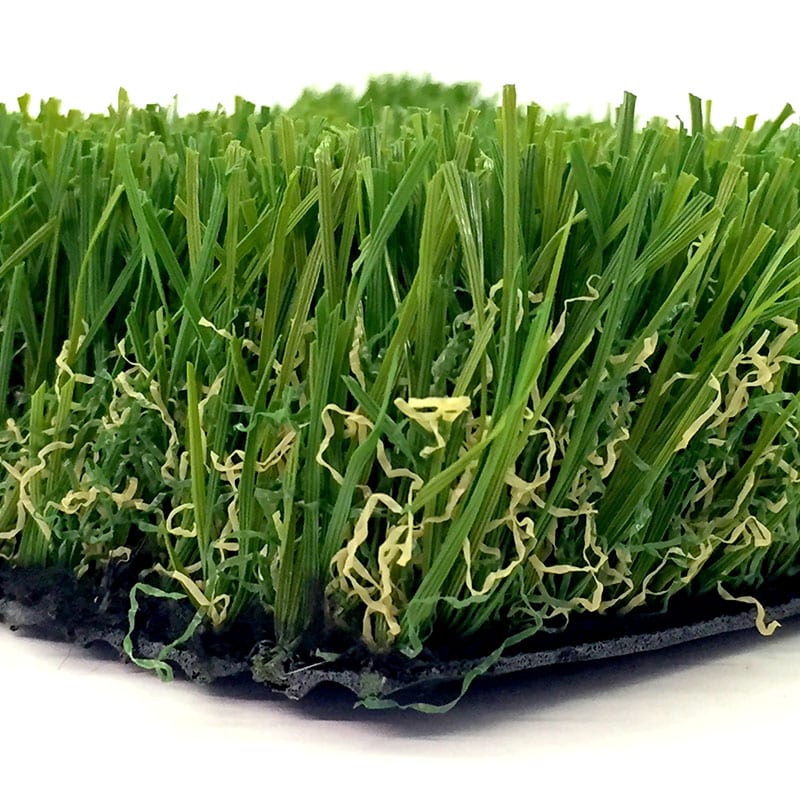
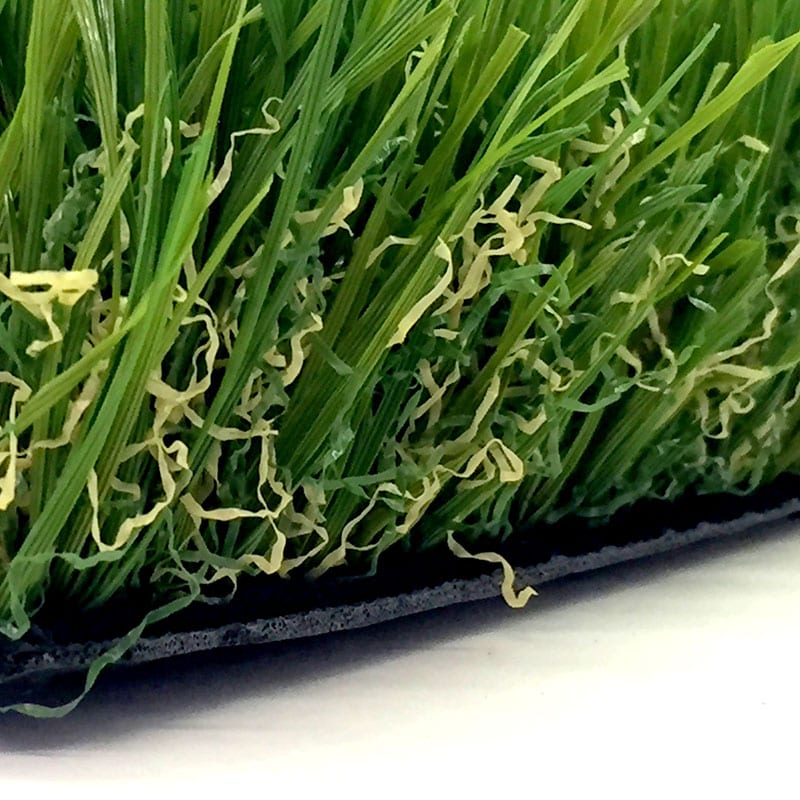
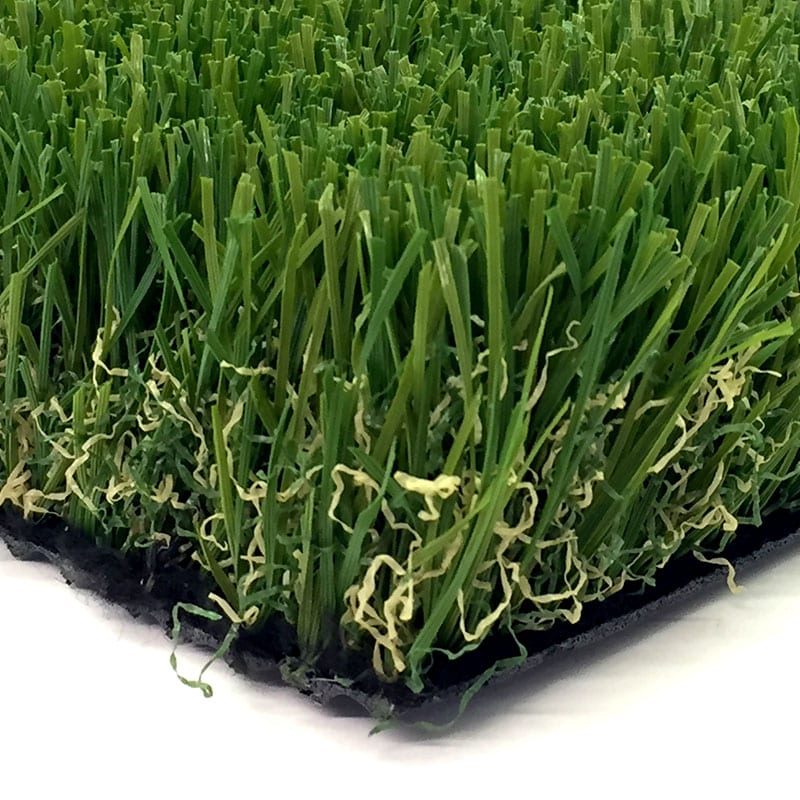
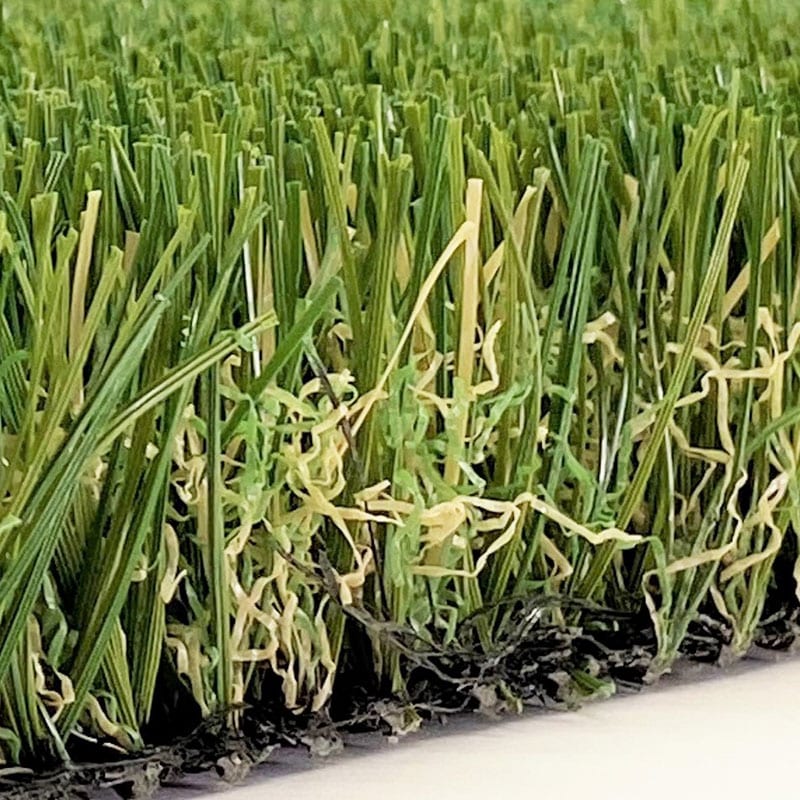
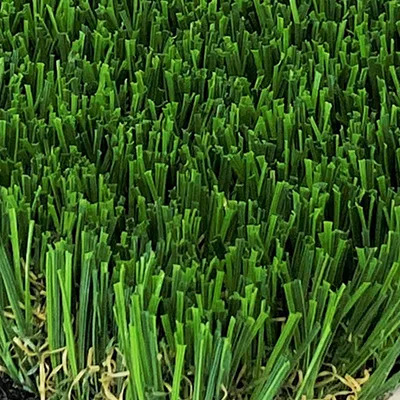
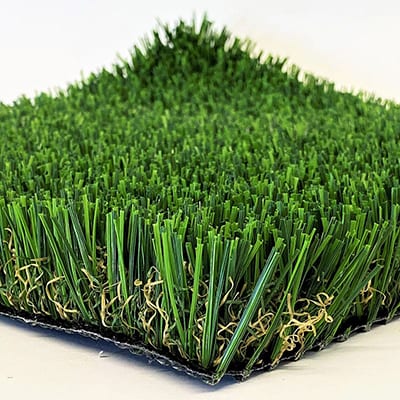
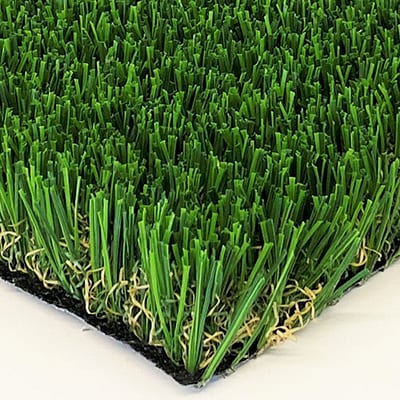
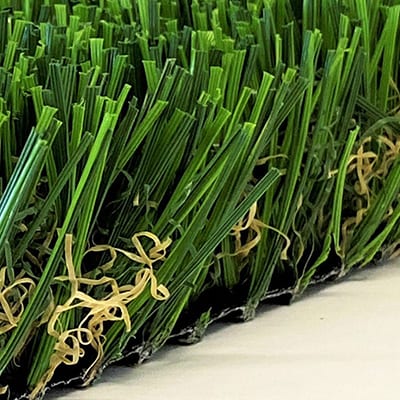
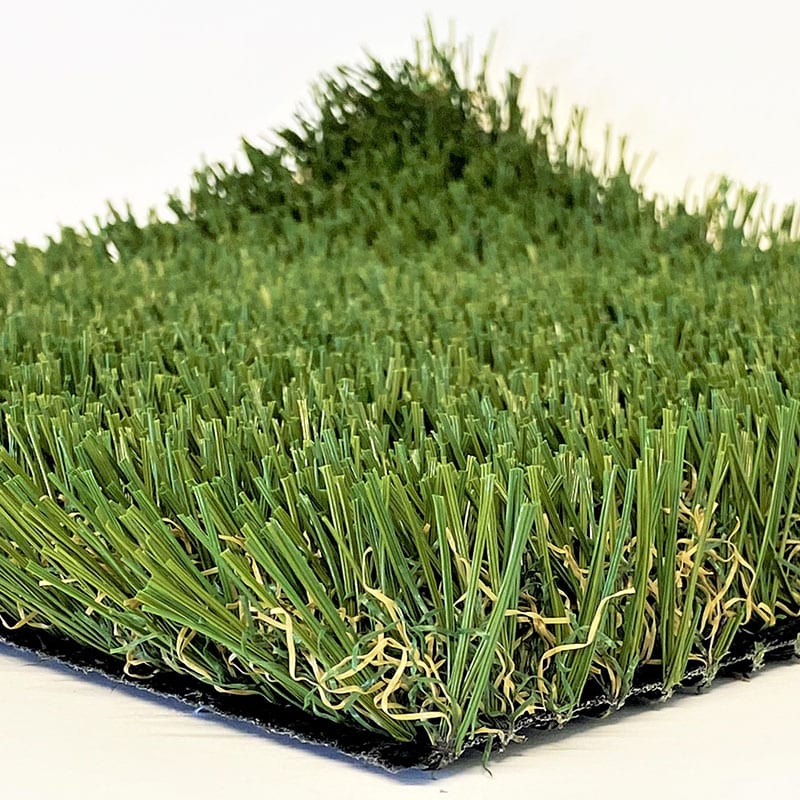
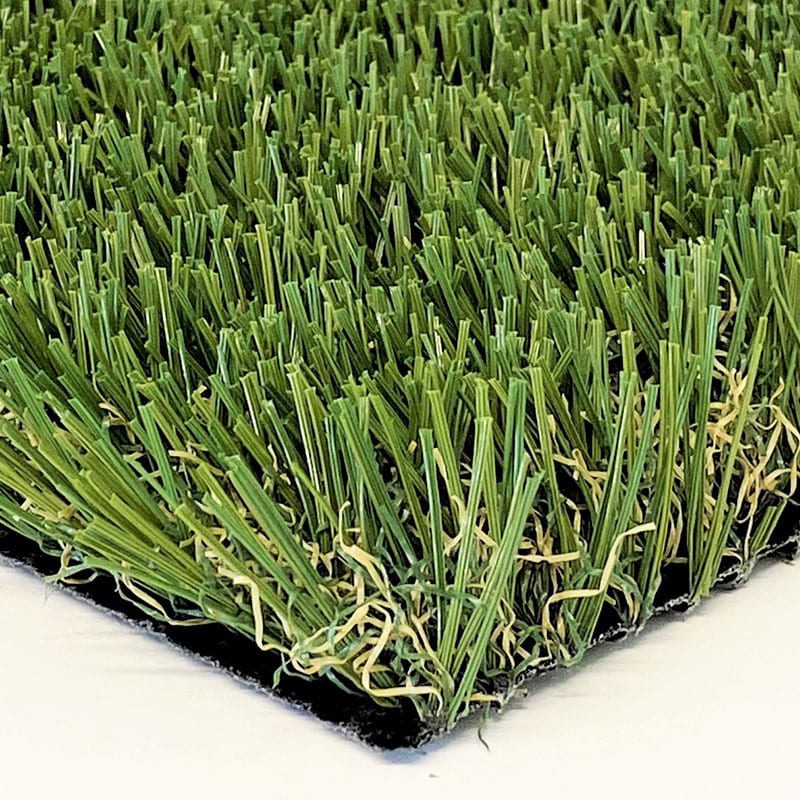
Natural grass is never uniform, wide, thin, bent, and upright blades all in one patch. Mixed profiles copy that chaos; single-profile turf copies a carpet.
So before you compare colors, compare shapes. Shape is where realism lives.
Common Artificial Turf Blade Shapes and What They Do
Each artificial turf blade shape solves a different problem, and no single profile does everything well.
C-Shaped and Omega Profiles for Spring and Recovery
The C-shaped blade curls along its length like a letter C. That curl stores energy. Step on it and it flattens, then pushes back up when you move on.
The Omega-shaped blade takes the same idea further, its cross-section curling almost into a loop for more memory than a simple C.
Where they fall short: a lawn of nothing but C-shaped blades can look too orderly. It springs back beautifully but reads a little flat and uniform.
W-Shaped and Diamond Profiles for Body and Light Reflection
The W-shaped blade has ridges running its length that scatter light in several directions at once, which is why W-blade turf looks fuller than its density suggests.
Diamond-shaped blades do similar work with angled faces, bouncing light at different angles to create color variation across the surface without any actual color difference in the fiber.
These profiles add body and visual texture. On their own, though, they can feel stiffer underfoot than a curled blade.
| Blade Profile | Main Strength | Best For | Watch Out For |
|---|---|---|---|
| C-shaped | Spring and recovery | Family lawns, play areas | Can look uniform alone |
| Omega-shaped | Strong shape memory | High-traffic zones | Slightly firmer feel |
| W-shaped | Light reflection, body | Front yards, curb appeal | Stiffer underfoot |
| Diamond-shaped | Color variation | Mixed designs | Needs softer partners |
| V-shaped | Texture and grip | Putting greens, detail work | Not a standalone fiber |
| Flat | Affordability | Budget installs | Weak resilience |
How V-Shaped Artificial Grass Blades Change the Look and Feel
V-shaped artificial grass blades are the detail workers. That is why this profile shows up so often in synthetic turf for putting greens.
The V shape also breaks up light at a small scale. Up close, it looks like dense, fine-bladed grass rather than wide plastic ribbons.
Feel matters too. A V-blade surface has more bite underfoot than a flat blade, which some homeowners love and others find less plush. It depends on what the space is for.
When you rub a V-blade sample against your palm, you should feel texture, not scratch. If it feels sharp, the fiber may be too stiff for bare feet and play areas.
How Mixed Blade Shapes Work Together in One Lawn
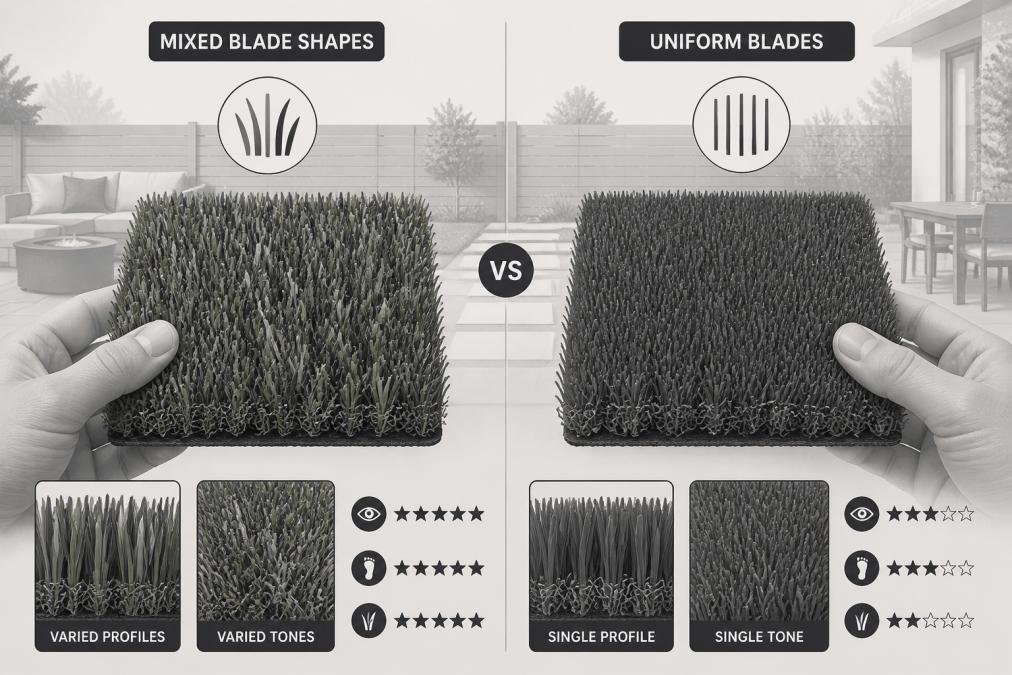
Most articles stop at “blend shapes for realism.” The useful question is which shape does which job, and what happens when the proportions are wrong. A mixed-blade lawn is a small system where each profile contributes a specific behavior to the finished surface.
The Four Roles in a Mixed Design
Think of a blended turf as having four functional roles, even when only two or three profiles are used:
- Upright, resilient fibers (Omega, C-shaped). These carry the load. Their curled cross-section stores energy and pushes the pile back up after compression, so they set the recovery rate for the whole lawn. They also hold the pile height and keep the surface from flattening into a mat.
- Body and light-scattering fibers (W-shaped, diamond). Ridges and angled faces bounce light in several directions, which creates the color shift and depth the eye reads as healthy grass. These fibers add visual fullness without adding much weight, and they keep the lawn from looking painted under flat midday sun.
- Soft, fine fibers (V-shaped, thin flat profiles). These supply the up-close texture and the underfoot feel. They break up light at a small scale so the surface reads as dense fine-bladed grass rather than wide ribbons, and they give bare feet something with a little give.
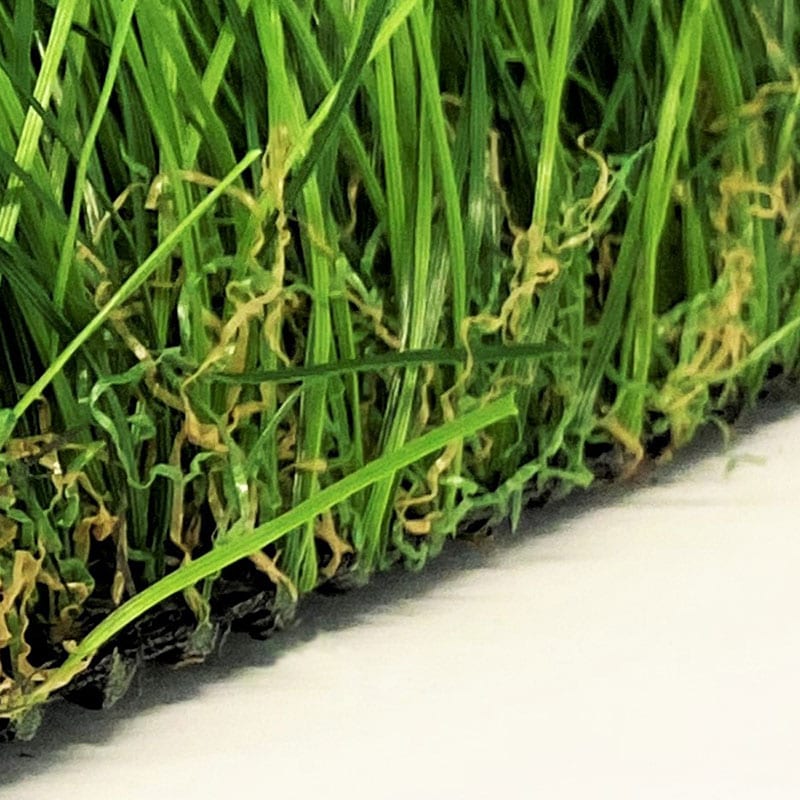
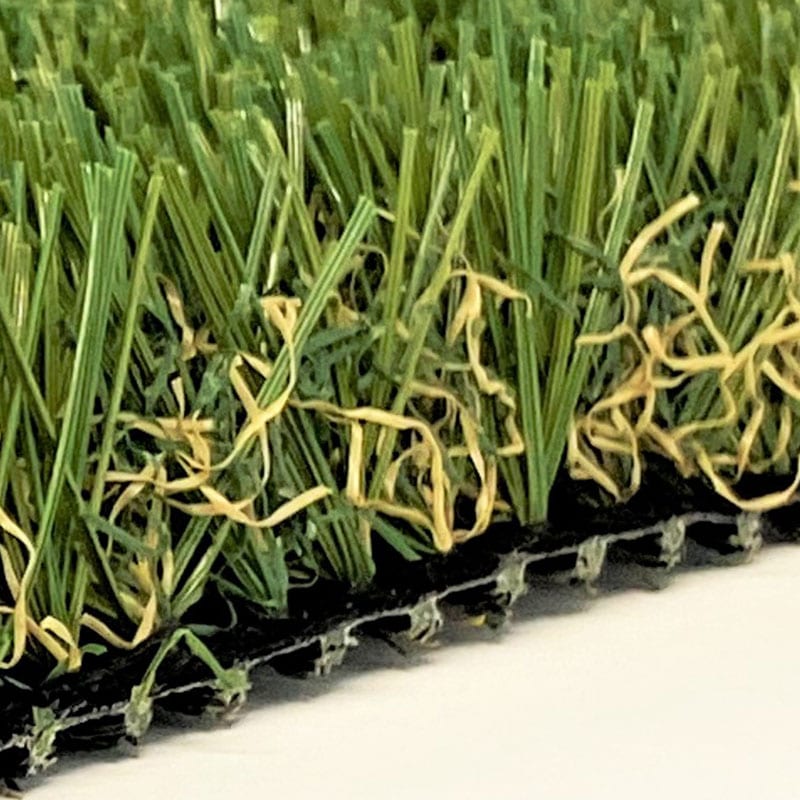
- Binder and base fibers. Some constructions use a straighter, stiffer fiber near the backing to stabilize the tuft and keep the decorative fibers from leaning. This is the least visible role and the one most likely to be skipped in budget products.
A hybrid extrusion can put two roles into one cross-section, a wavy, ribbed fiber that both scatters light and springs back, which is why some two-profile lawns outperform three-profile ones on paper.
Proportion Is the Whole Game
The ratio matters more than the count. A common pattern is a resilient curled fiber doing most of the structural work, a ridged fiber at a smaller share for light play, and a fine fiber at a still smaller share for texture.
That is also why color variation only works when the shapes vary. Quad-color blends rely on blades bending light differently; if every blade has the same cross-section, four colors still read as one flat tone.
What the Blend Does Not Fix
A mixed profile cannot rescue a thin, tall pile. If blade density and pile height are wrong, no combination of shapes will hold the surface up under traffic. Shape is a multiplier on good construction, not a substitute for it. When you compare samples, judge the blend and the density together, a dense short pile with two well-chosen profiles usually beats a sparse tall pile with four.
Realistic Artificial Grass: Judging a Sample Before You Buy
Realistic artificial grass is best judged with your hands and eyes at ground level, not from a photo. Skipping this step is the single biggest reason people end up disappointed after install, so stop browsing samples and start scoring them the same way every time.
A Repeatable Sample Scorecard
Ask for two or three sample squares of the blends you are considering and score each on the same five checks, using a 1-to-5 scale so the comparison is not just a gut feeling.
- Blade variation (appearance). Stand directly over the sample. Count how many distinct blade shapes and widths you can pick out. A realistic blend shows several; a single-profile product shows one. Score higher when the variation is visible without hunting for it.
- Light behavior. Look at the sample in direct sun, in shade, and at a low angle. The tone should shift as the light changes. A sample that looks identical from every angle is reflecting light uniformly, which is the plastic tell.
- Recovery after compression. Press your palm or heel into the sample for ten seconds, release, and time how long the imprint takes to lift. Fast recovery points to resilient curled fibers; a lingering mark points to a soft-heavy blend that will show tracks.
- Texture and feel. Rub the sample against the grain and then with it. It should move and spring back rather than stay crushed. Run a palm across the surface: texture is good, scratch is not. If it feels sharp, the fiber is too stiff for bare feet and play areas.
- Edge and backing check. Bend a single blade. It should flex without creasing white. Look at the backing and tuft lines: uneven tufting or loose fibers predict premature wear regardless of blade shape.
Turn the Scorecard into a Decision
Add the five scores for each sample, but weight the checks by how the space will be used. For a family lawn, recovery and texture carry more weight than light behavior. For a front yard judged from the street, light behavior and blade variation matter more.
A practical shortcut: if two samples score within a point of each other, choose the one with the better recovery score. Recovery is the hardest property to fix after install and the one most visible over time.
Judging a sample under indoor store lighting is a common mistake. Fluorescent light flattens texture and hides the light-scattering effect of ridged fibers. Take the sample outside into daylight before you score it.
The FTC guidance on truthful advertising claims is worth knowing here. Claims about durability and performance should be backed by the maker, so ask for the warranty terms in writing and compare them alongside your scores before you buy.
Matching Blade Shapes to Foot Traffic and Wear
Foot traffic is where blade profile earns or loses its money.
High-traffic areas need resilience first. Omega and C profiles recover fastest, so they belong in the zones that take a beating: paths, play zones, pet runs.
Wear resistance also depends on pile height and blade density. Shape alone will not save a thin, tall turf.
For pet owners, the practical test is recovery speed. Press a heel into the sample, hold it, release. If the mark lingers, that turf will show tracks.
Synthetic Turf for Putting Greens: Why Shape and Density Matter
Synthetic turf for putting greens lives or dies on consistency. A putt that breaks because the fiber leans one way is a bad green, no matter how good it looks.
That is why putting turf uses fine, dense profiles, often V-shaped or closely ribbed, aiming for a surface that rolls true and holds a ball without grabbing it.
Density matters as much as shape. A dense, short pile gives a predictable roll. A loose, tall pile scatters the ball.
For greens, shape controls roll and density controls speed. Test both with a ball before you buy, not just with your eyes.
Trade-Offs, Installation, and Maintenance of Mixed-Blade Turf
Mixed-blade turf is not free of downsides. Pricing depends on the blend, pile height, and square footage, so ask Southern Artificial Turf for a current quote.
Installation matters just as much as the fiber. A mixed profile needs proper infill and a level base.
Maintenance is simple but not zero. Rinse pet areas, brush high-traffic zones to lift the pile, and keep debris off the surface.
The honest limits of mixed-blade turf:
- It costs more upfront than single-profile turf
- It still gets hot in direct sun, like any synthetic surface
- It needs brushing in high-traffic spots to keep the pile upright
We recommend mixed profiles for anyone who cares how the lawn looks from the street and how it feels underfoot.
Frequently Asked Questions
What are mixed blade shapes in artificial turf?
Mixed blade shapes means a turf product uses two or more blade profiles, such as C-shaped, W-shaped, V-shaped, or flat fibers, in the same pile. Each profile contributes something different: some spring back after foot traffic, some catch light to create color variation, and some add bulk so the surface feels denser. Combining them gives a more balanced lawn than a single-profile product, which can look flat or wear unevenly in high-traffic spots.
Do mixed blade shapes make artificial grass look more realistic?
Yes, in most cases. Natural grass has blades of different widths, angles, and shades, and a single-profile turf can read as uniform or plastic. Mixing profiles creates visual texture and color variation, and the varied surfaces reflect light differently, which mimics a manicured lawn. A mixed-blade design also helps the pile stay upright, so the surface looks fuller over time instead of matting into one direction.
What is the best blade shape for artificial turf?
There is no single best shape, because the right choice depends on use. For a family lawn with pets and kids, a blend that includes resilient C-shaped or Omega profiles with softer fibers holds up to foot traffic while staying comfortable. For a putting green, a denser, shorter pile with consistent blade orientation matters more than any one profile. Ask for samples and judge them by feel, recovery, and how they look in daylight.
Does blade shape affect how artificial turf feels underfoot?
It does. Thinner, softer fibers and V-shaped or flat profiles tend to feel gentler on bare feet, while thicker C-shaped and W-shaped blades add structure and resilience. A mixed-blade design can balance the two, giving you a surface that springs back under foot traffic without feeling stiff. Underfoot feel also depends on pile height and infill, so compare samples by walking on them rather than judging by appearance alone.